
Are you thinking about building a cozy bird house but wondering if treated wood is a safe choice? You want to provide a comfortable home for your feathered friends, but also keep them safe from harmful chemicals.
Choosing the right material is crucial, and treated wood might seem like an easy option. But is it really the best one for your bird house? Keep reading to discover the facts you need to know before using treated wood, so you can make the best decision for your backyard visitors.

Credit: www.amazon.ca
Types Of Treated Wood
When choosing wood for your birdhouse, understanding the types of treated wood is crucial. Treated wood is designed to resist rot, insects, and decay, but not all treatments are safe for birds. Knowing the differences can help you pick materials that protect your birdhouse without harming its tiny residents.
Common Wood Treatments
Pressure-treated wood is one of the most common types you’ll find in stores. It’s infused with chemicals under high pressure to improve durability. However, this process often uses substances that can be toxic to birds, making it a risky choice for birdhouses.
Cedar and redwood are naturally resistant to decay and insects and often require less chemical treatment. Many bird enthusiasts prefer these woods because they offer protection without harsh chemicals. You might find that using untreated cedar or redwood is safer and still long-lasting.
Another option is kiln-dried wood, which has been treated with heat rather than chemicals. This process kills insects and fungi but doesn’t add harmful substances. Kiln-dried wood can be a good compromise if you want durability without chemical risks.
Chemicals Used In Treatments
Chromated copper arsenate (CCA) was once popular but is now rarely used for residential wood due to its high toxicity. It contains arsenic, which is dangerous for birds if ingested or exposed over time. Avoid any wood treated with CCA for your birdhouse projects.
Alkaline copper quaternary (ACQ) and copper azole (CA) are newer, less toxic alternatives. They use copper combined with other compounds to protect wood. While safer than CCA, these chemicals can still pose risks if birds peck or chew the wood frequently.
Some treatments use borates, which are less harmful and often found in wood meant for indoor use. Borate-treated wood offers good protection against insects and fungi without heavy metals. This could be a safer choice, but borate leaches out when exposed to rain, so it may not last long outdoors.
Ask yourself: would you want your birdhouse to expose birds to chemicals that could harm them? Sometimes, natural or untreated woods with weatherproof finishes are the best way to keep your feathered friends safe and comfortable.
Potential Risks To Birds
Using treated wood for bird houses might seem like a durable choice, but it carries some serious risks to the birds that will call it home. Treated wood contains chemicals that could be harmful if birds come into contact with them. Understanding these risks can help you make safer decisions when building or buying bird houses.
Toxicity Concerns
Treated wood often contains preservatives like copper, arsenic, or other chemicals to prevent rot and insect damage. These substances can leach out over time, especially when exposed to rain and sun, contaminating the bird house interior.
Birds peck and scratch inside their nests, increasing their chance of ingesting harmful toxins. Even small amounts of these chemicals may lead to poisoning or disrupt their natural behavior. Have you ever considered what might happen if your bird house slowly becomes a hazard instead of a shelter?
Impact On Bird Health
Exposure to treated wood chemicals can weaken birds’ immune systems and cause respiratory problems. Nestlings are particularly vulnerable because their developing bodies absorb toxins more easily.
Health issues may include reduced growth rates, deformities, and even death. If you want your feathered friends to thrive, choosing untreated, bird-safe wood is a smarter choice.
Benefits Of Using Treated Wood
Treated wood offers several benefits for building bird houses. It improves the strength and lifespan of the structure. This type of wood is specially prepared to endure tough outdoor conditions. Using treated wood can protect bird houses from damage and decay. It also helps maintain a safe and comfortable home for birds.
Durability And Longevity
Treated wood lasts longer than regular wood. It resists cracking, warping, and splitting over time. This means the bird house stays sturdy through different seasons. The wood can handle rough weather without losing strength. A durable bird house needs less repair and replacement.
Resistance To Weather And Pests
Treated wood stands strong against rain, snow, and sun. It does not soak up water easily, preventing rot. This keeps the bird house dry and safe inside. The treatment also protects wood from insects like termites. Pests cannot damage or weaken the structure. This protection ensures a healthy home for birds.
Safe Alternatives To Treated Wood
Choosing safe materials for birdhouses is crucial to protect the birds that will call them home. Treated wood often contains chemicals harmful to birds, so looking for safer alternatives makes a big difference. You want materials that last outdoors but won’t put your feathered friends at risk.
Natural Wood Options
Using natural wood like cedar, pine, or redwood is a smart choice for birdhouses. These woods resist rot and pests without needing chemical treatments. Cedar, in particular, is naturally weather-resistant and smells good, which can deter insects.
Think about the wood you have access to. Is there a local supplier with untreated hardwood? Buying local can reduce costs and environmental impact. Also, avoid wood with paint or stains that might contain toxins.
Non-toxic Sealants And Coatings
You can protect natural wood with non-toxic sealants made from natural oils or water-based products. These coatings help waterproof your birdhouse and prevent mold without harming birds. Look for sealants labeled safe for children’s toys or food contact—these are usually bird-friendly.
Applying a thin layer of linseed oil or beeswax can also extend the wood’s life. Have you tried sealing a wooden project before? You might be surprised how easy it is to maintain the wood’s natural look while keeping it safe.
Tips For Building Bird Houses
Building a bird house requires care and the right approach. The choice of materials and how you build it affect the safety and comfort of birds. Here are some helpful tips to guide your project.
Choosing The Right Materials
Select wood that is safe and non-toxic for birds. Avoid treated wood with chemicals, as they can harm birds. Use natural, untreated wood like cedar or pine. These woods resist weather and last longer outdoors.
Use nails or screws made from stainless steel or coated metal. These resist rust and keep the house sturdy. Avoid metal that can heat up and harm birds inside.
For the roof, use a waterproof material that does not trap heat. A simple wooden roof with a slight slope works well. It protects the birds from rain and sun.
Proper Construction Techniques
Make sure the bird house has good ventilation. Drill small holes near the top to allow fresh air. This keeps the inside cool and dry.
Include drainage holes at the bottom. These let rainwater escape and prevent mold growth. Keep the holes small to stop predators from entering.
Use smooth wood surfaces inside and outside. Rough edges can hurt birds or their chicks. Sand the wood to remove splinters.
Design the bird house with a roof that opens. This helps to clean the house after nesting season. Cleaning prevents disease and keeps birds healthy.

Credit: www.amazon.co.uk
Maintenance And Care
Treated wood can harm birds due to chemicals. Opt for untreated wood for birdhouses. Ensure a safe environment for nesting. Regularly inspect and maintain birdhouses to prolong their life and protect wildlife.
Maintaining and caring for a bird house is crucial for ensuring the safety and health of its feathered inhabitants. If you’re considering using treated wood, understanding how to maintain and care for it properly can extend its lifespan while providing a safe environment for birds. Let’s dive into some practical tips to keep your bird house in top shape.Cleaning The Bird House
Regular cleaning of your bird house is essential. Birds can be messy, and leftover seeds and droppings can pile up quickly. To clean, first remove any old nesting material. Use a mild soap solution to scrub the interior surfaces. Rinse thoroughly and let it dry completely before reassembling. This ensures that harmful bacteria and mold don’t take hold.Extending Lifespan Safely
To extend the lifespan of a bird house made from treated wood, consider its placement. Avoid direct exposure to harsh weather by placing it in a shaded area. Inspect the bird house regularly for signs of wear or damage. If you notice any, repair them promptly to prevent further deterioration. Sealing the wood with a bird-safe sealant can also help protect it from moisture and pests, ensuring your bird house lasts for years. Have you ever thought about how a small change in maintenance routine could make a big difference in the life of your bird house? Taking these steps not only benefits the birds but also maximizes your investment in creating a safe haven for them.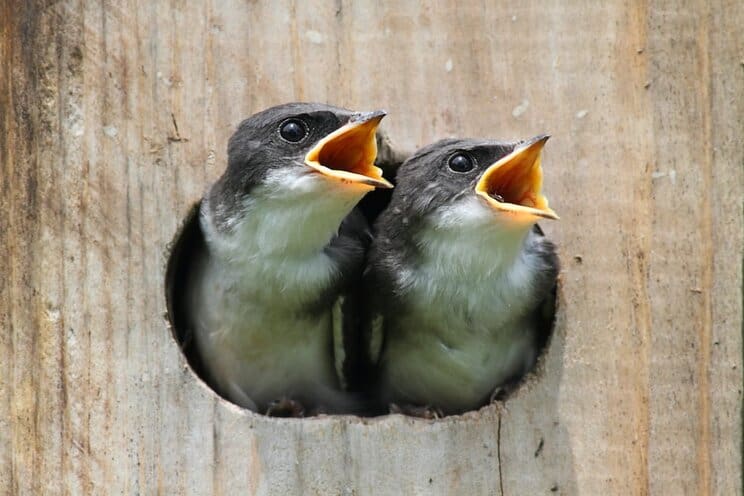
Credit: www.mychemicalfreehouse.net
Frequently Asked Questions
Can Treated Wood Harm Birds In Birdhouses?
Treated wood often contains chemicals harmful to birds. These chemicals can leach out, causing health issues. It’s best to avoid treated wood for birdhouses to ensure bird safety and comfort.
Is Untreated Wood Safer For Building Birdhouses?
Yes, untreated wood is the safest choice for birdhouses. It is free from harmful chemicals and provides a natural environment. Birds thrive better in untreated wooden houses due to better air quality and safety.
How Long Do Birdhouses Made Of Untreated Wood Last?
Untreated wood birdhouses typically last 3-5 years. Their lifespan depends on weather exposure and wood type. Regular maintenance can extend durability without exposing birds to toxins.
Can I Seal Treated Wood To Make It Safe?
Sealing treated wood may reduce chemical exposure but isn’t fully safe. Sealants can wear off, exposing birds to toxins. It’s safer to use untreated wood rather than risk bird health.
Conclusion
Treated wood may seem strong and lasting for bird houses. Yet, chemicals in it can harm birds. Choosing natural, untreated wood is safer and healthier. Birds need a clean, safe home to thrive. Use wood free from toxins and chemicals.
This helps protect birds and their young. Building bird houses with care shows respect for nature. Keep the environment safe for all creatures. Your choice matters for bird health and safety. Simple steps make a big difference in the wild.




