
Are you tired of big birds crashing your hummingbird feeder and scaring away the tiny visitors you love to watch? It can be frustrating when larger birds gobble up the nectar meant for hummingbirds, leaving you feeling helpless.
But don’t worry—there are simple, effective ways you can keep those big birds at bay and give your hummingbirds the peaceful feeding spot they deserve. Keep reading to discover easy tips that will help you protect your feeder and enjoy the beauty of hummingbirds without unwanted interruptions.

Credit: www.countryliving.com
Why Big Birds Target Feeders
Big birds often show up at hummingbird feeders, and it can be frustrating when they scare away the tiny visitors you actually want to see. Understanding why these larger birds are drawn to your feeder can help you take better steps to keep them away. Let’s look at some key reasons behind their interest.
Attraction To Sweet Nectar
The sugary nectar in hummingbird feeders is a powerful lure for many birds, not just hummingbirds. Big birds like orioles and grackles have a sweet tooth too and find the nectar an easy and tasty meal.
When I first set up a feeder, I noticed a bold oriole quickly discovered it and stayed much longer than the hummingbirds. It reminded me that sweetness appeals across many bird species, not just the ones you expect.
Competition For Resources
Birds compete for food, especially when natural sources are scarce. Your feeder becomes a hotspot because it offers a reliable, high-energy food source that doesn’t require much effort to find.
If you’ve seen a big bird chase hummingbirds away, you’ve witnessed this competition firsthand. The bigger birds dominate because they’re stronger and more aggressive, making it hard for hummingbirds to feed peacefully.
Common Offenders
- Grackles:These noisy birds love sugar water and can quickly empty feeders.
- House Sparrows:Aggressive and persistent, they often take over feeders.
- Starlings:Known for their large flocks, they can crowd out smaller birds.
- Orioles:Attracted to sweet nectar, they often visit feeders meant for hummingbirds.
Have you noticed any of these visitors at your feeder? Identifying the culprits can help you choose the right strategies to keep your hummingbird feeders humming with their intended guests.
Choosing The Right Feeder
Choosing the right feeder is key to keeping big birds away from your hummingbird feeders. The feeder you pick can either invite unwanted guests or help you protect the tiny hummingbirds you want to attract. Focus on features that discourage larger birds while still being accessible to hummingbirds.
Design Features To Deter Large Birds
Look for feeders with small feeding ports designed specifically for hummingbirds. These tiny openings prevent larger birds from accessing the nectar easily.
Feeders with built-in cages or wire guards around the feeding area work well. These barriers allow hummingbirds to slip in but block bigger birds from landing or reaching the nectar.
Consider models with weight-sensitive perches that close off the feeding ports when heavier birds try to land. This clever design helps keep bigger birds away without scaring hummingbirds.
Material And Durability
Choose feeders made from durable materials like thick plastic or glass. These stand up better against pecking and rough handling from larger birds.
Metal feeders can be a good option, but make sure the metal doesn’t heat up too much in the sun, which can harm hummingbirds.
Remember, cheap feeders might break easily, inviting larger birds to take over your feeder spot. Investing in quality saves you time and frustration in the long run.
Placement Strategies
Where you put your feeder can make a big difference in who visits. Try hanging it in an open area, away from trees or structures that bigger birds use as launching pads.
Placing feeders near dense shrubs or flowers can give hummingbirds quick cover while deterring larger birds that prefer open spaces.
Think about installing multiple feeders at different heights. This can confuse larger birds while giving hummingbirds more feeding options.
Physical Barriers And Deterrents
Big birds can be a real challenge at hummingbird feeders. They often scare away the tiny hummingbirds you want to attract. Using physical barriers and deterrents helps create a safe space where hummingbirds can feed without interruption. These tools don’t harm the birds but gently keep the larger ones at bay, maintaining the peaceful atmosphere around your feeder.
Using Cage Covers
Cage covers are one of the simplest ways to protect your hummingbird feeder. These covers act like a small fence around the feeder, allowing hummingbirds to enter but keeping bigger birds out.
Choose a cage with holes just big enough for hummingbirds to pass through. I once tried a cage cover with wider gaps and found that starlings still managed to squeeze in. Narrower openings worked much better. Plus, cages made from lightweight metal or plastic are easy to clean and won’t rust over time.
Installing Spinners And Reflectors
Spinners and reflectors create movement and light flashes that confuse and scare away larger birds. The motion catches their attention and makes the area feel unsafe.
Hang shiny CDs, metallic ribbons, or commercial bird spinners near your feeder. I noticed that adding a few spinning reflectors drastically reduced visits by crows in my yard. These deterrents are inexpensive and don’t bother hummingbirds, who are more focused on feeding than chasing reflections.
Netting And Screens
Netting and screens provide a physical shield that blocks big birds without disturbing hummingbirds. They let small birds pass through while stopping larger intruders.
Try placing fine mesh netting around the feeder or mounting a screen above it. Make sure the netting is taut to prevent birds from getting tangled. I once used garden netting and found it effective, but be careful to check it regularly for damage. This method requires some setup but offers reliable protection in busy bird areas.
Feeding Schedule Adjustments
Adjusting the feeding schedule can help keep large birds away from hummingbird feeders. Big birds often visit feeders at certain times of the day. Changing when you fill your feeders can reduce their visits. This allows hummingbirds to feed peacefully.
Timing To Avoid Peak Big Bird Activity
Big birds usually come to feeders early morning or late afternoon. Fill your hummingbird feeder during mid-morning or midday. Hummingbirds feed throughout the day and will find fresh nectar easily. Avoid filling feeders at dawn or dusk to limit big bird access. Watch your feeder at different times to learn when big birds are most active.
Regular Cleaning And Nectar Replacement
Replace nectar every few days to keep it fresh and inviting. Clean feeders before refilling to prevent mold and bacteria. Dirty feeders attract larger birds and insects. Fresh nectar attracts hummingbirds and discourages big birds from lingering. Keep a consistent schedule for cleaning and refilling to maintain a healthy feeding spot.
Alternative Feeding Stations
Setting up alternative feeding stations can be a game-changer for keeping big birds away from your hummingbird feeders. By providing separate spaces tailored to different bird sizes and food preferences, you create harmony in your garden. This approach not only protects your hummingbirds but also keeps larger birds happy without causing conflict.
Separate Feeders For Larger Birds
Try placing feeders designed specifically for larger birds away from your hummingbird stations. Use sturdy feeders meant for birds like finches, cardinals, or doves, and position them in a different part of your yard. This reduces competition and keeps the big birds from intimidating the tiny hummingbirds.
Think about your garden layout—can you hang a feeder higher or on a different tree branch? Experiment with locations until you find spots that big birds prefer but hummingbirds avoid. This simple change can make a huge difference in who visits which feeder.
Using Different Food Types
Offering different food types at each station helps guide birds where you want them to feed. For example, hummingbird feeders usually contain sugar water, but larger birds prefer seeds, nuts, or fruit. By providing these alternatives, you satisfy the big birds without attracting them to your hummingbird feeders.
Have you noticed how squirrels often go for sunflower seeds but ignore nectar? You can use this natural preference to your advantage. Place seed feeders away from nectar stations and watch as the right birds find the right food.
Natural Deterrents And Habitat Management
Natural deterrents like reflective tape or decoy predators can keep large birds away from hummingbird feeders. Managing nearby plants to limit perching spots also helps protect feeders. Creating an inviting space for hummingbirds while discouraging big birds is key.
Engaging hummingbirds in your garden can be a delightful experience, but it often comes with the challenge of keeping larger, more assertive birds at bay. These bigger birds not only hog the feeders but can also intimidate the delicate hummingbirds. By focusing on natural deterrents and habitat management, you can create an environment that is less appealing to the larger birds while still being inviting to hummingbirds.Planting Bird-repellent Vegetation
Incorporating bird-repellent plants can be an effective way to naturally deter big birds. Plants like lavender, rosemary, and mint are known to be less appealing to larger birds due to their strong scents. These plants can be strategically placed around your garden to create a natural barrier. Create a garden plan that includes a variety of textures and heights. This not only adds visual interest but can also confuse larger birds who prefer open spaces. Mixing in flowers that attract hummingbirds, like bee balm and trumpet vine, can further encourage their presence. Have you ever noticed how certain plants seem to invite more butterflies or bees? The same principle applies here. By choosing vegetation that hummingbirds love and larger birds dislike, you effectively manage the natural traffic in your garden.Maintaining Surrounding Environment
A well-maintained environment is key to keeping big birds away. Regularly clean your feeders to avoid attracting birds with leftover food. Dirty feeders are a magnet for all kinds of birds looking for an easy meal. Consider the placement of your hummingbird feeders. Hang them in areas that are less accessible to larger birds, such as under eaves or in more enclosed spaces. This makes it harder for big birds to land and feast on the food meant for hummingbirds. Think about the overall landscape of your garden. Is it providing too many perching spots for larger birds? Trimming back overgrown trees and bushes can reduce perching opportunities, thus discouraging larger birds from lingering around your feeders.Monitoring And Maintenance Tips
Regularly clean feeders to prevent big birds from settling. Adjust feeder height and use baffles to block larger birds. Check for any damage and refill with fresh nectar often.
Keeping big birds away from your hummingbird feeders requires attention and commitment. By diligently monitoring and maintaining your feeders, you can ensure that your tiny, vibrant visitors have a safe space to enjoy their meals. Let’s dive into some practical tips to keep your hummingbird feeders inviting and exclusive to these little marvels.Regular Inspection
Regularly inspecting your hummingbird feeders can make a significant difference. Check your feeders at least once a week to ensure they’re clean and free from damage. Look for signs of wear, such as cracks or loose parts, which could attract larger birds or other unwanted critters. During these inspections, pay attention to the surrounding area as well. Big birds often leave clues, like feathers or droppings, that can indicate their presence. Spotting these signs early helps you adapt your strategy before the big birds become a bigger problem.Adapting Strategies Over Time
Adapting your approach based on what you observe is key. If big birds begin to visit frequently, consider moving the feeder to a less accessible location. Try placing it near dense foliage where only small birds can navigate easily. Experiment with different types of feeders as well. Some feeders are specifically designed to deter larger birds, using narrower feeding ports or protective cages. Test out a few options to see what works best for your space and the specific species you’re dealing with. Engage with your environment, and don’t be afraid to make changes when needed. Are there particular times of the day when big birds are more active? Adjust your feeder’s placement or feeding schedule accordingly. By staying vigilant and flexible, you can keep your feeders a haven for hummingbirds, ensuring they remain the stars of your garden show.
Credit: www.natureswaybirds.com
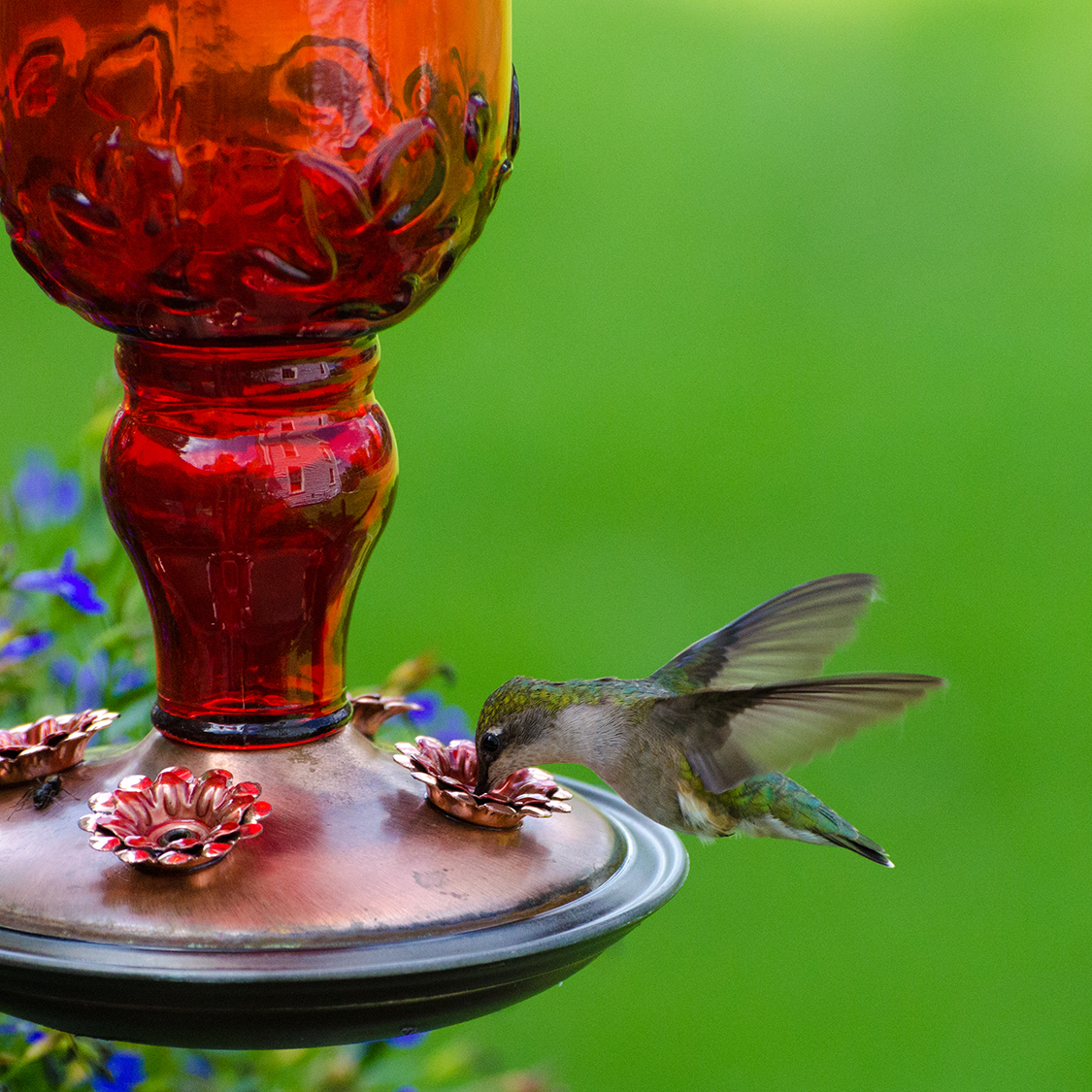
Credit: www.tomsguide.com
Frequently Asked Questions
How To Prevent Big Birds From Eating Hummingbird Food?
Use feeders with smaller ports designed for hummingbirds. Place feeders away from areas frequented by larger birds. Adding a feeder guard or baffle can also block big birds while allowing hummingbirds access.
What Feeder Types Keep Large Birds Away From Hummingbirds?
Tube feeders with tiny feeding holes restrict access for big birds. Saucer or bottle-style feeders with built-in guards also deter larger birds. Avoid open dish feeders, as they attract and support big birds easily.
Why Do Big Birds Visit Hummingbird Feeders?
Big birds seek easy access to sugary nectar. They often outcompete hummingbirds for food. Providing species-specific feeders and locations helps reduce competition and keeps hummingbirds safe.
Can Feeder Placement Reduce Big Bird Visits?
Yes, placing feeders in open areas away from perches limits big bird access. Higher placement on thin poles also helps since larger birds prefer stable, sheltered spots.
Conclusion
Keeping big birds away from hummingbird feeders takes patience and simple steps. Use feeders designed for hummingbirds only. Place feeders where big birds cannot easily reach. Clean the feeders regularly to avoid attracting unwanted visitors. Try using decoys or barriers to block bigger birds.
Watch your feeder often and make changes as needed. This care helps hummingbirds enjoy their food safely. Enjoy watching these tiny birds visit your garden peacefully. Small efforts create a better space for hummingbirds to thrive.




