
Are you tired of crows taking over your bird feeders and scaring away the smaller birds you want to attract? You’re not alone.
Crows are smart, persistent, and can quickly turn your peaceful backyard into their personal buffet. But don’t worry—there are simple, effective ways you can use to keep these clever birds at bay. You’ll discover practical tips that work, helping you protect your feeders and enjoy a vibrant, crow-free birdwatching experience.
Keep reading to find out how to take back control of your outdoor space!
Why Crows Visit Feeders
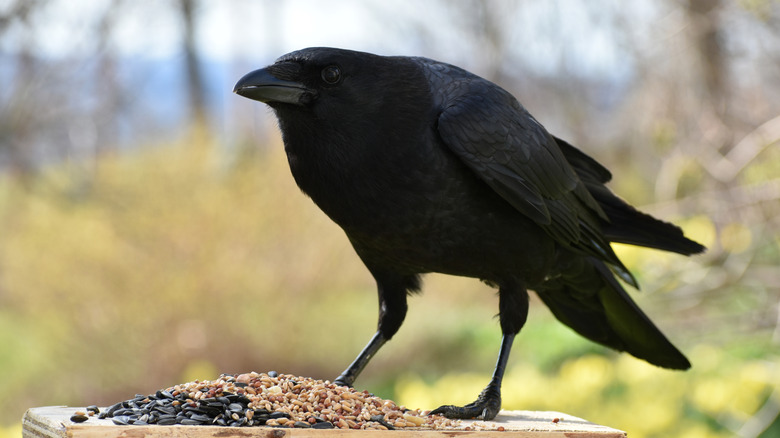
Crows visit bird feeders mainly for easy food access. They are smart birds and quickly learn where food is available. Feeders offer a steady supply of seeds, nuts, and other treats. This attracts crows looking for a quick meal without much effort.
Crows are curious and social. They watch other birds and join in if food seems plentiful. The presence of other birds can encourage crows to visit feeders more often. Understanding why crows come to feeders helps in managing their visits.
Attractants For Crows
- Large seeds like sunflower and peanuts
- Open feeders without covers or cages
- Feeders near trees or perches
- Regular refilling creating a reliable food source
- Visible food that is easy to grab
Crow Behavior Around Feeders
- Crows often watch feeders from a distance first
- They use problem-solving skills to access food
- Crows may come in groups, sharing information
- They prefer feeders that offer easy food access
- Crows sometimes scare smaller birds away
Choosing Crow-resistant Feeders
Choosing crow-resistant feeders helps keep your bird feeder safe and enjoyable. Crows are smart and can quickly learn how to access food. Using feeders designed to limit their access reduces crow visits. It also protects smaller birds and keeps your feeder tidy.
Designs That Limit Access
Feeders with small openings stop big birds like crows. Tube feeders with narrow ports work well. Hopper feeders with weight-sensitive perches close when heavy birds land. Some feeders have cages around them, allowing only small birds inside.
These designs make it hard for crows to get food. They also prevent seed waste and mess. Choosing feeders with these features helps keep crows away without hurting them.
Material And Placement Tips
Feeders made from durable materials last longer against crow pecking. Metal and thick plastic are good choices. Avoid fragile feeders that crows can easily break or tip over.
Place feeders away from crow-friendly spots. Avoid open areas near trees or rooftops where crows perch. Use poles with baffles to stop crows from climbing up. Higher placement also helps, as crows prefer easy access.
Combining good materials with smart placement limits crow visits effectively. This keeps your bird feeding area peaceful and enjoyable.
Effective Deterrent Methods
Stopping crows from raiding your bird feeders can be challenging, but using the right deterrent methods makes a big difference. Effective deterrents target the crows’ senses and behaviors, making your feeder less attractive or harder to access. Let’s look at some practical ways you can protect your feeders without harming the birds.
Visual Scare Tactics
Crows are smart, but they don’t like sudden movements or unfamiliar sights. You can use reflective objects like old CDs or shiny tape that catch the sunlight and create flashes. These flashes confuse and discourage crows from settling near your feeders.
Another idea is to hang fake predator eyes or silhouettes of hawks nearby. These visual cues tap into the crow’s natural fear of predators. Change the position of these scare items every few days to prevent crows from getting used to them.
Auditory Deterrents
Crows respond strongly to loud or unexpected noises. You might try wind chimes or motion-activated noise makers that startle them when they approach. Keep in mind, the sounds should be varied and not constant to avoid the crows becoming habituated.
Have you tried playing distress calls or predator sounds? These can sometimes trick crows into thinking danger is near. However, use these sounds sparingly to avoid disturbing your neighbors or other wildlife.
Physical Barriers
Making your feeder physically difficult to reach is one of the most reliable ways to keep crows away. Crows are larger and less agile than small songbirds, so installing baffles or cages around feeders can help. These barriers allow smaller birds access but block crows from landing or reaching the food.
Try placing feeders on poles with slippery surfaces or add a dome-shaped guard above the feeder. You can also space feeders apart so crows cannot jump easily from one to another. Have you considered feeder designs specifically made to exclude larger birds? They might be worth a try if crows persist.

Credit: www.youtube.com
Feeding Strategies To Avoid Crow Attraction
Keeping crows away from your bird feeders can be tricky, but adjusting how and what you feed can make a big difference. Small changes in your feeding approach can discourage crows without harming other birds you want to attract. Let’s look at some practical feeding strategies to reduce crow visits while still enjoying your backyard birdwatching.
Seed Selection
Crows are opportunistic eaters and tend to go after large, easy-to-access seeds. Choosing seeds that are less appealing to crows can help keep them at bay.
- Sunflower chips:These are hulled sunflower seeds without shells, which smaller birds love but crows find less satisfying.
- Nyjer (thistle) seeds:Tiny and challenging for crows to eat, these seeds attract finches and smaller songbirds instead.
- Millet:Often overlooked by crows, millet is a favorite for sparrows and doves.
I once switched from mixed sunflower seeds to nyjer and millet. Within days, I noticed fewer crows and more colorful small birds visiting. Have you tried changing your seed mix to see which birds show up?
Feeding Schedule Adjustments
Crows are smart and often learn your feeding routine quickly. Changing when you put out food can reduce their chances of dominating the feeder.
- Feed early in the morning:Most smaller birds feed early, while crows tend to arrive later. Take feeders in by mid-morning.
- Remove feeders at night:Crows can gather in large groups at dusk, so clearing feeders can prevent overnight visits.
- Limit feeding duration:Avoid leaving feeders out all day. Shorter feeding times mean less opportunity for crows to settle in.
One spring, I started putting out food only before 9 a.m. and taking it away by 11 a.m. The crow presence dropped significantly. Would a tighter feeding window work in your yard?
Using Natural Crow Repellents
Using natural crow repellents offers a safe way to protect bird feeders. These repellents avoid harsh chemicals and keep your garden eco-friendly. Crows dislike certain plants and smells, which helps keep them away. Natural solutions also benefit other wildlife around your home. Simple ingredients can create effective homemade repellents that are easy to apply.
Plants That Discourage Crows
Crows avoid some plants due to their strong scents or textures. Planting these around feeders can reduce crow visits.
- Marigolds:Their strong smell deters crows and attracts beneficial insects.
- Lavender:The scent is unpleasant to crows but pleasant to humans.
- Rue:This herb has a bitter smell crows dislike.
- Mint:Mint’s strong aroma can confuse and repel crows.
Adding these plants near feeders creates a natural barrier. They also enhance garden beauty and attract pollinators.
Homemade Repellent Solutions
Simple household ingredients can make crow repellents. These mixtures are safe and easy to refresh regularly.
- Garlic Spray:Crush garlic and mix with water. Spray around feeders to repel crows.
- Vinegar Solution:Mix vinegar and water in a spray bottle. Use it on nearby plants and feeder poles.
- Chili Pepper Spray:Blend chili peppers with water and a few drops of dish soap. Spray on feeder edges and nearby areas.
- Essential Oil Mix:Combine peppermint or eucalyptus oils with water. Spray to create a strong scent barrier.
Test sprays on small areas first to protect plants. Reapply after rain or every few days for best results.
Credit: www.outdoorguide.com
Maintaining A Crow-free Feeder Zone
Keep bird feeders crow-free by using feeders with smaller perches. Place them in areas with dense foliage. Add distractions like shiny objects elsewhere to divert crows.
Maintaining a Crow-Free Feeder Zone Creating a bird-friendly environment without attracting crows can seem challenging. These intelligent birds often bully their way into your bird feeders, chasing away the smaller birds you want to attract. However, with a few simple strategies, you can enjoy watching your favorite songbirds without the unwelcome presence of crows.Regular Cleaning And Upkeep
A clean feeder is less attractive to crows. Regularly removing spilled seeds from the ground helps prevent crows from lingering. Use a soft brush to clean the feeders, ensuring no residue attracts these opportunistic birds. Think about the last time you cleaned your feeder. Was it months ago? Making it a weekly habit keeps unwanted guests at bay. Plus, clean feeders are healthier for all birds, reducing the risk of disease spread.Monitoring And Adjusting Deterrents
Effective deterrents don’t remain static. They require regular monitoring to ensure they’re working. For instance, if you’ve hung reflective tape, check if it’s still in place and effective. Crows are smart and adaptable. If they get used to one deterrent, it might be time to switch things up. Try different types of deterrents like wind chimes or predator decoys to keep them guessing. Are you observing fewer crows but still spotting them occasionally? This might be a sign to try a new strategy or adjust the position of your current deterrents. Keeping them on their toes is key to maintaining a peaceful feeder zone.
Credit: shegrowsveg.com
Frequently Asked Questions
How Can I Stop Crows From Eating Bird Seed?
Use crows’ natural fear by placing scare devices near feeders. Reflective objects and noise makers also deter them effectively. Keep feeders clean to avoid leftover seeds attracting crows repeatedly.
What Types Of Feeders Repel Crows Best?
Tube feeders with small perches limit access to large crows. Weight-sensitive feeders close under heavy birds, preventing crows from feeding. Use feeders designed specifically for small songbirds to discourage crows.
Are Visual Deterrents Effective Against Crows?
Yes, visual deterrents like shiny tape, fake owls, or scare balloons work well. Move these devices regularly to prevent crow habituation. Combining visual with sound deterrents enhances effectiveness.
Can Crow Behavior Be Changed By Altering Food Offered?
Yes, offering only seeds favored by small birds reduces crow interest. Avoid corn and peanuts, which attract crows. Changing food types helps minimize crow visits.
Conclusion
Crows can be tricky visitors at bird feeders. Using simple tricks helps keep them away. Try moving feeders to different spots often. Use feeders designed to block large birds. Reflective items or noise can scare crows too. Patience and small changes make a big difference.
Enjoy watching smaller birds without crow interruptions. Your feeder can become a peaceful spot again. Keep trying different ideas until you find what works.




