
Have you ever suddenly heard flapping wings or seen a small bird fluttering around your living room? It can be surprising—and a little alarming—to find a bird inside your house.
You might be wondering, “How did a bird get in my house? ” Understanding how this happens can help you stay calm and know what to do next. You’ll discover the common ways birds find their way indoors and the simple steps you can take to safely guide them back outside.
Keep reading to learn how to handle this unexpected visitor without stress.

Credit: www.reddit.com
Common Entry Points
Birds can find many ways to enter a house. Knowing common entry points helps prevent surprises. These places often give easy access to birds looking for shelter or food.
Open Windows And Doors
Open windows and doors are the easiest routes for birds. They may fly in while chasing insects or simply by mistake. Even a slightly open window can invite a curious bird inside. Screened windows that are damaged or loose also provide entry points. Doors left open during busy times increase the chance of birds entering.
Chimneys And Vents
Chimneys and vents are common bird pathways. Birds use chimneys for nesting or shelter from weather. Vents provide a narrow but accessible route inside. Birds often get trapped inside if the chimney lacks a proper cover. Vent covers with holes large enough allow small birds to enter and hide.
Gaps In Roof And Eaves
Gaps in the roof and eaves attract birds seeking warm spots. These openings appear from wear, damage, or poor construction. Birds can squeeze through small gaps to create nests in attics or walls. Loose shingles or broken fascia boards create hidden entrances. Regular inspection of the roof edges helps spot these gaps early.
Credit: x.com
Why Birds Enter Homes
Wondering why a bird suddenly appears inside your home can be puzzling. Birds don’t usually aim to invade your space without a reason. Understanding what draws them inside helps you prevent unexpected visits and keep both you and the bird safe.
Searching For Shelter
Birds often enter houses looking for safe places to hide. Harsh weather like storms or extreme heat can push them indoors. If your windows or doors are open, a bird might see your home as a cozy refuge.
Think about the last time you left a window open during a rainstorm. You might have unintentionally invited a bird seeking shelter. Checking for gaps and closing openings when the weather turns can stop this.
Looking For Food
Birds follow their noses, and your kitchen can smell like a feast. Crumbs on the floor or exposed fruits attract them inside. Even pet food left out can be an open invitation.
Have you noticed birds fluttering near your open pantry or trash bin? They are experts at finding easy meals. Keeping food sealed and cleaning up spills quickly helps discourage these unplanned guests.
Nesting Instincts
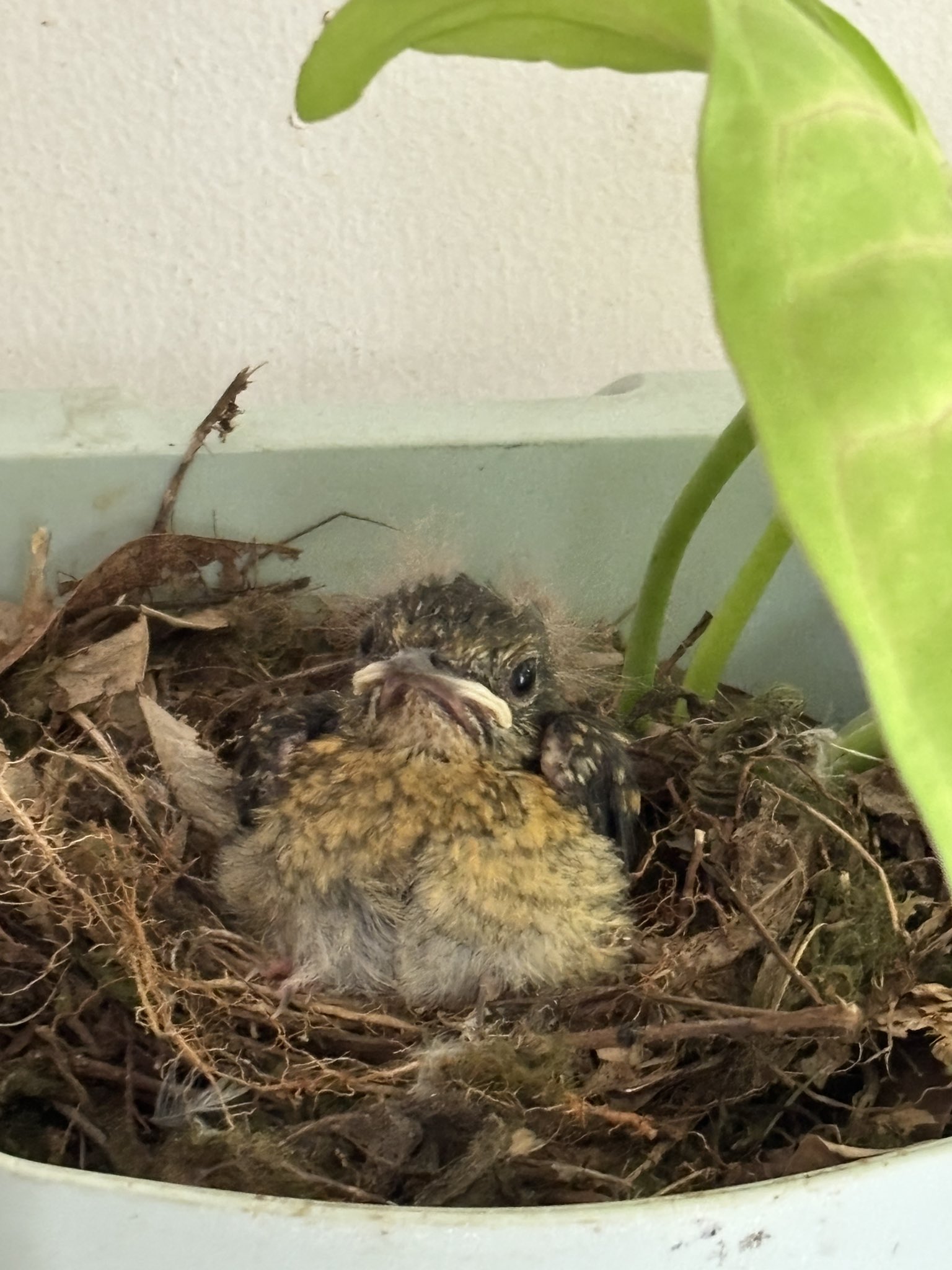
Sometimes birds enter homes searching for a perfect nesting spot. Quiet corners, attics, or unused rooms offer privacy they crave. This instinct is strongest during breeding seasons.
A friend once found a small nest tucked inside their chimney. It was a surprise, but it showed how determined birds are to find safe nesting sites. You can avoid this by sealing off potential nesting areas before spring arrives.
Types Of Birds That Enter Houses
Birds can surprise you by flying into your home, and knowing which types are most likely to enter helps you understand their behavior. Different birds have different reasons for coming inside—some look for food, others shelter. Recognizing the common visitors can make it easier to prevent future surprises.
Sparrows And Swallows
Sparrows and swallows are small, quick birds that often find their way indoors through open windows or doors. They are attracted to bright spaces and may mistake your home for a safe nesting spot. If you’ve noticed fluttering near your kitchen or attic, it might be these birds exploring for shelter or food.
Have you ever caught a sparrow resting on your windowsill, looking for crumbs? These birds are curious and can be persistent, especially during nesting season. Closing windows and sealing gaps can help keep them out.
Pigeons And Doves
Pigeons and doves are larger birds that sometimes wander inside garages or porches. They usually come in search of food or a quiet place to rest. Their calm nature means they might stay still, making you wonder how they got in unnoticed.
Since pigeons are common in urban areas, your home might seem like just another stop on their route. You can discourage them by removing food sources and blocking easy entry points such as open vents or gaps in your walls.
Woodpeckers And Starlings
Woodpeckers and starlings are less common indoor visitors but can cause more trouble. Woodpeckers might peck at your siding or vents, trying to create a nesting hole. Starlings tend to gather in groups and can squeeze through small openings to build nests inside walls or attics.
If you hear tapping or chirping sounds inside your walls, it could be these birds making themselves at home. Regularly inspect your home’s exterior and seal any holes to prevent them from settling in.
Immediate Steps To Remove Birds
Finding a bird inside your home can be surprising and a little stressful. Acting quickly and calmly is key to helping the bird find its way out without harm. Here are immediate steps you can take to safely and effectively remove the bird from your space.
Creating A Safe Exit Path
Start by opening windows and doors that lead outside. Remove any obstacles near these exits so the bird has a clear path to fly out.
Turn off indoor lights and close curtains in other rooms to guide the bird toward the natural light at the exit. This simple setup encourages the bird to move in the right direction.
Avoiding Harm To The Bird
Keep pets and children away from the area to prevent stress or injury. Avoid sudden movements and loud noises that might scare the bird.
Do not try to grab or chase the bird aggressively. Birds are fragile, and rough handling can cause serious harm.
Using Gentle Guidance Techniques
If the bird doesn’t leave on its own, use a soft broom or towel to gently guide it toward the exit. Move slowly and calmly to avoid startling it.
Sometimes, simply standing still near the exit with open arms can encourage the bird to fly out. Have you ever noticed how calm presence can influence animal behavior?
Patience is important here. Give the bird enough time to understand the way out without pressure.
Preventive Measures
Preventive measures help keep birds out of your house. They stop birds from finding easy ways inside. Taking simple steps can protect your home and prevent surprises.
Sealing Entry Points
Check your home for small holes and gaps. Birds can squeeze through tiny spaces. Use caulk, weatherstripping, or foam to close openings. Pay attention to vents, chimneys, and roof edges. Sealing entry points blocks birds from entering.
Installing Screens And Guards
Put screens on windows and doors that open. Use wire mesh or metal guards on vents and chimneys. These barriers let air flow but stop birds. Make sure screens fit tightly without gaps. Guards add an extra layer of protection.
Maintaining Cleanliness
Keep your home and yard clean. Remove bird food sources like seeds and crumbs. Clean up fallen fruit and trash regularly. Birds visit places with easy food. A tidy space makes your home less attractive to birds.

Credit: www.reddit.com
When To Call Professionals
Birds in the house can be tricky to handle alone. Professionals ensure safe removal without harm to the bird or your home. Call them for swift, efficient help when a bird finds its way indoors.
When birds find their way into your home, it can be alarming. Knowing when to call professionals is crucial. Some situations require expert help to ensure the bird’s and your family’s safety. Let’s explore key scenarios where professional intervention is necessary.Dealing With Nesting Birds
Nesting birds inside homes can cause stress and damage. Professionals safely relocate nests. They ensure no harm comes to the birds or your property. This is important for maintaining harmony with wildlife.Handling Injured Or Trapped Birds
An injured or trapped bird may seem frightened and aggressive. Professionals have the tools to handle these situations safely. They can also provide necessary care for the bird’s injuries.Legal Considerations
Some birds are protected by law. Removing them without proper knowledge can lead to legal issues. Professionals understand these laws. They ensure compliance while addressing the bird situation. This avoids potential fines and legal trouble.Frequently Asked Questions
How Do Birds Enter Houses Unexpectedly?
Birds often enter homes through open windows or doors. They may also come in via chimneys or vents. Bright indoor lights or indoor plants can attract them. Understanding entry points helps prevent their accidental visits and keeps your home bird-free.
Why Do Birds Fly Into My Windows?
Birds fly into windows because they see reflections of the sky or trees. They cannot distinguish glass from open space. Using window decals or screens can reduce these collisions and protect both birds and your windows.
What Should I Do If A Bird Is Inside My House?
Stay calm and open all exits like doors and windows. Turn off indoor lights to guide the bird outside. Avoid chasing it; use gentle movements to encourage its exit safely and quickly.
Can Birds Cause Damage Inside The House?
Yes, birds can damage furniture, carpets, and wiring with their claws and droppings. Their presence may also attract parasites or cause unpleasant odors. Prompt removal helps minimize property damage and health risks.
Conclusion
Birds can enter homes through open doors or windows. They seek shelter, food, or accidentally fly inside. Staying calm helps you handle the situation safely. Gently guide the bird toward an exit using light and space. Check your home for gaps or openings to prevent repeats.
Regular home checks keep birds and pests away. Understanding why birds come inside helps you protect your space. Taking simple steps stops unexpected visitors from causing stress. Keep your home bird-free with patience and care.




