
Are you curious if your love birds will lay eggs right inside their cage? You’re not alone.
Many bird owners wonder when and how their feathered friends will start laying eggs. Understanding this can help you create the perfect environment for your birds and ensure they stay healthy and happy. You’ll discover the signs to watch for, what you need to prepare, and how to care for your love birds during this exciting time.
Keep reading—your love birds’ next big step might be closer than you think!

Credit: www.youtube.com
Love Birds And Egg Laying
Love birds are fascinating pets, especially when it comes to their natural behaviors like egg laying. If you keep love birds in a cage, you might wonder if they lay eggs there and how to recognize when this happens. Understanding their egg-laying habits can help you provide the best care and support for your feathered friends.
Breeding Behavior In Captivity
Love birds do lay eggs in captivity, but their breeding behavior depends on the environment you provide. They need a quiet, safe space with a nesting box to feel comfortable enough to lay eggs. Without this, they might show little interest in breeding or laying eggs.
In a cage, the presence of a nesting box is crucial. It mimics their natural nesting habits and encourages them to lay eggs. Keep in mind that stress or constant disturbance can prevent them from feeling secure.
Have you ever noticed your love birds gathering soft materials like paper or feathers? This is a sign they are preparing for breeding. Creating a calm and private area can make a big difference in their behavior.
Signs Of Egg Laying
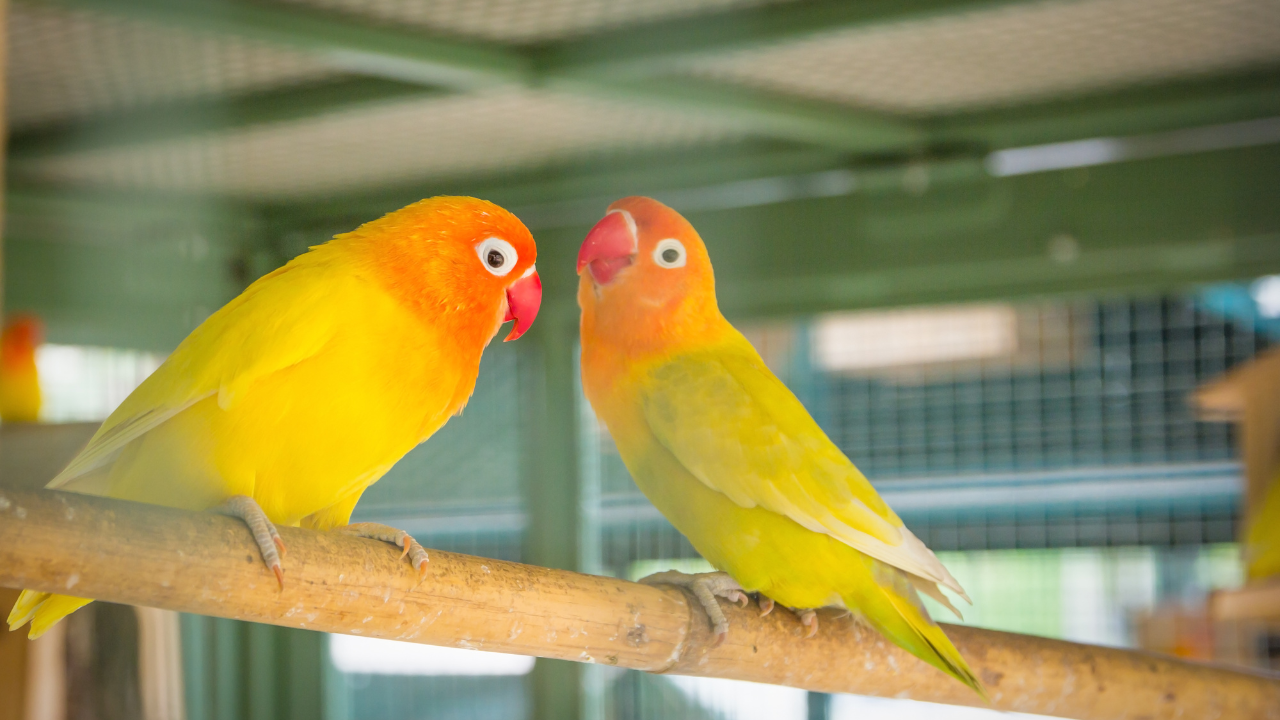
Recognizing when your love bird is about to lay eggs is important for their health and your care routine. One clear sign is a change in behavior, such as increased nesting activity or spending more time in the nesting box.
Physical signs include a slight swelling near the vent and a more rounded belly. You might also see your female love bird becoming more territorial or restless. Keep an eye out for these signals to provide extra support.
If you notice your bird laying eggs, remember they may need extra calcium and proper nutrition. Are you ready to adjust your care to support this new stage in their life?
Credit: pethelpful.com
Ideal Cage Conditions
Creating the ideal cage conditions is key for love birds to feel safe and ready to lay eggs. The cage must support their natural behaviors and provide comfort. Proper size, setup, and nesting materials influence their willingness to breed.
Size And Setup
The cage should be spacious enough for two love birds to move freely. A minimum size of 24 inches long, 18 inches wide, and 18 inches high works well. Place perches at different heights to encourage activity. Avoid overcrowding the cage with toys or accessories. Keep the cage in a quiet, calm area away from direct sunlight and drafts.
Nesting Materials
Love birds need soft, safe materials to build their nest. Provide natural options like coconut fiber, shredded paper, or dried grass. Avoid synthetic or sharp materials that can hurt the birds. Place the nesting materials inside a wooden or plastic nest box attached to the cage. Change the materials regularly to keep the nest clean and inviting.
Diet And Health For Egg Production
Healthy diet plays a key role in love birds’ egg production. Proper nutrition supports their energy, growth, and reproduction. Without good food, birds may not lay eggs or can have weak eggs. Balanced meals help maintain strong health and boost fertility. Understanding diet needs helps keep love birds happy and productive.
Nutrition Needs
Love birds need a mix of seeds, fruits, and vegetables. Seeds provide fats and proteins. Fresh fruits like apples and berries add vitamins. Vegetables such as spinach and carrots supply minerals and fiber. Calcium is vital for eggshell strength. Cuttlefish bone or crushed eggshells make good calcium sources. Water must be clean and available all day. Variety in diet prevents nutrient shortages and keeps birds active.
Supplements For Breeding
Sometimes natural food lacks certain nutrients for breeding. Vitamin supplements can fill these gaps. Vitamin D helps calcium absorption, essential for eggshells. Minerals like phosphorus and magnesium support bird health. Use supplements carefully; too much can harm birds. Consult a vet for safe options. Protein supplements aid in egg formation and chick growth. Proper supplements improve breeding success and bird vitality.
Egg Laying Frequency And Patterns
Lovebirds often lay eggs in cages if they feel safe and comfortable. Understanding their egg laying frequency and patterns helps in proper care. These birds have natural rhythms that guide when and how often they lay eggs. Knowing these details aids in monitoring their health and well-being.
Typical Clutch Size
Lovebirds usually lay between 4 to 6 eggs per clutch. Each egg is small, white, and smooth. The number can vary based on the bird’s age and health. Sometimes, a clutch may have as few as 2 or as many as 8 eggs. Most lovebirds lay all their eggs within a week.
Egg Laying Cycle
Lovebirds lay one egg every day or every other day. After the clutch is complete, the female starts incubating the eggs. Incubation lasts about 21 to 23 days. During this time, egg laying usually stops. The cycle may repeat every few months if conditions stay right.
Care For Eggs And Hatchlings
Caring for lovebird eggs and hatchlings in a cage requires attention and patience. You need to create a calm and safe environment that supports healthy growth. Understanding the incubation period and parental care will help you provide the best conditions for your birds.
Incubation Period
The incubation period for lovebird eggs usually lasts about 21 to 23 days. During this time, the female mostly sits on the eggs to keep them warm. You should avoid disturbing the nest to prevent stress, which can affect the eggs’ development.
Maintaining a stable temperature around 75-80°F (24-27°C) is crucial. If you notice the parents are not consistently warming the eggs, you might need to use a heat source carefully. Do you monitor the warmth inside your cage regularly?
Parental Care
Once the eggs hatch, both parents play a role in feeding and protecting the chicks. They regurgitate food to feed the hatchlings, so ensure they have a nutritious diet to support this effort. Fresh fruits, vegetables, and quality pellets help keep the parents strong.
Keep the cage clean but avoid sudden changes that might scare the birds. Watching the parents interact with their babies offers valuable insights into their behavior and well-being. Have you noticed how attentive your lovebirds become when caring for their young?
Common Challenges In Cage Breeding
Cage breeding often faces issues like limited space and stress, which can affect egg laying. Love birds may hesitate to lay eggs in small or noisy cages. Proper care and a calm environment help encourage healthy breeding habits.
Breeding lovebirds in a cage presents unique challenges that can surprise even the most experienced bird enthusiasts. While it might seem straightforward, ensuring successful breeding requires understanding and addressing specific issues. By being aware of these challenges, you can provide the best environment for your feathered friends.Egg Binding Issues
Egg binding is a serious condition where a bird cannot pass an egg. This can be life-threatening if not addressed quickly. Lovebirds in cages are more prone to this due to limited exercise and a lack of natural stimuli. To help prevent this, ensure your birds have a balanced diet rich in calcium and provide ample space for movement. Are you familiar with the signs of egg binding? Watch for symptoms like lethargy, difficulty breathing, and a swollen abdomen. If you notice these, consult a vet immediately.Stress Factors
Stress is another common challenge in cage breeding. Lovebirds are sensitive creatures, and changes in their environment can cause significant stress. Noise, excessive handling, or even the presence of other pets can upset them. It’s crucial to maintain a calm and stable environment for your birds. Consider this: Have you created a peaceful space for your lovebirds? Simple changes like reducing noise levels and minimizing disruptions can make a big difference. By understanding these challenges, you can take proactive steps to ensure the well-being of your lovebirds during the breeding process.When To Consult A Vet
Lovebirds often lay eggs in their cage, but signs like lethargy or egg binding need vet care. Seek a vet if eggs cause discomfort or unusual behavior. Early help ensures your bird stays healthy and safe.
When your beloved love birds start laying eggs in their cage, it can be an exciting time. However, it’s crucial to know when it’s time to consult a vet. Ensuring your birds’ health and well-being during this period is vital. Spotting early warning signs and taking preventive care measures can make all the difference.Health Warning Signs
Even if your love birds seem healthy, subtle signs might indicate the need for professional help. If you notice your bird appearing unusually lethargic, not eating, or losing weight, these are red flags. Also, look for signs of respiratory distress, such as wheezing or sneezing. Sometimes, birds might pluck their feathers or show signs of stress when something’s wrong. Trust your instincts. If your love bird’s behavior seems off, it’s better to be cautious and seek a vet’s opinion.Preventive Care
Preventive care is your first line of defense to ensure your love birds lay eggs safely. Regular check-ups with a vet familiar with avian care can help keep potential issues at bay. A balanced diet rich in calcium is crucial during egg-laying periods. Consider adding cuttlebone or mineral blocks to their diet to bolster their calcium intake. Maintaining a clean and stress-free environment is just as essential. Have you ever thought about the impact of their cage placement? A quiet, low-traffic area can provide the comfort they need during this sensitive time. Engaging with your birds daily can help monitor their health and well-being.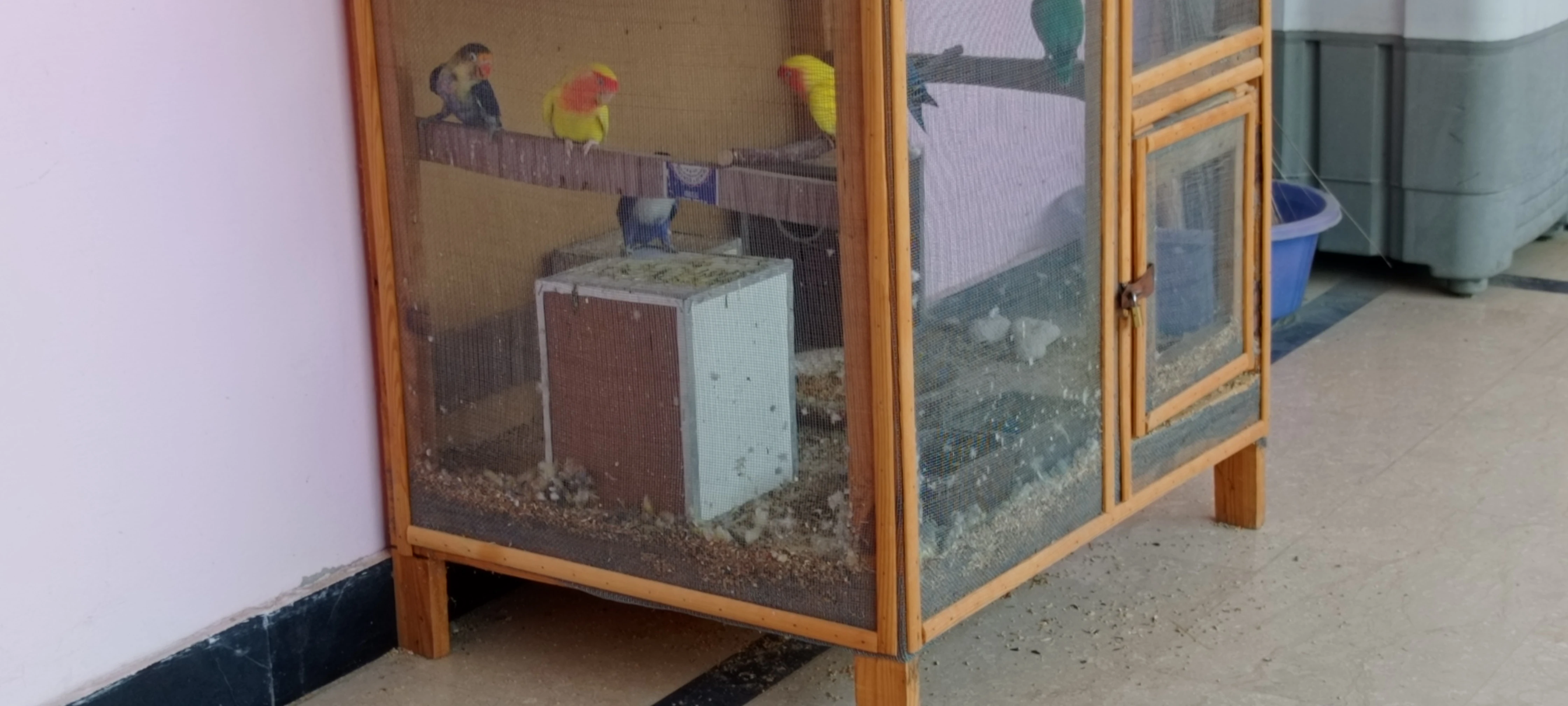
Credit: titanspet.pk
Frequently Asked Questions
Do Love Birds Lay Eggs In Cages?
Yes, love birds can lay eggs in cages if the environment is comfortable. Proper nesting materials and a quiet space encourage egg-laying. Ensure the cage is spacious and safe for their well-being.
How Often Do Love Birds Lay Eggs In Captivity?
Love birds typically lay eggs every 2 to 3 weeks during breeding season. The female usually lays 4 to 6 eggs per clutch. Proper care and nutrition affect their laying frequency in captivity.
What Conditions Promote Egg-laying In Caged Love Birds?
Warm temperature, privacy, and a secure nest box promote egg-laying. Provide fresh food, clean water, and minimal disturbances. A stress-free environment helps love birds feel safe to lay eggs.
Can Love Birds Lay Eggs Without A Mate In Cages?
Yes, female love birds can lay infertile eggs without a mate. This is common in captivity and does not result in chicks. It’s a natural hormonal response even without fertilization.
Conclusion
Love birds can lay eggs in a cage if they feel safe and comfortable. Provide a quiet space with a proper nest to encourage egg-laying. Healthy food and fresh water help keep birds strong and ready. Watch their behavior closely to know when eggs might appear.
Caring well for love birds supports their natural habits. With patience and care, you can enjoy watching their family grow. Remember, each bird is unique and may lay eggs at different times. Keep learning and caring for your birds every day.




