
Have you ever noticed a clever crow visiting your bird feeder and wondered why it’s there? You might think bird feeders are just for small songbirds, but crows have their own reasons for dropping by.
Understanding why these intelligent birds come to your feeder can change the way you see your backyard visitors. You’ll discover what attracts crows, how to welcome or deter them, and what their presence means for your bird-feeding experience. Keep reading to unlock the secrets behind these fascinating birds and your bird feeder.
Credit: www.outdoorguide.com
Crow Behavior At Feeders
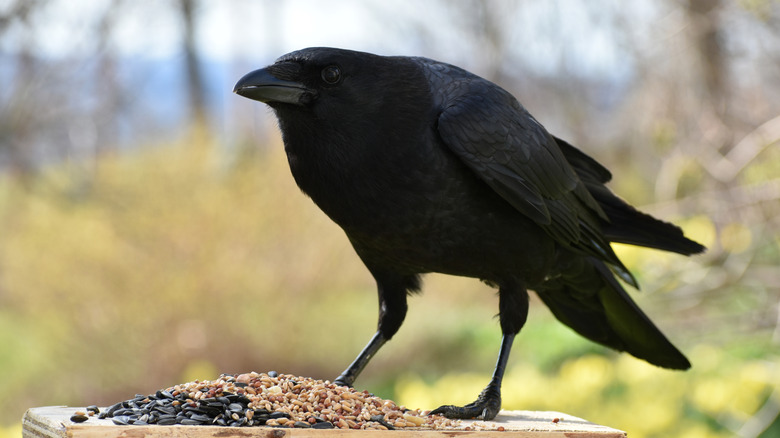
Crows are smart birds known for their curiosity and adaptability. They often visit bird feeders, but their behavior differs from smaller songbirds. Understanding how crows act at feeders helps attract them and keep other birds safe.
Feeding Habits Of Crows
Crows are opportunistic eaters. They eat a wide variety of foods, both plant and animal-based. At feeders, they are quick and bold. They may take food and fly away to eat in a quiet spot. Crows also use their strong beaks to break hard shells.
Preferred Food Types
Crows enjoy nuts, seeds, and grains. They like peanuts, sunflower seeds, and corn the most. Crows also eat fruits like berries and apples. They avoid sugary or processed foods. Offering natural, high-protein foods attracts crows more effectively.
Feeder Visit Patterns
Crows visit feeders mostly during the day, especially in the morning and late afternoon. They come in small groups or pairs. Crows often watch the feeder area before landing. Their visits can be short but frequent. They prefer feeders that allow easy access and space.

Credit: www.reddit.com
Attracting Crows To Feeders
Attracting crows to your bird feeders can be an exciting way to observe these intelligent birds up close. Crows are curious and adaptable, but they have specific preferences when it comes to feeders, food, and placement. Understanding these preferences can help you create a welcoming spot that crows will visit regularly.
Best Feeder Designs
Crows prefer feeders that allow easy access and plenty of space. Platform feeders work best because they provide a flat surface where crows can comfortably land and eat. Avoid small tube feeders designed for tiny birds—they are frustrating for crows and often ignored.
Another option is tray feeders with raised edges, which help keep food from spilling. You might notice crows favor feeders that are sturdy and open rather than enclosed. This setup gives them a clear view of their surroundings while they eat.
Ideal Food Choices
Crows have varied diets but show a strong preference for high-protein and high-fat foods. Peanuts (shelled or unshelled), sunflower seeds, and corn kernels are top choices. You can also try offering unsalted meat scraps or cooked eggs, which attract crows quickly.
It’s important to avoid processed or sugary foods, as these won’t appeal to crows and can harm their health. Have you ever noticed crows picking through trash? Giving them better food options at feeders can keep them coming back to your yard instead.
Placement Tips
Where you put your feeder affects how often crows visit. Place it in a quiet area with some nearby trees or tall structures. Crows like to perch close by, so they can watch for danger while enjoying their meal.
Avoid placing feeders too close to busy human activity or noisy areas. You might find success by positioning feeders about 10 to 15 feet from a tree or fence where crows can rest. Have you tried moving your feeder to different spots to see where crows feel safest?
Common Misconceptions
Many people have strong opinions about crows visiting bird feeders, but not all of them are based on facts. Misunderstandings about crow behavior often lead to unnecessary fear or frustration. Let’s clear up some common misconceptions so you can enjoy watching these clever birds without worry.
Are Crows Aggressive At Feeders?
Crows can appear bold, but they aren’t usually aggressive at bird feeders. They tend to be confident because they are intelligent and know how to get food efficiently. Most of the time, they wait patiently or take turns rather than fighting other birds.
If you’ve seen crows chase smaller birds, it might look aggressive, but often it’s just competition for food or space. You can manage this by offering plenty of food and different types of feeders. This helps reduce tension and keeps all your visitors happy.
Do Crows Scare Other Birds?
It’s true that crows are larger and noisier, so some smaller birds might stay away when crows show up. But crows don’t actively scare other birds just for fun. They’re more interested in eating and keeping their spot at the feeder.
Try placing feeders in different spots if you want to attract a variety of birds. You might notice that some birds are more sensitive to crow presence, while others don’t mind sharing the space at all.
Crow Intelligence And Adaptability
Crows are known for their remarkable intelligence. They can solve puzzles, remember faces, and even use tools. This adaptability helps them find food in many environments, including your backyard feeder.
Because they are so smart, crows can learn which feeders are easy to access. You might even notice they recognize your routine and come when you fill the feeder. Their intelligence means you can enjoy watching some of the most fascinating behavior in the bird world right outside your window.
Benefits Of Feeding Crows
Feeding crows at your bird feeder offers more than just a chance to enjoy their clever antics. It creates a unique connection between you and these intelligent birds, while also contributing positively to your local ecosystem. Understanding the benefits can motivate you to welcome crows into your backyard and observe their fascinating behaviors up close.
Ecological Impact
Crows play a vital role in maintaining a balanced ecosystem. They help control pest populations by eating insects, small rodents, and carrion. By providing food at your feeder, you support their energy needs, especially in harsh seasons, which helps sustain their role in nature.
Have you noticed how crows clean up waste and leftovers around your neighborhood? Their scavenging habits reduce disease risks and help keep the environment tidy. Feeding them encourages this natural service, benefiting your surroundings in subtle but important ways.
Crow Behavior Observation
Watching crows at your feeder can be a rewarding experience. These birds display remarkable problem-solving skills and social interactions. You might see them using tools or communicating with each other using distinct calls.
Feeding crows allows you to notice these behaviors up close. You may even recognize individual crows by their unique markings or personalities. How often do you get to witness such intelligent wildlife daily?
Supporting Local Wildlife
Your bird feeder can become a mini wildlife hub when you include crows. They attract other species like squirrels and smaller birds, creating a lively and diverse backyard community. This diversity enriches your outdoor space and encourages a healthier habitat.
By feeding crows, you also help them survive during tough times when natural food is scarce. This support strengthens your local wildlife population and increases the chances of seeing these fascinating birds year-round. What steps can you take today to make your garden more welcoming to crows?
Challenges And Solutions
Crows are smart and strong birds. They often visit bird feeders, but their presence can cause problems. These challenges affect other birds and the feeder itself. Finding good solutions helps keep peace among all visitors. It also protects the feeder and food. Here are some common challenges and ways to solve them.
Managing Crow Dominance
Crows can scare away smaller birds. They are loud and bold. To reduce crow dominance, try these tips:
- Use feeders with smaller perches to limit crow access.
- Place feeders near shrubs or trees where small birds can hide.
- Feed crows separately with corn or peanuts away from main feeders.
These steps help smaller birds feel safe. They also reduce crow bullying at feeders.
Preventing Feeder Damage
Crows have strong beaks that can break feeders. They may pull at parts or knock feeders down. Protect feeders with these ideas:
- Choose metal or heavy-duty feeders instead of plastic ones.
- Secure feeders firmly with strong hooks or chains.
- Add baffles or guards to keep crows from reaching feeder parts.
Strong feeders last longer and keep food clean. This saves money and time.
Balancing Crow And Other Birds’ Needs
All birds deserve food and safety at feeders. Balance their needs by:
- Offering different types of food for various species.
- Setting up multiple feeders in different spots.
- Changing feeding times to reduce crowding.
This creates a friendly space for crows and smaller birds alike. Everyone gets a chance to eat without stress.

Credit: www.reddit.com
Frequently Asked Questions
Do Crows Visit Bird Feeders Often?
Yes, crows do visit bird feeders, especially those offering nuts, seeds, and suet. They are intelligent and adapt to feeder types.
What Food Attracts Crows To Bird Feeders?
Crows are attracted to peanuts, sunflower seeds, corn, and suet. These high-energy foods encourage regular feeder visits.
Can Crows Scare Away Smaller Birds At Feeders?
Yes, crows’ large size and loud calls can intimidate smaller birds. They may dominate feeders, causing other birds to avoid them.
How Can I Make My Feeder Crow-friendly?
Offer large seeds and nuts, provide open platforms, and avoid overcrowding. This setup encourages crows while balancing other bird visits.
Conclusion
Crows often visit bird feeders to find easy food. They enjoy a variety of seeds and nuts. These birds are smart and curious by nature. You can see them around your garden often. Feeding crows can bring more life to your yard.
Just remember to keep the feeder clean and safe. Watching crows can be a fun experience. They add excitement to bird watching at home. Try offering food that attracts many types of birds. Crows at feeders show nature’s clever and social side.




