
Imagine stepping outside your door and hearing the cheerful songs of birds from every corner of your garden. You might wonder how to invite more of these beautiful creatures to your space.
The secret is simple: providing a house for every bird. When you create the right homes, you don’t just attract birds—you welcome life, color, and joy into your surroundings. You’ll discover easy ways to build or choose birdhouses that suit different types of birds.
Get ready to transform your outdoor space into a lively bird paradise that you’ll love watching every day.
Choosing The Right Birdhouse
Choosing the right birdhouse helps attract birds safely to your garden. The perfect home meets their needs and encourages nesting. Consider bird species, materials, and size for the best fit. This makes a welcoming space for birds to raise their young.
Matching Bird Species To Nesting Homes
Different birds prefer different types of homes. Small birds like wrens need tiny entrances. Bluebirds like houses with a 1.5-inch opening. Larger birds require bigger entrances and deeper nests. Research local birds to know their preferences. This helps you build or buy the right house.
Materials And Durability
Wood is the best material for birdhouses. It breathes and insulates well. Avoid metal or plastic, as these can overheat. Cedar and pine resist weather and last longer. Ensure the house has drainage holes to keep it dry. A durable birdhouse protects birds from rain and wind.
Size And Dimensions
Birdhouses must fit the bird’s size comfortably. Small birds need houses about 5-6 inches wide and deep. Larger birds need bigger houses with wider entrances. The roof should extend to keep rain away. Proper size helps birds feel safe and secure inside.
Design Features For Comfort
A comfortable birdhouse offers more than just shelter. It must cater to the needs of its feathered visitors. Thoughtful design keeps birds safe, dry, and cozy. Small details make a big difference in their comfort and survival. Here are key features to consider.
Entrance Hole Sizes
Birds need the right hole size to enter easily. Too big invites predators; too small blocks access. Different species prefer specific hole diameters. For example:
- Small birds like chickadees prefer 1 1/8 inches
- Wrens use holes about 1 inch wide
- Larger birds like bluebirds need 1 1/2 inches
Correct hole size ensures only the target bird can enter.
Ventilation And Drainage
Proper air flow prevents overheating inside the house. Small vents near the top allow fresh air to circulate. Drainage holes at the bottom stop water from pooling. Both features keep the nest dry and cool. This reduces mold and keeps birds healthy.
Predator Protection
Birdhouses must keep predators out. Metal or wooden guards around the entrance stop squirrels and raccoons. Mounting houses on poles with baffles can block climbing animals. A safe home means birds can raise their young without danger.
Placement Tips For Success
Placing a birdhouse correctly can make all the difference in attracting feathered friends to your yard. It’s not just about hanging the house anywhere; thoughtful placement encourages birds to stay and thrive. Here are some key tips to help you find the perfect spot for your birdhouse.
Ideal Height And Location
Choose a height that matches the bird species you want to welcome. Smaller birds like chickadees prefer houses 5 to 10 feet above the ground, while larger birds like owls need them higher, around 10 to 20 feet.
Place the birdhouse away from high-traffic areas in your yard. A quiet corner near trees or shrubs provides safety and comfort. Have you noticed how birds seem more relaxed when their homes are tucked away?
Orientation And Sunlight
Face the birdhouse entrance away from prevailing winds to keep the interior dry and warm. East or southeast-facing entrances catch gentle morning sun without overheating in the afternoon.
Avoid direct afternoon sun, especially in hot climates, to protect young birds from heat stress. Think about how the sun moves during the day, and choose a spot where shade balances warmth naturally.
Avoiding Disturbances
Keep the birdhouse out of reach from predators like cats and squirrels by mounting it on a smooth pole or using predator guards. Avoid placing it near noisy equipment or areas with frequent human activity.
Have you ever seen birds abandon nests after repeated disturbances? Minimizing noise and movement around the birdhouse encourages birds to settle and raise their young safely.
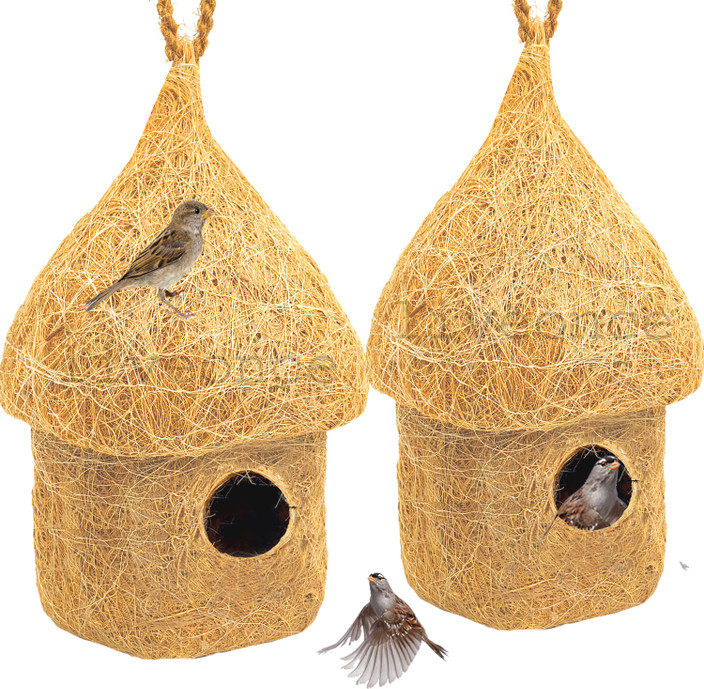
Credit: www.flipkart.com
Maintenance And Cleaning
Keeping birdhouses clean and well-maintained is key to providing a safe and comfortable home for your feathered visitors. Regular care helps prevent disease, pests, and structural damage that could harm birds or shorten the life of the birdhouse. Let’s look at practical ways you can keep your birdhouses in top shape throughout the year.
When To Clean
Timing your cleaning is crucial. Ideally, clean your birdhouse after the breeding season ends, usually in late summer or early fall. This prevents disturbing any nesting birds and removes old nests that could harbor parasites.
Check the birdhouse periodically during the season if you notice signs of mites or other pests. Don’t wait too long—early intervention keeps your birds healthy. Have you noticed any unusual smells or debris around your birdhouse? Those are good signals it’s time to clean.
Safe Cleaning Practices
Use gentle methods to avoid harming the birdhouse or its future inhabitants. Wear gloves and a mask to protect yourself from dust and potential allergens. Remove old nesting material with a brush or scraper, then wash the interior with a mild bleach solution (1 part bleach to 9 parts water).
Rinse thoroughly and let the birdhouse dry completely in the sun before rehanging it. Avoid harsh chemicals or high-pressure washing, which can damage wood or paint. Remember, your goal is to create a clean but natural environment that birds will want to return to.
Seasonal Care
Winter can be tough on birdhouses. Check for cracks or loose parts before cold weather sets in, and repair any damage promptly. A well-sealed birdhouse keeps birds protected from harsh winds and moisture.
Spring is the perfect time to do a thorough inspection and freshen up the birdhouse. Add fresh nesting materials nearby to encourage birds to settle in. How often do you pause to inspect your birdhouses? Small seasonal efforts can make a big difference in your backyard’s bird life.
Attracting Different Bird Species
Different bird species prefer varied homes to feel safe and comfortable. Providing a mix of nest boxes and natural shelters invites many birds to visit your garden. Each bird finds its perfect spot when you offer a variety of house styles and sizes.
Attracting various bird species to your garden creates a lively environment. Birds bring color, sound, and joy. They also help control pests. To attract diverse species, consider their specific needs. Cater to their preferences for shelter, food, and water.Native Birds And Their Preferences
Native birds feel more comfortable with familiar habitats. They prefer local plants and trees. Planting native flora provides them with natural food sources. Native shrubs and trees also offer shelter and nesting sites. Research the native birds in your area. Understand their specific needs and preferences.Using Food And Water
Food and water are essential to attract birds. Different species have varied dietary needs. Some prefer seeds, while others like fruits or insects. Offer a variety of bird feeders. Include seed, suet, and nectar feeders. Keep fresh water available in bird baths. Ensure the water is clean and shallow.Creating A Bird-friendly Habitat
A bird-friendly habitat requires thoughtful planning. Include diverse plants for shelter and food. Avoid using pesticides and chemicals. These can harm birds and insects. Provide nesting boxes for cavity-nesting birds. Place them at safe heights away from predators. Maintain a natural landscape with logs and rocks. These elements encourage insects for birds to feed on.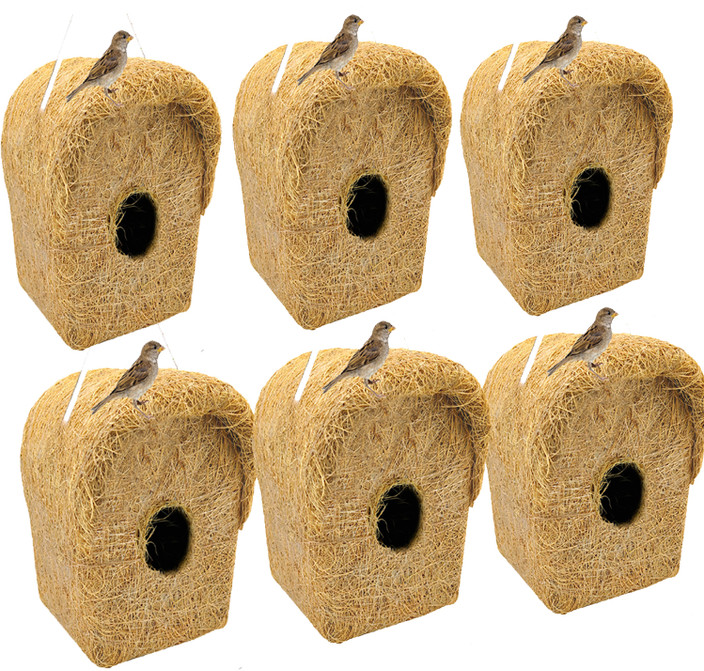
Credit: www.flipkart.com
Diy Birdhouse Projects
Building your own birdhouse can be a rewarding project that invites nature right to your backyard. DIY birdhouse projects allow you to connect with wildlife and create a cozy home for feathered friends. Whether you’re a beginner or looking to tailor a design, there’s a perfect approach for you.
Simple Designs For Beginners
Starting with simple birdhouse designs helps you gain confidence. Basic structures usually involve a rectangular box with a hole for entry and a slanted roof to keep rain out.
Use easy-to-find materials like untreated wood and basic tools such as a hammer and nails. You can complete a simple birdhouse in a few hours, making it a perfect weekend activity.
Have you thought about how even a small effort like this can make a big difference for local birds seeking shelter?
Using Recycled Materials
Recycled materials offer an eco-friendly way to build birdhouses and reduce waste. Old wooden crates, scrap wood, or even repurposed furniture pieces can be transformed into charming homes for birds.
One person turned an old drawer into a birdhouse by adding a small hole and mounting it on a tree. This not only saved materials but added a unique touch to the garden.
What everyday items in your home could you give a second life as a birdhouse?
Customizing For Specific Birds
Different bird species prefer different types of homes. Tailoring your birdhouse to the needs of specific birds can increase the chances of occupancy.
- Size of entrance hole:Smaller holes (1 to 1.5 inches) attract chickadees and wrens, while larger holes suit bluebirds.
- Dimensions:The interior size should match the bird’s nesting habits.
- Placement:Some birds prefer houses mounted on poles, others on trees or buildings.
Have you noticed which birds visit your yard? Customizing might invite new species you’ve never seen before.
Common Challenges And Solutions
Finding the right size and design for different birds can be tricky. Using simple materials and placing houses safely helps birds feel secure and welcome.
Building a house for every bird isn’t just about aesthetics and location. It’s about tackling real-world challenges to ensure our feathered friends are safe and sound. Whether it’s keeping unwanted visitors at bay or ensuring nests are cozy, each challenge demands a practical solution. Let’s dive into some common issues and how you can address them effectively.Dealing With Pests
Birdhouses often attract pests like ants, wasps, and even snakes. These unwelcome guests can disturb or harm the birds. Regularly inspect your birdhouses for signs of pests. Consider using natural deterrents like peppermint oil to ward off ants. Ensure there’s no food or water source nearby that might attract them. Keeping the area clean is vital.Preventing Nest Competition
Birds can sometimes compete for the same nesting spot, leading to conflict. Ensure your birdhouses cater to different species by varying the entrance hole sizes. This can help minimize competition. Place birdhouses at different heights and locations. This provides options for different bird preferences. Are there enough choices for the variety of birds in your area?Weatherproofing Tips
Weather can be unpredictable, and it’s crucial to protect birdhouses from harsh conditions. Use water-resistant materials or apply a non-toxic sealant to keep moisture out. Ensure the roof has a slight overhang to shield the entrance from rain. Ventilation holes are essential to prevent overheating during warmer months. Are your birdhouses ready for changing seasons? By addressing these challenges, you not only enhance the survival chances of birds but also create a thriving environment for them to flourish.
Credit: books.apple.com
Frequently Asked Questions
What Types Of Birdhouses Suit Different Bird Species?
Different bird species prefer specific birdhouse sizes and entrance holes. Small birds like wrens need tiny entrances, while larger birds like bluebirds need bigger ones. Choosing the right birdhouse improves nesting success and attracts diverse birds to your garden.
How To Maintain A Birdhouse For Long-term Use?
Clean birdhouses annually to remove old nests and parasites. Use mild soap and water, then rinse thoroughly. Check for damage and repair cracks. Proper maintenance ensures a safe, healthy environment for birds every season.
Where Is The Best Place To Install A Birdhouse?
Place birdhouses in quiet, sheltered areas away from predators. Mount them 5-10 feet above ground on trees or poles. Face the entrance away from prevailing winds to protect birds from harsh weather.
Can Birdhouses Help Bird Conservation Efforts?
Yes, birdhouses provide safe nesting sites in urban areas where natural cavities are scarce. They support breeding success and help maintain bird populations, contributing positively to local biodiversity and conservation efforts.
Conclusion
Birdhouses give birds a safe place to live and raise young. Each bird needs a different kind of home. By providing various houses, you help many bird species thrive. Watching birds visit your yard brings joy and peace. Small efforts create big changes for nature around us.
Build or buy a birdhouse today. Enjoy the beauty and sounds of birds nearby. Simple actions make your garden a bird-friendly space. Every bird deserves a home. Why not give them one?




