
Have you ever been startled by a bird suddenly crashing into your window or tapping fiercely on a mirror? It’s not just random behavior—there’s a surprising reason behind it.
If you’ve wondered why birds attack windows and mirrors around your home, you’re not alone. Understanding this curious habit can help you protect both your feathered visitors and your glass surfaces. Keep reading to discover what’s really going on and how you can stop these unexpected bird battles before they start.
Bird Vision And Reflections
Birds often attack windows and mirrors because they see their reflections. Their vision plays a big role in this behavior. Understanding how birds see reflections helps explain why they react this way.
This article looks at two key ideas: how birds see reflections and why mirrors can trigger territorial responses.
How Birds See Reflections
Birds have sharp eyesight and can spot reflections on glass surfaces. They often mistake these reflections for real birds or open spaces. This can confuse them and cause them to fly toward windows or mirrors.
- Birds see bright reflections as other birds.
- They cannot tell the difference between glass and open air.
- Reflections can look like safe spaces or rivals.
- This causes birds to attack or try to pass through.
Mirrors As Territorial Triggers
Mirrors can show birds their own image, which they see as a rival. This triggers their territorial instincts. Birds may attack the mirror to defend their space from the “intruder.”
| Behavior | Cause |
| Pecking at mirrors | Seeing own reflection as rival |
| Singing or calling loudly | Trying to warn off the reflection |
| Repeated attacks | Defending territory from perceived threat |
| Increased stress | Confusion over mirror image |
Territorial Behavior Explained
Birds often attack windows and mirrors because they see their reflection. They think another bird is in their space. This behavior is linked to how birds protect their territory.
Territorial behavior helps birds keep their area safe. It gives them space to find food and raise young. Understanding why birds act this way can explain why they hit glass surfaces.
Why Birds Defend Their Territory
Birds guard their territory to keep other birds away. This space has food, shelter, and nesting spots. When they see a reflection, they think an intruder is there.
By attacking windows and mirrors, birds try to scare off the rival. This helps them keep control of their area. The reflection looks like a real bird, so they act to protect their home.
Seasonal Aggression And Mating
Birds become more aggressive during breeding season. They want to find a mate and keep their nest safe. This makes them more likely to attack reflections.
During mating time, birds defend their territory strongly. They see reflections as threats to their chance to reproduce. This causes more frequent window and mirror attacks.
Window Characteristics That Attract Birds
Birds often hit windows because they see something they want to reach. Certain window features make this problem worse. Understanding these features helps reduce bird collisions.
This article explains two main window traits that attract birds: transparency and reflected scenery, and how light and angle affect bird behavior.
Transparency And Reflected Scenery
Windows can look like open space or a safe place. Birds see through transparent glass and try to fly through. They do not realize it is a solid barrier.
Reflections on windows show trees, sky, and plants. Birds think these reflections are real and try to reach them. This causes them to fly into the glass.
- Clear glass looks like open air
- Reflected trees and sky confuse birds
- Birds cannot tell glass from real space
Light And Angle Effects
Light changes how windows look at different times. Bright sunlight can make glass very reflective or nearly invisible. Birds react to these changes.
The angle of the window also matters. Some angles reflect more sky and trees. Others show more inside of the house. These views affect bird behavior.
- Direct sunlight increases reflections
- Low light makes glass see-through
- Window angle changes what birds see

Credit: www.thenewstribune.com
Common Bird Species Involved
Birds sometimes attack windows and mirrors. They see their reflection or think the space is open. Some bird species are more aggressive than others.
This behavior usually happens during breeding or territorial seasons. Knowing which birds attack helps to understand their actions better.
Aggressive Bird Types
Certain birds are known for their aggressive nature near reflective surfaces. These birds try to chase away what they see as rivals.
- Territorial birds like robins and cardinals often attack windows.
- Crows and magpies can be bold and aggressive toward mirrors.
- Male hummingbirds defend their space fiercely during mating season.
- Woodpeckers may peck at glass due to their natural behavior.
Species Most Likely To Attack
| Bird Species | Reason for Attacking | Typical Season |
| American Robin | Defending territory from reflection | Spring |
| Northern Cardinal | Chasing off rival males | Early Spring |
| Common Grackle | Confused by shiny surfaces | Year-round |
| Anna’s Hummingbird | Protecting feeding areas | Spring and Summer |
| Downy Woodpecker | Pecking at reflections or light spots | Fall and Winter |
Consequences Of Window Attacks
Birds often fly into windows and mirrors because they see reflections of the sky or trees. These collisions can cause serious problems for both birds and property owners.
Understanding the consequences of these window attacks helps us find better ways to protect birds and reduce damage.
Injury Risks To Birds
Birds that hit windows or mirrors often get hurt or die. The glass is hard and clear, so birds do not see it as a barrier. Here are common injuries they may suffer:
- Broken wings or legs
- Head trauma or concussions
- Internal injuries that are not visible
- Stress and shock from the impact
- Death if injuries are severe
Damage To Property
Window attacks by birds can also lead to property damage. Birds may leave marks or break parts of the glass. The following table shows common types of damage and their causes.
| Type of Damage | Cause | Effect |
| Feather and blood stains | Birds hitting the glass | Hard to clean, affects window look |
| Cracks or chips | Strong impact from bird’s body | Weakens glass, may need replacement |
| Broken window panes | Large birds or repeated hits | Costly repairs and safety issues |
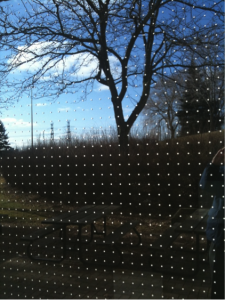
Credit: www.michiganaudubon.org
Preventing Bird Collisions
Birds often fly into windows and mirrors. They see reflections and think it is open space. This can hurt the birds. We need to prevent these collisions.
There are ways to stop birds from hitting windows. Simple changes can make a big difference. Here are some helpful ideas.
Window Treatments And Decals
Window treatments can help stop bird collisions. Decals break up reflections, making it safer for birds. They see the decals and avoid the window.
Patterns on windows work well. They are easy to apply and come in many designs. This makes them a popular choice.
- Use stripes or dots every 2 inches
- Try bird silhouette decals
- Apply UV reflective stickers
Environmental Modifications
Changing the area around windows helps prevent collisions. Moving feeders and birdbaths can reduce risks. Birds won’t fly toward windows as much.
Planting trees or shrubs near windows is effective. They act as barriers and provide a safe environment for birds.
- Place feeders within 3 feet of windows
- Use external window screens
- Install awnings or overhangs
Behavioral Tips For Bird Safety
Birds sometimes attack windows and mirrors because they see their own reflection. This can lead to injury for the bird. Simple changes can help keep birds safe.
Understanding bird behavior is the first step. By learning how to reduce threats, you can create a safer environment for them.
Reducing Attractants
Birds are drawn to reflections that look like open spaces or other birds. Reducing these attractants can help prevent window strikes.
- Use decals or stickers on windows to break up reflections.
- Close curtains or blinds when not in use.
- Move indoor plants away from windows.
Timing Outdoor Activities
Birds are most active at certain times of the day. Timing your outdoor activities can reduce disturbances.
| Time of Day | Bird Activity |
| Early Morning | High |
| Midday | Low |
| Evening | Moderate |

Credit: www.reddit.com
Frequently Asked Questions
Why Do Birds Attack Windows And Mirrors?
Birds attack windows and mirrors because they see their reflections as rivals. They try to defend their territory from these perceived intruders. This behavior is common during mating season when birds are more territorial.
How Can I Prevent Birds From Hitting My Windows?
Use window decals, films, or external screens to break reflections. Position feeders away from windows to reduce bird collisions. Closing blinds or curtains can also help minimize reflective surfaces.
Do All Bird Species Attack Windows And Mirrors?
No, not all species attack windows or mirrors. Territorial birds like robins and sparrows are more prone to this behavior. Many birds simply avoid reflective surfaces or don’t perceive reflections as threats.
What Damage Can Bird Attacks Cause To Windows?
Bird attacks can cause scratches or smudges on glass surfaces. Repeated pecking may weaken window seals or damage screens. Although rare, some birds can cause minor structural damage over time.
Conclusion
Birds attack windows and mirrors because they see reflections. They think the reflections are other birds or open space. This causes confusion and stress for the birds. You can reduce attacks by using stickers or curtains on glass. Understanding bird behavior helps protect them and your windows.
Simple steps make a big difference for birds and your home. Keep observing and learning to create a safer environment for birds.




