
Have you ever wondered which bird takes on one of the longest journeys on Earth? Imagine traveling from the freezing North Pole all the way to the icy South Pole—covering thousands of miles without stopping.
It sounds impossible, right? Yet, there is a bird that does exactly this. If you’re curious about nature’s most incredible traveler and want to discover how it survives such an extreme journey, keep reading. This story will amaze you and change the way you see the natural world forever.
Birds Migrating Pole To Pole
Birds migrating from the North Pole to the South Pole cover some of the longest and most remarkable journeys on Earth. These travelers brave extreme climates and vast distances, driven by instinct and survival. Understanding their migration helps you appreciate the incredible endurance and navigation skills these birds possess.
Arctic Tern: The Ultimate Long-distance Traveler
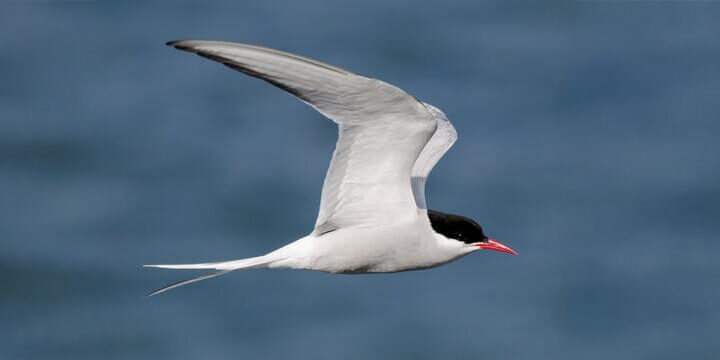
The Arctic Tern holds the record for the longest migration of any bird. It travels from its breeding grounds near the North Pole all the way to the Antarctic coast, covering around 25,000 miles annually.
This tiny bird experiences two summers each year, one in the Arctic and one in the Antarctic. Imagine living in constant daylight for months—this is the Arctic Tern’s reality.
How Do These Birds Navigate Across The Globe?
Navigation during such epic journeys is still partly a mystery, but scientists know birds use a combination of the sun, stars, magnetic fields, and even smell.
Have you ever tried finding your way without a GPS? Birds manage this every year, suggesting their natural GPS is incredibly reliable.
What Challenges Do Pole-to-pole Migrators Face?
- Extreme weather changes, from freezing Arctic winds to harsh Antarctic storms
- Predators and scarcity of food during certain legs of the journey
- Human-made obstacles like light pollution and climate change affecting their routes
Recognizing these challenges can make you more aware of how delicate their survival truly is.
The Arctic Tern’s Epic Journey
The Arctic Tern’s journey is one of the most remarkable migrations in the animal kingdom. This small seabird travels from the North Pole to the South Pole and back every year, experiencing two summers and more daylight than any other creature on Earth. Witnessing or learning about this incredible feat challenges your understanding of endurance and navigation in the natural world.
Migration Route And Distance
The Arctic Tern follows a vast and complex migration route that spans the entire globe. It starts from its breeding grounds in the Arctic during the northern summer and flies all the way to the Antarctic for the southern summer. This journey covers roughly 25,000 miles (40,000 kilometers) annually, making it the longest migration of any known animal.
The route is not a straight line. Instead, the terns take a curved path that allows them to take advantage of prevailing winds and food sources along the way. You might be surprised to learn they sometimes follow coastlines and ocean currents to conserve energy during their long flights.
Timing And Duration
The timing of the Arctic Tern’s migration is perfectly tuned to the seasons. They leave the Arctic in late summer to arrive in Antarctica during the southern summer, around October to November. Then, after spending several months feeding and resting, they begin their return journey north in late February to March.
Each leg of the trip can take several weeks, but the terns break the journey into smaller flights with stopovers to refuel. This strategy helps them avoid exhaustion and maintain their stamina over such an extraordinary distance.
Navigation Techniques
How does the Arctic Tern find its way across thousands of miles of open ocean? Scientists believe they use a combination of navigation techniques. These include the Earth’s magnetic field, the position of the sun and stars, and visual landmarks when available.
Interestingly, studies suggest Arctic Terns have a built-in magnetic compass that allows them to sense magnetic fields, helping them maintain a steady course. Imagine having an internal GPS that works even in the most remote and featureless parts of the world.
Have you ever wondered how you might navigate without modern tools? The Arctic Tern’s journey shows that nature equips its travelers with incredible skills to survive and thrive across vast distances.
Adaptations For Long Flights
The bird that migrates from the North Pole to the South Pole shows amazing adaptations. These changes help it survive the long journey. The bird faces cold, wind, and endless skies. It must fly thousands of miles without stopping. Such a trip needs special skills and body features. These adaptations make long flights possible and efficient.
Physical Features
Strong wings allow long, steady flights. The wings are narrow and pointed to reduce air resistance. Lightweight bones help the bird stay light in the air. A streamlined body cuts through the wind easily. Special feathers protect against cold and rain. These feathers also keep the bird warm during freezing nights.
Energy Management
The bird uses fat as its main energy source. Fat stores more energy than muscles or carbs. Before flying, it eats a lot to build fat reserves. During flight, it burns fat slowly to last long. The bird can slow its metabolism to save energy. It also adjusts its flight speed to use less power.
Resting Strategies
The bird takes short naps while flying. It can sleep with one half of its brain at a time. This lets it stay alert to dangers. Sometimes, it stops on water or land to rest fully. Resting helps the bird recover strength for the next flight. These breaks are brief but very important for survival.
Credit: www.kernaudubonsociety.org
Challenges Along The Way
The journey of a bird migrating from the North Pole to the South Pole is nothing short of extraordinary. However, this epic migration is riddled with numerous challenges that test the endurance and survival skills of these incredible travelers. Understanding these obstacles gives you a deeper appreciation of their resilience and the delicate balance they maintain with nature.
Weather And Climate
Harsh weather conditions make the migration extremely difficult. Birds face freezing temperatures, powerful storms, and sudden weather changes that can disorient or exhaust them. Imagine flying thousands of miles with unpredictable winds pushing you off course—how would you cope?
Climate change adds another layer of difficulty. Shifts in weather patterns can alter food availability and suitable resting spots, forcing birds to adapt quickly or risk exhaustion and starvation. Your next outdoor adventure might feel challenging, but these birds endure far more intense natural hurdles.
Predators And Threats
Predators lurk along the migration route, posing constant danger. Birds must stay alert to avoid attacks from larger birds of prey, mammals, and even humans. Staying vigilant during such a long journey requires incredible focus and energy.
Besides natural predators, threats like habitat loss can leave birds exposed to more dangers. When resting or feeding areas disappear, birds become easier targets. Would you be able to maintain your strength and alertness if your shelter vanished mid-journey?
Human Impact
Human activities increasingly disrupt migration routes. Urban development, pollution, and light pollution confuse birds and lead to fatal collisions with buildings or vehicles. These challenges are often invisible but deadly.
Efforts like creating bird-friendly structures and protecting habitats can help. By understanding these impacts, you can support or advocate for changes that make a real difference. How can your daily choices contribute to safer skies for these remarkable travelers?
Tracking And Research Methods
Scientists use various ways to study birds that migrate between the North and South Poles. Tracking these birds helps us understand their routes and behavior. Research methods are improving with new technology. These methods provide valuable data to protect migratory birds and their habitats.
Satellite Tagging
Satellite tagging uses small devices attached to birds. These devices send signals to satellites. Researchers receive real-time data on the bird’s location. It helps track long-distance flights over oceans and remote areas. Satellite tags are light and do not harm the birds.
Banding And Observation
Banding involves placing a small ring on a bird’s leg. Each band has a unique number. When banded birds are spotted later, scientists learn about their migration paths. Observation helps record timing, stopovers, and behavior during migration. Bird watchers play a key role in this method.
Technological Advances
New tools improve tracking accuracy and data collection. GPS trackers provide detailed movement patterns. Miniature cameras show how birds live during migration. Mobile apps allow citizen scientists to report sightings. These advances make migration studies faster and more precise.
Other Notable Migratory Birds
While the Arctic Tern is famous for its long migration, other birds also make impressive journeys. These birds travel vast distances, showcasing nature’s wonders. Some migrate for food, others to breed. Their journeys are crucial for survival.
Comparison With Arctic Tern
The Arctic Tern’s migration covers over 44,000 miles. It’s the longest of any bird. Other birds, though not as far, still impress. The Bar-tailed Godwit flies nonstop from Alaska to New Zealand. It covers about 7,000 miles in one flight. The Sooty Shearwater also travels far, from New Zealand to the North Pacific.
Unique Migration Patterns
Many birds have special migration paths. The Blackpoll Warbler flies from North America to South America. This small bird crosses the Atlantic Ocean in one go. The Swainson’s Hawk migrates from North America to Argentina. It travels over land, using air currents to glide efficiently.
Birds like the Greater Flamingo travel from Africa to Europe. They follow ancient routes, stopping at wetlands along the way. These birds teach us about the natural world. Their journeys inspire awe and wonder.
Conservation Efforts
The Arctic tern migrates from the North Pole to the South Pole every year. Protecting their habitats helps ensure they continue this incredible journey. Conservation efforts focus on reducing pollution and preserving safe nesting areas for these birds.
Conservation efforts for birds that migrate from the North Pole to the South Pole are crucial for maintaining their populations and ensuring the health of global ecosystems. These migratory birds face numerous challenges, including habitat loss and climate change. Through various conservation strategies, we can help protect these incredible travelers and their essential roles in nature.Protecting Migration Routes
Migration routes are like highways for birds, but they often cross international borders. Protecting these pathways is essential. Conservationists are working to create safe zones along these routes to ensure birds have the resources they need, such as food and rest. Imagine a bird flying thousands of miles only to find its usual resting spot has been destroyed. What can be done to prevent this? You can support organizations that focus on mapping and safeguarding these critical areas.Habitat Preservation
Preserving habitats is about more than just saving a piece of land. It’s about maintaining the biodiversity that these migratory birds depend on. Many organizations are actively working to restore wetlands, forests, and other vital ecosystems. Think about your local park. It may serve as a crucial stopover for birds on their long journey. By participating in local conservation projects, you can contribute to preserving these important habitats.Global Cooperation
Birds don’t recognize borders, and neither should conservation efforts. International collaboration is key to ensuring the survival of migratory birds. Countries are forming alliances and agreements to protect these species across continents. Consider the impact of global treaties like the Migratory Bird Treaty Act. These agreements are instrumental in providing a legal framework that supports conservation on an international scale. How can you support such global efforts? Stay informed and advocate for policies that protect migratory birds worldwide.
Credit: www.newsbreak.com

Credit: www.reddit.com
Frequently Asked Questions
Which Bird Migrates From North Pole To South Pole?
The Arctic tern migrates from the North Pole to the South Pole annually. It travels up to 25,000 miles, the longest migration of any bird. This journey helps it enjoy continuous summer daylight by moving between polar regions.
How Long Is The Arctic Tern’s Migration Route?
The Arctic tern’s migration route spans approximately 25,000 miles (40,000 kilometers). It travels between the Arctic and Antarctic, experiencing two summers each year. This extensive journey ensures optimal feeding and breeding conditions.
Why Does The Arctic Tern Migrate Such Long Distances?
The Arctic tern migrates long distances to follow abundant food sources and favorable climates. By moving between poles, it avoids harsh winters and benefits from continuous daylight. This behavior maximizes survival and breeding success.
When Does The Arctic Tern Start Its Migration?
The Arctic tern begins its southward migration in late summer, around August or September. It returns north in spring, usually between April and June. These timings align with seasonal changes in both polar regions.
Conclusion
The Arctic tern is truly amazing. It flies from the North Pole to the South Pole every year. This long journey helps it find food and warmer weather. Few birds travel such a great distance. Their migration shows nature’s wonder and strength.
Watching these birds inspires us to learn more about wildlife. Their trip reminds us how connected the world is. Nature works in surprising and powerful ways. The Arctic tern’s journey is a story of endurance and survival. It teaches us about the beauty of migration.




