
Are you tired of raccoons raiding your bird feeders and scaring away your feathered friends? You’re not alone.
Those clever critters can turn a peaceful bird-watching spot into a mess of spilled seeds and broken feeders. But don’t worry—there are simple, effective ways to keep raccoons away without harming them. You’ll discover easy tips and tricks that protect your feeders and bring back the joy of watching birds visit your yard.
Keep reading, and take control of your bird feeder today!
Why Raccoons Visit Bird Feeders
Understanding why raccoons are drawn to your bird feeders is key to keeping them away. These clever creatures are always on the lookout for easy meals, and bird feeders often provide just that. By recognizing what attracts raccoons and when they are most active, you can take smarter steps to protect your feeder and the birds that visit it.
Attraction To Food Sources
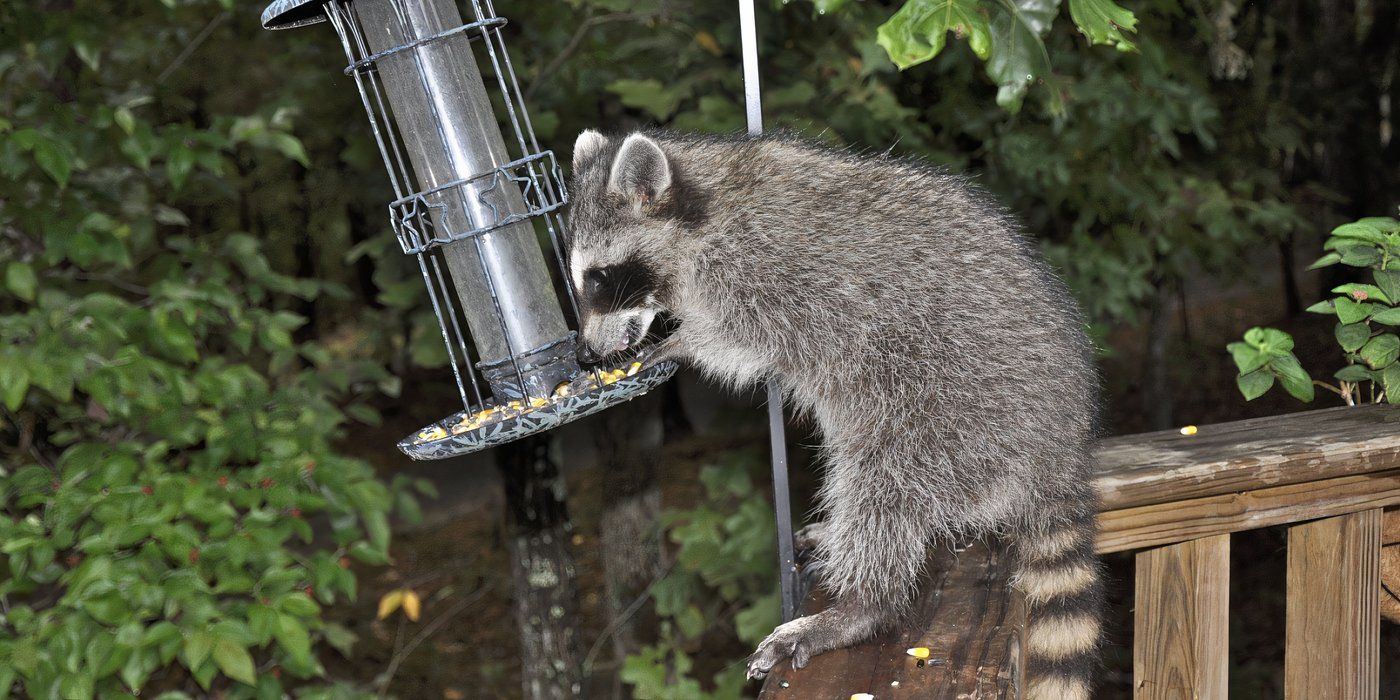
Raccoons have a strong sense of smell that leads them straight to bird feeders filled with seeds, nuts, and suet. They are opportunistic eaters, meaning they will go after any easy food source they can find. If your feeder spills seeds on the ground, it becomes an even bigger magnet for raccoons.
Think about how often you refill your feeder and whether seeds fall outside the feeder area. Leaving food accessible can make your feeder a buffet for raccoons. You might want to clean up spilled seeds regularly to reduce the attraction.
Behavior Patterns At Night
Raccoons are mostly nocturnal, which means they are active during the night when most people aren’t watching. They use the cover of darkness to explore your yard and raid bird feeders without much risk of being disturbed. This makes nighttime a critical period for raccoon visits.
If you notice damage or missing food in the morning, it’s a good bet raccoons were the culprits. Installing motion-activated lights or sounds can startle raccoons and discourage them from coming back. Have you considered how changing your feeding schedule to daylight hours might affect raccoon visits?
Choosing The Right Bird Feeder
Choosing the right bird feeder plays a key role in keeping raccoons away. The feeder design, material, and placement all affect how easy it is for raccoons to access your bird food. Selecting a feeder that raccoons cannot easily reach or open will protect your birdseed and keep these clever animals at bay.
Raccoon-proof Feeder Designs
Look for feeders that have built-in guards or cages. These prevent raccoons from grabbing seeds or perching near the food. Some feeders use weight-sensitive perches that close feeding ports when heavy animals like raccoons try to land. Tube feeders with small feeding ports also limit access to larger animals.
- Feeders with metal cages around the seed container
- Weight-activated feeders that close for heavier animals
- Feeders with small holes to fit only small birds
- Hopper feeders with tight lids and no easy grip spots
Material And Placement Tips
Choose feeders made from strong materials like metal or heavy-duty plastic. Avoid wood or thin plastic that raccoons can chew through. Mount feeders on smooth, tall poles with baffles to stop climbing. Keep feeders away from trees or structures that raccoons can use to jump onto the feeder.
- Use metal poles and secure mounting brackets
- Install baffles below feeders to block climbing
- Place feeders at least 10 feet away from jumping points
- Clean up spilled seeds regularly to avoid attracting raccoons
Using Physical Barriers
Using physical barriers is one of the most reliable ways to keep raccoons away from your bird feeders. These clever creatures are great climbers and problem solvers, so simply placing a feeder outside is often an open invitation. Physical barriers create a tough obstacle that raccoons find hard to overcome, protecting your bird food and ensuring only the feathered visitors get a meal.
Installing Baffles And Guards
Baffles are dome or cone-shaped devices that you can place above or below your bird feeder. Their smooth surface and shape make it difficult for raccoons to climb past them. You can attach baffles to poles or hanging wires to stop raccoons from reaching the feeder.
Guards work similarly by blocking access points. For instance, a metal cage around the feeder lets small birds in but keeps raccoons out. Think about the size and agility of raccoons—choose baffles and guards that are sturdy and big enough to prevent them from squeezing through.
Securing Feeders To Prevent Access
Simply hanging a feeder from a tree branch won’t stop raccoons—they can jump or climb nearby structures. Instead, secure your feeders using poles with baffles placed at least 4 feet above the ground and 10 feet away from jumping points like fences or trees.
Use strong hooks and chains that raccoons cannot easily bend or break. Some people have had success with installing feeders on telescoping poles, which can be raised or lowered to control access. Have you checked if your feeder setup leaves any easy paths for raccoons to sneak in?
Credit: www.backyardboss.net
Feeding Strategies To Deter Raccoons
Feeding birds without inviting raccoons requires smart strategies. Adjusting when and what you feed can make a big difference. These feeding strategies help protect your bird feeders and keep raccoons at bay.
Timing Your Feeding
Raccoons are mostly active at night. Feeding birds during daylight hours lowers the chance of raccoon visits. Try filling feeders early in the morning. Remove leftover food by evening. This reduces food availability for raccoons after dark. Consistent feeding times help birds find food. It also teaches raccoons there is no food at night.
Selecting Bird Food That Raccoons Avoid
Some bird foods attract raccoons more than others. Choose seeds and mixes less appealing to them. Raccoons dislike:
- Nyjer (thistle) seed
- Millet
- Cracked corn
Avoid foods with high sugar or fat content. Suet and peanut butter often attract raccoons. Use safflower seeds to attract cardinals and finches. Raccoons usually avoid safflower seeds. Experiment with different seed types to find what works best for your area.
Natural Repellents And Scents
Natural scents like peppermint oil, vinegar, and garlic can deter raccoons from bird feeders. These strong smells make raccoons uncomfortable and keep them away. Spraying or placing these scents near feeders helps protect your birds and their food.
Keeping raccoons away from bird feeders can be a challenging task, but using natural repellents and scents is a humane and eco-friendly method to deter these clever critters. By leveraging the power of specific spices and plants, you can create an environment that raccoons find unappealing. Additionally, commercial repellent options offer convenient solutions for those who prefer ready-made products.Using Spices And Plants
Spices like cayenne pepper can be your first line of defense. You might sprinkle it around the base of your bird feeder. Raccoons dislike the strong scent and taste, and they’ll steer clear. Plants such as peppermint also work wonders. Consider planting peppermint around the area. The strong aroma is unpleasant to raccoons but delightful to humans. Have you ever tried using garlic or onion? These too can act as natural deterrents. Their pungent smell can convince raccoons to find another place to roam.Commercial Repellent Options
If DIY isn’t your style, commercial repellents are available to ease your burden. These products come in various forms like sprays and granules. Look for repellents that are non-toxic and safe for both animals and the environment. This ensures you protect your feathered friends while keeping raccoons at bay. Before purchasing, read reviews or ask fellow bird enthusiasts for recommendations. Their firsthand experiences can save you time and effort in choosing the right product. What’s your go-to method for keeping raccoons away from your bird feeders?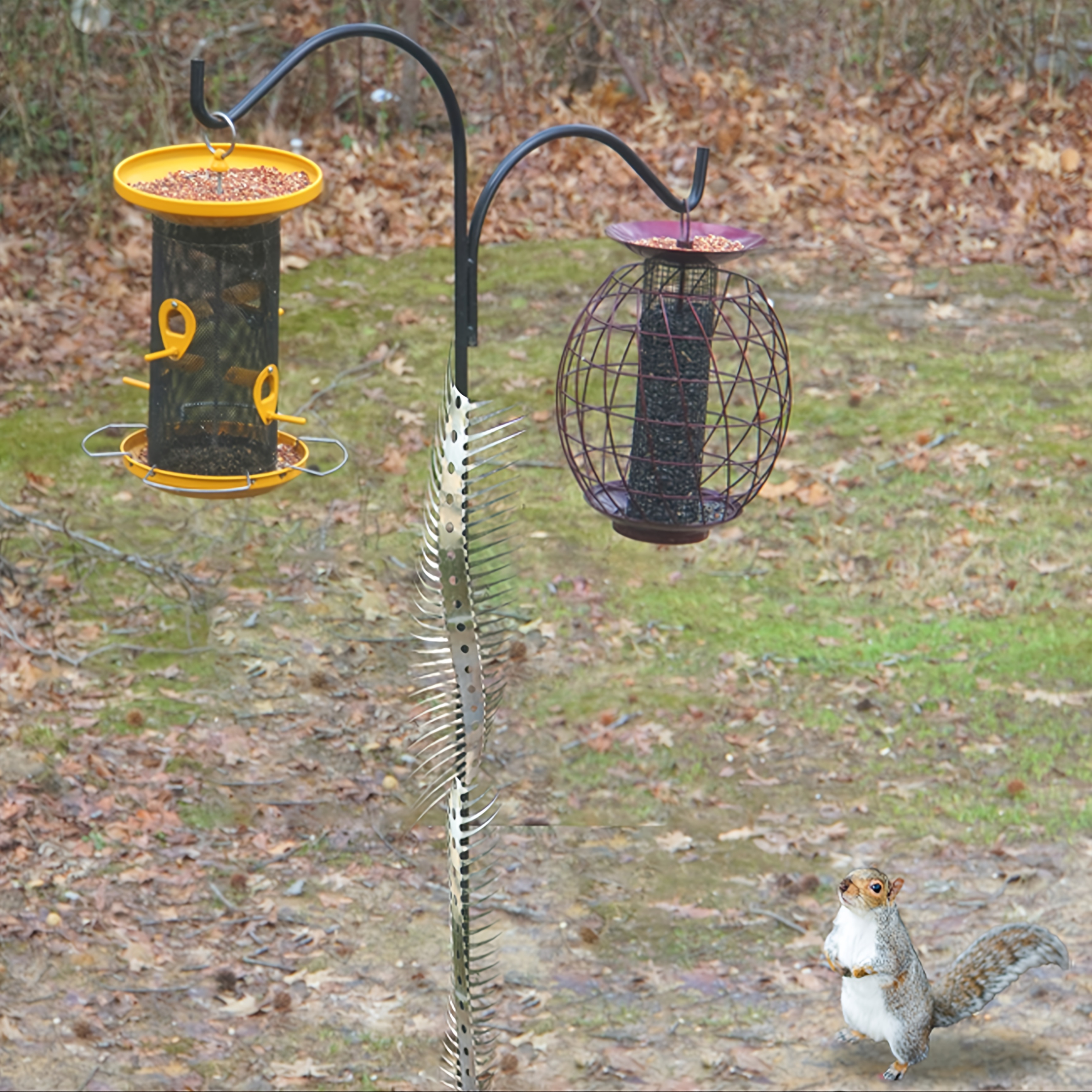
Credit: www.temu.com
Maintaining Clean Feeding Areas
Keeping your bird feeder area clean helps prevent raccoons from visiting. Raccoons are drawn to easy food sources, like spilled seeds. Maintaining cleanliness removes these tempting snacks. This step lowers the chance of raccoon visits and protects your feathered friends.
Removing Spilled Seeds
Check around the feeder daily for spilled seeds. Use a small broom or brush to sweep up any mess. Rake the ground to pick up seeds hidden in grass or leaves. Dispose of collected seeds far from the feeding area. This stops raccoons from sniffing out food.
Regular Cleaning Practices
Clean the feeder and surrounding area often. Wash the feeder with warm, soapy water every two weeks. Rinse well to remove any soap residue. Clear away bird droppings and dirt from perches and trays. Regular cleaning keeps the area less attractive to raccoons and other pests.
Additional Tips And Precautions
Keep bird feeders clean and remove spilled seeds regularly to avoid attracting raccoons. Secure feeders with baffles or place them away from trees and fences. Always store bird food in raccoon-proof containers to prevent easy access.
Keeping raccoons away from your bird feeders can be a challenging task. These clever critters are persistent and often quite determined to find their way to a free meal. With the right precautions, you can enjoy birdwatching without the unwanted guest appearances of raccoons. Let’s dive into some additional tips and precautions to ensure your bird feeders remain solely a haven for your feathered friends.Avoiding Attractants Nearby
To deter raccoons, it’s crucial to minimize attractants around your yard. Ensure garbage bins are tightly sealed, as raccoons are notorious for scavenging through trash. Compost piles should also be securely covered or fenced. Consider removing any pet food bowls left outdoors overnight. This simple step can significantly reduce the allure of your yard to raccoons. Evaluate your garden for fallen fruits or vegetables, which can also serve as a tempting snack for these animals.Dealing With Persistent Raccoons
Sometimes, raccoons persist despite your best efforts. Installing motion-activated lights or sprinklers can be an effective deterrent. The sudden burst of light or water can scare them away, leaving your bird feeder untouched. If you’re facing particularly stubborn raccoons, try using a raccoon-proof bird feeder. These feeders are designed with weight-sensitive perches that close access to food when a heavy animal, like a raccoon, tries to eat. Have you considered adding a baffle to your feeder pole? This simple barrier can prevent raccoons from climbing up to reach the food. Remember, the goal is to create an environment that’s less inviting to raccoons while still being a sanctuary for birds. Have you tried different strategies to keep raccoons away? Share your experiences and insights in the comments!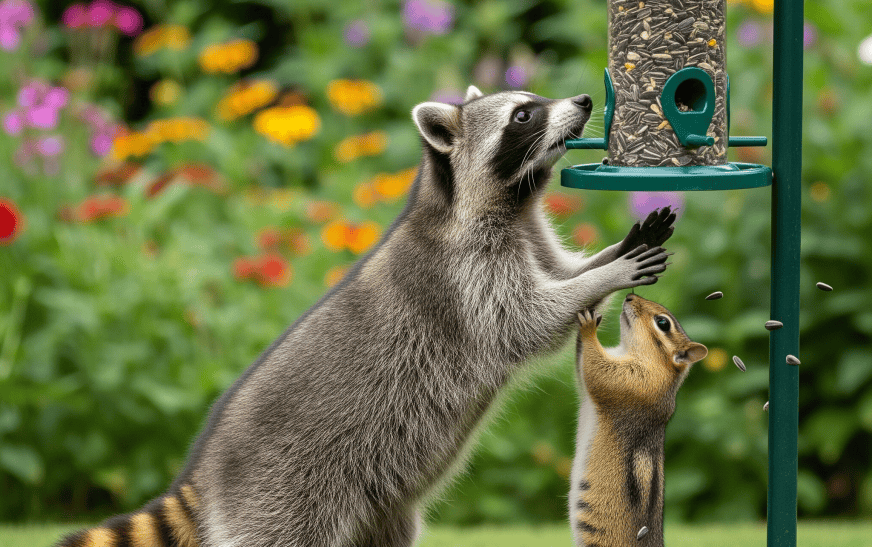
Credit: squirrelsinfo.com
Frequently Asked Questions
How Can I Stop Raccoons From Reaching Bird Feeders?
Use raccoon-proof feeders and place them high or on poles with baffles. Clean spilled seeds regularly to avoid attracting raccoons.
What Types Of Bird Feeders Deter Raccoons Best?
Metal or squirrel-proof feeders with weight-sensitive perches work well. Avoid open trays, as raccoons can easily access those.
Are There Natural Repellents To Keep Raccoons Away?
Yes, strong smells like ammonia, vinegar, or predator urine can deter raccoons. Reapply frequently for best results.
When Are Raccoons Most Active Near Feeders?
Raccoons are mostly active at night. Remove feeders or bring them inside during nighttime to prevent visits.
Conclusion
Keeping raccoons away from bird feeders takes some effort. Use strong, raccoon-proof feeders and clean spills quickly. Place feeders where raccoons cannot reach easily. Secure trash cans and remove food sources nearby. Patience and consistency make a big difference. Enjoy watching birds without unwanted visitors.
Protect your feeders to keep your garden peaceful. Small steps lead to great results. Stay calm and persistent. Your bird friends will thank you.




