
Have you ever stopped to wonder how a bird truly feels when trapped inside a cage? Imagine being confined to a small space, unable to spread your wings or explore the world around you.
This feeling of restriction can weigh heavily on a bird’s spirit, much like it would on yours. You’ll discover the emotional and physical impact captivity has on birds and why understanding their experience matters. Keep reading to see the world through their eyes and learn what you can do to make a difference.
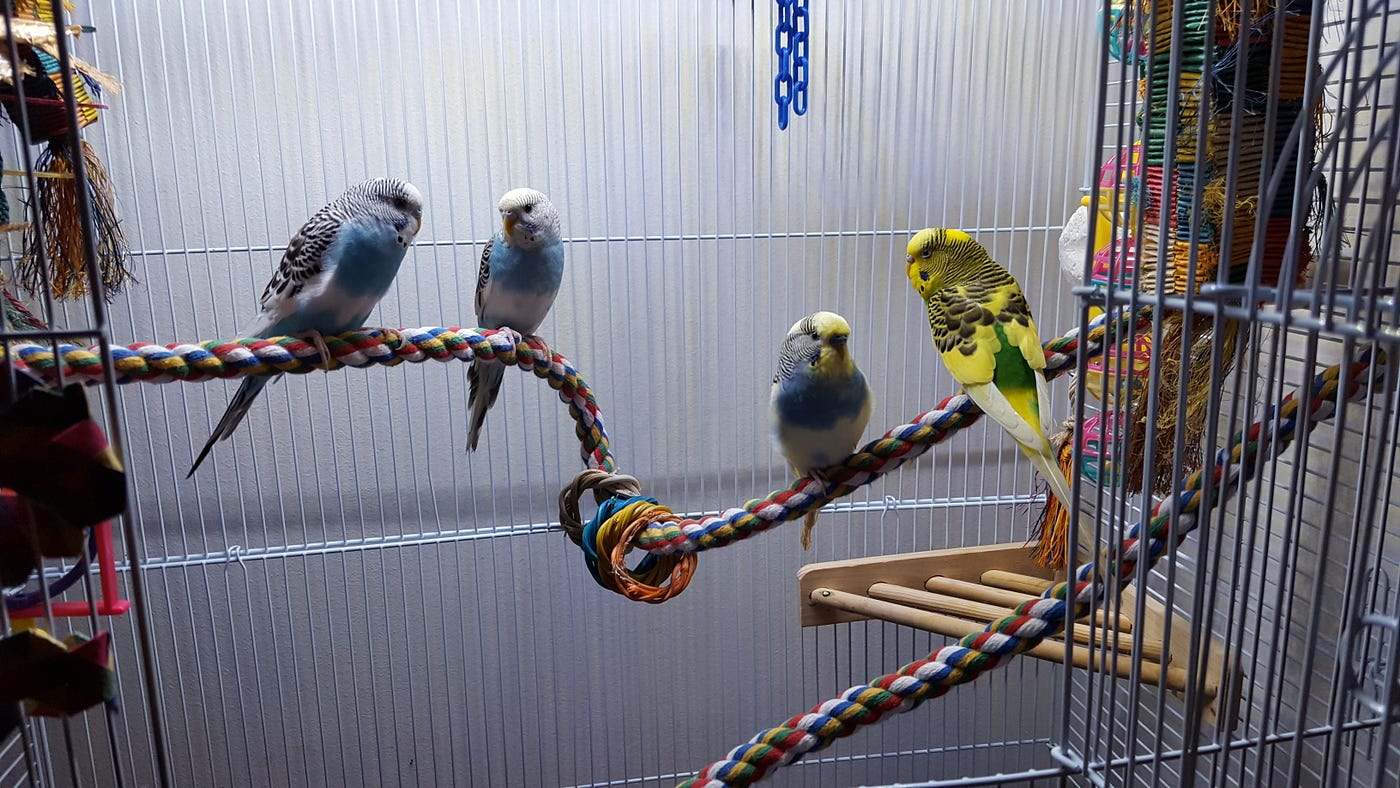
Credit: medium.com
Emotional Impact On Caged Birds
Birds kept in cages often face a range of emotional challenges. Their natural instincts are limited by confinement. This restriction can cause many emotional problems. Understanding these feelings helps improve their care and well-being.
Signs Of Stress And Anxiety
Caged birds show stress through various signs. They may:
- Pluck their feathers repeatedly
- Make loud, constant noises
- Become restless and pace inside the cage
- Lose appetite or refuse to eat
- Display aggressive behavior
These signs indicate discomfort and anxiety. Stress can weaken their immune system and lead to illness.
Effects Of Loneliness And Isolation
Birds are social animals by nature. Isolation in a cage causes loneliness. This feeling can lead to sadness and depression.
Lonely birds may stop singing or interacting. They might become withdrawn and inactive. Lack of social contact reduces their quality of life.
Behavioral Changes In Captivity
Captive birds often develop unusual behaviors. These include:
- Repetitive movements like pacing or head bobbing
- Excessive grooming or self-harm
- Loss of natural curiosity and playfulness
- Changes in sleep patterns
- Decreased ability to socialize with other birds
These changes show how captivity affects their mental health. Proper care and enrichment can help reduce these effects.

Credit: www.youtube.com
Physical Consequences Of Being Caged
Being confined to a cage has serious physical effects on birds. The lack of freedom limits their natural behaviors. This restriction causes stress and affects their body in many ways. The physical consequences can lead to long-term health problems. Understanding these effects helps highlight the importance of proper care and environment for captive birds.
Health Issues From Limited Space
Small cages restrict a bird’s movement. Birds cannot stretch their wings or fly freely. This lack of exercise weakens their muscles and bones. It also causes joint problems and stiffness. Without space to move, birds may develop obesity. Poor air circulation in cages can cause respiratory problems. Boredom and stress weaken their immune systems. This makes them more prone to infections and diseases.
Feather Plucking And Self-harm
Birds in cages often show signs of stress by plucking their feathers. This behavior comes from boredom and anxiety. Feather plucking can lead to skin infections and injuries. Birds may bite or scratch themselves until wounds appear. Without mental stimulation, these habits worsen over time. Self-harm is a serious sign of distress in caged birds. It affects their physical health and overall well-being.
Reduced Lifespan Factors
Caging birds can shorten their natural lifespan. Limited movement and poor diet weaken their bodies. Stress from confinement damages their heart and organs. Lack of sunlight reduces vitamin D production, harming bones. Chronic illnesses develop faster in unhealthy conditions. Many captive birds die younger than wild ones. Proper care and environment are key to a longer life.
Natural Instincts Vs. Captivity
Birds have deep natural instincts shaped by millions of years of evolution. These instincts guide their daily actions and survival strategies. Captivity conflicts with many of these natural needs. A cage restricts movement and limits behaviors essential for a bird’s well-being. Understanding this clash helps explain how birds feel when confined.
Flight And Freedom Needs
Flight is more than movement for birds. It is a vital need for exercise and mental health. In the wild, birds fly long distances to find food and avoid danger. A cage stops this natural behavior. Without flight, birds may feel trapped and stressed. Their muscles weaken and boredom sets in. Freedom to fly is crucial for their happiness.
Foraging And Exploration Drives
Birds spend much time searching for food. This foraging is both physical and mental exercise. It keeps their minds sharp and bodies active. In captivity, food is often given in bowls. This removes the challenge of hunting or gathering. Birds lose an important part of their daily routine. Their natural curiosity and exploration needs go unmet. This can lead to frustration and depression.
Social Interaction With Flock
Many bird species live in flocks with complex social bonds. Interaction with others is essential for their emotional health. Birds communicate through calls, body language, and grooming. Isolation in a cage cuts off these vital social connections. Even birds kept with others may feel confined if their space is too small. Without social interaction, birds can become lonely and anxious.
Human Impact On Bird Welfare
The way humans interact with birds has a significant effect on their welfare, especially when birds are kept in cages. Your decisions and actions directly shape their physical health and emotional well-being. Understanding these impacts helps you make choices that respect and support a bird’s natural needs.
Common Reasons For Keeping Birds Caged
Many people keep birds caged for companionship, security, or convenience. Birds in homes can provide joy and connection, but cages often limit their freedom to fly and explore. Sometimes cages are used to protect birds from predators or to control their environment.
Have you ever wondered if your cage setup truly meets your bird’s natural behaviors? Birds need space to fly, socialize, and express instincts like foraging. Without this, their welfare can suffer, even if they are fed and cared for.
Mistakes In Bird Care
Common mistakes include overcrowding cages, providing inadequate enrichment, and poor diet choices. These issues can cause stress, boredom, and health problems. For example, a bird stuck in a small cage without toys may develop repetitive behaviors like feather plucking.
Sometimes, well-meaning owners underestimate how much attention birds require. Birds need mental stimulation and social interaction daily. Ignoring these needs can lead to loneliness and depression in your feathered friend.
Ethical Considerations
Keeping birds caged raises important ethical questions about freedom and quality of life. Is it fair to restrict a creature designed for flight to a confined space? You must weigh your responsibility to provide care against the bird’s right to natural behaviors.
Consider alternatives like aviaries or supervised flight time outside the cage. Reflect on whether your current setup honors the bird’s welfare or if it’s driven by convenience. How far are you willing to go to ensure your bird lives a fulfilling life?
Alternatives To Traditional Caging
Traditional bird cages often limit a bird’s freedom and natural instincts. Birds need space to fly, explore, and express their true nature. Alternatives to small cages offer better living conditions and improve a bird’s well-being. These options create a more natural and enriching environment for birds.
Aviaries And Larger Enclosures
Aviaries provide a spacious area for birds to fly and move freely. These large enclosures mimic natural habitats better than small cages. Birds enjoy more freedom to stretch their wings and explore. This space reduces stress and supports physical health. Aviaries can be indoors or outdoors, depending on the climate and bird species. They often include plants, branches, and perches to create a natural feel.
Enrichment And Mental Stimulation
Birds are intelligent creatures that need mental challenges. Toys, puzzles, and foraging activities keep birds busy and alert. Rotating toys regularly prevents boredom. Sounds, mirrors, and safe social interaction stimulate their minds. Enrichment helps prevent destructive behaviors caused by stress and boredom. A well-stimulated bird is happier and healthier.
Promoting Natural Behaviors
Birds have instincts to climb, forage, sing, and nest. Providing materials like branches, leaves, and nesting boxes encourages these activities. Natural behaviors improve mental and emotional health. Allowing flight time outside the enclosure strengthens muscles and coordination. Birds feel more fulfilled when they can follow their instincts. A natural setup supports a bird’s overall happiness and quality of life.
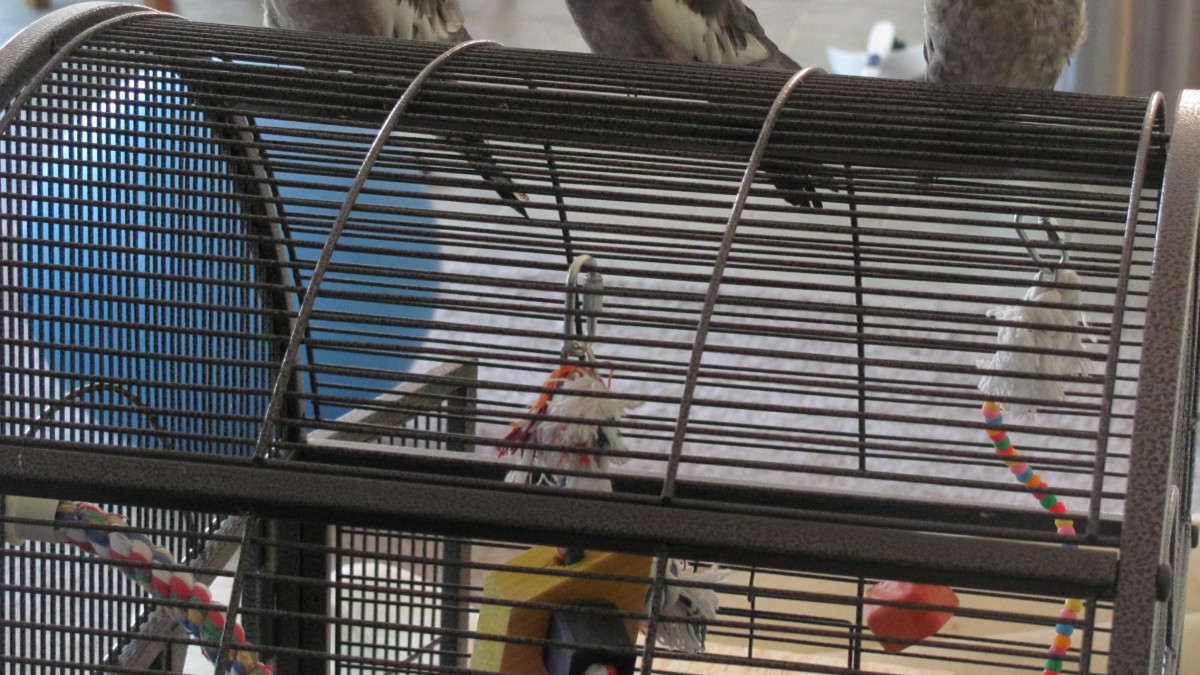
Credit: pethelpful.com
Rescue And Rehabilitation Stories
Birds in cages may feel trapped and confined, longing for freedom. Their natural instincts urge them to fly and explore. Such confinement can lead to stress and sadness, affecting their well-being. Understanding this helps us appreciate their need for open spaces and freedom.
Rescue and rehabilitation stories are the heartwarming tales that highlight the resilience of birds and the dedicated efforts of those committed to their freedom. These narratives offer a glimpse into the journey of birds transitioning from captivity to soaring the skies once again. They remind us of the profound impact a caring hand can have on a life once confined to a cage.Successful Releases Into The Wild
Imagine the sight of a bird taking its first flight after months or even years in captivity. It’s a moment filled with hope and redemption. One such story involves a parrot named Max, who spent years in a small cage before being rescued. Max’s release into the wild was a carefully planned process. He was gradually acclimatized to his natural environment, learning to forage and fly. Witnessing his successful transition to the wild was a testament to the power of patience and love.Recovery From Psychological Trauma
Caged birds often suffer from psychological trauma. This can manifest as repetitive behaviors or a lack of trust in humans. However, with time and care, these birds can heal. Consider Bella, a cockatoo who had lost her feathers due to stress. Through consistent interaction and a nurturing environment, she began to show signs of recovery. Her feathers grew back, and her playful nature returned, proving that healing is possible.Role Of Sanctuaries And Rescues
Sanctuaries and rescues play a crucial role in providing a safe haven for birds. They offer the resources and expertise needed to rehabilitate and rehome these creatures. Many sanctuaries focus on creating environments that mimic the birds’ natural habitats. This helps them regain their instincts and confidence. You might wonder, what can you do to support these efforts? Volunteering your time or donating supplies can make a significant difference. These stories of rescue and rehabilitation highlight the incredible journey from captivity to freedom. They inspire us to reflect on our own lives and consider how we can contribute to the well-being of these beautiful creatures.Frequently Asked Questions
How Does Caging Affect A Bird’s Mental Health?
Birds in cages often experience stress and anxiety due to confinement. Lack of freedom limits their natural behaviors, leading to boredom and depression. Mental stimulation is crucial for their well-being, and caging restricts this, negatively impacting their emotional state.
Can Birds Adapt To Life Inside A Cage?
Some birds may adjust to cage life over time, but it often reduces their overall happiness. Adaptation depends on cage size, enrichment, and human interaction. However, natural instincts and need for flight remain unmet, affecting their quality of life.
What Physical Problems Do Caged Birds Face?
Caged birds can suffer from muscle atrophy and obesity due to limited movement. Lack of exercise weakens their bones and feathers. Poor cage hygiene can also cause respiratory and skin infections, compromising their health.
How Can Owners Improve A Caged Bird’s Life?
Providing a spacious cage, toys, and regular interaction helps reduce stress. Allowing supervised out-of-cage time encourages exercise and mental stimulation. A balanced diet and clean environment are essential to maintain bird health and happiness.
Conclusion
A bird in a cage feels trapped and lonely. It misses the freedom to fly and explore. The small space limits its natural actions and joy. Birds need fresh air, light, and room to move. Keeping them in cages can harm their health and spirit.
We should think about their feelings and needs. Letting birds live freely helps them stay happy and healthy. Freedom means life and joy for every bird.




