
When you bring a bird into your home, one of the most important things you need to consider is the size of its cage. You might wonder, “How big does a bird cage need to be?” The answer isn’t just about giving your feathered friend enough space—it’s about ensuring their happiness, health, and freedom to move.
Choosing the right cage size can make a huge difference in your bird’s life, and it can also make your experience as a bird owner much more enjoyable. Keep reading, and you’ll discover exactly what size works best for your bird and why it matters more than you might think.
Credit: pethelpful.com
Factors Influencing Cage Size
Choosing the right size for your bird’s cage isn’t just about fitting the bird inside. Several key factors affect how much space your feathered friend truly needs. Understanding these will help you create a safe and happy environment that meets your bird’s physical and emotional needs.
Bird Species And Size
Different bird species vary greatly in size, which directly impacts cage dimensions. Small birds like finches or canaries need less room than larger parrots or cockatoos.
But size isn’t the only consideration. Some birds have longer wingspans or more active flight styles, requiring extra horizontal space. Have you noticed how your budgie flaps its wings or hops around? That’s a clue to how much room it craves.
Activity Level And Behavior
Birds with high energy levels need more space to move and exercise. Parrots, for example, are known for their playful nature and love of climbing and flying.
If your bird spends most of its time perched quietly, a smaller cage might suffice. However, restless or social species benefit from cages that allow flying, stretching, and playing.
Ask yourself: Does your bird enjoy flying short distances or prefer to stay still? Observing behavior helps you decide the right size.
Number Of Birds
Housing multiple birds in one cage demands more space. Crowding can lead to stress, aggression, and health issues.
Each bird needs enough room to avoid conflict and have its own personal space. For two small birds, a cage twice the size of one bird’s recommendation is a good starting point.
Remember, a bigger cage allows birds to interact naturally without feeling cramped. Are you prepared to upgrade your cage if you add more feathered friends?
Minimum Cage Dimensions By Species
Choosing the right cage size depends on the bird species. Each type of bird needs enough space to move and stretch its wings. Minimum cage dimensions vary by size and activity level of the bird. Proper cage size helps keep birds happy and healthy.
Small Birds
Small birds like finches and canaries need a cage that allows them to fly short distances. The minimum size should be at least 18 inches long, 18 inches wide, and 18 inches high. This size gives enough room for flying and playing.
- Length: 18 inches
- Width: 18 inches
- Height: 18 inches
Medium Birds
Medium birds such as cockatiels and lovebirds require larger cages. Their cages should be about 24 inches long, 24 inches wide, and 30 inches high. This size supports their active nature and wing movement.
- Length: 24 inches
- Width: 24 inches
- Height: 30 inches
Large Birds And Parrots
Large birds like African greys and macaws need spacious cages. The minimum recommended size is 36 inches long, 24 inches wide, and 48 inches high. These birds need room to stretch wings fully and climb around comfortably.
- Length: 36 inches
- Width: 24 inches
- Height: 48 inches
Cage Shape And Design Considerations
Choosing the right cage shape and design is crucial for your bird’s comfort. The cage must offer enough space for movement and mental stimulation. Different birds need different shapes and features to thrive. Consider how the cage’s design impacts your bird’s daily life and safety.
Horizontal Vs. Vertical Space
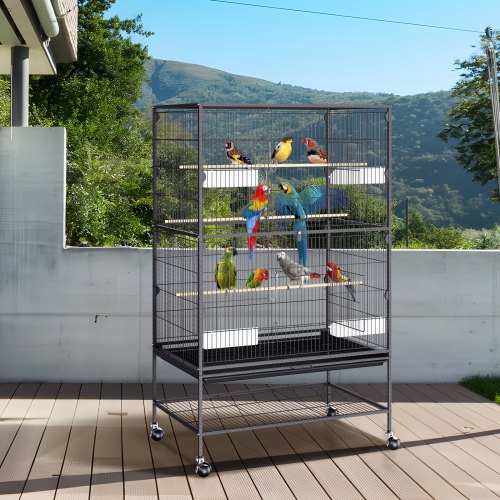
Birds need room to stretch and fly short distances. Horizontal space allows side-to-side movement, helping birds exercise their wings. Vertical space is important for climbing and perching. Some birds prefer wide cages, while others enjoy tall ones. Choose a cage shape that matches your bird’s natural behaviors.
Bar Spacing And Material
Correct bar spacing prevents injuries and escapes. Small birds need narrow spaces; larger birds need wider gaps. Use sturdy materials like stainless steel or powder-coated metal. Avoid toxic paints or coatings that harm birds. Strong bars protect your pet from predators and chewing damage.
Accessibility And Cleaning
A cage should open easily for feeding and cleaning. Doors must be large enough to reach all corners. Removable trays make daily cleaning quick and simple. Clean cages reduce diseases and keep birds happy. Consider how often you can clean and maintain the cage.
Credit: www.vevor.ca
Enrichment And Comfort Needs
Creating a bird cage that truly supports your feathered friend means thinking beyond just size. Your bird’s environment should offer both comfort and mental stimulation to keep it happy and healthy. Meeting enrichment and comfort needs is key to preventing boredom and encouraging natural behaviors.
Perches And Toys
Perches give your bird places to rest, exercise its feet, and explore different textures. Use a variety of perch sizes and materials—like wood, rope, and natural branches—to keep their feet strong and prevent sores.
Toys are essential for mental stimulation. Rotate toys regularly to keep your bird curious and engaged. Chew toys, puzzle feeders, and swings all add excitement and reduce stress.
Feeding Areas
Separate feeding areas help keep food clean and encourage natural foraging behaviors. Use multiple bowls or feeders spread around the cage to mimic the searching birds do in the wild.
Think about placing fresh food away from the droppings area to maintain hygiene. You might even hide treats in puzzle feeders to challenge your bird and make mealtime fun.
Space For Flight And Movement
How much room does your bird need to stretch its wings? Even small species benefit from space to fly short distances inside the cage.
Allow enough open area free from perches or toys where your bird can flap and hop comfortably. This movement is vital to muscle health and prevents boredom.
Ask yourself: Does your cage let your bird move naturally? If not, consider upgrading to a larger size to support its physical and mental well-being.
Outdoor Vs. Indoor Cages
Choosing between outdoor and indoor bird cages depends on many factors. Both types need enough space for birds to move and stretch. The environment affects cage size and design. Outdoor cages face weather challenges. Indoor cages require control over lighting and placement. Understanding these differences helps keep birds healthy and happy.
Weather Protection
Outdoor cages must protect birds from rain, wind, and extreme sun. Strong materials resist rust and decay. Shade areas keep birds cool during hot days. Covering parts of the cage helps shelter birds from cold weather. Indoor cages do not face weather risks. This allows lighter cage materials and open designs.
Safety And Security
Outdoor cages need strong locks to keep predators out. Animals like cats, raccoons, or hawks can harm birds. Sturdy bars prevent escapes and attacks. Indoor cages have fewer predator threats. Still, secure locks prevent birds from flying away. Both cages must keep birds safe from harm.
Placement And Lighting
Outdoor cages benefit from natural sunlight but need shaded spots too. Bright light helps birds stay active and healthy. Avoid direct harsh sunlight to prevent overheating. Indoor cages require artificial lighting that mimics natural light cycles. Proper lighting supports birds’ sleep and activity patterns. Placement should avoid drafts, loud noises, and busy areas.
Signs A Cage Is Too Small
Birds that flap their wings constantly or seem restless may need a bigger cage. Limited space can cause stress and affect their health. Watch for signs like pacing, feather plucking, or lack of movement to know if the cage is too small.
Choosing the right size for a bird cage is crucial for your pet’s well-being. A cage that’s too small can lead to a host of problems, both behavioral and physical. Understanding these signs is essential to ensure your feathered friend thrives in its environment.Behavioral Indicators
Birds express discomfort through their behavior. A cramped cage might lead to excessive screaming or feather plucking. You might notice your bird pacing back and forth or banging against the cage bars. These are cries for help, indicating they need more space to feel secure and content. A few years ago, I noticed my parakeet, Sunny, displaying these signs. The moment I upgraded to a larger cage, Sunny’s demeanor changed. He became more relaxed, vocal, and interactive.Physical Health Issues
Physical health can deteriorate quickly in tight quarters. Birds need room to stretch their wings fully and exercise. Without this, they can develop muscle atrophy and joint problems. A restricted environment also increases the risk of obesity due to lack of movement. You might spot drooping wings or a lack of energy in your bird. These are red flags that something’s wrong. A bigger cage can make a world of difference in preventing these issues and promoting a healthier, happier bird. Are you providing enough space for your feathered companion? It’s worth reconsidering if you see any of these signs. Your bird’s health and happiness depend on it.Tips For Choosing The Right Cage
Choosing the right cage size helps keep birds happy and healthy. A cage should be large enough for wings to stretch and for movement. Always pick a cage that fits your bird’s size and activity level.
Choosing the right bird cage isn’t just about aesthetics; it’s about ensuring your feathered friend has a safe and comfortable home. The size of the cage can significantly impact your bird’s health and happiness. So, how do you make the best choice for your pet? Here are some practical tips that will guide you through the process.Budget And Quality
When buying a bird cage, balancing budget and quality is crucial. A low-cost option might be tempting, but it could lack durability or safety features. Consider investing in a cage made from high-quality materials, like stainless steel, which offers longevity and safety for your bird. Find a reputable brand that promises quality without breaking the bank. Sometimes, spending a little more upfront saves money in the long run, as you won’t need frequent replacements. Would you rather pay a bit more for peace of mind?Future Growth
Think about your bird’s future. Will it grow significantly? If so, opt for a larger cage that accommodates its adult size. A cramped space can lead to stress and health problems. Research your bird species’ typical adult size. This helps you avoid the hassle of upgrading cages as your bird grows. Providing ample space now ensures your bird has room to stretch and play.Custom Vs. Pre-made Cages
Should you go custom or stick with a pre-made cage? Pre-made cages are convenient and often come with essential features. However, custom cages allow for personalized designs that cater to specific needs. If you have unique requirements or multiple birds, custom might be the way to go. Consider your carpentry skills and budget. A custom cage could become a rewarding project, but only if you have the resources and time. Choosing the right bird cage takes thought and care. By considering budget, growth, and cage type, you ensure your bird enjoys a safe and comfortable environment. What’s your next step in creating the perfect home for your feathered friend?
Credit: www.reddit.com
Frequently Asked Questions
How Big Should A Bird Cage Be For Small Birds?
A small bird cage should be at least 18x18x18 inches. This size allows enough space for movement and wing flapping. Providing ample room prevents stress and promotes healthy activity for small birds like finches and canaries.
What Is The Ideal Cage Size For Medium Birds?
Medium birds need cages around 24x24x30 inches. This size supports their active nature and flight needs. It ensures comfort and prevents behavioral issues by offering enough space to climb and stretch wings.
Why Is Cage Size Important For Bird Health?
Proper cage size prevents stress and physical problems in birds. It allows natural movement, exercise, and mental stimulation. A cramped cage can cause feather plucking, obesity, and aggression, impacting bird well-being.
Can A Larger Cage Improve Bird Behavior?
Yes, a larger cage encourages natural behaviors and reduces stress. It offers more room for toys, perches, and exercise, leading to happier, healthier birds. Spacious cages help prevent boredom and destructive habits.
Conclusion
Choosing the right size bird cage keeps your bird happy and healthy. Bigger cages give birds space to move and play freely. Small cages can make birds feel cramped and stressed. Always think about your bird’s size and activity level.
A roomy cage helps birds stay active and strong. Remember, a comfortable home means a joyful bird. Care for your feathered friend with a cage that fits well. Simple steps lead to a better life for your pet bird.




