
Have you ever wanted to bring more life and color to your backyard? Creating your own bird feeders is a simple and fun way to attract beautiful birds right to your window.
Not only will you enjoy watching these feathered friends, but you’ll also feel a sense of pride knowing you made something special with your own hands. You’ll discover easy and creative DIY bird feeder ideas that anyone can try. Ready to turn your outdoor space into a lively bird haven?
Let’s get started!
Credit: www.familyhandyman.com
Benefits Of Diy Bird Feeders
Building your own bird feeder offers many advantages beyond simple bird feeding. It creates a closer connection with nature and supports the local environment. Crafting feeders at home allows for creativity and control over materials. These benefits make DIY bird feeders a rewarding project for everyone.
Encouraging Local Wildlife
DIY bird feeders help attract a variety of birds to your yard. They provide safe places for birds to eat and rest. This encourages birds to visit more often, increasing biodiversity nearby. Feeding birds supports their survival, especially in harsh seasons. Homemade feeders can be tailored to suit local species’ needs.
Cost-effective Feeding Solutions
Making bird feeders at home saves money compared to buying pre-made ones. Many DIY feeders use recycled or inexpensive materials. This lowers the cost without sacrificing quality or function. Reusing items reduces waste and environmental impact. It is an affordable way to enjoy birdwatching year-round.
Personalized Designs
DIY bird feeders can be customized to fit your style and space. Choose shapes, colors, and sizes that match your garden or porch. Personal touches make feeders unique and attractive to birds. You can design feeders to prevent pests or protect seeds. This flexibility allows feeders to meet specific needs and preferences.
Materials You Can Use
Choosing the right materials for DIY bird feeders makes the project fun and eco-friendly. Materials affect the feeder’s durability and attractiveness to birds. Using simple items can save money and reduce waste. The best materials are safe for birds and easy to handle.
Recycled Household Items
- Empty plastic bottles are lightweight and easy to cut.
- Old teacups offer a charming feeding spot.
- Milk cartons can be transformed into small feeders.
- Used tin cans provide sturdy bases.
- Wood scraps create natural-looking feeders.
Natural Materials
- Twigs and small branches form rustic frames.
- Pinecones work well when coated with peanut butter and seeds.
- Coconut shells serve as natural bowls.
- Hollow logs attract woodpeckers and nuthatches.
- Dried leaves can add decoration or camouflage.
Craft Supplies
- Non-toxic glue holds parts firmly together.
- String or twine suspends feeders safely.
- Paints should be water-based and bird-safe.
- Wooden beads add decorative touches.
- Small mesh bags hold seeds and suet.
Simple Feeder Designs
Simple feeder designs bring birds closer with little effort. These feeders use easy-to-find materials. They require minimal tools and time. Perfect for beginners or kids. They attract many bird species. These feeders add charm to any garden or balcony.
Bottle Feeders
Bottle feeders use empty plastic bottles. Cut small holes near the bottom. Insert wooden spoons or sticks through the holes for perches. Fill the bottle with birdseed. Hang it using string or wire. This design keeps seeds dry and birds safe.
Tin Can Feeders
Clean and remove labels from a tin can. Punch holes on opposite sides near the rim. Thread string or wire to hang. Fill the can with seeds or suet. Add sticks or small wooden pieces for perches. Tin cans are sturdy and weather-resistant.
Pine Cone Feeders
Choose a fresh pine cone with open scales. Spread peanut butter or suet over the scales. Roll the pine cone in birdseed. Attach a string at the top for hanging. Pine cone feeders attract small birds like finches and chickadees. They are natural and biodegradable.
Credit: www.familyhandyman.com
Creative And Unique Ideas
Creating bird feeders at home brings joy and creativity together. These feeders attract birds while adding charm to your garden or balcony. Unique designs make feeding birds fun and personal. Use simple materials for impressive results. Each idea offers a chance to craft something special and functional.
Teacup Feeders
Teacup feeders combine vintage style with nature. Use old teacups and saucers for a whimsical look. Secure the cup to the saucer with strong glue. Fill the cup with birdseed and hang it using sturdy wire. These feeders look beautiful on tree branches or porch hooks. They invite small birds like finches and sparrows.
Fruit Shell Feeders
Fruit shell feeders use natural items like coconut or orange shells. Clean and dry the shells before use. Fill them with seeds or suet to attract birds. Hang the shells using twine or place them on flat surfaces. These feeders are eco-friendly and easy to make. They add a rustic touch to any outdoor space.
Hanging Wooden Feeders
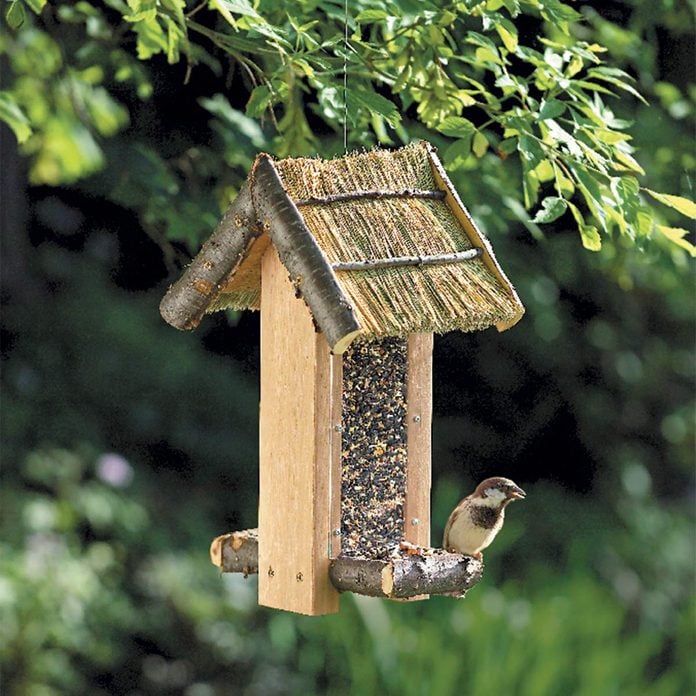
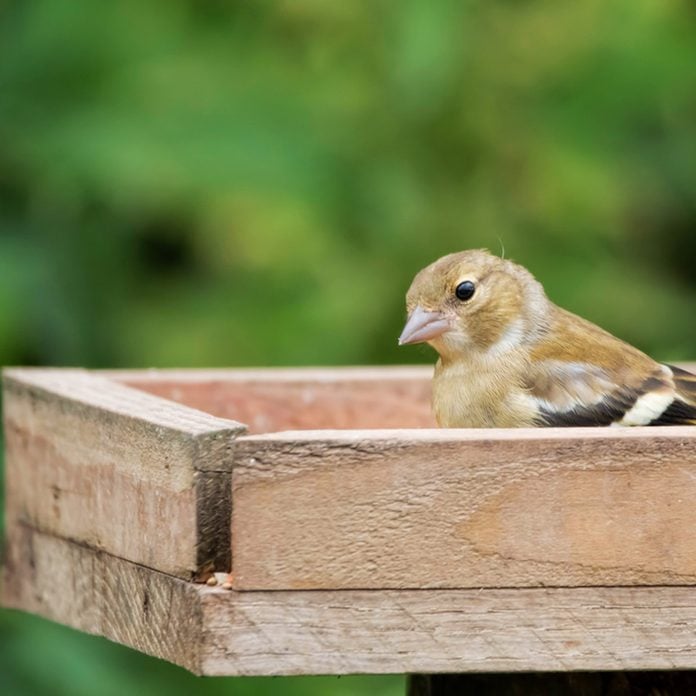
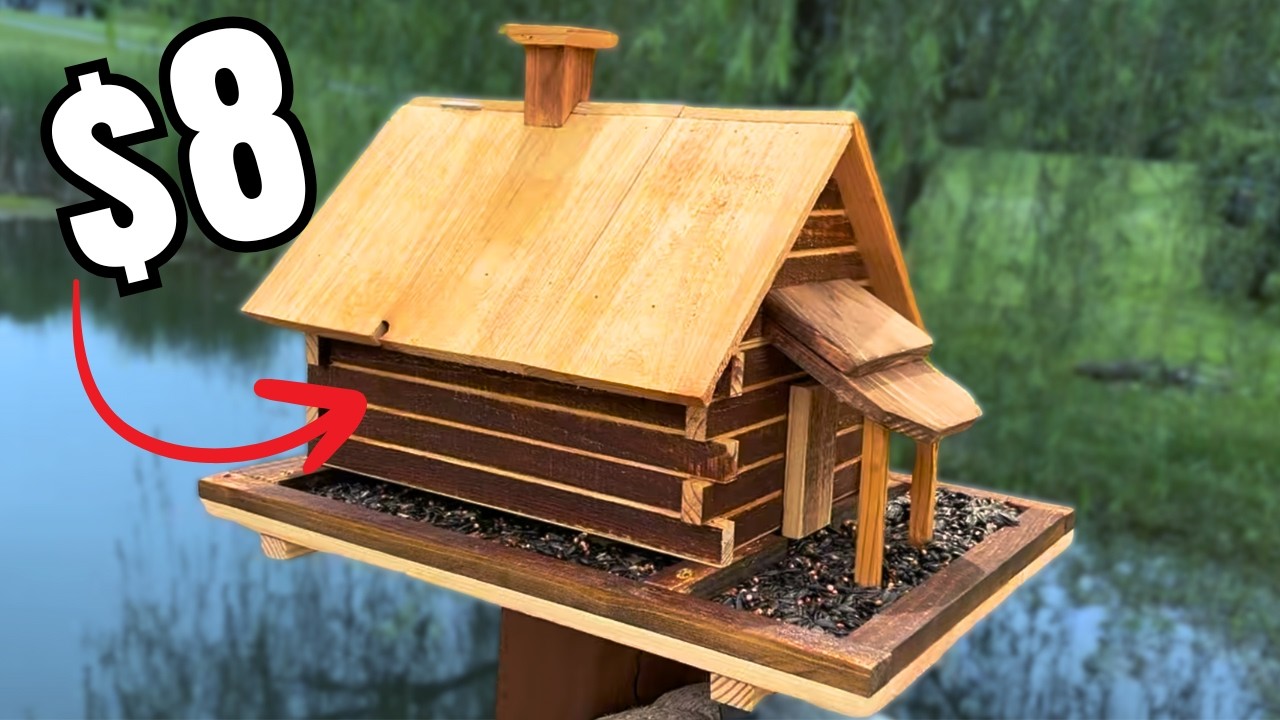
Wooden feeders offer durability and a natural appearance. Use scrap wood or small wooden boxes. Design simple platforms or enclosed boxes with openings. Sand the edges to keep birds safe. Hang feeders with strong ropes or chains from trees. Wooden feeders suit many bird species and last through seasons.
Choosing Bird-friendly Seeds
Choosing the right seeds is key for attracting and feeding birds safely. Different birds prefer different types of seeds. Selecting seeds based on bird species and seasons helps create a welcoming environment. Avoiding harmful ingredients protects birds from illness. Understanding these factors improves your DIY bird feeder experience.
Seeds For Common Birds
Sunflower seeds attract many birds like finches, cardinals, and chickadees. Black-oil sunflower seeds are easy to crack and rich in oil. Millet is great for ground feeders such as sparrows and doves. Nyjer seeds appeal to finches and siskins. Peanuts provide protein for woodpeckers and jays. Mixing these seeds helps feed a variety of birds.
Seasonal Seed Selection
Birds’ diets change with seasons. In spring and summer, offer high-protein seeds like sunflower and peanuts for breeding birds. In fall and winter, birds need more fat for warmth. Choose oil-rich seeds like black-oil sunflower and safflower. Fresh seeds prevent mold and spoilage. Adjusting seeds with seasons supports birds’ health all year.
Avoiding Harmful Ingredients
Avoid seeds treated with pesticides or chemicals. Stay away from moldy or old seeds. Salted or flavored seeds can harm birds. Discard any seeds with fillers or artificial additives. Use fresh, clean, and natural seeds only. Safe seeds protect birds and encourage repeat visits to your feeder.
Credit: m.youtube.com
Placement Tips For Feeders
Place bird feeders where birds feel safe and can easily spot food. Choose a quiet spot near trees or shrubs for shelter and perching. Avoid busy areas to attract more birds to your DIY feeder.
When setting up bird feeders, placement is crucial. It affects both bird safety and feeder visibility. Birds need a safe and inviting environment to visit regularly. Follow these placement tips to create a bird-friendly space.Safe Locations
Choose spots away from busy areas. Keep feeders at least 10 feet from windows. Prevent bird collisions with glass. Ensure feeders are not near roads. Avoid placing them near high-traffic human paths.Visibility For Birds
Position feeders where birds can easily spot them. Open spaces with some cover work best. Birds need clear views to feel secure. Ensure the feeder stands out against its background. A colorful feeder can attract more birds.Protection From Predators
Place feeders away from predators like cats. Elevate feeders on poles with baffles. Ensure no easy access for climbing predators. Avoid placing feeders near dense shrubs. Predators can hide and ambush birds from such spots.Maintaining Your Feeders
Keep your bird feeders clean and dry to prevent mold and bacteria. Check them often and refill with fresh seeds to attract healthy birds. Regular care helps feeders last longer and keeps birds safe.
Maintaining your DIY bird feeders is crucial to ensure they remain a safe and inviting spot for your feathered friends. Proper upkeep not only extends the life of your feeders but also guarantees the health and happiness of the birds visiting your backyard. Let’s dive into some practical tips to keep your feeders in top shape.Cleaning Frequency
Regular cleaning is vital. Aim to clean your bird feeders every two weeks. If you notice any signs of mold or illness in birds, increase the frequency. Use warm water and a mild soap. A scrub brush or old toothbrush works wonders for those hard-to-reach spots. Ensure the feeder is completely dry before refilling to prevent mold growth.Preventing Mold And Pests
Mold and pests can be a real headache. Store birdseed in airtight containers to prevent pests from getting in. Place feeders in shaded areas to minimize the risk of mold. If you spot mold, clean the feeder immediately. Consider using a natural mold inhibitor, like vinegar, during your cleaning routine. This simple step can make a significant difference.Repairing Wear And Tear
DIY feeders can experience wear and tear. Regularly inspect them for any damage. Tighten any loose parts to prevent accidents. Be proactive with repairs. A small crack can quickly become a bigger problem if ignored. Keep a repair kit handy with essentials like glue, string, and replacement parts. Maintaining your bird feeders doesn’t have to be a chore. With a few simple practices, you ensure a welcoming environment for your avian visitors. What steps will you take today to improve the birdwatching experience in your backyard?Frequently Asked Questions
What Materials Are Needed For Diy Bird Feeders?
Common materials include pine cones, peanut butter, birdseed, empty plastic bottles, and wooden spoons. These are affordable and easy to find. Using recycled items helps the environment. Choose safe, non-toxic materials to protect birds.
How Do I Attract Birds To My Homemade Feeder?
Place feeders near trees or shrubs for shelter. Use fresh birdseed suited to local birds. Keep feeders clean and refill regularly. Avoid placing feeders where predators can reach easily.
What Types Of Bird Feeders Can I Make At Home?
Popular DIY feeders include pine cone feeders, bottle feeders, and suet feeders. Each attracts different bird species. Pine cone feeders are simple, while bottle feeders hold more seed. Choose based on your garden space and bird variety.
How Often Should I Clean Diy Bird Feeders?
Clean feeders every two weeks to prevent disease. Use warm soapy water and rinse well. Dry completely before refilling. Regular cleaning keeps birds healthy and feeder attractive.
Conclusion
Building your own bird feeder brings joy and helps nature. It’s a fun way to watch birds close up. Simple materials and a little time create a cozy spot for birds. Feeding birds supports their health and brightens your garden.
Try different designs to find what birds like best. Small steps make a big difference for wildlife. Start today and enjoy peaceful moments with feathered friends. DIY bird feeders connect us to the natural world every day.




