
Have you ever seen a bird kicking up dust and wondered why it does that? It might look messy or strange, but dust bathing is actually an important part of a bird’s daily routine.
If you’ve ever been curious about why birds cover themselves in dirt instead of water, you’re about to discover surprising reasons behind this natural behavior. Understanding why birds dust bath will change the way you see them and help you connect with nature on a deeper level.
Keep reading to uncover the secrets behind this fascinating habit and why it matters for your feathered friends.
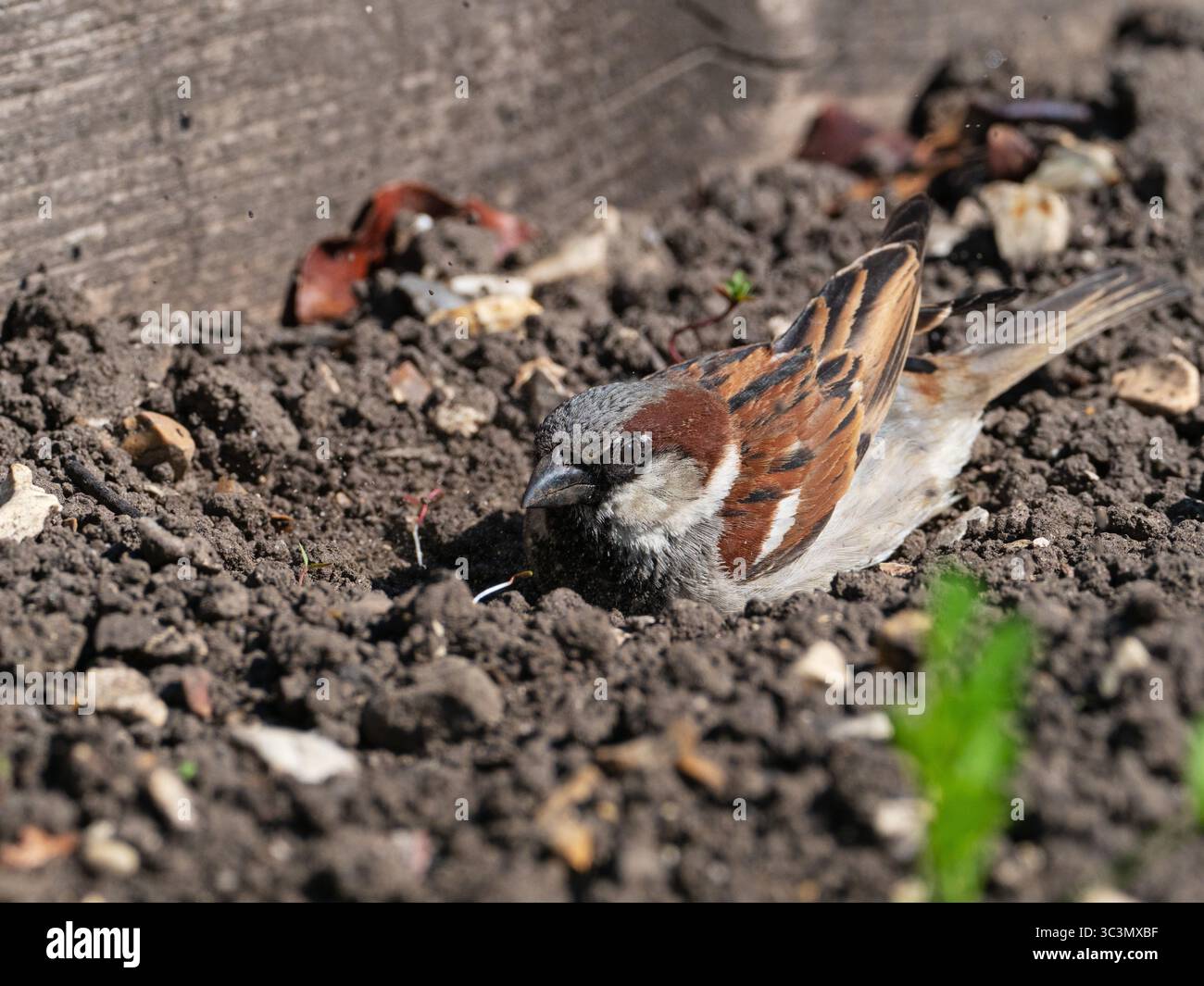
Credit: www.alamy.com
Purpose Of Dust Bathing
Birds take dust baths to keep themselves clean and healthy. This natural behavior serves several important purposes. Dust helps birds maintain their feathers and skin in good condition. It also protects them from pests and diseases. Understanding why birds dust bathe reveals how vital this action is for their survival.
Cleaning Feathers
Dust baths help birds remove dirt and oil from their feathers. The fine particles absorb excess oil and moisture. This stops feathers from becoming sticky or heavy. Clean feathers allow birds to fly easily and stay warm. Dust also helps spread natural oils evenly on feathers.
Removing Parasites
Parasites like mites and lice hide in bird feathers. Dust particles get into feathers and disrupt these pests. The dust irritates parasites and forces them out. Birds then shake off the dust with their wings. This reduces parasite numbers and keeps birds healthier.
Maintaining Feather Health
Dust bathing strengthens feathers and skin. It prevents feathers from breaking or clumping. The dust also helps dry feathers after water baths. Healthy feathers protect birds from cold and rain. Dust baths are a simple way to keep feathers in top shape.
How Birds Perform Dust Baths
Birds use dust baths to keep their feathers clean and healthy. This natural behavior helps remove oils, dirt, and parasites. Understanding how birds perform dust baths reveals their careful choice and specific movements.
Choosing The Right Spot
Birds select dry, loose soil or sand for dust bathing. The spot must be free of moisture to absorb oils effectively. They often prefer sunny areas to help dry their feathers quickly. The ground should be soft enough for easy digging and tossing dust.
Dust Bathing Movements
Birds crouch low and flap their wings to stir up dust. They roll and wiggle their bodies into the dust to cover all feathers. Using their feet, they kick dust over their backs and sides. These actions help dust reach deep into the feathers, removing unwanted particles.
Frequency And Timing
Birds dust bathe regularly to maintain feather health. They usually bathe in the morning or late afternoon. This timing avoids the hottest parts of the day. Frequency depends on the bird’s environment and activity level, but most bathe several times a week.
Health Benefits Of Dust Bathing
Birds use dust bathing as a natural way to keep their bodies healthy. This simple action offers several important health benefits. It helps maintain their skin, manage body temperature, and reduce stress. Each benefit plays a key role in a bird’s daily life and survival.
Skin Care And Oil Distribution
Dust bathing helps birds keep their feathers clean and strong. The dust absorbs excess oils and removes dirt. It also helps spread natural oils evenly across feathers. This keeps feathers flexible and waterproof. Healthy feathers are vital for flying and protection.
Temperature Regulation
Dust bathing helps birds cool down on hot days. The dry dust absorbs moisture and heat from the skin. This process helps lower their body temperature. It is a natural way to stay comfortable without water. Dust baths also dry wet feathers quickly after rain.
Stress Relief
Birds use dust baths to relax and feel calm. The act of rolling and fluffing in dust reduces tension. It works like a natural massage for their muscles and skin. This simple activity boosts their mood and overall well-being. Dust bathing is a key part of a bird’s daily routine.

Credit: www.youtube.com
Environmental Factors Influencing Dust Bathing
Birds use dust bathing to keep clean and healthy. This behavior depends on many environmental factors. These factors shape how often and where birds take dust baths. Understanding these helps explain this natural habit better.
Impact Of Habitat
Different habitats affect dust bathing habits. Birds in dry areas have easy access to loose soil. Forest birds may find fewer open dusty spots. Urban birds may struggle to find clean dust places. Habitat type changes the dust bath frequency and location.
Seasonal Variations
Seasons influence dust availability and bird activity. Dry seasons make dust more available for bathing. Wet seasons can reduce dust spots due to rain. Birds may dust bathe more in dry months. Seasonal changes also affect bird behavior and health.
Availability Of Dust
Loose, dry soil is key for dust bathing. Birds need fine dust to absorb oils and dirt. Hard or wet ground limits dust bath chances. Birds often seek open, bare patches with soft dust. Dust quality and amount directly impact dust bath quality.
Dust Bathing In Different Bird Species
Birds across the world practice dust bathing as a natural way to keep clean. This behavior varies among species but serves similar purposes. Dust bathing helps birds remove parasites and maintain healthy feathers. Different species have unique ways of dust bathing, shaped by their environments and needs.
Common Dust Bathers
Many bird species enjoy dust baths. Sparrows, finches, and doves are well-known dust bathers. They find dry, loose soil or sand to roll and flap their wings. Chickens and pigeons also dust bathe regularly. This behavior helps these birds stay free of mites and other pests.
Unique Bathing Behaviors
Some birds show special dust bathing styles. The American robin uses dry dirt but shakes its wings differently. Burrowing owls dust bath inside their nests to stay clean. Certain parrots use dust made from volcanic ash. These unique actions suit their habitats and protect their feathers well.
Adaptations To Dust Bathing
Birds have physical traits that aid dust bathing. Feather structure traps dust and dirt, loosening parasites. Strong legs help birds dig and create dust baths. Some birds have special oils that mix with dust to clean feathers. These adaptations make dust bathing more effective and vital for health.

Credit: www.aol.com
Human Interaction And Dust Bathing
Birds engage in dust bathing to remove parasites and excess oil from their feathers. This natural behavior keeps them clean and healthy. They often flap and shake in dry soil, ensuring their plumage remains in optimal condition.
Birds have an intriguing behavior known as dust bathing, where they flap and wriggle in the dirt, coating themselves with dust. This seemingly messy ritual is vital for their health, helping to remove parasites and excess oils from their feathers. As humans, our interaction with this unique habit can greatly impact both pet and wild birds.Providing Dust Baths For Pet Birds
If you own pet birds, have you considered giving them a dust bath? It’s an enriching activity that promotes their well-being. You can create a simple dust bath by using a shallow dish filled with clean, fine sand or specialized bird dust. Place the dish in an area where your bird feels safe and comfortable. Encourage your feathered friend by gently guiding them towards the bath. Regular dust bathing can lead to healthier plumage and a happier bird.Observing Dust Bathing In Wild Birds
Have you ever watched a bird dust bathing in the wild? It’s a fascinating spectacle and an opportunity to connect with nature. By observing this behavior, you can gain insights into the habits and needs of local wildlife. Next time you’re in a park or your backyard, take a moment to look for birds engaging in this natural activity. It’s a reminder of the simple joys of life and the wonders of the animal kingdom right at your doorstep.Conservation Implications
Dust bathing has more profound implications than just personal care for birds. The availability of suitable dust bathing sites can affect bird populations. As we alter landscapes, are we considering the habitat needs of our avian neighbors? Supporting conservation efforts that preserve natural habitats can ensure birds have the space they need. Your actions in supporting these initiatives can make a difference in maintaining the delicate balance of our ecosystems.Frequently Asked Questions
Why Do Birds Take Dust Baths Regularly?
Birds take dust baths to remove excess oils, dirt, and parasites from their feathers. This behavior helps maintain feather health and insulation.
How Does Dust Bathing Benefit Bird Feathers?
Dust bathing absorbs oils and loosens debris on feathers. It also helps control mites and other parasites that harm birds.
Can Dust Baths Replace Water Baths For Birds?
No, dust baths complement water baths. Dust helps with parasite control, while water cleans dirt and cools the bird.
What Types Of Birds Commonly Dust Bathe?
Many bird species dust bathe, including sparrows, finches, and pigeons. It is common among ground-feeding and wild birds.
Conclusion
Birds dust bath to keep their feathers clean and healthy. Dust helps remove oil, dirt, and parasites from their bodies. This simple behavior protects birds from skin problems and keeps them comfortable. Dust bathing also helps birds stay cool in warm weather.
It is a natural and important part of their daily routine. Watching birds dust bath shows how they care for themselves. This small action plays a big role in their survival and well-being. Next time you see a bird dust bathing, remember its purpose.
Nature’s way of cleaning, pure and simple.




