
Keeping your bird’s cage clean is one of the most important things you can do to ensure your feathered friend stays healthy and happy. You might think cleaning a cage is a simple chore, but doing it the right way can make a huge difference in your bird’s comfort and well-being.
If you want to avoid bad odors, harmful bacteria, and restless birds, you need to know the best steps to take. You’ll discover easy, effective tips to clean your bird’s cage quickly and safely. Ready to make your bird’s home a fresh and inviting place?
Let’s get started!
Gather Cleaning Supplies
Gathering the right cleaning supplies is the first key to making your bird’s cage spotless and safe. Without the proper tools, cleaning can feel overwhelming and less effective. Think about what you really need to get the job done quickly and thoroughly.
Essential Cleaning Tools
Start with basic tools like a small scrub brush and a sponge. These help remove stuck-on debris without damaging the cage. A handheld vacuum can also be handy for picking up feathers and loose seeds around the area.
Safe Cleaning Solutions
Choose bird-safe cleaners such as mild dish soap or a vinegar-water mix. Harsh chemicals can harm your bird’s health. Have you ever considered how everyday cleaners might affect your pet’s sensitive respiratory system?
Protective Gear For You
Wear gloves to protect your skin from grime and cleaning agents. A mask can help if you’re sensitive to dust or strong smells. Keeping yourself safe lets you focus on deep cleaning without discomfort.
Organizing Your Supplies
Keep everything in a small caddy or bucket for easy access. This saves time and prevents you from running around looking for items mid-clean. How much easier would your cleaning routine be with all your tools right at your fingertips?

Credit: www.amazon.com
Remove Your Bird Safely
Removing your bird safely is the first step before cleaning its cage. Handling your bird with care prevents stress and injuries. A calm bird stays still, making the process smooth. Preparation and gentle actions make a big difference.
Prepare A Safe Area For Your Bird
Choose a quiet, secure space away from other pets. Close windows and doors to stop escapes. Use a small travel cage or a safe room. This keeps your bird calm and protected while cleaning.
Use Gentle Handling Techniques
Approach your bird slowly and speak softly. Extend your hand or offer a perch for it to step on. Avoid grabbing or sudden moves. Support your bird’s body firmly but gently.
Keep Your Bird Comfortable During The Process
Cover the travel cage with a light cloth to reduce stress. Keep the room warm and free from drafts. Speak in a calm voice to soothe your bird. Avoid loud noises or bright lights.
Check For Signs Of Stress
- Rapid breathing or panting
- Fluffed feathers for a long time
- Attempts to escape or bite
- Unusual silence or trembling
Stop and give your bird a break if these signs appear.
Disassemble The Cage
Disassembling your bird’s cage is the first important step in cleaning. Taking the cage apart makes it easier to clean every corner. It also helps prevent damage to the cage or harm to your bird. A well-disassembled cage allows you to reach hidden dirt and bird droppings.
Careful disassembly protects small parts and keeps everything organized for reassembly. This step saves time and ensures a thorough clean. Follow simple guidelines to disassemble your bird’s cage safely and effectively.
Prepare A Clean Workspace
Clear a flat surface near the cage. Lay down old towels or newspapers to catch dirt and debris. Keep small containers nearby to hold screws and clips. This setup keeps everything neat and prevents losing parts.
Remove Accessories And Toys
Take out all food and water dishes. Remove perches, toys, and swings carefully. Set them aside for separate cleaning. Removing these items avoids damage and helps clean all cage parts thoroughly.
Undo Cage Doors And Locks
Open and unfasten all doors and locks gently. Check for any stuck parts that need extra care. This step gives access to the cage interior and simplifies disassembly.
Separate Cage Panels
Look for screws, clips, or hooks holding panels together. Use a screwdriver or tools as needed. Remove panels one by one and place them on the workspace. Keep all hardware in a safe container.
Handle Wire Bars Carefully
When removing wire bars, handle with care to avoid bending. Place them flat on the surface for cleaning. Bent bars can harm your bird or cause cage instability.
Keep Track Of All Parts
Organize cage parts in groups: panels, bars, screws, and accessories. Use small labeled containers if possible. This makes reassembly faster and avoids missing pieces.
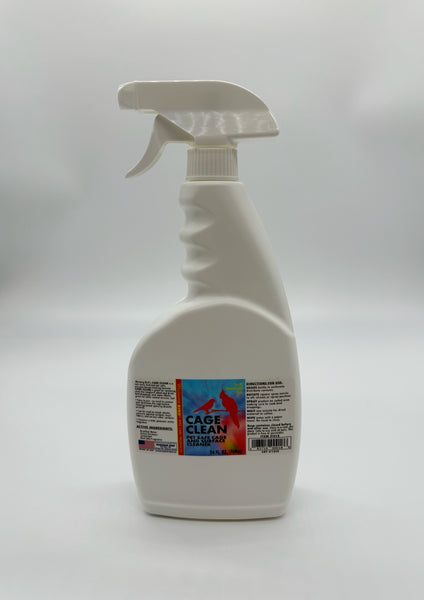
Credit: morningbirdproducts.com
Clean Cage Accessories
Cleaning your bird’s cage accessories is just as important as cleaning the cage itself. These items come into direct contact with your bird daily and can quickly harbor dirt, bacteria, and food residue. Keeping toys, perches, and dishes spotless helps maintain your bird’s health and keeps their environment stimulating and safe.
Toys
Toys can get dirty fast from feathers, droppings, and food bits. Use warm, soapy water to scrub each toy thoroughly. Rinse well to remove any soap residue, which could harm your bird if ingested.
Hard plastic and wooden toys may need extra attention, especially where dirt can hide in crevices. Avoid harsh chemicals; instead, try a vinegar-water solution for tough grime. Dry toys completely before returning them to the cage to prevent mold growth.
Perches
Perches collect droppings and oils from your bird’s feet, making regular cleaning crucial. Remove perches from the cage and soak them in a mixture of warm water and mild soap.
For natural wood perches, scrub gently with a brush to keep the surface intact. Sanitize with a bird-safe disinfectant, then rinse thoroughly. Have you noticed if your bird prefers certain perches over others? Cleaning them often keeps these favorite spots safe and comfy.
Food And Water Dishes
Food and water dishes must be cleaned daily to avoid bacteria buildup. Wash them with hot, soapy water, paying special attention to corners where food can get stuck.
Rinse thoroughly and dry before refilling. If your bird shows signs of illness, consider sterilizing dishes by boiling or using a dishwasher if they are dishwasher-safe. Clean dishes encourage your bird to eat and drink happily, so don’t skip this step.
Wash The Cage Thoroughly
Washing the bird’s cage thoroughly is essential for your pet’s health. A clean cage prevents germs and keeps your bird happy. This process involves careful cleaning to remove dirt, droppings, and old food. Every corner of the cage needs attention to maintain a safe environment.
Use Bird-safe Cleaners
Select cleaners that are safe for birds. Avoid harsh chemicals like bleach or ammonia. These can harm your bird’s respiratory system. Use mild soap or special bird cage cleaners. Natural options, like vinegar diluted in water, work well too. Always rinse the cage well after cleaning to remove any cleaner residue.
Scrub And Rinse
Scrub the cage with a soft brush or sponge. Focus on corners, bars, and the bottom tray. Remove all droppings and food bits stuck to surfaces. Rinse the cage thoroughly with warm water. Make sure no soap or cleaner remains. Let the cage dry completely before putting your bird back inside.
Dry And Reassemble The Cage
Allow the cage to dry completely after washing to prevent mold and bacteria. Reassemble all parts carefully to ensure the cage is secure and safe for your bird. Double-check that doors and locks work properly before placing your bird back inside.
Cleaning your bird’s cage is crucial for their health and happiness, but the job isn’t complete until everything is dry and reassembled. This final stage is where you ensure that the environment is safe and comfortable for your feathered friend. After scrubbing and rinsing, it’s time to focus on getting everything back in place with precision and care.Dry Each Component Thoroughly
It’s essential to dry every part of the cage completely to prevent rust and mold. Use a clean towel to wipe down all surfaces. If possible, let the components air dry in a warm, sunny spot to ensure any lingering moisture evaporates.Inspect For Damage
While drying, take a moment to inspect each piece for any signs of wear and tear. Look for rust, bent wires, or chipped paint. Catching these early can prevent potential harm to your bird.Reassemble The Cage With Care
Begin reassembling by placing the base securely. Ensure all latches and locks are functioning properly. Double-check that the structure is stable before adding accessories.Arrange Perches And Toys Thoughtfully
Position perches at varying heights to encourage movement. Add toys that stimulate your bird’s mind and provide entertainment. Consider rotating toys regularly to keep your bird engaged and curious.Replace Fresh Substrate
Line the cage base with fresh substrate or newspaper. This not only keeps the cage cleaner but also makes it easier to monitor your bird’s droppings for health issues. Choose a substrate that’s safe and comfortable for your specific bird species.Reintroduce Food And Water Dishes
Clean and refill food and water dishes before placing them back in the cage. Ensure they are easily accessible for your bird. Regular cleaning of these dishes is crucial to prevent bacterial growth.Check The Setup For Safety
Before inviting your bird back into its home, do a final safety check. Ensure all components are secure and there are no sharp edges. Ask yourself, is this setup the safest it can be for your bird? Your bird’s cage is more than just a structure; it’s their sanctuary. By taking the time to dry and reassemble it with care, you’re ensuring a healthy environment. What adjustments will you make next time to improve your bird’s habitat even further?Replace Bedding And Liners
Replacing bedding and liners regularly keeps your bird’s cage clean and fresh. It helps prevent odors and reduces bacteria growth. Use safe, bird-friendly materials for best results.
Replacing the bedding and liners in your bird’s cage is a crucial step to ensuring a clean and healthy environment for your feathered friend. Not only does it help control odors, but it also prevents the buildup of bacteria and mold. Regularly swapping out the old bedding can significantly improve your bird’s quality of life, creating a fresh and inviting space for them to enjoy.Why Regular Replacement Is Essential
Changing the bedding and liners regularly prevents the accumulation of waste and debris. This simple action reduces the risk of your bird contracting infections or respiratory issues. It also makes your cleaning routine more manageable, as you won’t be dealing with layers of grime.Choose The Right Bedding
Selecting the appropriate bedding is vital for your bird’s comfort and health. Consider options like paper towels, butcher paper, or specialized bird cage liners. Avoid materials that may be harmful, such as cedar or pine shavings, which can release toxic fumes.How To Replace Bedding Efficiently
Remove the top layer of used bedding and any visible waste. Dispose of it in a sealed trash bag to contain odors and bacteria. Lay down a fresh layer, ensuring it covers the entire cage floor evenly.Monitoring For Cleanliness
Keep an eye on your bird’s habits and adjust the frequency of bedding changes accordingly. If your bird is particularly messy, you might need to replace the liners more often. Observe for any unusual smells or signs of mold, which can indicate it’s time for a change.Encourage Your Bird’s Cooperation
Make the process less stressful for your bird by establishing a routine. Try to replace the bedding at the same time each week. You might find that your bird becomes less anxious and more cooperative over time.
Credit: www.amazon.com
Return Your Bird To The Cage
Returning your bird to its cage after cleaning is a delicate moment that requires patience and care. Your bird needs to feel safe and comfortable in its space to encourage a smooth transition. Handling this step correctly helps maintain your bird’s trust and reduces stress.
Prepare The Cage Before Returning Your Bird
Make sure the cage is dry and free from any cleaning residues. Check that all toys, perches, and food dishes are securely placed. A well-organized cage invites your bird back without hesitation.
Have you noticed how your bird inspects the cage before settling? This shows the importance of a clean and familiar environment.
Use Calm And Gentle Movements
Approach your bird calmly to avoid startling it. Speak softly and move slowly when placing your bird back. Sudden actions can cause your bird to panic or resist.
Remember, your bird watches your body language closely. Staying relaxed helps your bird feel relaxed too.
Offer A Treat Or Favorite Toy For Encouragement
Offering a small treat or a favorite toy can make the return more appealing. This positive reinforcement creates a pleasant association with the cage. You might even find your bird eager to hop back inside.
- Use millet spray or a small piece of fruit as a treat
- Place the toy near the cage entrance to draw attention
- Wait patiently while your bird explores before closing the door
Observe Your Bird’s Behavior After Returning
Watch how your bird adjusts once inside the cage. Look for signs of comfort like preening or chirping softly. If your bird seems agitated, give it some time and space before interacting again.
Have you ever noticed your bird’s subtle cues? These can tell you if they feel secure or need more reassurance.
Establish A Cleaning Routine
Keeping your bird’s cage clean is vital for their health and happiness. Establishing a regular cleaning routine makes this task easier and less time-consuming. A clear schedule helps maintain hygiene and prevents bad odors.
A good routine includes daily spot cleaning and weekly deep cleaning. Both are essential to keep the cage safe and comfortable for your bird. Consistency is key to a healthy environment.
Daily Spot Cleaning
Daily spot cleaning removes waste and leftover food quickly. It prevents bacteria and mold growth. Focus on these areas:
- Remove uneaten food and dirty water
- Clean droppings from perches and cage floor
- Wipe food dishes and water containers
- Check and replace cage liners or paper
Doing these small tasks every day keeps the cage fresh. It also reduces the need for deep cleaning more often.
Weekly Deep Cleaning
Weekly deep cleaning is more thorough and takes more time. It removes dirt and germs that daily cleaning misses. Follow these steps:
- Remove your bird and place it safely elsewhere
- Take out all toys, perches, and accessories
- Wash cage bars, floor, and tray with bird-safe cleaner
- Scrub toys, perches, and dishes with hot, soapy water
- Rinse everything well and let dry before returning
Deep cleaning once a week keeps your bird’s home healthy. It also helps spot wear or damage early.
Frequently Asked Questions
How Often Should I Clean My Bird’s Cage?
Clean your bird’s cage at least once a week. Daily spot cleaning removes droppings and food debris. Regular cleaning prevents bacteria build-up and keeps your bird healthy and happy.
What Supplies Do I Need To Clean A Bird Cage?
You need a mild soap, warm water, a scrub brush, paper towels, and bird-safe disinfectant. Avoid harsh chemicals that can harm your bird. Gloves are recommended to protect your hands during cleaning.
Can I Use Vinegar To Clean My Bird’s Cage?
Yes, diluted white vinegar is safe and effective for cage cleaning. It removes odors and disinfects naturally. Rinse thoroughly to remove any vinegar smell before returning your bird to the cage.
How Do I Clean Bird Cage Accessories Properly?
Remove all toys, perches, and dishes. Wash them with mild soap and warm water. Rinse well and dry completely before placing them back inside the cage to prevent mold and bacteria growth.
Conclusion
Cleaning your bird’s cage keeps your pet healthy and happy. Regular cleaning stops germs and bad smells. Use safe cleaners and fresh water every time. Check all parts of the cage carefully. Clean toys and perches too. A clean cage means a safe home for your bird.
It also helps you enjoy your time with your pet. Simple steps make a big difference. Keep your bird’s space fresh and tidy often. Your bird will thank you with cheerful chirps and bright feathers.




