
Have you ever wished you had eyes all around your car to catch every blind spot? That’s exactly what bird’s eye car cameras do.
They give you a complete, clear view of your vehicle’s surroundings, making parking and driving safer and easier. But how do these amazing systems actually work? You’ll discover the simple technology behind bird’s eye cameras and how they can change the way you drive.
Keep reading—you might find out something that could protect your car and make your trips stress-free.
Birds Eye Car Camera Basics
Understanding the basics of Birds Eye Car Cameras can change how you approach parking and driving in tight spaces. These systems give you a clear, 360-degree view around your vehicle. This technology reduces blind spots and helps you avoid obstacles that are hard to see from the driver’s seat.
What Is Birds Eye View Technology
Birds Eye View technology stitches together images from multiple cameras placed around your car. The result is a single, seamless top-down image that shows everything around your vehicle. This view mimics looking down from above, giving you a comprehensive perspective on your surroundings.
Have you ever struggled to park in a narrow spot or navigate a crowded garage? Birds Eye View technology solves this by showing you exactly where your car is in relation to other objects. This makes parking safer and less stressful.
Key Components Of The System
The system relies on several important parts working together:
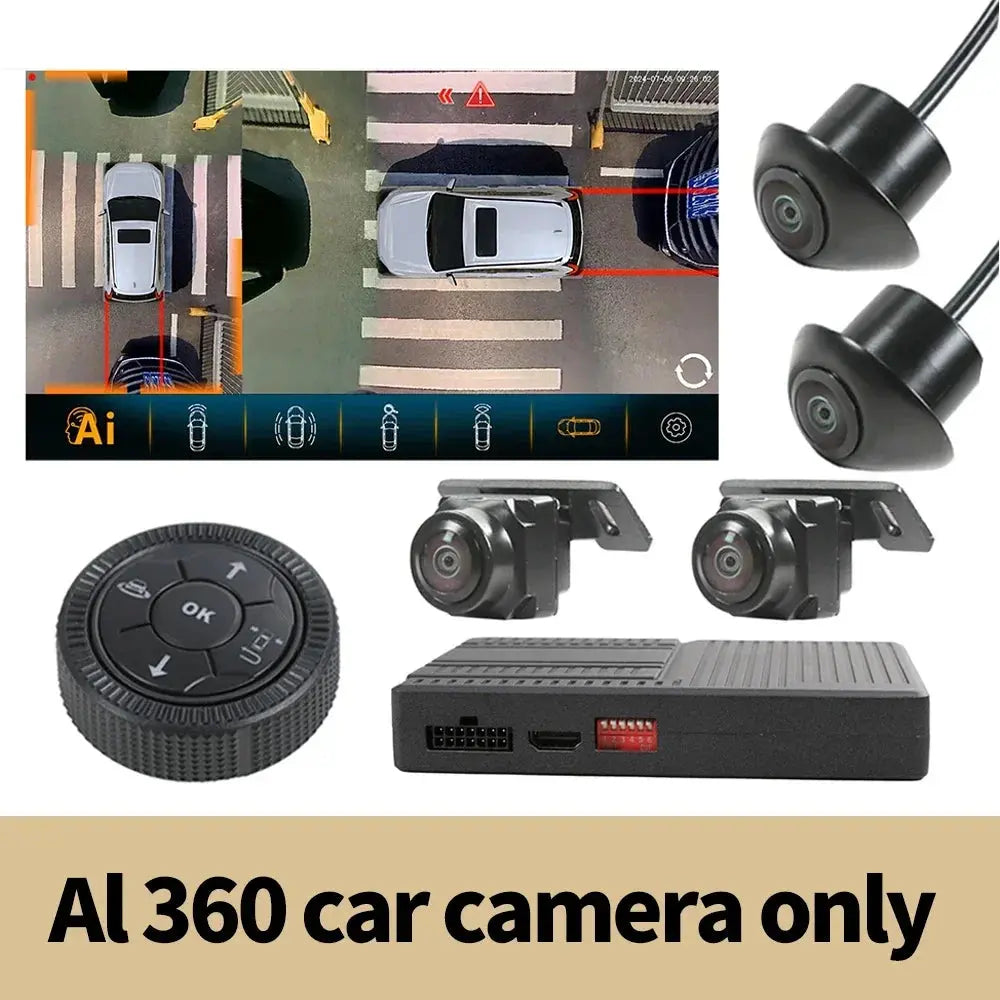
- Cameras:Usually four or more wide-angle cameras are installed around the car—front, rear, and both sides.
- Image Processing Unit:This computer processes and stitches the different camera feeds into one unified image.
- Display Screen:The processed image is shown on your car’s infotainment screen or dashboard display.
- Sensors:These sometimes assist the cameras to improve accuracy and detect obstacles.
All these components work in real time, updating the view as you move. This helps you make quick decisions, such as when to turn the steering wheel or stop the car. Imagine how much easier backing out of a busy parking lot becomes with this system guiding you.
How Cameras Capture Surroundings
Birds eye car cameras capture the vehicle’s surroundings through multiple lenses. These cameras work together to create a complete view around the car. The system stitches images from each camera to form a single, clear picture. This helps drivers see blind spots and park safely.
Types Of Cameras Used
Different cameras serve distinct roles in birds eye systems. Wide-angle cameras capture broad views, covering large areas. Fish-eye lenses offer a 180-degree or more field of view. Some systems use standard cameras with narrower views for detail. Cameras have high resolution to ensure clear images in various light conditions.
- Wide-angle cameras show a broad area around the car.
- Fish-eye lenses provide a panoramic, curved view.
- Standard cameras focus on close-up details.
- Infrared cameras help in low-light or night conditions.
Placement Around The Vehicle
Cameras are installed at key points on the vehicle for full coverage. The front camera usually sits near the grille or bumper. Side cameras are mounted under each side mirror. The rear camera is placed above or near the license plate. This setup captures all angles to avoid blind spots.
| Camera Location | Purpose |
|---|---|
| Front Bumper | Captures the front view and obstacles |
| Side Mirrors | Shows side lanes and blind spots |
| Rear License Plate Area | Monitors the rear view for backing up |
Image Processing And Stitching
Image processing and stitching play a crucial role in how birds eye car cameras deliver a clear, all-around view. These systems take raw video feeds from multiple cameras placed around your vehicle and turn them into one smooth, combined image. This technology helps you see the full environment without blind spots, making parking and tight maneuvers much easier.
Combining Multiple Camera Feeds
Each camera captures a different angle—front, back, and sides. The system processes these separate feeds simultaneously, aligning them based on the vehicle’s shape and position. This alignment is critical because even a slight mismatch can confuse the driver.
Advanced algorithms adjust brightness, color, and perspective to match each feed. The process also removes distortions caused by wide-angle lenses. This ensures every segment fits perfectly with the others, like pieces of a puzzle.
Creating A Seamless 360-degree View
Once the feeds are combined, the system stitches them into one continuous image. This stitching blends the edges where camera views meet, hiding any lines or overlaps. The result is a smooth, uninterrupted 360-degree perspective around your car.
Have you ever wondered how the transition between camera angles doesn’t feel jerky or confusing? The software continuously updates the stitched image in real-time, adapting as your car moves. This dynamic update keeps the view consistent and reliable, helping you trust what you see on the screen.
Smart Safety Features Enabled
Birds eye car cameras do more than just show you a 360-degree view around your vehicle. They activate smart safety features that help you avoid accidents and make driving less stressful. These features work quietly in the background, giving you real-time information that can keep you and your passengers safer.
Obstacle Detection And Alerts
These cameras constantly scan the area around your car for obstacles, like pedestrians, cyclists, or other vehicles. When something gets too close, you get an immediate alert—either a sound, a visual warning, or both. This helps you react faster and prevents collisions that could happen in blind spots.
Imagine reversing out of a crowded parking lot. With obstacle detection, you don’t have to rely solely on your mirrors or guesswork. The system highlights dangers you might miss, so you can back up confidently without fear of hitting something unexpected.
Assisted Parking And Navigation
Parking can be tricky, especially in tight spaces or busy areas. Birds eye cameras guide you by providing a clear, top-down view of your car’s position relative to curbs, lines, and other cars. This visual aid helps you steer precisely and avoid scrapes or bumps.
Some systems even suggest the best way to park or automatically adjust your steering to fit into tight spots. This feature is especially useful if you’ve ever felt stressed about parallel parking or squeezing into a narrow garage.
Have you noticed how much easier parking feels when you can actually see the space around you? With these smart features, your car practically becomes your parking assistant, reducing stress and improving your overall driving experience.
Advantages For Drivers
Birds Eye Car Cameras offer several clear advantages that can change the way you drive. They provide a smarter, safer driving experience by giving you a better understanding of your vehicle’s surroundings. These benefits are especially noticeable in tight parking spots and busy traffic situations.
Enhanced Visibility
One major advantage is the improved visibility all around your car. Instead of relying solely on mirrors, you get a complete 360-degree view from the cameras. This means you can see obstacles that are low or close, which might otherwise be missed.
Think about how many times you’ve struggled to see a curb or a small object while parking. Birds Eye Cameras solve that problem by showing you exactly what’s near your wheels and bumpers. This helps prevent scratches and dents, saving you money and stress.
Reducing Blind Spots
Blind spots cause many accidents and near-misses. These cameras dramatically reduce those hidden areas by combining images from multiple angles. You no longer have to guess what’s beside or behind your car.
Imagine driving on a busy street and needing to change lanes. The Birds Eye view lets you spot a cyclist or motorbike lurking in a blind spot. This extra safety margin can protect you, your passengers, and others on the road.
- Increase confidence when reversing
- Improve safety during tight maneuvers
- Help new drivers learn spatial awareness
How much safer could your daily commute be with this kind of visibility? Birds Eye Car Cameras give you that edge, turning guesswork into clear, actionable information.

Credit: www.fjcruiserforums.com
Limitations And Challenges
Birds eye car cameras can struggle in poor lighting or bad weather. Image distortion and blind spots may also affect their accuracy. Regular maintenance is needed to keep the system reliable.
Birds Eye Car Cameras offer drivers enhanced visibility from multiple angles. They help in parking and navigating tight spaces. Despite their usefulness, they have certain limitations and challenges. Understanding these can help manage expectations and improve usage.Weather And Lighting Conditions
Weather greatly affects Birds Eye Car Cameras. Rain, fog, or snow can obscure the camera view. This reduces the system’s effectiveness and may cause safety concerns. Low light or bright sunlight impacts the camera’s ability to capture clear images. Shadows and glare can distort the view, making it hard to see objects clearly. Regular checking and adjustments are necessary during adverse weather.System Calibration And Maintenance
Proper calibration is crucial for accurate camera function. Incorrect calibration may lead to distorted images or misaligned views. Regular maintenance ensures the system works properly. Dirt and debris on the lenses can blur the images. Cleaning the cameras regularly is important for clear visibility. Software updates also play a role in maintaining system efficiency. Keeping the system updated can enhance performance and reliability.Future Trends In Birds Eye Camera Tech
Birds eye car cameras have already changed how you see your vehicle’s surroundings. But the technology is far from standing still. New trends are shaping what these systems can do next, making your driving safer and more intuitive.
Integration With Autonomous Driving
Imagine your birds eye camera working hand-in-hand with self-driving features. This integration means the camera feeds real-time data to the car’s AI, helping it understand complex environments better.
This cooperation can improve navigation in tight spots, like parking garages or crowded streets. Your car could detect obstacles from every angle, reducing blind spots and preventing accidents.
As autonomous driving grows, birds eye cameras won’t just assist you—they’ll become essential eyes for your vehicle’s decision-making system. How comfortable would you feel trusting your car to watch every corner for you?
Advances In Image Processing
Sharper images and faster processing speeds are changing what birds eye cameras deliver. Enhanced algorithms can stitch together multiple camera views into seamless, high-resolution 3D images.
This clarity helps you spot small hazards like low curbs or children playing nearby. Plus, improvements in night vision and glare reduction mean better visibility in challenging conditions.
These advances turn raw footage into actionable insights, highlighting potential dangers before you see them yourself. Could your driving confidence grow if you had this extra layer of visual information?

Credit: www.man.eu
Credit: www.greensafaris.com
Frequently Asked Questions
What Is A Birds Eye Car Camera System?
A birds eye car camera system uses multiple cameras around the vehicle. It stitches their views to create a top-down 360-degree image. This helps drivers see surroundings clearly and avoid blind spots while parking or maneuvering.
How Do Birds Eye Car Cameras Enhance Parking?
These cameras provide a real-time overhead view of the car. This view shows obstacles and tight spots clearly. It helps drivers park safely and precisely, reducing the risk of collisions and scrapes.
What Technology Powers Birds Eye Car Cameras?
Birds eye camera systems use wide-angle or fisheye lenses. They combine images using advanced software algorithms. This creates seamless panoramic views that help drivers navigate tight spaces confidently.
Are Birds Eye Car Cameras Useful In All Conditions?
Yes, most systems work well in various lighting and weather. They often include night vision or infrared features. This ensures clear visibility and safety during low light or bad weather.
Conclusion
Birds eye car cameras give drivers a clear view around their vehicle. They use several cameras to create one full image. This helps avoid accidents and makes parking easier. Many people find these systems useful for daily driving. Understanding how they work helps you use them better.
Clear vision means safer trips for you and others. These cameras blend technology with simple safety needs. They show what your eyes might miss. A smart tool for safer roads.




