
Have you ever caught your rabbit nibbling on bird seed and wondered if it’s safe for them? If you’re a rabbit owner or just curious, you might be asking yourself, “Do rabbits eat bird seed?” Understanding what your furry friend can and cannot eat is key to keeping them healthy and happy.
You’ll discover the truth about rabbits and bird seed, so you can make the best choices for your pet’s diet. Keep reading to learn what you need to know to protect your rabbit and satisfy your curiosity.
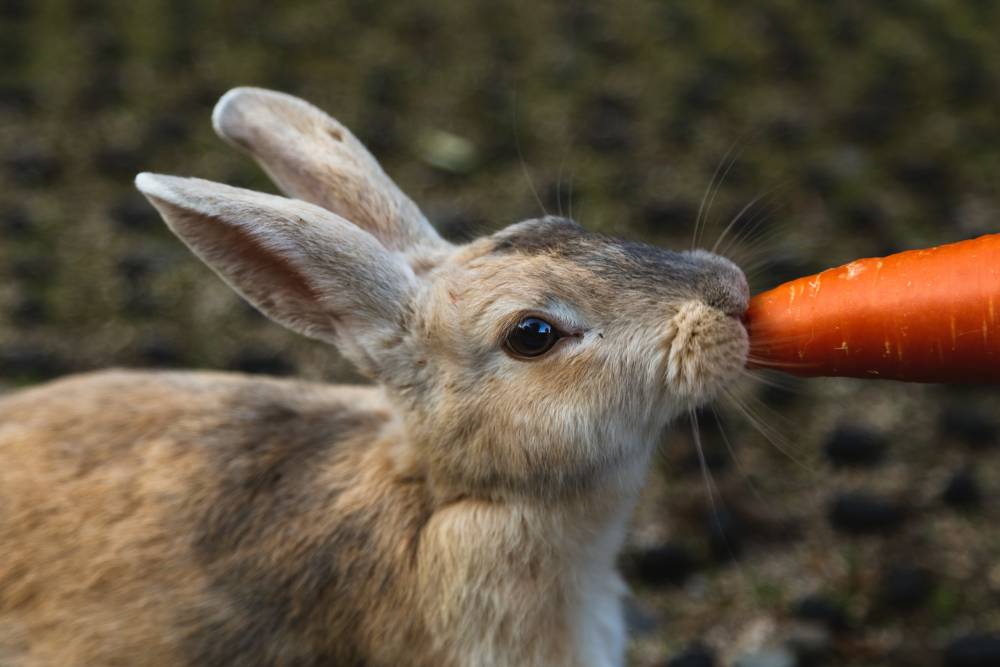
Credit: petsloungeuae.com
Rabbits And Bird Seed
Rabbits are curious animals that often explore their surroundings for food. Bird seed is commonly found in gardens and yards. This raises a question: do rabbits eat bird seed? Understanding what bird seed contains and what rabbits need helps answer this.
Common Bird Seed Ingredients
Bird seed mixes usually contain several types of seeds. Here are the most common ones:
- Sunflower seeds
- Millet
- Safflower seeds
- Cracked corn
- Nyjer (thistle) seeds
- Peanuts
Some bird seeds have added oils or salt. These can be harmful to rabbits if eaten in large amounts. Seeds like sunflower are high in fat, which is not ideal for rabbits.
Nutritional Needs Of Rabbits
Rabbits need a diet rich in fiber and low in fat. Their main food should be hay, fresh vegetables, and clean water. Fiber helps keep their digestion healthy.
Seeds, including bird seed, are not part of a rabbit’s natural diet. Eating too many seeds can cause stomach upset or obesity. Rabbits need vitamins and minerals from fresh greens, not from seed mixes.
Small amounts of some seeds might not harm rabbits, but it is best to avoid giving bird seed. Providing proper rabbit food ensures they stay healthy and happy.
Can Rabbits Eat Bird Seed?
Can rabbits eat bird seed? This question often arises among pet owners curious about sharing snacks. Bird seed looks harmless, but its effects on rabbits vary. Understanding what bird seed contains helps decide if it is safe.
Rabbits have sensitive digestive systems. Their diet mainly consists of hay, fresh vegetables, and a small amount of pellets. Bird seed is not a typical part of their diet. Knowing the benefits and risks is important before offering any bird seed to rabbits.
Potential Benefits
- Bird seed contains some seeds rich in fats and proteins.
- Small amounts might provide extra energy to active rabbits.
- Variety in diet can sometimes encourage a picky rabbit to eat.
- Some seeds offer vitamins and minerals beneficial for health.
Risks And Dangers
- Many bird seeds are high in fat, which can upset digestion.
- Rabbits may overeat, leading to obesity or stomach issues.
- Some seeds contain shells that can cause choking or blockages.
- Bird seed mixes may contain harmful additives or mold.
- Feeding bird seed can disrupt the balance of a rabbit’s diet.
Signs Of Digestive Issues
Noticing the signs of digestive issues in your rabbit early can make a big difference in their health. Rabbits have sensitive digestive systems, and even small changes in diet—like eating bird seed—can cause problems. Watching closely for symptoms helps you act quickly and avoid serious complications.
Symptoms To Watch For
Keep an eye out for changes in your rabbit’s behavior and physical condition. Some common signs of digestive trouble include:
- Loss of appetite:If your rabbit stops eating or eats much less, it could indicate discomfort.
- Diarrhea or unusual droppings:Soft, runny, or oddly shaped droppings signal digestive upset.
- Abdominal bloating or discomfort:A swollen belly or your rabbit pressing its stomach to the floor means pain.
- Lethargy:If your bunny seems tired or less active, it might be due to digestive pain.
- Teeth grinding:Loud grinding can be a sign of distress.
These symptoms don’t always mean bird seed caused the problem, but they do tell you something is wrong.
When To Consult A Vet
If you spot any of these symptoms, don’t wait too long to get professional advice. Digestive issues in rabbits can worsen rapidly and lead to serious health risks.
- Seek a vet’s help if your rabbit hasn’t eaten for more than 12 hours.
- If you notice persistent diarrhea or bloating lasting over 24 hours, call your vet immediately.
- Any sign of severe lethargy or pain warrants an urgent check-up.
Have you ever noticed subtle changes in your rabbit that later turned out to be serious? Being attentive to these signs can save your bunny’s life. Don’t hesitate to reach out to your vet with any concerns—early treatment matters most.
Safe Alternatives To Bird Seed
Bird seed is not the best food for rabbits. It can upset their stomach or cause health problems. Rabbits need foods that support their digestion and overall well-being. Safe alternatives offer better nutrition and keep rabbits happy and healthy.
Choosing the right treats and snacks helps maintain a balanced diet for your pet rabbit. Here are some options that rabbits enjoy and benefit from.
Recommended Rabbit Treats
- Fresh herbs like parsley, cilantro, and basil
- Leafy greens such as romaine lettuce and spinach
- Small pieces of carrot or bell pepper
- Hay cubes or dried alfalfa in moderation
- Timothy hay pellets designed for rabbits
Healthy Snack Options
- Apple slices without seeds, given sparingly
- Blueberries and strawberries as occasional treats
- Small amounts of cooked sweet potato
- Cucumber slices for hydration and crunch
- Broccoli florets in limited quantities
Feeding Tips For Rabbit Owners
Feeding rabbits properly helps keep them healthy and happy. Knowing what and how much to feed is very important. Rabbits have sensitive digestive systems, so careful feeding avoids many health problems. Bird seed is not an ideal food for rabbits, but understanding safe feeding habits is key. Here are some helpful tips for rabbit owners.
Portion Control
Rabbits need a balanced diet with the right portions. Too much food causes weight gain and digestive issues. Too little food can lead to malnutrition and weakness. Fresh hay should make up most of their diet. Fresh vegetables and pellets are good, but given in small amounts.
- Offer about one cup of fresh vegetables daily.
- Provide unlimited fresh hay for digestion.
- Limit pellets to 1/4 cup per 5 pounds of body weight.
- Avoid feeding bird seed as it is high in fat and can upset digestion.
Avoiding Toxic Foods
Some foods are harmful or even deadly to rabbits. Bird seed often contains ingredients that rabbits should not eat. Avoid foods with salt, sugar, or artificial additives. Keep these foods far from your rabbit’s reach.
- Do not feed chocolate, onions, or garlic.
- Avoid iceberg lettuce and rhubarb leaves.
- Stay away from bird seed mixes containing nuts or dried fruits.
- Stick to safe options like leafy greens and fresh hay.

Credit: petsloungeuae.com
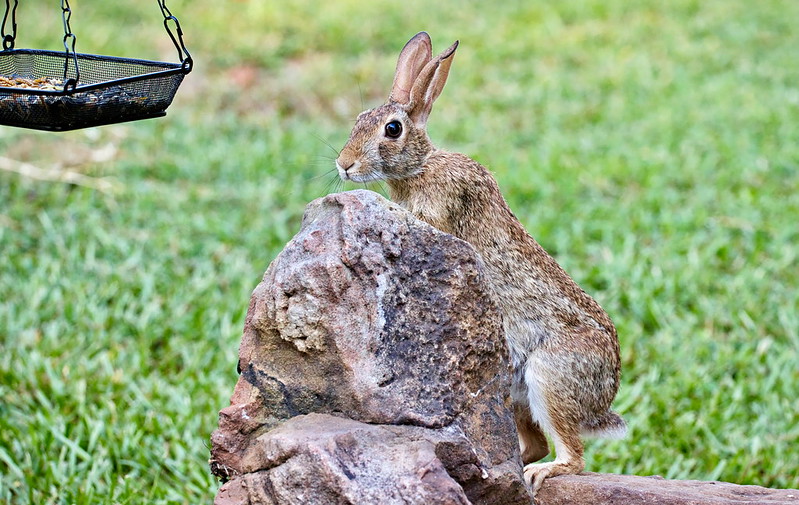
Credit: stevecreek.com
Frequently Asked Questions
Do Rabbits Naturally Eat Bird Seed?
Rabbits may eat bird seed if accessible, but it is not a natural part of their diet. They prefer hay, grass, and leafy greens. Bird seed can contain ingredients that are not ideal for rabbits, so it should be given cautiously.
Is Bird Seed Safe For Pet Rabbits?
Bird seed is generally safe in small amounts but is not recommended as a staple. Some seeds have high fat content that can cause digestive issues in rabbits. Always consult a vet before introducing bird seed into a rabbit’s diet.
Can Eating Bird Seed Harm Rabbits?
Eating large amounts of bird seed can harm rabbits by causing digestive upset or obesity. Seeds high in fat or salt are especially risky. Monitor your rabbit’s health if it consumes bird seed and avoid frequent feeding.
Why Do Rabbits Eat Bird Seed Sometimes?
Rabbits may eat bird seed out of curiosity or hunger when other food is scarce. Seeds offer variety but lack essential nutrients rabbits need. It’s better to provide a balanced diet tailored for rabbits to keep them healthy.
Conclusion
Rabbits can eat some bird seeds, but not all are safe. Seeds like sunflower are okay in small amounts. Avoid salty or flavored mixes that may harm them. Always watch your rabbit’s reaction to new foods. A balanced diet with fresh veggies and hay is best.
Feeding bird seed isn’t necessary but can be a treat. Keep your rabbit healthy by choosing foods carefully. Simple care goes a long way.




