
Have you ever wondered what exactly is in bird seed and why it matters to your feathered visitors? Whether you’re a seasoned bird watcher or just starting to feed birds in your backyard, knowing what goes into bird seed can help you choose the best mix.
The right ingredients not only attract more birds but also keep them healthy and coming back for more. You’ll discover the common components found in bird seed and how each one benefits your winged friends. Keep reading to learn how to make your bird feeding experience more rewarding and enjoyable.
Credit: www.themillstores.com
Common Bird Seed Types
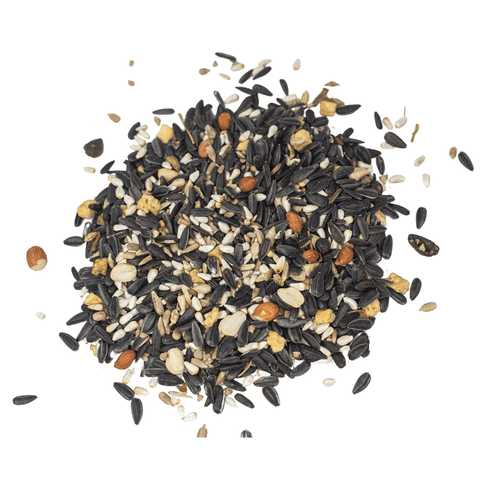
Bird seed comes in many types, each attracting different birds. Choosing the right seed helps bring more birds to your feeder. Seeds vary in size, taste, and nutrition. Many seeds mix well for a balanced diet.
Common bird seed types include sunflower seeds, millet, safflower seeds, and nyjer seeds. Each has unique benefits and attracts specific bird species.
Sunflower Seeds
Sunflower seeds are popular and easy to find. Birds love their high oil content and rich flavor. Black oil sunflower seeds have thin shells, making them easy to eat. These seeds attract cardinals, chickadees, and finches. They provide energy and healthy fats for birds.
Millet
Millet is a small, round seed often found in mixed bird seed. It is favorite food for ground-feeding birds like sparrows and doves. White proso millet is the most common type. Birds enjoy its mild taste and easy-to-digest shell. Millet is good for attracting many small birds to your yard.
Safflower Seeds
Safflower seeds have a tough outer shell and a bitter taste. Few birds avoid them, but cardinals and grosbeaks like these seeds. Safflower seeds resist squirrels and other pests, making them ideal for feeders. They provide a good source of protein and fat for birds.
Nyjer Seeds
Nyjer seeds are tiny and slender, often called thistle seeds. Finches, especially goldfinches, love them. Nyjer seeds need special feeders with small holes. They have high oil content and provide great energy for birds. These seeds help attract colorful finches to your garden.

Credit: www.amazon.com
Unexpected Ingredients
Bird seed is more than just simple grains. It often contains surprising ingredients that help birds stay healthy and strong. These unexpected additions provide extra nutrients and energy. They also make the mix more attractive to different bird species.
Dried Fruits
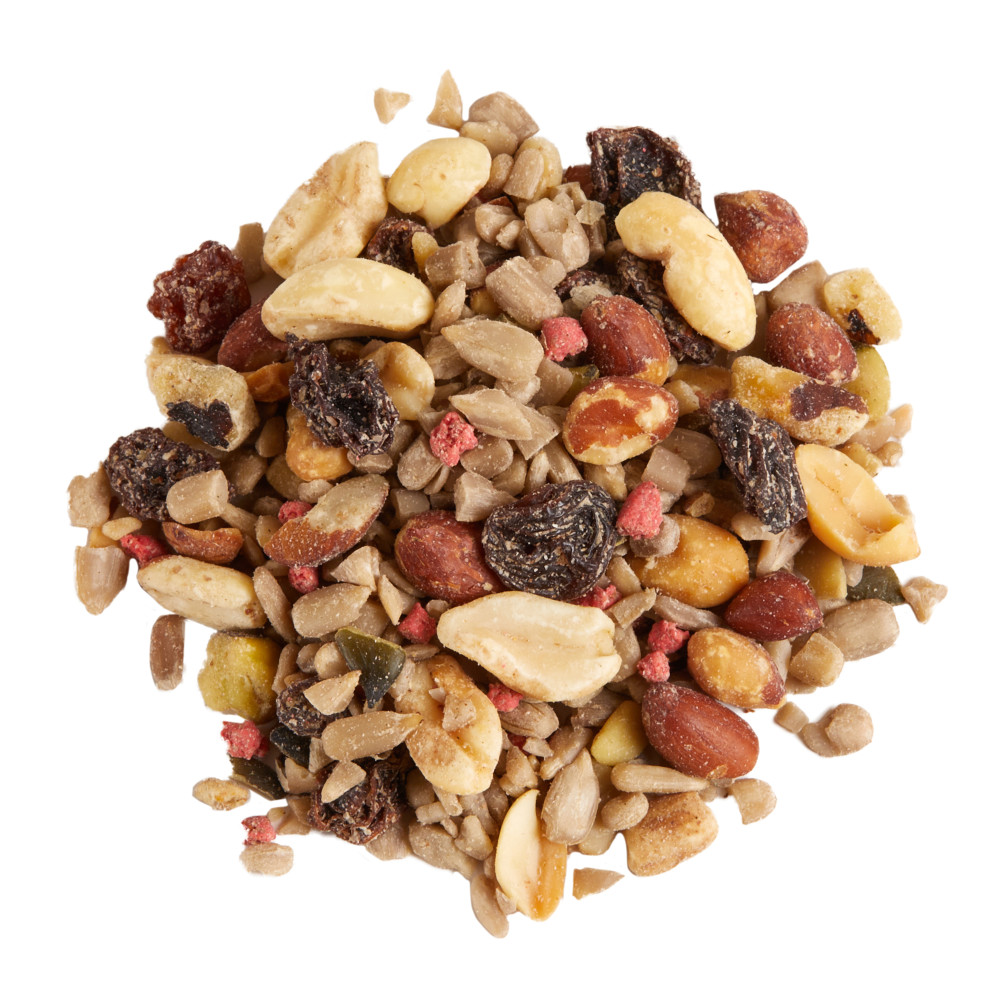
Dried fruits add natural sweetness to bird seed. Common dried fruits include raisins, cranberries, and chopped apples. These fruits offer vitamins and antioxidants. Birds enjoy the taste and the extra energy they get from sugar.
Nuts And Grains
Nuts like peanuts and almonds are common in bird seed. They provide healthy fats and protein. Grains such as oats, barley, and millet add fiber and carbohydrates. These ingredients help birds build muscle and stay active.
Insects And Mealworms
Some bird seed mixes contain dried insects or mealworms. These are rich in protein and fat. Birds like woodpeckers and bluebirds especially benefit from these treats. Insects make the diet more balanced and natural for many bird types.
Nutritional Benefits
Bird seed is more than just food for wild birds. It provides essential nutrients that help birds stay healthy and active. Understanding the nutritional benefits of bird seed helps us appreciate its role in supporting bird life throughout the year.
Proteins And Fats
Proteins are vital for muscle growth and repair in birds. Bird seeds like sunflower and safflower seeds are rich in protein. Fats supply birds with energy, especially during cold weather. Seeds such as peanuts and nyjer have high fat content. These nutrients keep birds strong and ready to fly.
Vitamins And Minerals
Bird seeds contain important vitamins like vitamin E and B-complex. These vitamins support bird immune systems and energy production. Minerals like calcium, magnesium, and phosphorus help build strong bones and feathers. A balanced mix of seeds ensures birds get these vital nutrients.
Fiber Content
Fiber aids digestion in birds. It helps maintain a healthy gut and prevents digestive issues. Seeds such as millet and cracked corn have good fiber levels. Fiber keeps birds feeling full and supports their overall health.
Credit: www.kaytee.com
Additives And Preservatives
Additives and preservatives play a crucial role in bird seed blends. They help maintain freshness, improve taste, and prevent spoilage. Understanding what these additives are can help you choose the best seed for your feathered friends.
Coatings And Flavors
Many bird seeds come with coatings to make them more appealing to birds. These coatings often include natural oils or flavorings like peanut butter or fruit extracts. They encourage birds to eat seeds they might otherwise ignore.
Have you noticed your backyard birds favoring one seed mix over another? Coatings can be the reason behind their preference. They add a little extra nutrition and tastiness without harming the birds.
Mold Inhibitors
Mold inhibitors are added to bird seed to prevent fungal growth during storage. Seeds can easily get damp and moldy, which is harmful to birds if ingested. Common mold inhibitors include substances like propionic acid, which keep seeds safe and fresh longer.
Next time you buy bird seed, check if mold inhibitors are listed. This small detail can make a big difference in the health of your visiting birds, especially in humid climates.
Color Enhancers
Some bird seeds contain color enhancers to make the mix more visually appealing to buyers and birds alike. These additives may brighten the natural colors of seeds or add artificial hues. While they catch your eye, it’s important to know they don’t add nutritional value.
Are you drawn to brightly colored seed mixes? Remember, natural seed colors usually mean fewer unnecessary additives. Your birds will thank you for choosing quality over appearance.
How Ingredients Affect Bird Species
Bird seed blends contain different ingredients that influence which birds visit your feeder. Each bird species has unique food preferences. The seed mix you use can attract certain birds while others may avoid it. Understanding these preferences helps you choose the right seed to support local wildlife.
Seed Preferences By Birds
Different birds prefer specific seed types. For example:
- Fincheslove small seeds like nyjer and thistle.
- Sparrowsoften eat millet and cracked corn.
- Cardinalsfavor sunflower seeds, especially black oil sunflower.
- Doveschoose larger seeds like safflower and millet.
The size, shell hardness, and nutrient content affect seed choice. Birds pick seeds they can easily handle and digest.
Seasonal Ingredient Changes
Bird seed mixes change with the seasons to meet birds’ needs. During winter, mixes are richer in high-energy seeds. Fatty seeds help birds survive cold weather. Spring and summer blends may include more grains and softer seeds. This supports breeding and growth. Seasonal changes keep birds healthy year-round.
Attracting Specific Birds
Choosing the right ingredients can attract particular bird species. Want to see more woodpeckers? Use sunflower chips and suet. To invite finches, offer nyjer seeds. Adding safflower can deter squirrels and attract cardinals. Customizing your seed mix controls the birds that visit your yard. It creates a lively, diverse bird community.
Choosing The Right Bird Seed Mix
Choosing the Right Bird Seed Mix Bird seed mixes often contain sunflower seeds, millet, and cracked corn. Each seed type attracts specific birds. Knowing what’s in the mix helps create a lively garden with a variety of bird visitors.
Choosing the right bird seed mix ensures your feathered friends thrive. Different birds have varying dietary needs. Selecting the correct mix can attract diverse species to your garden. It also ensures birds get the nutrients they need. Let’s explore how to choose the perfect bird seed mix for your needs.Based On Bird Type
Select seeds based on the birds you want to attract. Cardinals love sunflower seeds. Finches prefer nyjer seeds. Doves enjoy cracked corn. Know which birds frequent your area. This helps in choosing the right seeds. Tailor your mix to cater to these birds. It increases the chances of them visiting your feeders.Considering Environment
Your environment plays a big role in seed choice. Urban areas may attract different birds than rural ones. Consider the weather too. In colder climates, high-energy seeds like sunflower are ideal. Warmer regions may attract birds that prefer millet. Adapt your seed mix to the local environment for best results.Avoiding Harmful Ingredients
Not all seeds are safe for birds. Avoid mixes with fillers like wheat and oats. These offer little nutritional value. Be cautious of seeds treated with pesticides. These can harm birds. Always choose high-quality, natural seeds. This ensures the safety and health of your avian visitors.Frequently Asked Questions
What Ingredients Are Commonly Found In Bird Seed?
Bird seed usually contains sunflower seeds, millet, cracked corn, and safflower seeds. These ingredients provide essential nutrients like fats, proteins, and carbohydrates for birds. Mixes vary depending on bird species targeted and season, ensuring a balanced diet and attracting diverse bird types to feeders.
Why Is Sunflower Seed Popular In Bird Seed Mixes?
Sunflower seeds are high in fat and protein, offering great energy for birds. Their tough shells suit strong-beaked birds, and black oil sunflower seeds are especially favored. This ingredient supports bird health and attracts many species, making it a staple in bird seed blends.
How Does Bird Seed Benefit Wild Birds?
Bird seed supplies essential nutrients during scarce food periods. It helps birds maintain energy for migration, breeding, and survival. Feeding birds supports local ecosystems by encouraging biodiversity and provides bird watchers a chance to observe wildlife closely.
Can Bird Seed Contain Additives Or Fillers?
Yes, some commercial bird seeds include fillers like milo or wheat. These fillers are cheaper but less nutritious. It’s best to choose high-quality seed mixes without excessive fillers to ensure birds get the nutrients they need for healthy growth and activity.
Conclusion
Bird seed contains many types of grains and nutrients for birds. Seeds like sunflower, millet, and corn are common. Each seed offers different benefits for bird health and energy. Understanding bird seed helps you choose the best mix for wild birds.
Feeding birds supports local wildlife and brings nature closer. Simple seed blends attract a variety of birds to your yard. Feeding birds is a small act that creates big joy. Keep seeds fresh and dry to help birds thrive.




