
Have you ever found a bird inside your house and didn’t know what to do? It can be stressful and even a little scary when a bird suddenly appears where it shouldn’t.
You want to get it out quickly, safely, and without causing harm to the bird or your home. You’ll discover simple, effective steps to remove a bird from your house calmly and confidently. Keep reading, and you’ll learn exactly how to handle this tricky situation with ease.

Credit: thelintking.com
Signs Of Birds Inside Your Home
Noticing a bird inside your home can be unsettling and confusing. Birds usually avoid indoor spaces, so if one sneaks in, it’s important to act quickly. Recognizing the signs early helps prevent damage and keeps both you and the bird safe.
Common Entry Points
Birds often find their way inside through small openings you might overlook. Check for gaps around windows and doors—these are prime spots. Vents, chimneys, and broken screens also serve as easy access points.
I once found a sparrow trapped in my attic, which entered through a tiny crack near the roofline. That little gap was enough for it to come inside unnoticed. Could your home have similar weak spots?
- Unsealed chimney flues
- Open or damaged window screens
- Gaps around door frames
- Attic vents without covers
Bird Behavior Indoors
Inside your home, a bird behaves differently than outdoors. It may flutter frantically, knocking into walls and windows as it looks for a way out. You might also hear persistent chirping or fluttering sounds.
Once, I heard constant fluttering behind a curtain and found a pigeon trapped between the glass and drape. Noticing unusual noises or sudden movement is often your first clue. Are you hearing sounds that don’t fit your usual home environment?
- Flapping wings against windows
- Repeated chirping or distress calls
- Sudden movement in unusual places like attics or basements
Immediate Steps To Take
Having a bird trapped inside your house can be stressful, but quick and calm action can help you resolve the situation safely. The immediate steps you take will determine how smoothly the bird exits and how little damage is done to your home or the bird itself. Here’s what you should focus on right away.
Stay Calm And Assess
First, take a deep breath and stay calm. Birds can sense panic and may become more agitated, making it harder to guide them out. Look around carefully to see where the bird is and how it’s behaving.
Is it fluttering wildly or sitting quietly? Knowing this helps you decide your next move. Avoid sudden movements or loud noises that could scare the bird further.
Open Windows And Doors
Next, create an easy escape route by opening all windows and doors leading outside. Remove any screens if possible so the bird has a clear path to freedom.
If the bird is near a window, focus your efforts there. You can gently guide it toward the opening by standing behind it and slowly moving in the direction of the exit.
- Turn off indoor lights to reduce confusion.
- Close curtains or blinds on other windows to keep the bird’s attention on the open exit.
- Make sure pets and people stay away from the area.
Have you ever tried to catch a bird indoors? You’ll find that patience and minimal interference often work better than rushing in.
Safe Removal Techniques
Removing a bird from your house requires care and patience to avoid harming the animal or causing it stress. Safe removal techniques focus on guiding the bird out gently, using tools that protect both you and the bird. These methods help maintain calm and ensure a smooth exit.
Using Gentle Guidance
Start by closing doors to other rooms, so the bird has only one way out. Open windows or doors that lead outside, allowing fresh air and natural light to attract the bird. Speak softly and move slowly to avoid startling it.
If the bird lands somewhere reachable, try gently coaxing it with a small towel or piece of cardboard, guiding it toward the exit. Avoid grabbing it suddenly; your calm approach increases the chances of a safe escape. Have you noticed how birds respond better to quiet movements than loud noises?
Tools For Bird Removal
Using the right tools can make the process safer and easier. A lightweight towel or a soft cloth can help you gently catch the bird if it’s too tired to fly out. Gloves protect your hands and prevent accidental injury to both you and the bird.
Consider using a bird net with a long handle for difficult-to-reach places. This tool lets you capture the bird without causing harm. Keep a box or carrier ready to temporarily hold the bird if it cannot fly out immediately, ensuring it stays calm and safe.
Credit: www.callnorthwest.com
Preventing Future Intrusions
Stopping birds from entering your home again is just as important as getting them out. If you don’t take steps to prevent future intrusions, you might find yourself dealing with the same problem repeatedly. Taking control means finding and blocking the spots they use to get inside and making your home less attractive to them.
Sealing Entry Points
Start by carefully inspecting your house for any gaps or holes. Birds can squeeze through surprisingly small spaces, so check vents, chimneys, and areas around windows and doors.
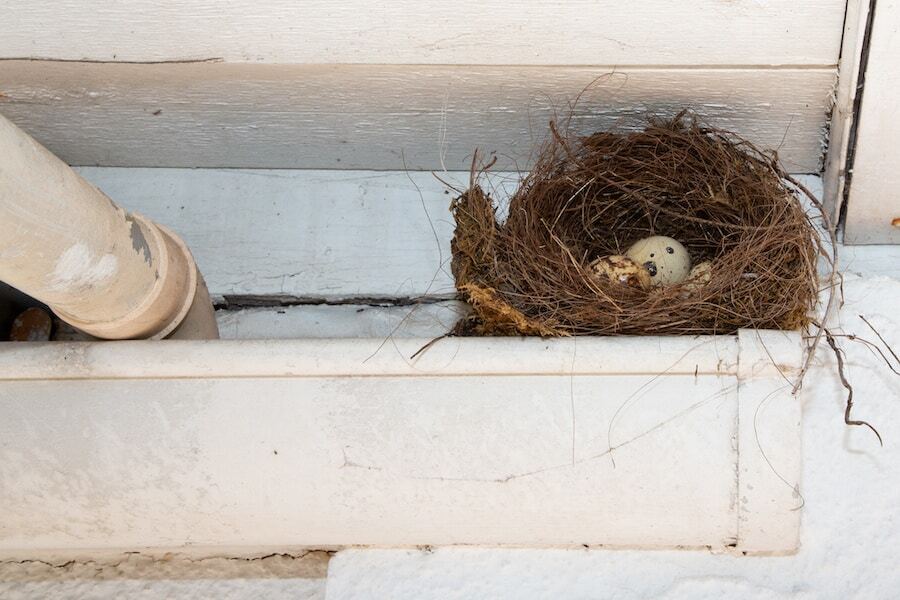
Use materials like wire mesh, caulk, or weather stripping to close these openings. I once found a tiny hole near my attic vent that birds were using to get in. After sealing it with a strong metal mesh, I noticed a big drop in bird visits.
Remember to also look for loose shingles or broken screens. Fixing these weak spots helps keep birds out for good.
Deterrent Methods
Making your home less inviting can stop birds from trying to come back. Visual deterrents like reflective tape, shiny objects, or fake predators such as owls can work well.
Sound deterrents, including ultrasonic devices or recordings of distress calls, might also discourage birds. However, effectiveness can vary depending on the species and environment.
Think about your outdoor space: keeping it clean and free of food scraps reduces attraction. Have you considered how your bird feeders or garden plants might be inviting unwanted guests?
Combining sealing with deterrents creates a strong defense. What small change can you make today to keep birds from making your home their new nest?
When To Call Professionals
Knowing when to call professionals to remove a bird from your house can save you time, stress, and potential harm to both you and the bird. Some situations require expert skills that go beyond simple DIY methods. Recognizing these moments early helps you avoid escalating problems and ensures a safe outcome.
Signs You Need Help
If the bird is injured or trapped in a hard-to-reach area, it’s a clear sign to call a professional. Birds can panic and cause damage to themselves or your home if you try to catch them without experience.
Another sign is if the bird keeps returning after you’ve tried to remove it. This often means there’s a nest or food source nearby that needs proper handling.
Also, if you notice droppings or damage accumulating, it’s best to seek help immediately. These issues can lead to health risks or structural damage that require specialized care.
Choosing The Right Expert
Look for professionals with experience in humane bird removal and wildlife control. Check their credentials and reviews to ensure they follow local wildlife laws and ethical practices.
Ask if they provide a follow-up service to prevent birds from coming back. Effective removal isn’t just about getting the bird out; it’s about keeping your home bird-free for good.
Don’t hesitate to request a detailed plan before hiring. Understanding their approach will help you feel confident about the safety and care of the bird during the process.

Credit: www.familyhandyman.com
Frequently Asked Questions
How Can I Safely Remove A Bird From My House?
Open windows and doors to let the bird exit naturally. Avoid chasing or touching it. Use gentle guidance with a broom if needed.
What Household Items Help In Removing A Bird Indoors?
Use a towel or light blanket to gently catch the bird. A box or container can help safely trap and release it outside.
How Do I Prevent Birds From Entering My House Again?
Seal gaps around windows, doors, and vents. Install bird spikes or netting near entry points to block access effectively.
Is It Harmful To Remove A Bird By Myself?
Removing a bird yourself is safe if done calmly. Avoid stressing the bird or causing injury during removal.
Conclusion
Removing a bird from your house needs care and patience. Act quickly to avoid damage and stress. Use safe methods to guide the bird outside gently. Keep doors and windows open for an easy exit. Clean the area afterward to prevent future visits.
Stay calm and move slowly to avoid scaring the bird. Protect your home by sealing entry points after removal. Small steps make a big difference in handling this problem. Your efforts help keep both your home and the bird safe.




