
Finding a baby bird in need can tug at your heart. You want to help, but you might feel unsure about what to do next.
How do you nurse such a tiny creature back to health? If you’ve ever asked yourself this, you’re in the right place. This guide will walk you through simple, clear steps to care for a baby bird safely and effectively.
By the end, you’ll have the confidence to give that fragile life the best chance to thrive. Ready to make a difference? Let’s get started.

Credit: www.amazon.ca
Identifying Baby Bird Needs
Taking care of a baby bird requires knowing what it needs. Identifying these needs helps you give the right help.
Each baby bird is different. You must watch carefully to understand its condition and needs.
Signs Of Illness Or Injury
Look for signs that show the baby bird is sick or hurt. Early signs can save its life.
Common signs include weak movement, closed eyes, or trouble breathing. Check for wounds or bleeding too.
- Fluffed up feathers and shivering
- Unusual droppings or no droppings
- Broken wings or legs
- Swollen or red eyes
- Difficulty breathing or gasping
Determining Age And Species
Knowing the baby bird’s age helps with feeding and care. Different ages need different food and warmth.
Identify the species to understand its natural diet and behavior. Use size, feather type, and beak shape as clues.
- Newborns have closed eyes and no feathers
- Younger birds have soft down feathers
- Older chicks have growing feathers and open eyes
- Beak shape varies by species and diet
Assessing Immediate Care Requirements
Check what the bird needs right now. Warmth, hydration, and safety come first in emergency care.
Decide if the bird needs to see a wildlife expert fast. Some conditions need urgent help.
- Keep the bird warm with a soft cloth or heat source
- Provide water only if the bird can drink safely
- Place the bird in a quiet, safe container
- Avoid feeding unless you know the right food
- Contact a wildlife rehabilitator for serious injury
Preparing A Safe Environment
Nursing a baby bird needs a safe and calm place. You must prepare an environment that helps the bird heal.
A good environment keeps the bird warm and protected from harm. It also helps prevent infections.
Setting Up A Warm Nest
Baby birds cannot keep their bodies warm. You need to create a nest that stays warm all the time.
Use soft materials like cloth or paper towels. Keep the nest away from drafts and cold areas.
- Place a heating pad under half of the nest
- Keep the temperature around 85-90°F (29-32°C)
- Check the nest often to avoid overheating
Choosing The Right Container
Pick a container that fits the baby bird comfortably. It should hold the nest and keep the bird safe.
Containers like small boxes or plastic bins work well. Make sure the container has good air flow.
- Use a shallow box or basket
- Line the bottom with soft cloth or paper towels
- Keep the container in a quiet, safe spot
Maintaining Cleanliness And Safety
Cleanliness helps keep the baby bird healthy. Remove waste and change bedding often to avoid germs.
Wash your hands before and after handling the bird. Keep pets and children away from the nest.
- Change bedding daily or when soiled
- Use mild soap and warm water to clean containers
- Keep the area quiet and free from stress
Feeding Techniques And Nutrition
Nursing a baby bird requires careful attention to its diet. Proper feeding helps the bird grow strong and stay healthy. Understanding food types and feeding methods is key.
Each bird species may need different care. This guide covers selecting food, feeding frequency, and tools to use for feeding.
Selecting Appropriate Food
Choose food that matches the bird’s natural diet. Baby birds need soft, easy-to-digest food. Protein and nutrients are very important for their growth.
- Soft fruits like mashed bananas and apples
- Insects such as mealworms or crickets, finely chopped
- Commercial hand-feeding formulas made for baby birds
- Boiled eggs mashed into small pieces
- Avoid foods with salt, sugar, or spices
Frequency And Amount Of Feeding
Baby birds need to be fed often because they digest food quickly. Feeding too little or too much can harm the bird.
| Age of Baby Bird | Feedings per Day | Amount per Feeding |
| Newborn (Day 1-7) | Every 15-20 minutes | Small drops, about 0.5 ml |
| One to Two Weeks | Every 20-30 minutes | 1 to 2 ml per feeding |
| Two to Three Weeks | Every 30-60 minutes | 2 to 3 ml per feeding |
| Three to Four Weeks | Every 1-2 hours | 3 to 5 ml per feeding |
Feeding Tools And Methods
Use the right tools to feed the baby bird safely. Feeding tools help control portions and avoid choking.
Common tools include:
- Small syringe without needle
- Dropper or pipette
- Soft paintbrush for gentle feeding
- Specialized feeding spoon for birds
Warm the food to body temperature before feeding. Gently open the bird’s beak and place the food slowly inside. Do not force the food to avoid injury.
Credit: pethelpful.com
Hydration And Fluid Needs
Baby birds need water to stay healthy and grow strong. Proper hydration helps their body work well.
It is important to know how to give fluids safely and watch for signs of dehydration.
Recognizing Dehydration
Dehydration happens when a baby bird loses too much water. It can make the bird very weak.
Look for these signs to know if the bird is dehydrated:
- Dry or wrinkled skin
- Sunken eyes
- Weak or slow movements
- Cold body temperature
- Less peeping or feeding
Safe Ways To Provide Water
Give water carefully to avoid choking or stress. Use a small syringe or dropper.
Offer small drops slowly inside the beak. Let the bird swallow on its own time.
- Use clean, fresh water at room temperature
- Avoid force-feeding water quickly
- Provide water only if the bird shows thirst
- Do not use water with sugar or salt
Avoiding Overhydration Risks
Too much water can harm a baby bird. It may cause swelling or breathing problems.
Do not give large amounts of water at once. Watch the bird’s behavior after feeding.
- Feed water only as needed, not too often
- Stop if the bird coughs or chokes
- Keep feeding small and slow
- Consult a wildlife expert if unsure
Handling And Interaction
Caring for a baby bird needs gentle handling and careful interaction. Proper care helps the bird heal and grow strong.
Understanding how to handle a baby bird reduces its stress and builds trust between you and the bird.
Minimizing Stress During Care
Baby birds can get scared easily. Keep their environment quiet and calm. Avoid sudden movements and loud noises.
- Limit handling time to short periods
- Wear soft gloves to avoid strong smells or oils
- Keep the room warm and dimly lit
- Speak softly when near the bird
Proper Handling Techniques
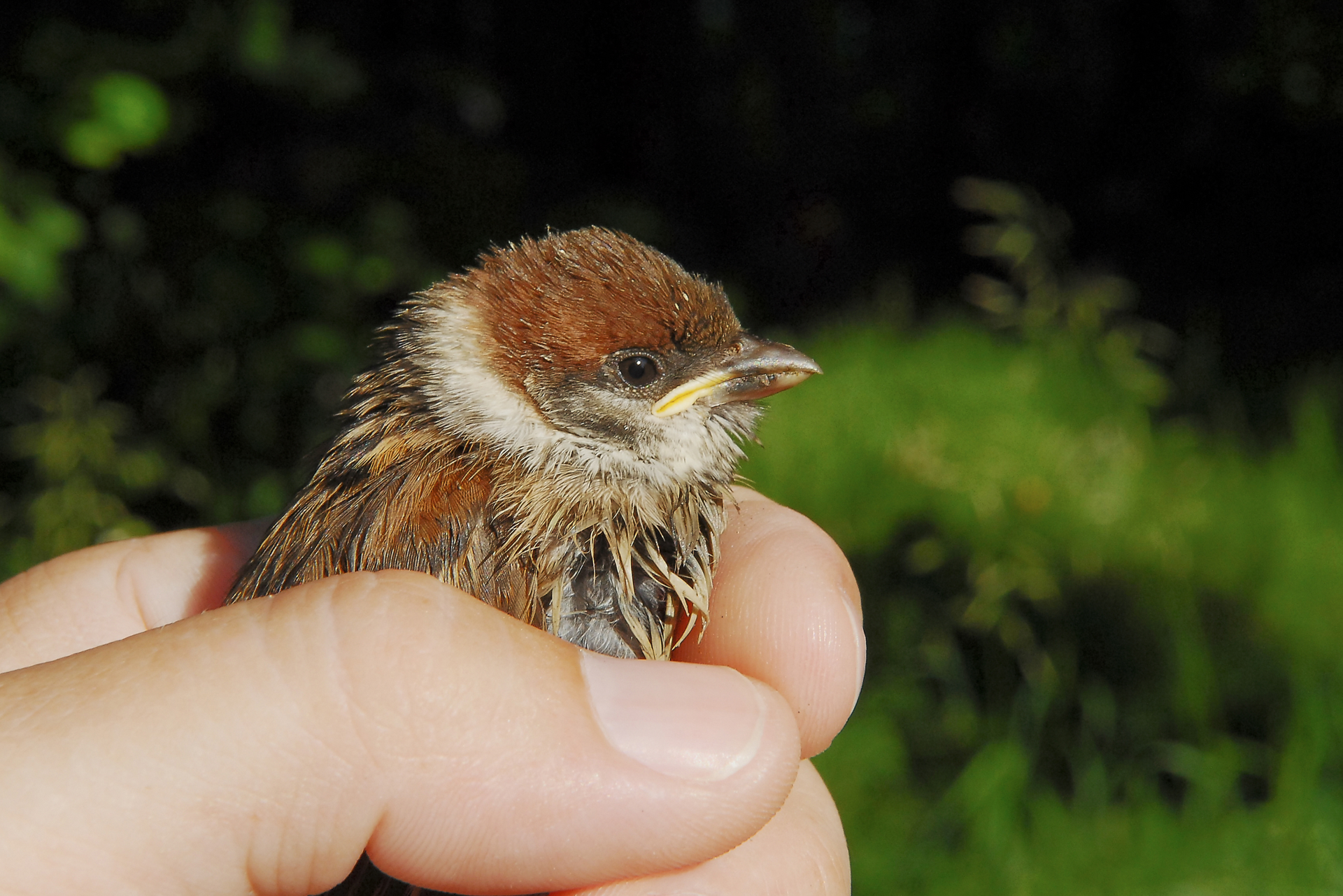
Hold the baby bird gently but firmly to prevent injury. Support its body and keep its head steady.
| Technique | Purpose | Tip |
| Use cupped hands | Support whole body | Don’t squeeze too tight |
| Hold near the chest | Keep bird calm | Support the feet lightly |
| Limit handling time | Reduce stress | Handle only when necessary |
Socialization Considerations
Baby birds need some social contact to stay healthy. But too much human interaction can cause problems.
Follow this guide to balance socialization:
- Allow gentle daily interaction for trust
- Limit loud noises and fast movements
- Introduce other birds only if safe
- Keep social time short to avoid stress
Monitoring Growth And Health
Nursing a baby bird to health requires careful monitoring of its growth and health. Observing changes helps ensure the bird’s development is on track.
Regularly checking the bird’s condition can prevent serious issues. It also helps you know when to seek expert help.
Tracking Weight And Development
Weigh the bird daily to track its growth. A healthy bird gains weight steadily.
Keep a record of its weight and development. This information is useful for veterinarians if needed.
- Use a small digital scale for accuracy
- Note the bird’s feather growth
- Watch for increased activity levels
Signs Of Recovery Or Decline
Check for signs of recovery like improved energy and appetite. Healthy birds show curiosity and alertness.
Be alert for decline signs such as lethargy or loss of appetite. These may indicate health issues.
- Bright, clear eyes indicate good health
- Consistent chirping shows energy
- Puffed-up feathers may signal illness
When To Seek Veterinary Help
If the bird shows no improvement or worsens, seek veterinary help. Quick action can save its life.
Consult a vet if you notice unusual symptoms. They can provide professional guidance and treatment.
- Persistent vomiting or diarrhea
- Breathing difficulties
- Significant weight loss
Preparing For Release
Nursing a baby bird back to health is a rewarding experience. Preparing for its release is the final step. This ensures the bird can survive and thrive in the wild.
It’s vital to ensure the bird is ready and healthy before releasing it. This guide will help you assess readiness and provide post-release support.
Assessing Readiness
Check if the bird can fly well and find food on its own. It should be able to recognize natural foods and avoid predators.
Observe the bird’s behavior and energy levels. A healthy bird is active and alert.
- Healthy feathers and good flying skills
- Able to feed itself
- Alert and responsive
Gradual Transition To Outdoors
Start by placing the bird in a safe outdoor area. Let it adjust to the environment gradually. Supervise its activities to ensure safety.
Increase the time spent outdoors each day. This helps the bird adapt to weather and other natural conditions.
- Begin with short outdoor sessions
- Increase time outdoors slowly
- Ensure a safe environment
Post-release Support
Even after release, provide some support if needed. Offer food and water nearby to help the bird adjust.
Monitor the bird from a distance for a few days. Ensure it is adapting well to its new environment.
| Support | Actions |
| Food and Water | Place near release site |
| Monitoring | Observe from a distance |
| Adjustment | Check adaptation |

Credit: www.reddit.com
Frequently Asked Questions
How Do I Know If A Baby Bird Needs Nursing?
Look for signs like weakness, feather loss, or inability to eat. If the bird is cold or injured, it likely needs nursing. Immediate care improves survival chances.
What Should I Feed A Baby Bird For Recovery?
Feed soft, protein-rich foods like soaked dog kibble or specialized bird formula. Avoid milk or bread. Feed small, frequent meals to support growth and healing.
How Often Should I Feed A Baby Bird?
Feed every 15-20 minutes during daylight for hatchlings. Older birds need feeding every 30-60 minutes. Consistency is key to ensure proper nourishment and health.
How Do I Keep A Baby Bird Warm During Nursing?
Use a heating pad set on low or a warm water bottle wrapped in a towel. Maintain a temperature around 95°F. Warmth prevents hypothermia and aids recovery.
Conclusion
Nursing a baby bird takes patience and care. Watch its health every day. Feed it with the right food and keep it warm. Clean its space often to prevent sickness. Birds grow stronger with gentle handling and love. Small steps bring big changes in their recovery.
Trust your efforts—they make a real difference. Caring for a baby bird helps nature thrive. Stay calm and enjoy each moment with your feathered friend.




