
Are you tired of seeing your bird feeders disturbed by sneaky cats? You want to enjoy watching colorful birds visit your yard, but those curious cats keep getting in the way.
It’s frustrating when your peaceful bird-watching turns into a game of cat and mouse. What if you could protect your feathered friends and still keep your yard cat-free? You’ll discover simple and effective ways to keep cats away from your bird feeders, so you can create a safe haven for birds without any unwanted visitors.
Keep reading to find out how easy it can be to protect your birds and enjoy your garden worry-free.
Why Cats Are Drawn To Bird Feeders
Cats are naturally curious creatures, and bird feeders often catch their attention in surprising ways. Understanding why cats are drawn to these spots can help you find better solutions to keep your feathered friends safe. Let’s look deeper into the instincts and behaviors that lure cats near bird feeders.
Cats’ Hunting Instincts
Cats are born hunters. Even indoor cats retain the urge to stalk and pounce on moving targets.
The fluttering birds around feeders trigger this instinct strongly. Your cat may see a bird feeder as a hunting ground, not just a place with food.
Think about how your cat reacts when you dangle a toy mouse—it’s the same drive pulling them towards bird feeders.
Attraction To Bird Activity
Bird feeders create a hub of constant motion and noise. Birds chirping, fluttering, and feeding create an exciting scene for cats.
That bustling activity can act like a magnet for your cat’s attention, making it hard for them to resist investigating.
Have you noticed how your cat focuses intensely on any flicker of movement? The lively bird feeder environment is exactly that kind of stimulus.
Common Cat Behaviors Near Feeders
- Stalking:Cats often crouch low and move slowly, trying to get closer without being noticed.
- Pouncing:Quick bursts of movement to catch prey, even if it’s just a bird flying away.
- Sitting and Watching:Sometimes your cat will just patiently observe, waiting for the perfect moment.
Recognizing these behaviors helps you anticipate your cat’s next move around bird feeders. How often have you caught your cat in one of these poses, eyes locked on the feeder?
Safe Placement Of Bird Feeders
Placing bird feeders safely helps protect birds from cats. Thoughtful placement reduces risks and keeps birds comfortable. Careful positioning stops cats from sneaking up on birds. Safe feeder spots give birds a secure feeding space.
Choosing The Right Location
Pick a spot visible to birds but hard for cats to reach. Avoid areas near dense bushes or shrubs where cats can hide. Open spaces with clear sight lines help birds watch for danger. Place feeders away from places cats like to rest or wait.
Using Height And Distance To Your Advantage
Mount feeders at least 5 feet above the ground. Keep feeders 10 feet away from places cats can jump from. Cats can leap far, so greater distance works better. Hanging feeders on tall poles or from ceilings helps keep cats away.
Avoiding Cat-friendly Access Points
Remove nearby structures cats use to jump onto feeders. Avoid placing feeders near fences, low trees, or ledges. Trim tree branches close to feeders to block cat access. Use smooth poles without footholds to stop cats from climbing.
Physical Barriers To Protect Feeders
Keeping cats away from bird feeders is crucial to protect the birds and maintain a peaceful feeding spot. Physical barriers offer a straightforward and effective way to stop curious or hungry cats from reaching your feeders. These barriers not only safeguard the birds but also give you peace of mind, knowing you’ve taken solid steps to create a safe environment.
Installing Cat-proof Poles And Guards
Cat-proof poles and guards are designed specifically to block cats from climbing up to bird feeders. These guards are usually made of metal or plastic and fit snugly around poles, making it difficult for cats to get a grip or climb past them.
Installing one around your feeder pole can dramatically reduce cat visits. You might find some guards shaped like baffles or cones that spin when a cat tries to climb, adding an extra layer of defense.
Using Fencing And Enclosures
Fencing off the feeding area creates a physical barrier that keeps cats out entirely. You can build small enclosures or cages around your feeders using wire mesh or garden fencing.
This method also helps protect birds from other predators. Think about placing the feeder inside a fenced garden area or a custom-built aviary to block cats effectively.
Adding Spiky Or Textured Surfaces
Cats dislike walking on uncomfortable surfaces, so adding spiky or textured materials around feeders can deter them. You can use plastic spikes, rubber mats with bumps, or even coarse gravel around the base of your feeder pole.
These surfaces don’t harm cats but make it unpleasant for them to approach. Have you noticed how your cat avoids certain spots in your yard? Adding these textures taps into that natural avoidance instinct.
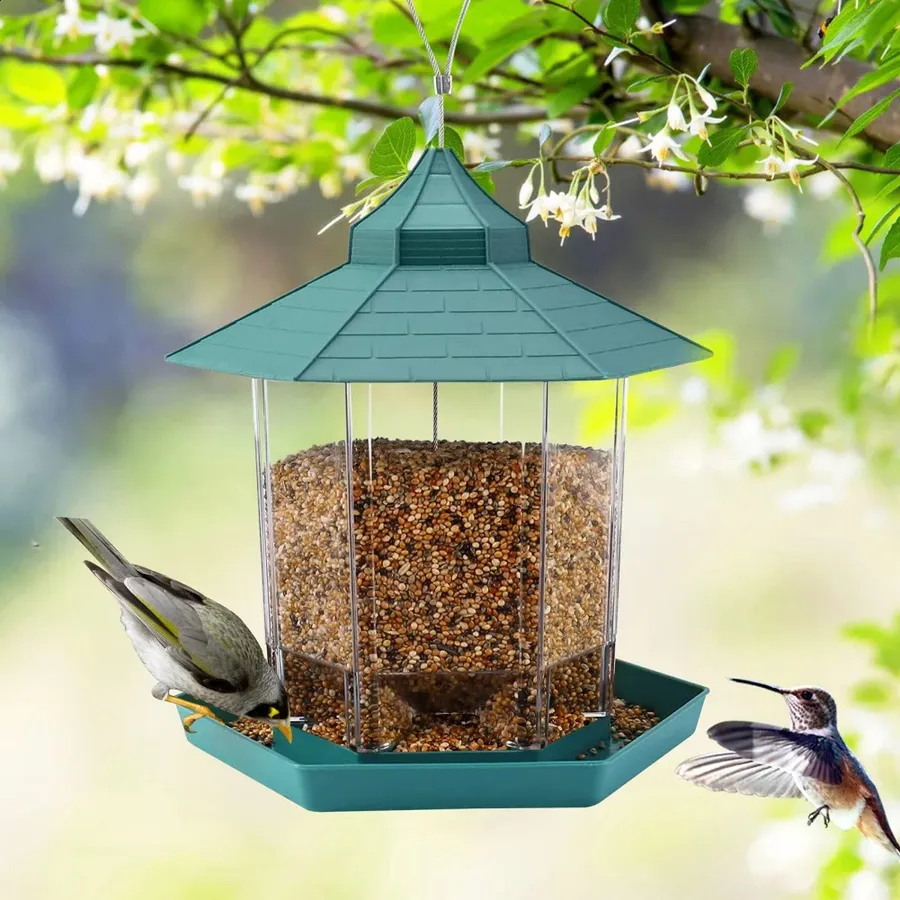
Credit: smart.dhgate.com
Deterrents To Keep Cats Away
Keeping cats away from bird feeders helps protect birds and keeps your garden peaceful. Various deterrents work well without harming cats. These tools create barriers or discomfort that cats want to avoid. Use them alone or in combination for better results.
Natural Scents And Repellents
Cats dislike certain smells that are safe and natural. Sprinkling coffee grounds or citrus peels near feeders can keep cats away. Planting herbs like lavender, rosemary, or rue also helps. These scents create an invisible boundary cats avoid. They are eco-friendly and easy to use.
Motion-activated Devices
Devices that activate by movement startle cats and send them running. Motion-activated sprinklers spray water when cats approach. Other devices use a burst of air or a quick noise. These tools do not harm cats but discourage them effectively. Place them close to feeders for best results.
Sound And Light Deterrents
High-frequency sounds can irritate cats but remain quiet to birds. Ultrasonic devices emit these sounds to keep cats away. Flashing lights or sudden beams also scare cats from feeders. These deterrents work best at night or in low light. They offer a safe way to protect your birds.
Maintaining A Cat-free Feeding Area
Creating a safe space for birds means keeping cats away from feeders. Maintaining a cat-free feeding area requires consistent effort. It helps protect birds and keeps your garden peaceful. The right steps reduce the chance of cats lurking near feeders. Cleanliness, removing attractants, and regular monitoring make a big difference.
Regular Cleaning And Maintenance
Keep the feeding area clean to discourage cats. Remove spilled seeds and bird droppings daily. Clean feeders and surrounding spots with mild soap and water. Check for hiding places like bushes or tall grass nearby. Trim plants that can serve as cover for cats. A tidy space feels less inviting for cats and other predators.
Removing Food Attractants
Birdseed and leftovers can attract cats to feeders. Use feeders with catch trays to reduce seed spillage. Avoid placing feeders near ground level where cats can reach. Pick up fallen seeds and uneaten food regularly. Do not leave pet food outside near bird feeders. Clear away any scraps or crumbs that might lure cats close.
Monitoring And Adjusting Strategies
Watch how cats behave around your feeding area. Note any patterns or times they visit. Change feeder locations if cats keep returning to the same spot. Try using deterrents like motion-activated sprinklers or lights. Adjust your approach based on what works best in your yard. Staying alert helps keep the feeding area safe for birds.

Credit: www.aol.com
Alternative Feeding Options For Birds
Bird enthusiasts often face the challenge of keeping cats away from their beloved feathered visitors. One effective strategy is to offer alternative feeding options for birds. By making a few adjustments, you can create a safe and inviting environment for birds, while deterring curious felines.
Using Enclosed Feeders
Enclosed feeders are a fantastic way to protect birds while they eat. These feeders have a protective barrier that allows birds to access food, but keeps cats and other predators out. Look for designs with small entry holes that only birds can fit through.
When I switched to an enclosed feeder, I noticed a significant drop in the number of cats lurking around. It was a relief to see birds feeding happily without the looming threat of a pouncing cat.
Creating Safe Feeding Zones
Designating specific areas in your garden as safe feeding zones can make a big difference. Choose locations that are elevated or surrounded by natural barriers like thorny bushes. These zones should be easily visible to you, but challenging for cats to access.
Think about installing feeders on poles with baffles, which prevent cats from climbing up. These simple additions can transform your garden into a bird-friendly sanctuary.
Attracting Birds With Plants And Natural Foods
Why not make your garden a bird paradise with plants that naturally attract them? Native plants can provide both food and shelter, creating a habitat that birds will love. Berries, seeds, and nectar-producing flowers are great choices.
Consider planting sunflowers, coneflowers, or berry bushes to offer a buffet of natural food. Not only will this attract a variety of bird species, but it will also enhance the beauty of your garden.
Have you tried any of these methods in your garden? What changes did you notice in your bird visitors? Share your experiences and let’s build a safer, more welcoming environment for our feathered friends.
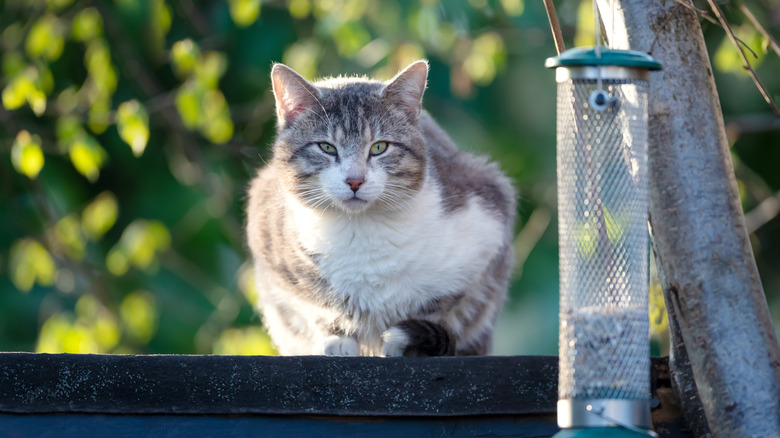
Credit: www.housedigest.com
Frequently Asked Questions
How Can I Prevent Cats From Reaching Bird Feeders?
Place bird feeders on tall poles with baffles. Keep feeders away from walls or trees cats can climb. Use cat deterrents like motion-activated sprinklers nearby to discourage cats.
What Plants Repel Cats Near Bird Feeders?
Plant strong-scented herbs like rosemary, lavender, or rue near feeders. These plants’ smells naturally deter cats without harming birds or the environment.
Are Cat-proof Bird Feeders Effective?
Yes, cat-proof feeders have protective cages or enclosures. They allow birds to feed safely while blocking cats from accessing the food.
Can Physical Barriers Keep Cats Away From Feeders?
Yes, installing wire mesh or netting around feeders creates a barrier. It prevents cats from jumping or reaching bird food.
Conclusion
Keeping cats away from bird feeders protects both birds and cats. Use barriers and place feeders in open spots. Regularly check your yard for cat activity. Try safe deterrents like motion-activated devices. Patience and consistency help maintain a safe space.
Enjoy watching birds without worry or harm. Small efforts make a big difference over time. Your garden can be a peaceful place for all. Stay mindful and keep both pets and wildlife safe.




