
Have you ever noticed your bird feeder looking a little worse for wear? You might be wondering, do raccoons get into bird feeders?
If you’re tired of seeing spilled seeds and messy feeders, you’re not alone. Raccoons are clever and curious creatures, and they often find ways to sneak a snack from your carefully stocked feeder. You’ll discover why raccoons are drawn to bird feeders, how they get inside, and what you can do to keep your feathered friends happy without unwanted visitors.
Keep reading—your peaceful backyard oasis depends on it!
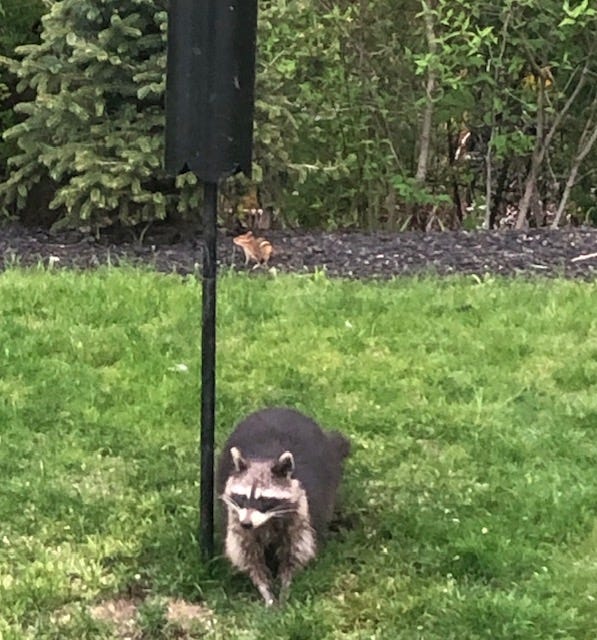
Credit: hklarajane.medium.com
Raccoons And Bird Feeders
Raccoons often visit bird feeders in search of easy meals. These clever animals are known for their curiosity and ability to get into tight spots. Bird feeders offer a tempting source of food, attracting raccoons especially at night. Understanding why raccoons come to feeders and how they behave helps in protecting your bird food and feeder.
Why Raccoons Are Attracted
Raccoons are drawn to bird feeders for several reasons:
- Birdseed is an abundant and easy food source.
- Feeders often contain nuts, fruits, and suet that raccoons like.
- Raccoons have a strong sense of smell to locate food.
- Nighttime quiet lets raccoons feed without disturbance.
- Feeders are often low enough for raccoons to reach.
Common Feeding Behaviors
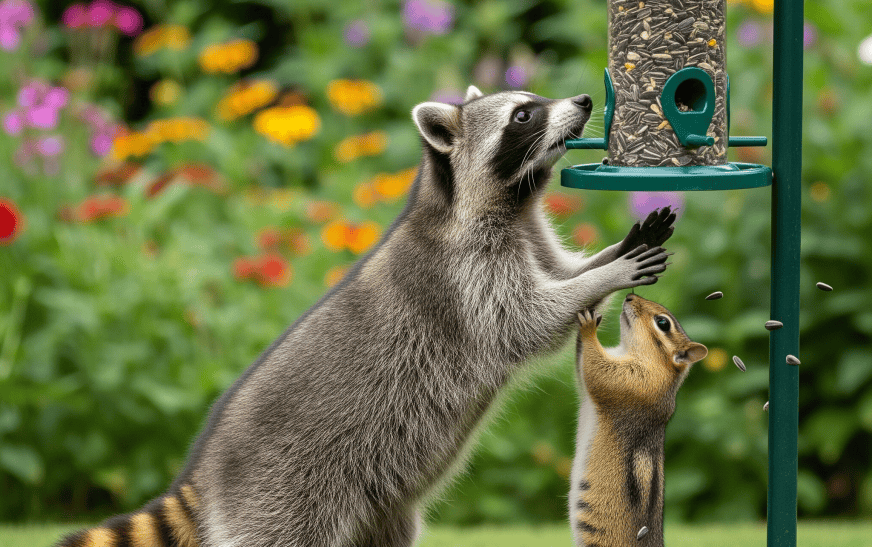
Raccoons use their paws to grab and handle food from feeders. They often:
- Climb poles or nearby trees to access feeders.
- Knock feeders down to get to the seed inside.
- Scatter seeds on the ground while eating.
- Visit feeders mostly at night when it is safer.
- Return repeatedly if food is plentiful and easy to reach.
Credit: squirrelsinfo.com
Signs Of Raccoon Visits
Raccoons are curious and clever creatures known to explore bird feeders. Signs of raccoon visits reveal their presence around your yard. Spotting these signs helps protect bird feeders and keeps birds safe.
Damage To Feeders
Raccoons use their strong paws to open or tear feeders. Look for scratches, bite marks, or broken parts. Feeders knocked to the ground or emptied quickly are common signs. Damaged lids or twisted hooks often show raccoon activity.
Footprints And Droppings
Raccoon footprints are easy to spot in soft soil or mud. They have five fingers, like tiny hands, with visible claw marks. Check near feeders for droppings, which are dark and tubular. Finding both footprints and droppings confirms raccoon visits.
Choosing Raccoon-proof Feeders
Choosing raccoon-proof feeders is essential if you want to enjoy watching birds without the frustration of raccoons raiding your feeders. These clever creatures are notorious for getting into bird feeders, making it a challenge to keep your bird food safe. Picking the right feeder can save you time, money, and a lot of headaches.
Types Of Resistant Feeders
There are several types of feeders designed to keep raccoons out. Weight-activated feeders close their feeding ports when something heavy like a raccoon climbs on. Caged feeders have a metal cage surrounding the seed, allowing only smaller birds to enter.
Tube feeders with metal guards prevent raccoons from chewing through the perches. Some feeders even have baffled poles, making it hard for raccoons to climb up. Choosing the right type depends on your local wildlife and the birds you want to attract.
Features To Look For
Look for feeders made from durable materials like metal or heavy-duty plastic. Raccoons have strong teeth and claws, so feeders that resist chewing and scratching work best. Also, consider feeders with tight lids or locking mechanisms to prevent raccoons from opening them.
Weight sensitivity is another crucial feature; feeders that close when a raccoon’s weight is detected can be a game-changer. Easy-to-clean designs help prevent mold and keep the seed fresh, which birds prefer. Would you invest a bit more in a feeder that keeps your bird food safe and saves you refills?
Placement Strategies
Placement strategies play a crucial role in keeping raccoons away from your bird feeders. The right location not only protects your feathered friends but also minimizes frustration for you. Understanding where and how to place feeders can make a big difference in deterring unwanted visitors.
Ideal Locations
Choose spots away from easy raccoon access points like trees, fences, or rooftops. Placing feeders in open areas reduces the chances raccoons can jump or climb onto them.
Think about visibility too. Feeding stations in well-lit, open spaces are less inviting to raccoons, who prefer dark, hidden spots.
Have you noticed raccoons lurking near your porch or garden? That’s a sign to rethink your feeder’s spot—move it to a place less convenient for them but still accessible to birds.
Using Height And Distance
Mount your bird feeder at least 5 to 6 feet above the ground. This height makes it harder for raccoons to reach, especially if there’s no nearby structure to climb from.
Keep feeders at least 10 feet away from jumping-off points such as trees, fences, or walls. Raccoons are excellent climbers and jumpers, so creating distance is key.
Consider hanging feeders from thin, smooth poles or cables that raccoons can’t grip. Adding baffles or guards around poles can also block their path effectively.
Physical Barriers And Deterrents
Raccoons are clever and persistent when it comes to raiding bird feeders. To protect your feeders effectively, physical barriers and deterrents can play a crucial role. These solutions create obstacles that make it harder for raccoons to access the food, giving your feathered friends a safer dining spot.
Baffles And Guards
Baffles are one of the simplest ways to keep raccoons away from bird feeders. These are dome- or cone-shaped guards that you place above or below the feeder to block raccoons from climbing or reaching the food.
Installing a baffle on the pole holding your feeder can stop raccoons from climbing up. Metal or smooth plastic baffles work best because raccoons struggle to grip slippery surfaces.
Guards can also be attached around the feeder itself. For example, a cage-like guard allows small birds to enter but keeps raccoons out. Have you tried adjusting the height of your feeder? Sometimes placing it higher with a baffle can make a big difference.
Motion-activated Devices
Motion-activated devices add a surprise element that raccoons don’t like. These include sprinklers, lights, or noise makers that activate when movement is detected near your feeder.
A motion-activated sprinkler can spray a quick burst of water, startling raccoons without harming them. It’s a humane way to discourage repeated visits.
Similarly, flashing lights or sudden sounds can disrupt raccoons’ approach. You might wonder—how sensitive should these devices be? Too sensitive, and they might scare off birds; not sensitive enough, and raccoons sneak in unnoticed.
Experimenting with the placement and settings of these devices can help you find the right balance that protects your feeders while keeping your garden inviting for birds.

Credit: www.istockphoto.com
Feeding Schedule Adjustments
Adjusting feeding times can help reduce raccoon visits to bird feeders. Offering food during daylight hours limits raccoons’ nighttime foraging. Keeping feeders clean and removing leftover seeds also discourages unwanted guests.
Adjusting the feeding schedule for your backyard birds can be a game-changer in deterring raccoons from raiding your bird feeders. Raccoons are notorious for their nocturnal habits, often scurrying about under the cover of darkness in search of an easy meal. By tweaking the timing and method of feeding, you can significantly reduce the likelihood of these clever critters turning your bird feeder into their midnight snack bar.Timing To Avoid Raccoons
Raccoons are most active during the night. To outsmart them, try setting up your bird feeders at dawn and bringing them back in by dusk. This simple adjustment ensures that your feathered friends have ample opportunity to dine during their most active daylight hours while limiting access for nocturnal visitors. Some bird enthusiasts find success by feeding birds in the early morning when raccoons are less likely to be around. This timing not only keeps your feeders raccoon-free but also aligns with birds’ natural feeding routines. Have you considered setting an alarm to bring in feeders at night? It could be the key to maintaining peace in your backyard.Reducing Food Spillage
Food spillage can be an open invitation for raccoons. Ensuring that your feeders are designed to minimize waste can help. Consider using feeders with trays or catchers to prevent seeds from scattering on the ground. You can also try placing a tray beneath the feeder to catch any spillage. This not only keeps your yard tidy but also reduces the temptation for raccoons. Are you inadvertently creating a buffet for these sneaky scavengers? A little housekeeping around your feeders can make a world of difference. Additionally, keeping the area clean and free from loose seeds can discourage raccoons from frequenting your yard. Regularly sweep away fallen seeds and consider using raccoon-proof bins for storing bird food. Taking these small steps can effectively keep unwanted guests at bay.Alternative Food Sources
Raccoons often raid bird feeders for an easy meal. They enjoy seeds and nuts, making feeders a tempting food source. Using raccoon-proof feeders can help protect bird food from these clever animals.
Bird feeders often attract unexpected visitors, including curious raccoons. Offering alternative food sources can help keep raccoons away from bird feeders. This strategy not only protects bird food but also supports local wildlife.Providing Raccoon-friendly Options
Raccoons enjoy a variety of foods. You can set up a separate feeding station. Place it away from bird feeders. Offer foods like fruits, vegetables, or nuts. Raccoons love these treats. Ensure the area is safe and accessible. This will satisfy their hunger and curiosity.Diverting Attention From Feeders
Create distractions to keep raccoons busy. Use shiny objects or wind chimes nearby. These can captivate raccoons’ interest. You can also use scent-based lures. Place them far from bird feeders. These tactics can help shift their focus. Raccoons are smart and curious. Engaging their senses is key.Maintaining A Raccoon-free Yard
Keeping raccoons out of your yard requires a few smart steps. These clever animals are always searching for easy food and shelter. Taking control of your yard helps protect bird feeders and plants. It also keeps your space clean and safe. Small changes make a big difference in discouraging raccoons.
Securing Trash And Compost
Raccoons are attracted to garbage and compost piles. Use bins with tight-fitting lids to block their access. Place heavy objects on lids if needed. Avoid leaving food scraps outside overnight. Keep compost covered and turn it regularly to reduce smells. Store pet food indoors or in sealed containers. These actions reduce the chances of raccoons visiting.
Eliminating Shelter Spots
Raccoons look for cozy places to hide and rest. Remove piles of wood, leaves, or brush near your home. Trim tree branches that touch your roof or fences. Close off spaces under decks, porches, and sheds. Use wire mesh or hardware cloth to block entry points. Clearing shelter spots makes your yard less inviting for raccoons.
Frequently Asked Questions
Do Raccoons Really Get Into Bird Feeders?
Yes, raccoons are known to get into bird feeders. They are attracted to the seeds and find feeders an easy food source.
Why Do Raccoons Visit Bird Feeders At Night?
Raccoons are nocturnal, so they forage at night. Bird feeders provide a convenient, calorie-rich food source during their active hours.
How Can I Prevent Raccoons From Raiding Feeders?
Use raccoon-proof feeders, place feeders away from trees, and remove spilled seeds. These steps reduce easy access for raccoons.
What Types Of Bird Feeders Attract Raccoons The Most?
Feeders with open trays or large seed piles attract raccoons the most. Tube feeders with small ports are less appealing to them.
Conclusion
Raccoons often visit bird feeders to find easy food. They can cause damage and scare away birds. Protecting your feeders helps keep birds safe and happy. Use simple tricks to stop raccoons from stealing food. Stay patient and try different methods to find what works best.
Enjoy watching birds without unwanted visitors at your feeders.




