
Have you ever wondered if birds enjoy eating flax seeds? If you’re feeding your feathered friends or thinking about adding something new to their diet, this question is important.
Knowing what birds eat can help you keep them healthy and happy. You’ll discover whether flax seeds are a good choice for your backyard visitors and what benefits or risks they might bring. Keep reading to find out how you can support your birds with the right food!
Why Birds Like Flax Seed
Have you ever wondered why birds seem drawn to flax seed? It’s not just a random choice. Birds are naturally attracted to flax seed because it offers them real benefits that support their health and energy.
Nutritional Value Of Flax Seed
Flax seed is packed with nutrients that birds need to thrive. It contains a high amount of omega-3 fatty acids, which help keep their feathers shiny and their immune systems strong.
Besides fats, flax seed is rich in fiber and protein. These nutrients provide birds with steady energy and help with digestion. This makes flax seed a practical snack for birds during long flights or cold weather.
Flax Seed In Natural Bird Diets
Flax seed is not just a human superfood; it’s also part of many birds’ diets in the wild. You might spot wild birds picking up flax seeds from the ground or cracking them open to eat the nutritious inside.
Because flax plants grow naturally in many regions, birds have adapted to include these seeds in their meals. Have you noticed your backyard birds favoring certain seeds? Flax seed could easily be one of their favorites because it’s a natural and energy-rich food source.
Health Benefits For Wild Birds
Flax seeds offer several health benefits for wild birds that you might not expect. These tiny seeds are packed with nutrients that support various aspects of a bird’s well-being. Adding flax seeds to bird feeders can make a noticeable difference in their daily health and vitality.
Boosting Immune Systems
Flax seeds contain omega-3 fatty acids, which are crucial for strengthening the immune system. Birds with a strong immune response can better fight off illnesses and infections. Have you noticed birds at your feeder seem more lively during cold seasons? Flax seeds might be helping them stay healthier.
Improving Feather Quality
Healthy feathers are essential for birds’ flight and insulation. The oils and nutrients in flax seeds promote shiny, strong feathers. If you watch birds after eating flax seeds, you may see them preening more, which is a good sign of feather maintenance.
Enhancing Energy Levels
Wild birds need lots of energy to forage, migrate, and protect themselves. Flax seeds provide a dense source of calories and nutrients that boost energy. Adding flax seeds to your feeder can help birds stay active and alert throughout the day.
How To Offer Flax Seed To Birds
Offering flax seed to birds can be a wonderful way to boost their nutrition and add variety to their diet. However, how you present flax seed matters a lot. Birds may not eat it if it’s offered the wrong way, and you want to make sure they get the full benefit without any harm.
Best Feeding Methods
Raw flax seeds have a hard shell that can be tough for many birds to crack open. Lightly grinding the seeds or offering them as flaxseed meal makes it easier for birds to digest and absorb nutrients.
You can mix ground flax seed with other bird seeds or sprinkle it over fresh fruits and vegetables to entice picky eaters. Some birds prefer flax seeds soaked in water, which softens them and improves digestibility.
- Use a small grinder or mortar and pestle to crush seeds before feeding.
- Mix flax meal with sunflower or millet seeds to create a balanced mix.
- Offer soaked flax seeds in shallow dishes during warmer months to attract more birds.
Have you noticed your backyard birds ignoring certain seeds? Try changing the texture or mixing flax seed with their favorites to see what works best.
Avoiding Common Mistakes
A common error is offering whole flax seeds without preparation, which many birds won’t eat. This can lead to wasted food and missed nutrition opportunities.
Another mistake is overfeeding flax seed. While it’s healthy, too much flax can upset a bird’s digestive system or interfere with the balance of their regular diet.
- Avoid leaving flax seed out for long periods as it can spoil quickly, especially in humid conditions.
- Don’t rely solely on flax seed; use it as a supplement, not a main food source.
- Clean feeding areas regularly to prevent mold growth or contamination.
Ask yourself: Are you offering flax seed in a way that fits your local bird species’ habits and needs? Adjusting your approach can make all the difference.

Credit: www.amazon.com
Flax Seed Vs Other Bird Seeds
Flax seed stands out among common bird seeds for its unique benefits. Many bird owners wonder how it compares to traditional seeds like sunflower, millet, or safflower. Understanding these differences helps in choosing the right mix for your feathered friends.
Comparing Nutritional Content
Flax seed is rich in omega-3 fatty acids. These fats support birds’ heart and brain health. It also contains protein and fiber, aiding digestion and muscle repair.
Sunflower seeds offer high fat content, giving birds energy. Millet is low in fat but high in carbohydrates, good for smaller birds. Safflower seeds provide protein and are lower in fat than sunflower seeds.
| Seed Type | Protein | Fat | Fiber | Special Nutrients |
|---|---|---|---|---|
| Flax Seed | 18% | 42% | 27% | Omega-3 fatty acids |
| Sunflower Seed | 21% | 51% | 9% | Vitamin E |
| Millet | 11% | 4% | 7% | Carbohydrates |
| Safflower Seed | 15% | 30% | 12% | Oleic acid |
Popularity Among Different Bird Species
Flax seed appeals mostly to finches and small parrots. These birds enjoy its soft texture and mild taste.
Sunflower seeds attract a wide range of birds. Cardinals, chickadees, and nuthatches prefer them. Larger parrots also favor sunflower seeds for their high energy.
Millet is a favorite for ground-feeding birds like sparrows and doves. It suits smaller birds due to its size and ease of eating.
Safflower seeds are less popular but attract cardinals and grosbeaks. Birds avoiding sunflower seeds often accept safflower.
Potential Risks And Precautions
Feeding flax seed to birds can be beneficial, but it’s important to be aware of potential risks and take precautions. Even healthy seeds can cause problems if given in excess or stored improperly. Knowing how to manage these factors helps keep your feathered friends safe and happy.
Overfeeding Concerns
Too much flax seed can cause digestive upset in birds, including diarrhea or bloating. Birds have sensitive digestive systems that don’t handle large amounts of oil-rich seeds well. If you notice changes in your bird’s droppings or energy levels after adding flax seed, it might be time to cut back.
Think about how often you offer flax seed. Is it a daily treat or an occasional addition? Birds thrive on variety, so mixing flax with other seeds and foods prevents overreliance on one source. This also reduces the risk of nutrient imbalances.
Storage And Freshness Tips
Flax seed contains oils that can go rancid quickly if not stored properly. Rancid seeds lose their nutritional value and may harm your bird’s health. Always keep flax seed in an airtight container, stored in a cool, dark place.
Buying smaller amounts can help ensure you use the flax seed before it spoils. If you buy in bulk, freezing is a good option to extend freshness. Check the seeds regularly for any off smell or discoloration—these are signs they should be discarded.
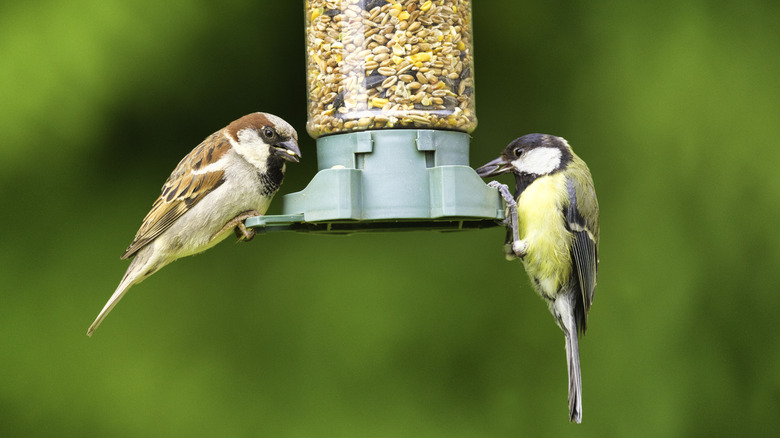
Credit: www.outdoorguide.com
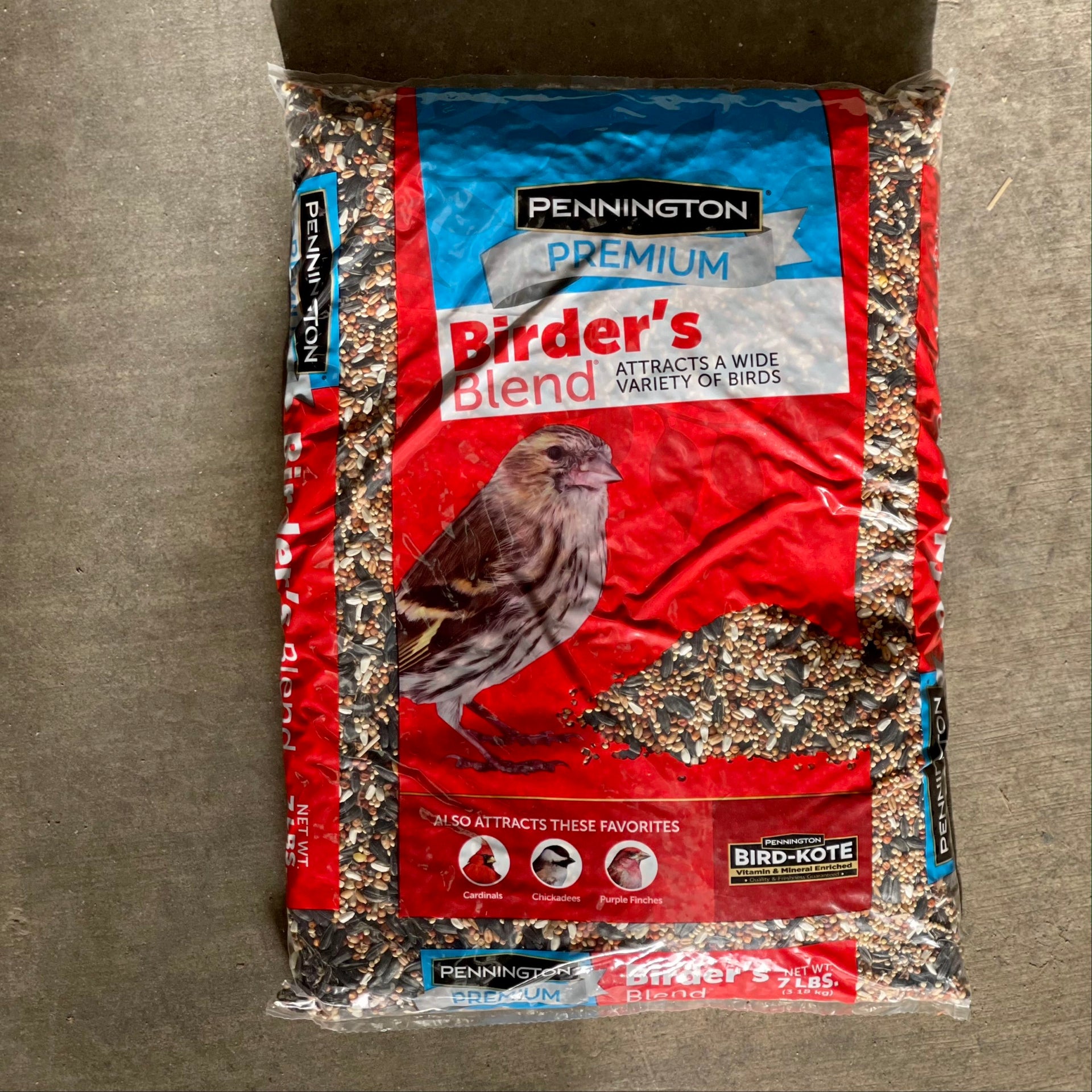
Credit: www.birdwatchingacademy.com
Frequently Asked Questions
Do Birds Naturally Eat Flax Seed?
Yes, many wild and pet birds eat flax seed naturally. It is nutritious and offers essential fatty acids and fiber.
Is Flax Seed Safe For All Bird Species?
Flax seed is generally safe for most birds when given in moderation. Avoid overfeeding to prevent digestive issues.
How Does Flax Seed Benefit Birds’ Health?
Flax seed supports bird health by improving feather quality, boosting immunity, and aiding digestion due to its omega-3 content.
Can Flax Seed Be Included In Birdseed Mixes?
Yes, flax seed is commonly included in commercial birdseed mixes to enhance nutrition and attract various bird species.
Conclusion
Birds do eat flax seed, and they enjoy its benefits. Flax seed provides essential nutrients and energy for birds. It helps keep their feathers healthy and strong. You can easily add flax seed to bird feeders. Just offer it in small amounts to avoid waste.
Watching birds eat flax seed can be fun and rewarding. Remember, a balanced diet keeps birds happy and healthy. Try flax seed as a simple, natural bird treat today.




