
Are you curious about which bird egg is best for your health? Eggs are a powerful source of nutrition, but not all eggs are created equal.
Choosing the right one can boost your energy, support your immune system, and improve your overall well-being. You’ll discover which bird eggs offer the most health benefits and why they deserve a place in your diet. Keep reading to find out how a simple change can make a big difference for your body.
Nutritional Benefits Of Bird Eggs
Bird eggs are a great source of nutrition. They offer many health benefits for people of all ages.
Different bird eggs vary in nutrients. Knowing these differences helps you choose healthy options.
Protein Content Comparison
Protein helps build muscles and repair tissues. Bird eggs have different amounts of protein.
| Type of Egg | Protein (grams per 100g) |
| Chicken Egg | 13 |
| Duck Egg | 13.5 |
| Quail Egg | 13 |
| Goose Egg | 15 |
Vitamins And Minerals
Bird eggs contain many vitamins and minerals. These nutrients support your immune system and bones.
- Vitamin A helps vision and skin health.
- Vitamin B12 supports brain and nerve function.
- Iron is important for blood health.
- Calcium strengthens bones and teeth.
- Phosphorus aids energy production.
Healthy Fats In Eggs
Eggs contain fats that are good for the heart. These fats help your body absorb vitamins.
Omega-3 fatty acids in some eggs reduce inflammation and improve brain health.
Chicken Eggs
Chicken eggs are a common food found in many kitchens worldwide. They provide many nutrients and can be cooked in many ways.
People often ask if chicken eggs are healthy. This article explains their nutrient profile, health advantages, and uses in cooking.
Nutrient Profile
Chicken eggs have important nutrients that help the body stay healthy. They contain protein, vitamins, and minerals.
| Nutrient | Amount per Large Egg | Benefit |
|---|---|---|
| Protein | 6 grams | Builds and repairs muscles |
| Vitamin B12 | 0.6 mcg | Supports nerve health |
| Vitamin D | 41 IU | Helps calcium absorption |
| Choline | 147 mg | Important for brain function |
| Iron | 0.9 mg | Aids in oxygen transport |
Health Advantages
Eating chicken eggs can improve health in many ways. They help with energy, brain function, and muscle growth.
- Provide high-quality protein for muscle repair
- Contain antioxidants that protect the eyes
- Support brain health with choline
- Help maintain healthy bones with vitamin D
- Keep you full longer, aiding weight management
Common Culinary Uses
Chicken eggs are used in many recipes across the world. They can be cooked alone or added to other dishes.
- Boiled or fried eggs for breakfast
- Scrambled eggs with vegetables or cheese
- Baking cakes, cookies, and bread
- Making sauces like mayonnaise and hollandaise
- Adding texture to soups and salads
Duck Eggs
Duck eggs are larger than chicken eggs and have a richer taste. They are popular in many cultures for cooking and baking.
This article explains why duck eggs are good for health and what makes them different.
Nutritional Highlights
Duck eggs contain more nutrients than chicken eggs. They are rich in protein, healthy fats, and vitamins.
| Nutrient | Amount per Egg | Health Benefit |
| Protein | 9 grams | Builds muscles and repairs cells |
| Vitamin B12 | 1.2 mcg | Supports brain health |
| Vitamin D | 17 IU | Helps calcium absorption |
| Omega-3 Fatty Acids | 70 mg | Good for heart health |
| Iron | 2 mg | Prevents anemia |
Potential Health Benefits
Eating duck eggs may support your body in many ways. They help with energy and brain function.
- Boost immunity with antioxidants
- Improve eye health with vitamin A
- Support healthy skin and hair
- Provide sustained energy from protein
Taste And Texture Differences
Duck eggs have a stronger flavor than chicken eggs. Their yolks are bigger and creamier.
Many chefs prefer duck eggs for baking because they add moisture and richness.
- Chicken Egg:Mild taste, smaller yolk
- Duck Egg:Rich taste, larger and creamier yolk

Credit: www.birdfy.com
Quail Eggs
Quail eggs are small but full of nutrition. People eat them in many countries for health benefits.
These eggs have a unique taste and are easy to cook. They are a good choice for a healthy diet.
Key Nutrients
Quail eggs contain many important nutrients. They have protein, vitamins, and minerals that help the body.
- Protein helps build muscles and repair tissues
- Vitamin B12 supports brain and nerve health
- Iron helps carry oxygen in the blood
- Vitamin A is good for eyes and skin
- Riboflavin (Vitamin B2) helps produce energy
Health Impact
Eating quail eggs can improve your health in many ways. They boost energy and support the immune system.
These eggs may help with anemia because of their iron content. They also contain antioxidants that protect cells.
- Helps strengthen the immune system
- Supports brain function and memory
- Improves skin and eye health
- May help reduce allergy symptoms
- Good for energy and metabolism
Popular Dishes
Quail eggs are used in many tasty dishes around the world. They can be boiled, fried, or added to salads.
They add flavor and nutrition to meals. Many people enjoy them as snacks or part of main dishes.
- Boiled quail eggs with salt and pepper
- Fried quail eggs on toast or rice
- Pickled quail eggs as a snack
- Quail eggs in soups and stews
- Salads with boiled or fried quail eggs
Goose Eggs
Goose eggs are larger than chicken eggs and have a rich flavor. They are a nutritious option for those looking to vary their diet.
These eggs are often used in cooking and provide many health benefits. They contain important nutrients that support wellness.
Nutritional Value
Goose eggs have more protein and fat than chicken eggs. They also contain vitamins and minerals important for the body.
| Nutrient | Amount per Goose Egg |
|---|---|
| Protein | 13 grams |
| Fat | 15 grams |
| Vitamin A | 12% of daily value |
| Vitamin B12 | 30% of daily value |
| Iron | 10% of daily value |
Benefits For Wellness
Eating goose eggs helps build muscles because they are high in protein. The fats support brain and heart health.
They provide vitamins that improve vision and red blood cell production. These nutrients also boost energy and immune function.
- High protein supports muscle growth
- Healthy fats improve brain function
- Vitamin A supports good eyesight
- Vitamin B12 helps make red blood cells
- Iron helps prevent fatigue
Culinary Applications
Goose eggs can be used in many recipes where chicken eggs are used. They have a stronger flavor and thicker texture.
They are great for baking, making omelets, or frying. A single goose egg can replace two or three chicken eggs in recipes.
- Use in baking for richer taste
- Make omelets with a creamy texture
- Fry for a larger, filling meal
- Good for custards and quiches
- Ideal for special dishes and celebrations
Other Exotic Bird Eggs
Bird eggs come in different sizes, colors, and nutritional values. Some exotic bird eggs offer unique health benefits. Let’s explore a few interesting ones.
Ostrich Eggs
Ostrich eggs are the largest bird eggs. One egg can weigh up to 3 pounds. They are rich in protein and vitamins.
These eggs contain more iron and calcium than chicken eggs. They also have low cholesterol levels. Cooking an ostrich egg can feed multiple people.
- High in protein
- Rich in iron and calcium
- Low in cholesterol
Pigeon Eggs
Pigeon eggs are smaller and less common. They are a delicacy in some cultures. These eggs are rich in protein and vitamins.
Pigeon eggs have a mild taste. They are often used in soups and stews. They also contain essential amino acids for body health.
- Rich in protein
- Contains essential amino acids
- Used in soups and stews
Emu Eggs
Emu eggs have a dark green shell. They are bigger than chicken eggs but smaller than ostrich eggs. They offer a rich source of protein.
These eggs are also high in vitamin E and antioxidants. They have a creamy texture and can be used in various recipes.
- Rich in protein
- High in vitamin E
- Contains antioxidants
Factors Affecting Egg Nutrition
Bird eggs are a nutritious food choice. Their nutritional value depends on various factors. Understanding these can help you choose healthier eggs.
The diet and environment of the bird, how fresh the egg is, and how it is cooked all play a role in its nutrition.
Bird Diet And Environment
The food a bird eats affects its eggs. Birds that eat a varied diet lay more nutritious eggs. Free-range birds usually have access to more diverse foods.
- Free-range birds eat insects and plants.
- Caged birds often have a limited diet.
- Diverse diets lead to higher egg nutrition.
Egg Freshness And Storage
Freshness impacts the egg’s nutritional value. Fresh eggs have more nutrients. Proper storage also plays a key role in maintaining quality.
| Egg Condition | Storage Tips |
| Fresh | Keep in the refrigerator |
| Old | Use quickly or discard |
Cooking Methods And Nutrient Retention
How you cook an egg affects its nutrients. Some methods preserve nutrients better than others. Choose cooking methods wisely for maximum health benefits.
For better nutrient retention, try these cooking methods:
- Boiling
- Poaching
- Steaming
Avoid frying as it adds extra fats.
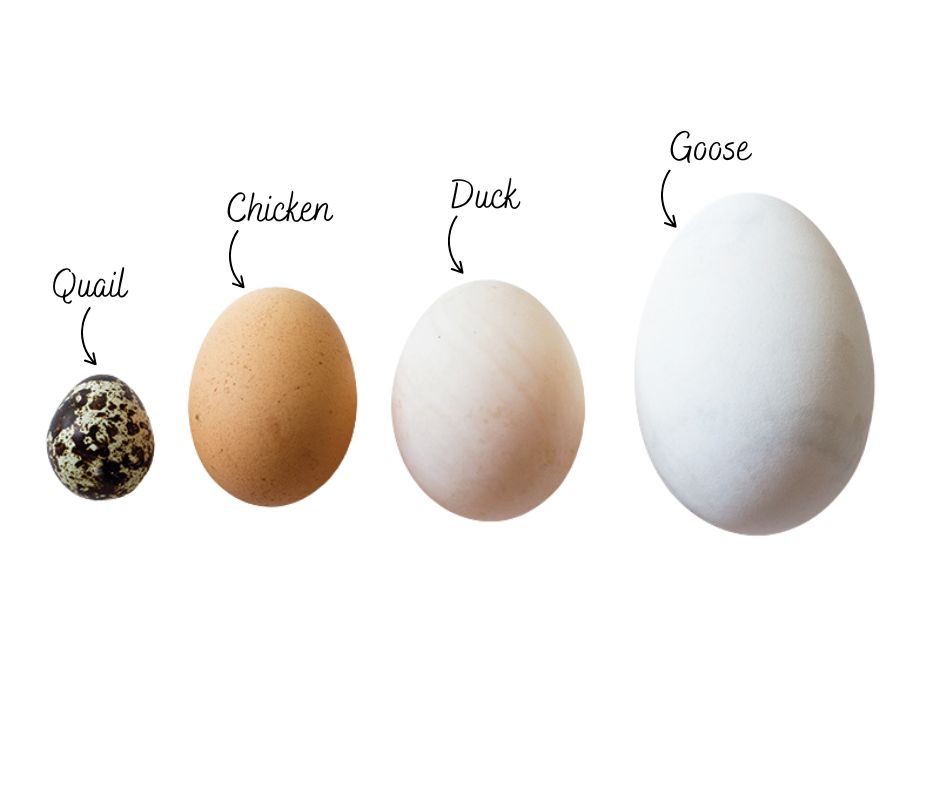
Credit: www.hobbyfarms.com
Choosing The Best Egg For Your Health
Eggs are a common food that many people eat for breakfast or snacks. They are rich in protein and nutrients. But not all eggs are the same. Some eggs may be better for your health than others.
Choosing the right egg depends on your health goals and lifestyle. This guide will help you pick the best egg for your needs.
Dietary Needs And Preferences
Different eggs have different nutrients. Some eggs have more omega-3 fatty acids. Others may have more vitamins or less cholesterol. Your diet style also matters. If you follow a vegetarian or keto diet, your egg choice might change.
Choose eggs that match your diet. For example, omega-3 enriched eggs help heart health. Free-range eggs often have more nutrients than regular eggs.
- Omega-3 eggs support brain and heart health
- Free-range eggs often have higher vitamin D
- Regular eggs provide good protein but less omega-3
Allergies And Sensitivities
Some people are allergic to eggs or have sensitivities. Egg allergy is common in children but can affect adults too. Symptoms range from mild to severe. Knowing your reaction to eggs is important for your health.
Try different types of eggs if you do not react well to chicken eggs. Duck or quail eggs might be easier to digest. Always consult with a doctor if you suspect an allergy.
- Chicken eggs are common allergen
- Duck eggs may cause fewer allergies
- Quail eggs are smaller and less allergenic for some
Sourcing And Quality Considerations
The source of eggs affects their quality and safety. Eggs from free-range or pasture-raised hens tend to be healthier. They have better nutrition and fewer chemicals. Organic eggs have no synthetic pesticides or antibiotics.
Check where your eggs come from. Freshness matters too. Always buy eggs from trusted sellers. Store them properly to keep them safe to eat.
- Free-range eggs offer better nutrition
- Organic eggs avoid synthetic chemicals
- Fresh eggs taste better and are safer
- Store eggs in the fridge to keep fresh
Credit: www.kaytee.com
Frequently Asked Questions
Which Bird Egg Is Healthiest To Eat?
Chicken eggs are the most commonly consumed and nutritious. They provide high-quality protein, vitamins, and minerals essential for health. Quail and duck eggs also offer unique nutrients but may have higher cholesterol. Overall, chicken eggs strike a good balance between nutrition and availability.
Are Duck Eggs Better Than Chicken Eggs?
Duck eggs contain more omega-3 fatty acids and vitamins A and B12. They are richer in protein and fat than chicken eggs. However, their higher cholesterol content may not suit everyone. Duck eggs are a nutritious alternative but should be eaten in moderation.
Can Quail Eggs Improve Health?
Quail eggs are rich in antioxidants, vitamins, and minerals. They support immune health, improve metabolism, and promote skin health. Their smaller size means you need to eat several to match a chicken egg’s nutrition. They are a tasty, nutrient-dense option for variety.
Do Bird Eggs Help With Weight Management?
Bird eggs are high in protein, which promotes satiety and reduces hunger. Eating eggs can help control calorie intake and support weight loss. Low in carbohydrates and rich in nutrients, eggs are an excellent addition to a weight management diet.
Conclusion
Bird eggs offer many health benefits and nutrients. Chicken eggs are common and easy to find. Duck eggs have more protein and healthy fats. Quail eggs are small but rich in vitamins. Choose eggs based on your taste and needs.
Eating eggs in moderation supports a healthy diet. Remember to cook eggs properly for safety. Eggs can be part of balanced meals every day. Try different types to enjoy variety and health. Simple, natural foods like eggs help maintain good health.




