
Are you tired of cowbirds taking over your bird feeders and scaring away the smaller, more colorful birds you love to watch? You’re not alone.
These bold birds can be persistent and frustrating, but you don’t have to give up on your feeder just yet. Imagine enjoying your backyard filled with a variety of beautiful birds, without the cowbirds stealing the spotlight. Keep reading, and you’ll discover simple, effective ways to keep cowbirds away and bring balance back to your bird feeding experience.

Credit: www.aol.com
Why Cowbirds Visit Feeders
Cowbirds often show up at bird feeders, leaving many bird lovers puzzled or frustrated. Understanding why they visit is key to managing their presence effectively. Their visits are linked to their feeding habits and the specific attractions feeders offer.
Feeding Habits Of Cowbirds
Cowbirds are ground feeders that prefer seeds, insects, and small fruits. Unlike many songbirds, they do not build their own nests but lay eggs in other birds’ nests, which means they need reliable food sources to sustain themselves.
They often forage in open fields and near livestock, taking advantage of disturbed soil to find insects. This behavior makes your bird feeder a convenient stop, especially if it offers easy access to seeds or spilled food.
Attraction To Bird Feeders
Your feeder might be a magnet for cowbirds because of the type of food you provide. Cowbirds favor large, accessible seeds like millet and cracked corn, which are common in many backyard feeders.
Feeders that allow easy access without barriers are particularly inviting to cowbirds. They are less likely to visit feeders that require perching or have small seed ports designed for smaller birds.
Have you noticed if changing the seed type affects the number of cowbirds at your feeder? Adjusting what you offer can be a practical way to reduce their visits.
Choosing The Right Feeder
Choosing the right feeder plays a big role in keeping cowbirds away. Cowbirds often visit feeders that are easy to access and offer plenty of food. Selecting feeders designed to discourage them can help protect your feeder for smaller, native birds. The right feeder also controls how much food is available and who can reach it.
Types That Discourage Cowbirds
Choose feeders that limit space for larger birds. Tube feeders with small perches work well. They allow small birds to feed comfortably but keep cowbirds out. Hopper feeders with weight-sensitive perches close when heavy birds land. Platform feeders with guards or cages can keep cowbirds away too.
- Tube feeders with small openings
- Weight-sensitive hopper feeders
- Caged platform feeders
- Nyjer seed feeders for finches
These feeders reduce food access to cowbirds. This encourages smaller birds to visit more often.
Placement Strategies
Where you place your feeder also matters. Cowbirds prefer open areas where they can watch for predators. Put feeders near shrubs or trees to give small birds cover. Avoid open yards or spots with clear sightlines. Hanging feeders on thin poles can make it harder for cowbirds to land.
- Place feeders close to dense vegetation
- Use baffles on poles to block cowbird access
- Keep feeders away from large open spaces
- Hang feeders at different heights
Good placement helps smaller birds feel safe. It also keeps cowbirds from dominating the feeder area.
Using Food To Deter Cowbirds
Using food to deter cowbirds helps protect smaller birds at feeders. Changing the type of seed can make feeders less attractive to cowbirds. Offering alternative foods also guides cowbirds away from common feeding spots.
Seed Types Cowbirds Avoid
Cowbirds prefer large, easy-to-eat seeds. Using seeds they dislike reduces their visits. Try these seed types:
- Nyjer (thistle) seeds
- Millet
- Safflower seeds
These seeds attract finches and other small birds but not cowbirds. Safflower is especially bitter to cowbirds. Nyjer is tiny and hard for cowbirds to eat.
Alternative Feeding Options
Providing alternative food sources can keep cowbirds away from feeders. Use ground feeding trays filled with cracked corn or oats. Cowbirds prefer these and will stay on the ground.
Try placing separate feeders far from your main bird feeders. This draws cowbirds to their own area. Keep feeders clean and fresh to avoid attracting unwanted birds.
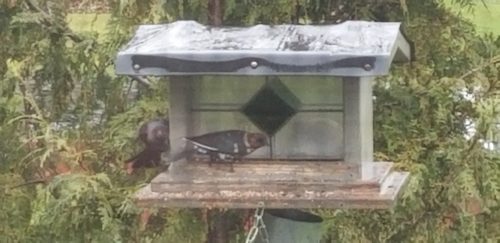
Credit: feederwatch.org
Physical Barriers And Deterrents
Keeping cowbirds away from your bird feeders often requires more than just changing the type of feed. Physical barriers and deterrents can be a game-changer in protecting your favorite songbirds. These tools create a direct obstacle or discomfort for cowbirds, making your feeder less attractive to them without harming any birds.
Cage Covers And Guards
Cage covers and guards act as physical shields around your feeders. These cages are designed with narrow openings that allow small birds to enter while keeping larger cowbirds out. Installing one around your feeder can immediately reduce cowbird visits.
Some guards come with weight-sensitive perches, which close access when heavier birds land. This clever design means only lighter, desired bird species can feed. Have you noticed how quickly cowbirds give up when they can’t reach the food?
Try different cage sizes to fit the types of birds you want to attract. It’s worth testing until you find one that blocks cowbirds but welcomes your local favorites.
Visual And Sound Deterrents
Visual deterrents use movement or reflections to scare cowbirds away. Items like shiny tape, reflective discs, or even fake predators can make your feeder an unwelcoming place. Hanging these near your feeders may keep cowbirds cautious and away.
Sound deterrents play unfamiliar noises that disrupt cowbirds’ comfort. Devices that emit distress calls or predator sounds can work, but only if you change their patterns regularly. Cowbirds are smart and get used to repeated sounds quickly.
Have you tried combining both visual and sound deterrents? This mix can confuse cowbirds and increase your feeder’s protection. Remember, the goal is to keep cowbirds uncomfortable without disturbing the birds you want to attract.
Behavioral Techniques
Behavioral techniques can help reduce cowbird visits to bird feeders. These approaches focus on changing how and when you feed birds. Adjusting feeding habits encourages native birds and discourages cowbirds naturally.
Feeding Schedule Adjustments
Feed birds at specific times each day to create a routine. Cowbirds prefer unpredictable food sources and may avoid feeders with a set schedule. Try feeding early in the morning and late in the afternoon. Remove leftover seed after feeding times to prevent cowbirds from lingering.
Encouraging Native Birds
Plant native shrubs and trees near feeders to attract local bird species. Native birds feel safer and visit more often, which can deter cowbirds. Use feeder types that suit native birds, like tube feeders for finches. Native birds compete with cowbirds and can help keep them away.
Maintenance And Monitoring
Maintaining and monitoring bird feeders can deter cowbirds effectively. Regularly clean feeders and adjust feeding schedules. Use feeders with smaller perches to restrict cowbirds’ access, ensuring other birds enjoy their meal.
Maintaining and monitoring your bird feeders can keep cowbirds away. A little effort ensures only desired birds visit your feeders. Regular cleaning and observing feeder activity are two effective strategies.Regular Cleaning
Clean your feeders once a week. This prevents disease and keeps birds healthy. Use mild soap and hot water. Rinse thoroughly to remove all soap traces. This practice discourages cowbirds by maintaining a clean environment. Dirty feeders can attract unwanted birds. Regular cleaning benefits all feathered visitors.Observing Feeder Activity
Watch the feeder activity daily. Identify which birds visit and their feeding times. This helps in adjusting feeding schedules to deter cowbirds. If cowbirds are frequent, consider changing feeding times. Monitor cowbird behavior for patterns. Use this data to modify feeder location or types. Observing activity helps maintain a welcoming space for desired birds.
Credit: www.threads.com
Frequently Asked Questions
How Can I Prevent Cowbirds From Visiting My Feeders?
Use feeders designed to deter larger birds. Offer food types cowbirds dislike, like safflower seeds. Place feeders away from open areas where cowbirds feel safe.
What Bird Feeder Types Keep Cowbirds Away?
Tube feeders with small perches limit cowbird access. Hopper feeders with weight-sensitive perches close when heavy birds land. Avoid platform feeders as they attract cowbirds.
Which Seeds Do Cowbirds Avoid At Feeders?
Cowbirds dislike safflower seeds and nyjer seeds. These seeds attract smaller, desired songbirds. Using these seeds reduces cowbird visits effectively.
How Does Feeder Placement Reduce Cowbird Problems?
Place feeders near shrubs or trees for small birds to hide. Avoid open spaces preferred by cowbirds. Strategic placement makes feeders less inviting to cowbirds.
Conclusion
Keeping cowbirds away from your feeders helps small birds thrive. Use feeders designed to limit cowbird access. Try placing feeders in open spaces to reduce cowbird visits. Clean feeders regularly to avoid attracting unwanted birds. Offer food types that cowbirds do not prefer.
Watch your feeder often to spot any issues early. These simple steps protect your bird feeder and support local wildlife. Enjoy watching your favorite birds without the nuisance of cowbirds. Small changes make a big difference in your backyard birding experience.




