
Have you ever wanted to bring your characters to life from a fresh, exciting angle? Drawing a character from a bird’s eye view can add a dynamic twist to your artwork, making it stand out instantly.
It might seem tricky at first, but with the right steps, you can master this perspective and create stunning, eye-catching designs. You’ll discover simple, clear techniques that will help you draw your character from above with confidence. Ready to take your drawing skills to new heights?
Let’s dive in!
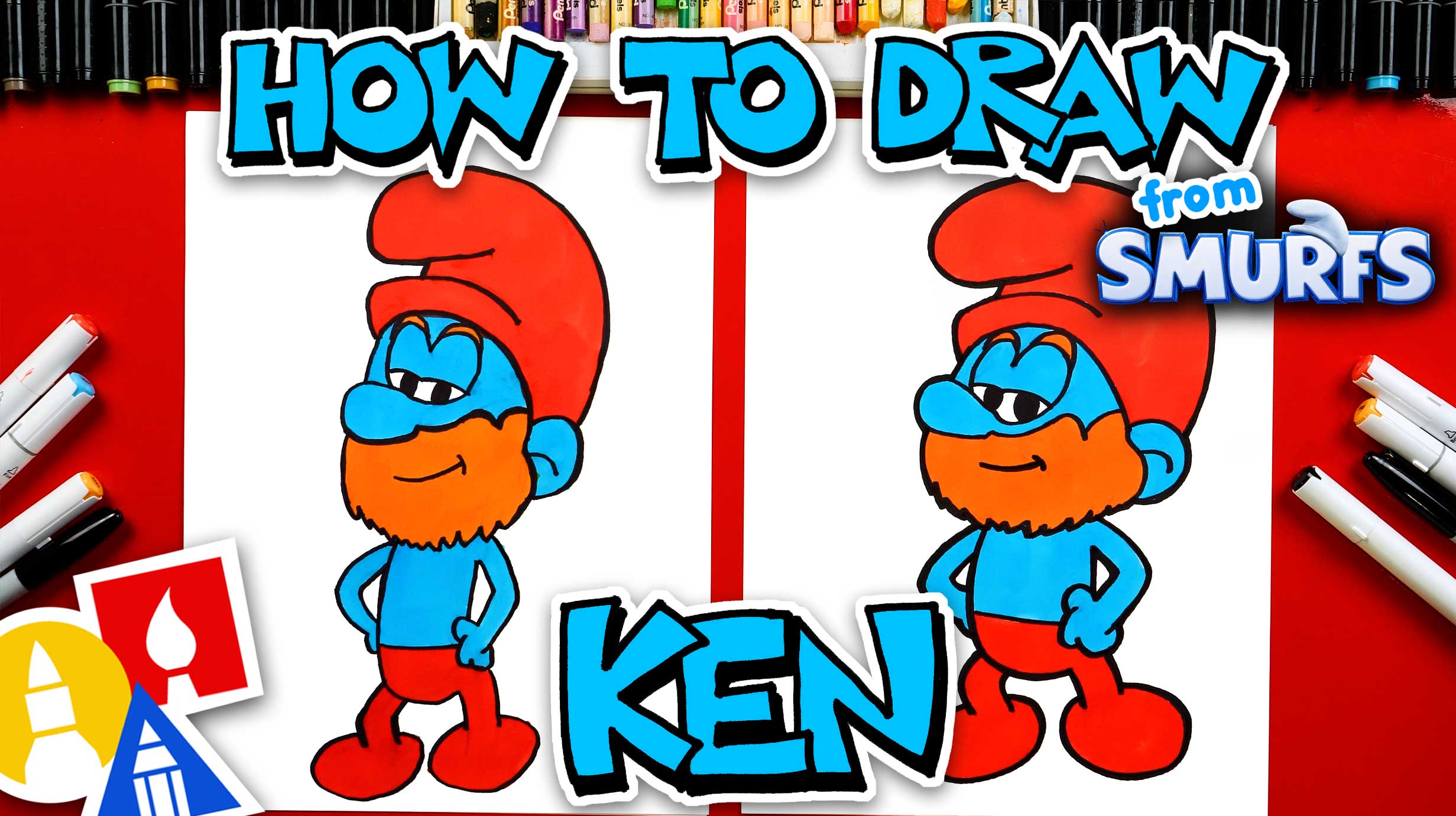
Credit: artforkidshub.com
Basics Of Bird’s Eye View
Drawing a character from a bird’s eye view means showing the character from above. This view looks down on the character as if you were flying over them.
This perspective helps show the character’s position and surroundings clearly. It makes scenes feel more dynamic and interesting.
Key Features Of Bird’s Eye Perspective
In bird’s eye view, the top of the character’s head is the main focus. The body parts closer to the viewer look bigger.
The feet and legs may appear smaller because they are farther away. This view changes normal shapes into foreshortened ones.
- The head is the largest part seen.
- Shoulders and arms spread out below the head.
- Legs and feet get smaller toward the bottom.
- Objects closer to the viewer appear bigger.
Common Mistakes To Avoid
One common mistake is drawing all body parts the same size. This makes the view look flat and wrong.
Another error is ignoring foreshortening. Parts farther away must look smaller to keep the perspective.
- Don’t draw the head too small or too large.
- Avoid making legs and feet the same size as the head.
- Remember to shrink parts as they go farther away.
- Keep the character’s pose natural from above.
Preparing Your Character Sketch
Drawing a character from a bird’s eye view can be tricky. It needs careful planning to look right.
Start by preparing your sketch with clear steps. This helps you create a strong base for your drawing.
Choosing The Right Pose
Pick a pose that shows the character well from above. Think about how the body parts will look.
Simple poses work best to avoid confusion. Make sure the pose matches the action or mood.
- Use a top-down view angle
- Avoid complex limbs overlap
- Choose poses with clear outlines
Simplifying Shapes For Clarity
Break the character into simple shapes like circles and rectangles. This makes drawing easier.
Simple shapes help you keep the sketch clear. They also guide you when adding details later.
- Use circles for the head and joints
- Draw rectangles for the torso and limbs
- Keep shapes large to avoid confusion
Drawing The Head And Face
Drawing a character from a bird’s eye view means seeing the head from above. This view changes how the head and face look. You need to think about shapes and angles differently.
Start by sketching the basic shape of the head. The top will be wider, and the face will look shorter. Focus on where the features sit on this new angle.
Adjusting Proportions From Above
From above, the head looks rounder on top. The forehead appears bigger, and the chin looks smaller. The eyes and nose also change position.
Keep these tips in mind to get the right proportions:
- Draw the top of the head as a wide oval or circle.
- Place the eyes closer to the front edge of the head.
- The nose should point downward and look shorter.
- The mouth appears closer to the chin area.
- Ears sit lower and near the sides of the head.
Capturing Facial Expressions
Facial expressions change with the angle. From above, you see mostly the forehead and eyes. Eyebrows and eye shapes show most emotions.
To express feelings clearly, try these steps:
- Raise or lower the eyebrows to show surprise or anger.
- Change the shape of the eyes to show happiness or sadness.
- Use small lines on the forehead to show tension or worry.
- Adjust the mouth shape visible from above for smiles or frowns.
- Use shading to show depth and highlight expression details.

Credit: design.tutsplus.com
Rendering The Body And Limbs
Drawing a character from a bird’s eye view means showing the body and limbs foreshortened. This angle makes parts closer to the viewer appear larger.
Understanding how to render the body and limbs correctly helps keep the drawing natural and believable.
Foreshortening Techniques
Foreshortening shortens parts of the body that point toward the viewer. It changes shapes and angles to show depth.
- Use simple shapes like cylinders for arms and legs.
- Draw closer parts larger and farther parts smaller.
- Overlap limbs to show which parts are in front.
- Adjust angles to match the viewpoint.
- Keep proportions flexible to avoid stiffness.
Maintaining Natural Movement
Even with foreshortening, the character’s pose must feel natural. Limbs should bend and twist like in real life.
| Tip | Description |
|---|---|
| Follow anatomy | Know basic bone and muscle positions. |
| Use reference | Look at photos or models from above. |
| Draw gesture first | Capture the flow before details. |
| Check balance | Make sure the character stands or moves naturally. |
| Adjust curves | Use soft lines for smooth limb bending. |
Adding Details And Textures
Adding details and textures makes your bird character look more real. These touches show the materials and surfaces on your drawing.
Focus on small lines, patterns, and shapes to give life to your character from a bird’s eye view.
Clothing And Accessories Placement
Place clothing and accessories carefully so they fit the bird’s eye view angle. Show how the clothes wrap around the body.
Accessories like hats, bags, or belts need to be drawn smaller and foreshortened. This keeps the perspective clear.
- Draw collars and sleeves curving around the shoulders
- Place hats centered on the top of the head
- Show belts wrapping around the waist with visible buckles
- Draw bags or straps following the body’s shape
Shading For Depth And Dimension
Use shading to make your bird character look three-dimensional. Shade under clothing folds and around accessories.
Light comes from one direction. Darker areas show shadows, while lighter areas show highlights. This gives depth.
- Shade under collars and sleeves for roundness
- Add shadows behind accessories to show overlap
- Use softer shading on curved surfaces
- Keep highlights on top surfaces facing light
Using Tools And References
Drawing a character from a bird’s eye view needs the right tools and good references. These help you see details clearly.
Using proper tools and references makes your drawing more accurate and easier to create.
Digital Vs Traditional Methods
Digital tools let you draw with layers and undo mistakes easily. They also offer many brushes and effects.
Traditional tools like pencils and paper give a natural feel. Sketching by hand helps with quick ideas.
- Digital: Use tablets, stylus, and drawing software
- Traditional: Use pencils, erasers, and sketchbooks
- Digital allows easy editing and color changes
- Traditional helps improve hand control and texture
Finding Useful Reference Images
Reference images show how a bird’s eye view looks in real life. They guide you in drawing correct shapes and angles.
Look for pictures from above or use 3D models to study the character’s form from the top.
- Search online for aerial photos of birds or people
- Use character model sheets with top views
- Try drawing from 3D programs or apps
- Take your own photos from high places
Practice Exercises To Improve
Drawing a character from a bird’s eye view can be tricky. Practice helps you see things from above. It trains your eye to understand shapes and angles better.
Try simple exercises to improve your skills. Focus on quick sketches and studying real-life views. These habits build confidence and accuracy in your art.
Sketching Quick Bird’s Eye Views
Start by making fast sketches of characters from above. Use simple shapes like circles and rectangles to block out the figure. Keep your lines loose and light.
- Draw basic shapes to form the head and body.
- Mark the direction the character is facing.
- Add limbs with simple lines or cylinders.
- Focus on proportions and perspective.
- Limit the sketch time to 5 minutes or less.
Analyzing Real-life Perspectives
Look at real people or objects from above. Notice how the shapes change and overlap. Pay attention to foreshortening and angles.
| Observation | What to Notice |
|---|---|
| Head | Usually looks round, but smaller than front view |
| Shoulders | Appear wider and foreshortened |
| Arms and Legs | Look shorter because of angle |
| Body Shape | May look flattened or oval |

Credit: www.youtube.com
Frequently Asked Questions
What Materials Are Needed To Draw A Bird’s Eye View Character?
To draw a bird’s eye view character, you need pencils, erasers, sketch paper, and markers. Digital tools like tablets can also help. Use reference images for accuracy and practice perspective drawing to improve your skills.
How Do I Start Sketching A Bird’s Eye View Character?
Begin with basic shapes like circles and ovals to outline the character’s head and body. Sketch the character’s limbs from above, focusing on proportion and foreshortening. Keep lines light to adjust easily.
What Are Common Mistakes In Bird’s Eye View Drawing?
Common mistakes include ignoring perspective, incorrect proportions, and flat-looking limbs. Avoid these by practicing foreshortening and observing real-life bird’s eye views. Use guidelines to maintain spatial accuracy.
How Can I Add Depth To My Bird’s Eye View Drawing?
Add depth by shading areas further from the light source and using thicker lines for closer parts. Overlapping elements and varying line weight also enhance the three-dimensional feel.
Conclusion
Drawing a bird’s eye view character is fun and rewarding. Start with basic shapes. Then add details to bring your character to life. Practice often. Use references to improve your skills. Don’t rush the process. Each drawing helps you learn more.
Enjoy the creative journey. Share your art with others. Gain feedback and grow. With patience and effort, your skills will improve. Keep experimenting with new techniques. Each step brings you closer to your artistic goals. Remember, every artist was once a beginner.
Stay inspired and keep drawing!




