
Finding an injured bird can be upsetting, and you might wonder what to do next. You want to help, but caring for a fragile creature can feel overwhelming.
What if you make a mistake? Don’t worry—this guide will give you simple, clear steps to support your feathered friend safely. By learning how to care for an injured bird properly, you can make a real difference in its chance to heal and fly again.
Keep reading, and you’ll gain the confidence to act quickly and wisely when it matters most.

Credit: www.reddit.com
Identifying Bird Injuries
Spotting injuries on a bird can be tricky, especially since they often hide pain well. Knowing what signs to look for helps you act quickly and provide the right care. Let’s break down how to identify if a bird is hurt and how serious the injury might be.
Common Signs Of Injury
Birds don’t always shout when they’re hurt, but their behavior and appearance can give you clues. Look for these signs:
- Visible wounds:Cuts, bleeding, or swelling on wings, legs, or body.
- Difficulty flying or walking:Limping, dragging a wing, or falling when trying to take off.
- Unusual posture:Sitting with feathers fluffed up, head tucked, or leaning to one side.
- Changes in behavior:Excessive quietness, lethargy, or aggression when normally calm.
- Discharge or swelling around eyes or beak:This might indicate infection or injury.
Noticing these signs early can make a big difference. Have you ever seen a bird acting strangely and wondered what was wrong? Paying close attention can help you catch injuries that aren’t obvious at first glance.
Assessing Severity
Once you spot a possible injury, decide how serious it is. This helps you figure out whether you can manage care at home or need expert help.
Ask yourself these questions:
- Is the bird bleeding heavily or just a little?
- Can it stand or perch on its own?
- Is it breathing normally, or does it seem to struggle?
- Are the eyes clear, or is there cloudiness or discharge?
- Is the bird responsive when you gently touch it?
If the bird is bleeding a lot or unable to move, it needs urgent veterinary care. Minor scrapes or dull feathers might be manageable at home with proper cleaning and rest.
Have you thought about how a small injury could become life-threatening if ignored? Being honest with your assessment helps the bird get the care it truly needs.

Credit: www.reddit.com
Immediate First Aid Steps
Knowing how to act right away can make a big difference for an injured bird. Immediate first aid helps reduce pain, prevent further harm, and improve the chances of recovery. Your calm and careful approach will give the bird the best possible start toward healing.
Handling The Bird Safely
Approach the bird slowly and quietly to avoid causing more stress. Use a soft cloth or towel to gently cover the bird before picking it up—this helps calm it down and protects you from scratches. Hold the bird firmly but gently, supporting its body without squeezing.
Have you ever noticed how a frightened bird tries to escape? Your steady hands and gentle voice can help keep it calm during this delicate moment. Remember, your safety matters too—wear gloves if possible to avoid bites or scratches.
Cleaning Wounds
Use clean, lukewarm water to rinse dirt or debris from the wound carefully. Avoid using soap, alcohol, or hydrogen peroxide as they can harm delicate tissues. Instead, gently dab the area with a sterile gauze pad or cloth.
If you have saline solution, it’s excellent for flushing wounds without irritation. Keeping the wound clean reduces the risk of infection and speeds healing. How often do you think a wound needs cleaning? Check every few hours and keep it dry and clean.
Stabilizing Broken Wings Or Legs
If you suspect a broken wing or leg, immobilize it to prevent further injury. Use small splints made from popsicle sticks or rolled-up newspaper, securing them gently with medical tape or strips of cloth. Make sure not to wrap too tight—circulation must not be cut off.
Support the injured limb close to the bird’s body to reduce movement. Think about how fragile a bird’s bones are; even a little jostling can cause more damage. If you’re unsure, it’s better to keep the bird still and get professional help quickly.
Creating A Safe Recovery Space
Creating a safe recovery space for an injured bird is essential for its healing process. The right environment helps reduce stress and prevents further injury. Your goal is to make a quiet, warm, and secure spot where the bird can rest undisturbed.
Choosing The Right Container
Pick a container that is large enough for the bird to stretch but not so big that it can move around too much and hurt itself again. A cardboard box or a small pet carrier works well. Line the bottom with soft towels or cloth to cushion and absorb any waste.
Ensure the container has good ventilation but no drafts. Covering part of the box with a light cloth can create a cozy hiding place, which helps the bird feel safe. Avoid using plastic containers without airflow, as they can trap heat and moisture.
Maintaining Warmth And Quiet
Birds often lose body heat when injured, so keep the recovery space warm. You can use a heating pad on low beneath half of the container or a warm water bottle wrapped in a towel. Monitor the temperature to avoid overheating.
Keep the area as quiet as possible to reduce stress. Loud noises or sudden movements can worsen the bird’s condition. Have you noticed how birds become calmer in a peaceful environment? That’s the key to helping your feathered friend heal faster.
Feeding And Hydrating An Injured Bird
Feeding and hydrating an injured bird requires careful attention and a gentle approach. You want to provide nourishment that supports healing without causing stress or harm. Understanding what to offer and how to present it can make a significant difference in the bird’s recovery journey.
Suitable Foods
Choose foods that match the bird’s natural diet as closely as possible. Small seeds, fruits, and insects often work well, but the exact type depends on the bird species. Avoid processed human foods or anything with added salt and sugar.
Soft foods are easier for an injured bird to eat, especially if it struggles to chew or swallow. You can mash fruits like bananas or apples, or soak seeds to soften them. Have you noticed how birds instinctively pick easy-to-eat foods when they’re unwell? Mimicking this behavior helps you provide what they need.
- Small, soft fruits (e.g., berries, banana pieces)
- Moistened birdseed or soaked grains
- Cooked eggs finely chopped, for protein boost
- Mealworms or small insects if available
Providing Water
Hydration is crucial, but injured birds may not drink from a bowl like healthy ones. Offer water using a shallow dish or a dropper, placing it close to the beak without forcing. Keep the water fresh and clean to avoid infections.
If the bird is weak, gently dripping water onto its beak can encourage sipping. You might be surprised how quickly some birds respond to this gentle nudge toward hydration. Always watch carefully to prevent choking or water entering the lungs.
- Use a shallow water container for easy access
- Offer water with a dropper if needed
- Keep water temperature lukewarm, not cold
- Change water frequently to maintain cleanliness
When To Seek Professional Help
Knowing when to seek professional help is crucial for an injured bird’s recovery. Some injuries need expert care to prevent pain and long-term damage. Acting quickly can save the bird’s life. Understanding the signs that require veterinary care helps you decide the next steps.
Signs That Require Veterinary Care
- Visible wounds that bleed heavily or do not stop bleeding
- Broken or deformed wings, legs, or beak
- Bird is unable to stand, fly, or move normally
- Labored, noisy, or irregular breathing
- Bird is weak, lethargic, or unresponsive
- Eyes are cloudy, swollen, or have discharge
- Bird is shaking or has seizures
- Exposure to toxins or poisoning suspected
These signs show serious health problems. A wildlife veterinarian can provide proper diagnosis and treatment. Delays in care can worsen the injury or cause death.
Finding A Wildlife Rehabilitator
Wildlife rehabilitators specialize in caring for injured wild birds. They have the training to handle birds safely and restore their health. Local animal shelters, wildlife centers, or government agencies can help you find one nearby.
Contact the rehabilitator before bringing the bird. They can give advice on how to transport the bird safely. Proper care at a rehabilitation center improves the chances of releasing the bird back into the wild.
Preventing Future Injuries
Caring for an injured bird involves gentle handling and creating a safe environment. Provide food, water, and a quiet space. Consult a wildlife expert for proper guidance.
Preventing Future Injuries Caring for an injured bird is a compassionate act, but ensuring its future safety requires more proactive measures. It’s crucial to create an environment that minimizes the risk of future harm. By making thoughtful changes, you can help keep birds safe and healthy.Safe Outdoor Environments
Creating a safe outdoor environment is essential for bird protection. Start by assessing your garden or balcony for potential threats. Do you have glass windows that birds might fly into? Consider applying decals or using curtains to make them visible. Bird feeders should be placed in areas where birds have a clear escape route. This helps them evade predators. Ensure water sources, like birdbaths, are clean and shallow to prevent drowning.Avoiding Common Hazards
Common household items can pose serious risks to birds. Keep an eye out for loose wires or string, as birds can get tangled and injured. If you have pets, supervise their interactions with wild birds to avoid any mishaps. Reflective surfaces like mirrors or shiny decorations might attract birds, leading to collisions. Secure such items or remove them if possible. Finally, consider your use of pesticides and chemicals in the garden; opt for bird-friendly alternatives to keep these creatures safe. What changes can you make today to create a safer haven for our feathered friends?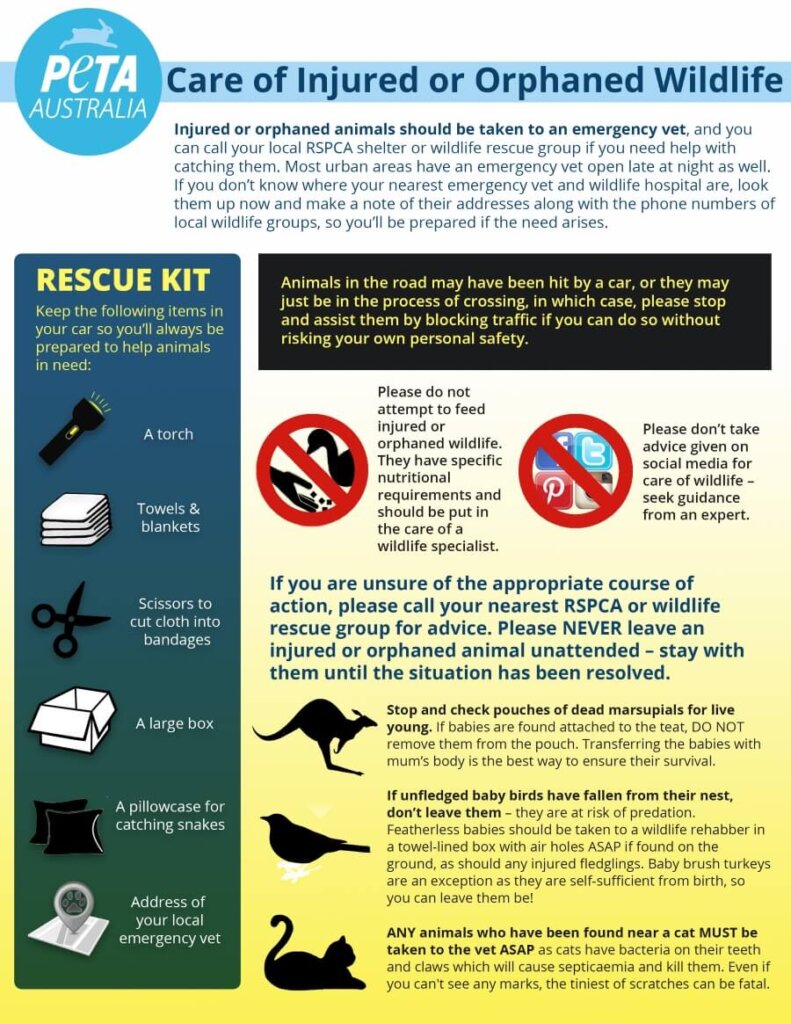
Credit: www.peta.org.au
Frequently Asked Questions
How Do I Recognize An Injured Bird?
Look for signs like difficulty flying, visible wounds, or unusual behavior. Injured birds may also appear lethargic or disoriented. Immediate care can improve their chances of recovery.
What Should I Do First For An Injured Bird?
Gently place the bird in a quiet, warm, and safe container. Avoid handling it too much to reduce stress. Contact a wildlife rehabilitator or vet promptly for professional help.
Can I Feed An Injured Bird Before Help Arrives?
Avoid feeding unless advised by an expert. Incorrect food can harm the bird. Offer water carefully if the bird is alert and able to drink.
When Should I Call A Wildlife Rehabilitator?
Contact a rehabilitator if the bird is bleeding, unable to fly, or visibly weak. Professionals have the tools and knowledge to provide proper care.
Conclusion
Caring for an injured bird takes patience and gentle hands. Keep the bird safe and quiet to help it heal. Provide clean water and food if the bird can eat. Watch for signs of improvement or worsening condition. Contact a wildlife expert or vet for proper care.
Your kindness can give the bird a second chance. Small actions make a big difference in recovery. Stay calm and act quickly when helping injured birds.




