
Have you ever wondered if those dog treats in your pantry could be shared with the birds outside your window? It’s natural to want to give your feathered friends a little extra snack, especially when you care about their well-being.
But before you toss a dog biscuit their way, it’s important to know what’s safe and what could harm them. You’ll discover the surprising truth about feeding birds dog treats—and what you should offer instead to keep your winged visitors happy and healthy.
Keep reading to learn how to make the best choices for your backyard birds.
Bird Diet Basics
Birds need a healthy diet to stay active and strong. Their food should give them energy and nutrients.
Knowing what birds usually eat helps us understand if dog treats are safe for them.
Common Foods Birds Eat
Birds eat many types of food. Seeds and fruits are very common in their diet. Some birds also eat insects and small plants.
- Seeds like sunflower or millet
- Fruits such as apples and berries
- Vegetables including leafy greens and carrots
- Insects like mealworms for extra protein
- Nectar for hummingbirds
Nutritional Needs Of Birds
Birds need a balance of proteins, fats, vitamins, and minerals. Each species may need different amounts.
| Nutrient | Purpose | Sources |
| Protein | Builds muscles and feathers | Insects, seeds, nuts |
| Fat | Provides energy | Nuts, seeds, oils |
| Vitamins | Supports health and growth | Fruits, vegetables |
| Minerals | Strengthens bones and beak | Seeds, mineral blocks |

Credit: www.kwikpets.com
Ingredients In Dog Treats
Dog treats often contain different ingredients to make them tasty and safe for dogs. These ingredients affect whether birds can eat them safely.
Understanding the components helps to know if dog treats are okay for birds or not.
Typical Components
Dog treats usually have proteins, grains, and fats. These provide energy and nutrients for dogs.
- Meat or meat meal for protein
- Wheat, corn, or rice as grains
- Vegetable oils or animal fats
- Vitamins and minerals added for health
Some ingredients might be hard for birds to digest or may not suit their diet.
Additives And Preservatives
Many dog treats have additives to keep them fresh longer. These include preservatives and flavor enhancers.
Some additives can be harmful to birds or cause digestive problems.
- Artificial colors and flavors
- Preservatives like BHA, BHT, or ethoxyquin
- Sweeteners such as xylitol (toxic for pets)
- Salt and sugar in high amounts
Safety Concerns For Birds
Bird owners may wonder if birds can eat dog treats safely. Birds have different diets and digestive systems than dogs. Some dog treats may harm birds or cause health problems.
It is important to know which ingredients can be dangerous. Also, birds may react differently to new foods. Careful attention is needed to protect your bird’s health.
Toxic Ingredients To Avoid
Some ingredients in dog treats are toxic to birds. Birds are sensitive to certain substances that dogs can handle. Avoid giving your bird treats with these harmful ingredients.
- Chocolate – contains theobromine, which is poisonous to birds
- Onions and garlic – can cause red blood cell damage
- Xylitol – an artificial sweetener very toxic to birds
- Salt – too much salt can lead to dehydration and kidney problems
- Alcohol – even small amounts can cause severe harm
Potential Allergies And Reactions
Birds may have allergies or bad reactions to some dog treat ingredients. New foods can cause digestive upset or skin problems. Watch for any signs of illness after feeding treats.
- Vomiting or diarrhea
- Swelling or redness around the beak or eyes
- Changes in behavior or energy levels
- Difficulty breathing or wheezing
If you notice any of these signs, stop feeding the treat immediately. Consult an avian vet to keep your bird safe and healthy.
Effects Of Dog Treats On Birds
Birds may sometimes eat dog treats if they find them. These treats are made for dogs, not birds. It is important to know how dog treats can affect birds.
Dog treats contain ingredients that may cause problems for birds. Even small amounts can change their health in different ways.
Short-term Impact
Eating dog treats can cause quick effects on birds. Their stomachs are not built to digest these treats well.
- Digestive upset, like vomiting or diarrhea
- Allergic reactions such as itching or swelling
- Choking hazards from large pieces or hard treats
- Changes in behavior due to unusual tastes or smells
Long-term Health Risks
Long-term eating of dog treats can harm birds’ health. Some ingredients may build up and cause serious problems.
| Risk | Possible Effect on Birds |
| High Fat Content | Obesity and liver disease |
| Added Sugar | Dental decay and diabetes |
| Artificial Flavors | Poisoning or allergic issues |
| Salt | Kidney damage and dehydration |
Alternatives To Dog Treats
Birds should not eat dog treats because these snacks can harm their health. Many dog treats have ingredients that birds cannot digest well. It is better to offer birds safe and healthy alternatives.
Choosing the right snacks for birds helps them stay strong and happy. Here are some bird-safe snacks and homemade treat ideas you can try.
Bird-safe Snacks
Bird-safe snacks are natural foods that birds enjoy and that keep them healthy. These treats are easy to find and prepare at home.
- Fresh fruits like apples, pears, and berries (remove seeds)
- Vegetables such as carrots, peas, and leafy greens
- Unsalted nuts like almonds and walnuts (in small amounts)
- Cooked grains like rice and quinoa
- Birdseed mixes made for your bird species
Homemade Treat Ideas
Making treats at home allows you to control ingredients and avoid harmful additives. These recipes are simple and safe for your bird.
| Treat | Ingredients | Preparation |
| Fruit Skewers | Apple, banana, berries | Cut fruits into small pieces and thread on a skewer |
| Veggie Chips | Carrot, zucchini | Thinly slice and bake until crisp |
| Seed Balls | Birdseed mix, honey, oats | Mix all and form into small balls, then chill |
| Nut Butter Bites | Unsalted nut butter, oats | Mix and shape into small bites, chill before serving |
Credit: pethelpful.com
Tips For Feeding Birds Safely
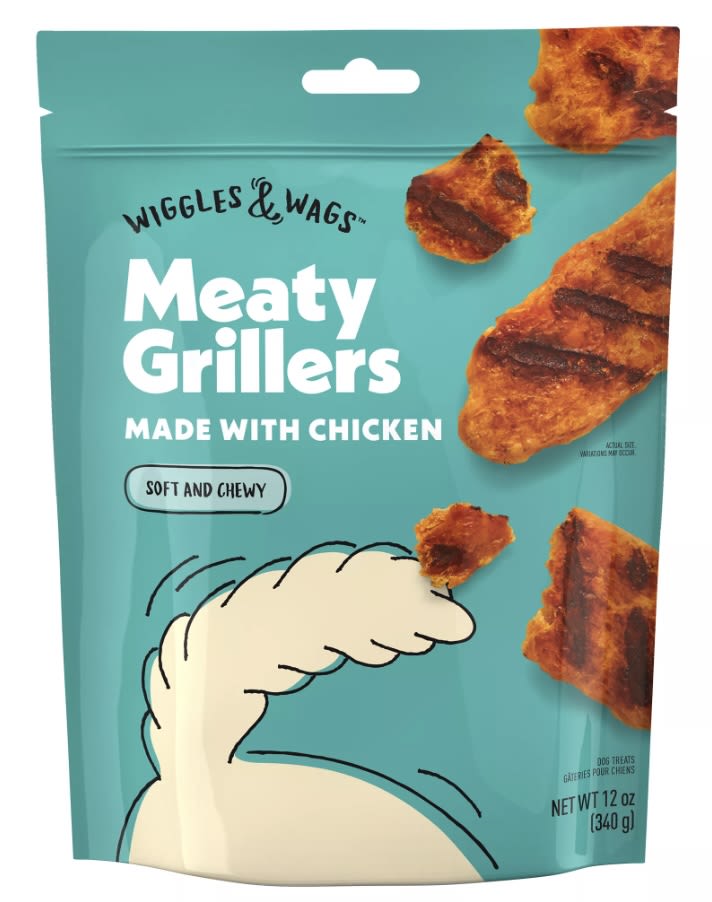
Birds can be curious about foods not in their natural diet. Dog treats may catch their attention.
Feeding birds dog treats requires caution. Follow these tips to ensure their safety.
Portion Control
Birds have small stomachs. Overfeeding can cause health issues.
- Offer tiny pieces of the dog treat.
- Limit treats to once a week.
- Ensure regular diet remains the main food source.
Monitoring Bird Behavior
Watch how birds react to new foods. Changes in behavior can signal problems.
If the bird shows unusual signs, stop the treats immediately:
- Unusual lethargy
- Digestive issues
- Changes in vocalization
:strip_icc()/BonesCo.RawFrozenDogFood-a57c18ebad724f9e9f002ee5f30e3c1b.jpg)
Credit: www.thesprucepets.com
Frequently Asked Questions
Can Birds Safely Eat Dog Treats Occasionally?
Birds should not eat dog treats as they contain ingredients harmful to them. Dog treats may upset their digestion or cause toxicity. Always provide species-specific food to ensure bird safety and health.
What Ingredients In Dog Treats Harm Birds?
Dog treats often contain salt, preservatives, and artificial flavors. These ingredients can be toxic or harmful to birds. Birds require a diet low in salt and free from harmful additives.
Are There Any Safe Dog Treats For Birds?
No dog treats are specifically safe for birds. It is best to avoid feeding birds any dog treats. Instead, offer bird-safe fruits, seeds, and specially formulated bird food.
What Happens If A Bird Eats Dog Treats?
If a bird eats dog treats, it may suffer digestive issues or poisoning. Symptoms include vomiting, lethargy, or seizures. Contact a vet immediately if your bird consumes dog treats.
Conclusion
Birds should not eat dog treats regularly. These treats often contain ingredients harmful to birds. Stick to bird-safe foods for their health. Treat birds with seeds, fruits, and nuts instead. Always check ingredients before offering new foods. Keep your feathered friends happy and safe daily.
Careful feeding helps avoid health problems later. Remember, birds need special diets to thrive well. Choose foods made just for birds to stay safe. Your pet birds will thank you with bright feathers and energy.




