
Have you ever wished you could see everything around your car at once? Imagine parking perfectly without any guesswork or avoiding blind spots with ease.
That’s exactly what a Bird View Camera can do for you. This smart technology gives you a clear, all-around view of your vehicle from above, making driving safer and stress-free. Curious to know how it works and why it’s becoming a must-have for drivers?
Keep reading, and you’ll discover everything you need to know about Bird View Cameras and how they can change the way you drive.
Bird View Camera Basics
Understanding the basics of a bird view camera can change how you approach parking and maneuvering your vehicle. This technology gives you a clear, top-down perspective, which helps you see obstacles that are usually hidden from your direct line of sight. Let’s break down how this system works and what makes it tick, so you can appreciate its value and maybe even improve your driving skills.
How It Works
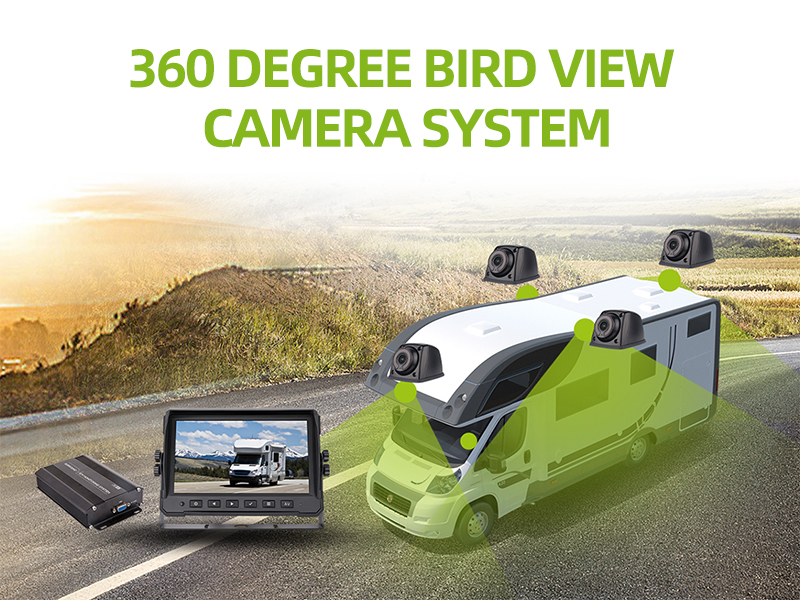
A bird view camera system uses multiple cameras placed around your vehicle—usually at the front, rear, and sides. These cameras capture real-time images from different angles.
Then, software stitches these images together to create a single, seamless 360-degree view from above. This composite image is displayed on your car’s screen, giving you a clear sense of your surroundings.
Think about parking in tight spots or navigating narrow streets. The bird view camera shows you exactly where your car sits relative to nearby objects, reducing the guesswork and making your moves smoother.
Key Components
- Cameras:High-resolution wide-angle cameras are mounted around the vehicle to capture different perspectives.
- Image Processing Unit:This is the system’s brain. It processes the images from all cameras and merges them into one unified view.
- Display Screen:The combined image is shown on your dashboard or infotainment screen, where you can easily see it while driving.
- Sensors and Software:Sensors detect obstacles and help the software adjust the image in real time, enhancing accuracy.
Have you ever struggled with parallel parking or reversing in a crowded lot? This system offers a practical solution by showing you the whole scene from above. By understanding these basics, you can decide how to best use this tool to keep your vehicle safe and improve your confidence behind the wheel.

Credit: www.amazon.ca
Benefits For Drivers
Bird view cameras offer several benefits for drivers. They provide a clear, top-down view of the vehicle’s surroundings. This extra vision helps drivers feel more confident and safe on the road. Many drivers find parking, lane changes, and tight maneuvers easier with this technology. The camera system reduces blind spots and alerts drivers to potential dangers.
Enhanced Parking Accuracy
Bird view cameras make parking simple and precise. They show the entire parking space around the car. Drivers can see curbs, lines, and obstacles clearly. This helps avoid scraping or hitting objects. Parallel and tight parking become less stressful. The camera guides drivers to park within the lines every time.
Improved Blind Spot Detection
Blind spots cause many accidents on the road. Bird view cameras give a full view around the vehicle. Drivers can spot vehicles, cyclists, or pedestrians in blind areas. This reduces the risk of side collisions. It also helps during lane changes and merging. Drivers gain better awareness of their environment instantly.
Accident Prevention
Bird view cameras help prevent accidents by showing hidden dangers. They detect objects close to the vehicle that might be missed. This includes children, pets, or low obstacles. Audible alerts warn drivers to stop or slow down. The system encourages safer driving habits in busy or narrow spaces. Overall, it lowers the chance of costly crashes.
360° Camera Systems
The 360° camera system is a powerful feature in bird view cameras, offering a complete surround view of your vehicle. This technology combines multiple cameras placed around your car to eliminate blind spots and enhance safety. Imagine parking with full confidence, knowing you can see every angle effortlessly.
Multiple Camera Setup
A 360° camera system uses several cameras positioned strategically on your vehicle—usually at the front, rear, and sides. Each camera captures a different angle, covering areas that are hard to see using just mirrors or a single camera.
These cameras work together to provide a seamless view around your car. Have you ever struggled with tight parking spaces? This setup helps you navigate them smoothly by showing everything around your vehicle in real-time.
Image Stitching Technology
The key to a clear 360° view lies in image stitching technology. This software merges the feeds from all cameras into one continuous, bird’s-eye image without visible borders or gaps.
It adjusts for different lighting and angles, so the view looks natural and easy to understand. This means you don’t have to guess where one camera’s perspective ends and another begins—everything blends perfectly for your eyes.
Credit: luview.com
Installation Options
Bird View Camera systems enhance driving safety by offering a 360-degree view. Installation options vary based on your preferences and vehicle type. Understanding these options helps you make an informed decision.
Factory Installed Systems
Factory-installed systems come with new vehicles. These systems are integrated into the car’s design. They provide seamless functionality and high compatibility. The manufacturer ensures that the cameras work optimally. The display is usually part of the car’s infotainment system. This integration offers a user-friendly experience. Factory systems are reliable and maintain vehicle aesthetics. They often come with a warranty, providing peace of mind.
Aftermarket Solutions
Aftermarket solutions offer flexibility for existing vehicles. These systems can be added to most cars. They cater to various budgets and preferences. Installation can be done by professionals or DIY enthusiasts. Aftermarket options include wireless and wired systems. They offer competitive features and quality. Some systems come with mobile app integration. This allows control and viewing from your smartphone. Aftermarket solutions are ideal for upgrading older vehicles.
Integration With Vehicle Safety
Integration with vehicle safety transforms a bird view camera from a simple parking aid into a crucial component of your car’s protective system. This camera works closely with other safety technologies to give you a clearer picture of your surroundings. It enhances your control and awareness, especially in tight or complex driving situations.
Linking With Sensors
The bird view camera doesn’t work alone. It links with sensors placed around your vehicle to provide a complete, 360-degree view. These sensors detect obstacles, nearby vehicles, and pedestrians, sending real-time data that complements the camera’s visuals.
Imagine you’re backing out of a busy parking lot. The sensors alert you to a cyclist approaching from behind, while the bird view camera shows their exact position relative to your car. This combination helps you react faster and avoid accidents.
Assisting Advanced Driver Assistance Systems
Advanced Driver Assistance Systems (ADAS) rely heavily on the bird view camera’s integration. Features like automatic parking, lane departure warnings, and collision avoidance use the camera’s wide-angle images to make smarter decisions.
Have you ever experienced a car that parks itself? That’s the bird view camera and ADAS working together. The camera guides the system by feeding detailed visuals, ensuring the vehicle maneuvers safely and precisely, even in tight spaces.
By understanding how your bird view camera connects with these safety systems, you can better appreciate the technology protecting you every time you hit the road. Would you trust your car to keep an eye on every angle without this powerful integration?
Choosing The Right System
Choosing the right system means understanding what a bird view camera does. It shows a full view around your vehicle from above. This helps drivers park and avoid obstacles more easily.
Choosing the right bird view camera system can be challenging. With various options available, understanding which system suits your vehicle is crucial. Consider several factors before making a decision. This ensures you select a system that meets your needs.Compatibility Considerations
Check if the system matches your vehicle type. Some systems work only with specific models. Ensure the camera integrates seamlessly with your car’s existing setup. This prevents potential installation issues. Compatibility with your vehicle’s software is also vital. It ensures smooth operation and functionality.Feature Comparison
Evaluate the features offered by different systems. Some cameras provide a 360-degree view, while others offer split-screen modes. Consider the resolution quality of the camera. Higher resolution provides clearer images. Night vision capabilities are also important for low-light conditions. Look for systems with easy-to-use controls for better user experience.Common Challenges
Bird view cameras offer a wide view around vehicles. Despite their benefits, users face common challenges. These issues can affect image quality and camera performance. Understanding these challenges helps in better use and care of the system.
Image Distortion Issues
Bird view cameras use multiple lenses to create a full view. This can cause distortion at the edges of the image. Curved lines may appear bent or stretched. Such distortion can confuse drivers about distances and obstacles.
Light reflections and weather conditions can worsen image clarity. Bright sunlight or rain can create glare or blur. Low light can also reduce the camera’s effectiveness.
Maintenance Tips
- Keep camera lenses clean from dirt and debris.
- Use a soft cloth to avoid scratching the lens.
- Check for water spots after rain or car wash.
- Ensure cameras are securely mounted and aligned.
- Inspect wiring regularly for damage or loose connections.
- Update the camera software as recommended by the manufacturer.
Regular maintenance improves image quality and camera lifespan. Clean and well-kept cameras provide clearer views and safer driving.

Credit: www.rearviewsafety.com
Frequently Asked Questions
What Is A Bird View Camera System?
A Bird View Camera system provides a 360-degree overhead view of a vehicle. It uses multiple cameras around the car. This helps drivers see blind spots and park safely. It enhances driving safety and convenience significantly.
How Does A Bird View Camera Work?
The system combines images from several cameras on the vehicle. These images are stitched together by software to create a top-down view. This view displays on the car’s dashboard screen. It helps drivers navigate tight spaces easily.
What Are The Benefits Of Bird View Cameras?
Bird View Cameras improve parking accuracy and reduce accidents. They provide a clear, real-time view around the vehicle. This reduces blind spots and enhances driver awareness. It is especially useful in crowded or narrow areas.
Can Bird View Cameras Be Installed On Any Car?
Most modern cars support Bird View Camera installation. However, compatibility depends on car make and model. Professional installation is recommended for optimal performance. Retrofit kits are available for older vehicles too.
Conclusion
Bird view cameras show the area around a vehicle clearly. They help drivers park and avoid accidents. This technology makes driving safer and easier. Many cars now include bird view cameras as a standard feature. Understanding how they work can improve your driving experience.
These cameras give a full view from above, reducing blind spots. Simple to use and helpful every day. Consider a bird view camera for safer travels.




