
Are you passionate about birding but unsure which camera will capture those amazing moments perfectly? Choosing the right camera can make all the difference between blurry shots and stunning, clear images of your feathered friends.
You want a camera that’s easy to carry, quick to focus, and powerful enough to get close without disturbing the birds. Keep reading, and you’ll discover exactly what features to look for and which cameras fit your needs best. Your next great bird photo is just a few clicks away!

Credit: www.thephoblographer.com
Key Features For Birding Cameras
Choosing the right camera for birding means focusing on features that enhance your ability to capture sharp, detailed images of birds in action. Each feature plays a specific role in improving your bird photography experience, whether you’re shooting from a distance or tracking fast-moving subjects. Understanding these key features helps you make a smarter choice that fits your birding style and goals.
Importance Of Zoom And Focal Length
Zoom and focal length are crucial because birds are often small and far away. A longer focal length—usually 300mm or more—lets you get close-up shots without disturbing the bird. Zoom flexibility helps you quickly adjust your framing as birds move or change positions.
Think about the last time you missed a great shot because you couldn’t zoom in fast enough. Having a camera with a powerful zoom means you won’t lose those fleeting moments.
Image Stabilization Benefits
Image stabilization reduces blur caused by hand shake, which is common when using long lenses. This feature is especially helpful during handheld shooting or in low light. It increases your chances of capturing sharp images without needing a tripod.
Imagine tracking a small bird on a windy day—stabilization helps keep your shots clear even when your hands aren’t perfectly steady. It saves you time and frustration.
Autofocus Speed And Accuracy
Birds move quickly and unpredictably, so autofocus speed is vital. A fast and accurate autofocus system helps you lock onto your subject instantly, reducing missed shots. Look for cameras with advanced tracking modes designed to follow moving subjects.
Have you ever struggled to keep a bird in focus while it was flying? A reliable autofocus system makes those challenging shots achievable.
Sensor Size And Resolution
The sensor size affects image quality and low-light performance. Larger sensors, like APS-C or full-frame, capture more light and detail, resulting in clearer photos. Higher resolution sensors allow you to crop images without losing sharpness, which is useful when shooting distant birds.
Consider whether you prefer shooting in bright daylight or dim forest conditions. Your sensor choice can make a noticeable difference in the final image quality.

Credit: photographyconcentrate.com
Types Of Cameras Suitable For Birding
Choosing the right camera for birding can significantly improve your experience and the quality of your photos. Different types of cameras offer unique benefits and limitations depending on your style and needs. Understanding these options helps you pick a camera that matches your birding adventures perfectly.
Dslr Cameras
DSLR cameras are popular among birders for their fast autofocus and excellent image quality. They handle long telephoto lenses well, which are essential for capturing distant birds. If you want control over settings like shutter speed and aperture, a DSLR might be your best choice.
One thing to consider is their bulk; carrying a DSLR and heavy lenses can be tiring during long walks. However, the durability and battery life often make up for the extra weight. Have you tried adjusting your DSLR settings to freeze a bird in mid-flight?
Mirrorless Cameras
Mirrorless cameras offer a lighter and more compact alternative to DSLRs without sacrificing image quality. They provide fast focusing and high frame rates, perfect for capturing quick bird movements. The electronic viewfinder also shows exactly what the sensor sees, helping you frame shots better.
Battery life can be shorter than DSLRs, so carrying extra batteries is a smart move. Mirrorless systems are evolving fast, making them a strong contender if portability matters most to you. Could a mirrorless camera be the balance between quality and convenience you’ve been looking for?
Bridge Cameras
Bridge cameras combine some features of DSLRs with a fixed lens design, offering a large zoom range that birders love. They are generally more affordable and easier to carry than interchangeable lens cameras. This makes them a good option if you want versatility without swapping lenses.
Keep in mind that image quality may not match that of DSLRs or mirrorless cameras, especially in low light. Still, for casual birding trips or beginners, a bridge camera can capture impressive shots. How often do you find yourself needing extreme zoom without the hassle of extra gear?
Compact Cameras
Compact cameras are small, lightweight, and easy to use, making them perfect for quick birding outings or travel. While they usually have less zoom and smaller sensors, some advanced models offer good image quality and decent zoom capabilities. They are great for beginners who want to learn without investing heavily.
Compact cameras often include features like image stabilization and automatic settings, helping you get good shots with less effort. If you prefer simplicity and portability, a compact camera might be your go-to choice. What’s your priority: ease of use or maximum zoom reach?
Top Dslr Cameras For Bird Photography
Choosing the right DSLR camera is crucial for bird photography. Birds move fast and often appear far away. A camera with good autofocus and zoom helps capture sharp images. High image quality and fast shooting speed also matter. Below are some top DSLR cameras favored by bird photographers.
Nikon D500
The Nikon D500 offers excellent autofocus with 153 focus points. It shoots at 10 frames per second, perfect for action shots. Its 20.9 MP sensor delivers sharp, detailed images. The camera performs well in low light, useful for early morning birding. The build is sturdy and weather-resistant, ideal for outdoor use.
Canon Eos 7d Mark Ii
This Canon model features a 65-point autofocus system. It can shoot 10 frames per second, capturing quick bird movements. The 20.2 MP sensor provides clear images with good color. Its durable design resists dust and moisture. The camera also has a good battery life for long shoots.
Nikon D850
The Nikon D850 has a high-resolution 45.7 MP sensor. It offers sharp image quality for detailed bird photos. The autofocus system is fast and accurate with 153 points. It shoots at 7 frames per second, balancing speed and resolution. The camera is well-built for tough outdoor conditions.
Canon Eos 90d
The Canon EOS 90D combines high resolution and speed. It has a 32.5 MP sensor and shoots 10 frames per second. The autofocus system is reliable with 45 cross-type points. It supports crop mode, extending reach with telephoto lenses. The camera is lightweight and easy to carry on hikes.
Best Mirrorless Cameras For Capturing Birds
Choosing the best mirrorless camera for birding can greatly enhance your photo experience. Mirrorless cameras offer lightweight designs and fast autofocus. These features help capture quick bird movements clearly. Many models provide excellent image quality and zoom options. They balance portability with powerful performance, perfect for bird photography.
Below are some top mirrorless cameras ideal for birding. Each offers unique benefits for capturing birds in flight or perched. Consider sensor size, autofocus speed, and lens compatibility when choosing.
High-speed Autofocus For Fast Bird Movements
Fast autofocus is crucial for bird photography. Birds move quickly, and your camera must keep up. Many mirrorless cameras use advanced autofocus systems with many focus points. This helps keep birds sharp, even in flight. Look for cameras with eye-tracking autofocus to focus on the bird’s eye automatically.
Compact And Lightweight Designs For Easy Carrying
Birding often requires long walks or hikes. A compact and lightweight camera reduces fatigue. Mirrorless cameras generally weigh less than DSLRs. This makes them easier to carry in the field. Smaller size also allows quick handling to capture spontaneous bird moments.
Interchangeable Lenses For Flexibility
Bird photography needs different lenses for various situations. Telephoto lenses help shoot distant birds clearly. Wide apertures improve low-light performance during dawn or dusk. Mirrorless cameras support many lens options. This flexibility lets you adapt to different birding environments.
Image Stabilization For Clear Shots
Birding often involves hand-holding the camera. Image stabilization reduces blur caused by small movements. Many mirrorless cameras have in-body image stabilization (IBIS). This helps keep images sharp without needing a tripod. It is useful when shooting birds in dense trees or on uneven ground.
Affordable Cameras For Birding Beginners
Birding is a delightful hobby that connects you with nature. Having the right camera can enhance this experience. For beginners, finding an affordable camera is crucial. It allows you to capture stunning images without breaking the bank. Let’s explore some great options that balance quality and price.
Canon Eos Rebel T7
The Canon EOS Rebel T7 is a popular choice among new birders. It offers a 24.1-megapixel sensor that captures clear images. The camera’s autofocus system is easy to use. Its lightweight design makes it ideal for long birding sessions.
Nikon Coolpix B500
The Nikon Coolpix B500 is perfect for capturing distant birds. It features a 40x optical zoom, allowing you to get closer shots. The camera’s image stabilization ensures steady pictures. Its simple controls make it user-friendly for beginners.
Sony Dsc-00
The Sony DSC-H300 combines performance and affordability. It boasts a 35x optical zoom for capturing distant subjects. The 20.1-megapixel sensor provides high-quality images. Its ergonomic design ensures comfortable handling during long outings.
Panasonic Lumix Fz80
Panasonic Lumix FZ80 is a versatile camera with impressive zoom capabilities. The 60x zoom lens helps capture birds far away. It includes 4K video recording, perfect for documenting bird behavior. The camera’s touchscreen makes navigation simple.
Fujifilm Finepix S8600
The Fujifilm FinePix S8600 is a compact option for new birders. It offers a 36x zoom lens and 16-megapixel sensor. The camera’s size makes it easy to carry. Its price point is friendly for those starting their birding journey.
These cameras provide a fantastic start for birding enthusiasts. They combine quality with affordability, making them ideal for beginners.
Essential Accessories For Bird Photography
Having the right camera is just the start for bird photography. The essential accessories you add to your gear can make a huge difference in the quality of your shots and your overall experience in the field. These tools help you capture sharp, detailed images while keeping you comfortable and prepared during long birding sessions.
Telephoto Lenses
A telephoto lens is a must-have for bird photography because birds are often far away and easily startled. Lenses with focal lengths of 300mm or more let you zoom in without disturbing your subject. If you’ve ever tried to photograph a small bird at a distance without a telephoto lens, you know how frustrating blurry or distant images can be.
Look for lenses with image stabilization to reduce blur from hand movements. Prime lenses usually offer sharper images but zoom lenses give you more flexibility in framing your shot. What’s your favorite lens for getting close without spooking birds?
Tripods And Monopods
Keeping your camera steady is vital, especially when using heavy telephoto lenses. A tripod offers solid support and helps you compose your shot carefully. However, in dense woods or uneven terrain, a monopod provides better mobility while still stabilizing your camera.
Choose lightweight, durable materials like carbon fiber if you plan to hike long distances. I remember a time when switching from handheld shots to a tripod transformed my bird photos from shaky to crisp. Could adding a tripod or monopod be the game changer in your birding kit?
External Flashes
Natural light is best, but sometimes you need extra illumination to bring out the details of your feathered subjects. An external flash offers more power and control than your camera’s built-in flash. You can angle it to avoid harsh shadows and create more natural lighting effects.
Consider using a diffuser or bounce card to soften the light and prevent startling the birds. Have you experimented with flash to highlight colors and textures in your bird photography?
Camera Bags And Covers
Protecting your gear is crucial when you’re out in unpredictable environments. A good camera bag keeps your equipment safe from weather, dust, and accidental bumps. Look for bags with padded compartments and easy access so you can switch lenses quickly.
Rain covers are also essential if you shoot in wet conditions. I once had a sudden downpour, and having a waterproof cover saved my camera from serious damage. What features do you prioritize when choosing a bag for your birding adventures?
Tips For Getting Stunning Bird Photos
Choosing a good camera for birding means finding one with fast focus and a long zoom lens. Cameras with high resolution help capture fine details of birds in flight or perched far away. Lightweight models make it easier to carry during long birdwatching trips.
Capturing stunning bird photos is an art that blends patience, knowledge, and the right equipment. Each birding trip is a chance to snap that perfect shot, but it requires more than just pointing and shooting. Understanding your camera and your subject can dramatically increase the quality of your photos. Here are some practical tips to elevate your bird photography.Choosing The Right Settings
Bird photography often involves quick movements and varying light conditions. Set your camera to a fast shutter speed to freeze the action. A high ISO setting will help in low-light conditions but be cautious of noise. Use aperture priority mode to control the depth of field. A wider aperture (lower f-number) will blur the background, making the bird stand out. Experiment with different settings to find what works best for your style.Understanding Bird Behavior
Knowing your subject can make a huge difference. Birds often follow predictable patterns. Spend time observing their habits and movements. Notice what time they’re most active. This can help you anticipate their actions, giving you a better chance to capture them in motion. Patience and observation are key to understanding and predicting bird behavior.Best Times For Bird Photography
Lighting plays a crucial role in photography. Early morning and late afternoon, often referred to as the golden hours, provide the best natural light. The soft, diffused light during these times enhances colors and reduces harsh shadows. Birds are also more active during these hours, increasing your chances of spotting them. Plan your outings around these times for optimal conditions.Post-processing Techniques
Post-processing is your chance to enhance your images further. Use editing software to adjust brightness, contrast, and saturation. Crop the image to improve composition and focus on the bird. Be careful not to over-edit; aim for a natural look that highlights the bird’s beauty. Remember, practice and patience are your best tools. What strategies will you try on your next birding adventure?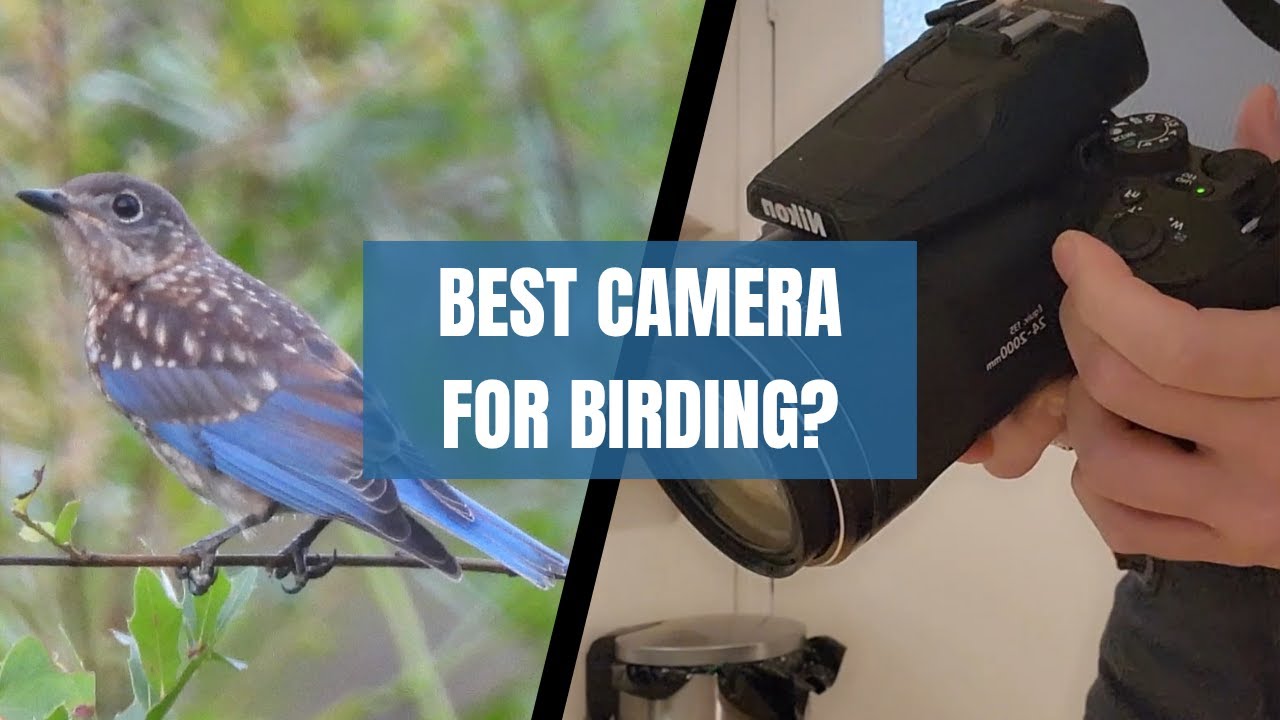
Credit: www.youtube.com
Frequently Asked Questions
What Features Make A Camera Good For Birding?
A good birding camera has fast autofocus, high resolution, and excellent zoom. It should perform well in low light and offer image stabilization for sharp shots.
Which Camera Types Are Best For Bird Photography?
DSLRs and mirrorless cameras are preferred for birding due to their speed and image quality. Superzoom cameras work well for beginners on a budget.
How Important Is Zoom For Birding Cameras?
Zoom is crucial to capture distant birds without disturbing them. A camera with at least 300mm optical zoom is ideal for clear, detailed images.
Can I Use A Smartphone Camera For Birding?
Smartphones can work for casual birding but lack zoom and autofocus speed. For serious bird photography, dedicated cameras provide better quality and flexibility.
Conclusion
Choosing a good camera for birding depends on your needs. Focus on clear images and easy handling. A camera with zoom helps capture birds from far away. Consider lightweight models for long walks in nature. Battery life matters for long birding trips.
Think about your budget but don’t ignore quality. Finding the right camera makes bird watching more fun. Enjoy capturing beautiful bird moments with your new gear. Keep practicing and learning for better photos every time. Happy birding!




