
Your feathered friend is not just a pet; they are part of your family. Seeing your bird sick can be heartbreaking and stressful.
You want to help, but you might not know where to start. What if you had simple, clear steps to nurse your bird back to health at home? Imagine the relief of watching your bird regain strength and joy because you took the right actions early on.
In this guide, you will discover practical tips that anyone can follow, even if you’re not a vet. Ready to give your bird the care it needs? Let’s dive in and make sure your feathered companion feels better soon.

Credit: birdsupplies.com
Signs Of Illness In Birds
Birds can hide their sickness well. It is important to watch them closely. Early signs help you care for them fast.
Knowing common signs of illness can save your bird’s life. Look for changes in behavior, body, and eating habits.
Behavioral Changes
Sick birds often act different than usual. They may be less active or hide more than normal. Pay attention to any unusual actions.
Birds may also become more quiet or irritable when they do not feel well. Watch for these changes to spot illness early.
- Less flying or moving around
- Hiding in corners or under perches
- Unusual quietness or silence
- More aggression or irritability
Physical Symptoms
Look for changes in your bird’s body. Signs include fluffed feathers, swollen eyes, or discharge. These can show illness.
Other symptoms are changes in breathing or posture. If your bird breathes fast or stands with wings drooped, it may be sick.
- Feathers fluffed up for long time
- Swollen, red, or watery eyes
- Runny nose or beak discharge
- Labored or fast breathing
- Unusual posture or drooping wings
Appetite And Droppings
Sick birds may eat less or stop eating. Watch your bird’s food intake closely. A loss of appetite is a common sign of illness.
Droppings can show health problems. Look for changes in color, consistency, or amount. These changes need attention.
- Eating less or refusing food
- Changes in water drinking habits
- Droppings that are watery or very dry
- Unusual color in droppings
- Droppings with mucus or blood
Credit: birdsandexotics.com
Creating A Safe Recovery Space
Nursing a sick bird back to health needs a calm and safe space. Birds heal best in quiet and secure places.
Setting up the right environment helps your bird rest and regain strength faster.
Temperature And Lighting
Keep the room warm but not hot. Sick birds need steady warmth to feel comfortable.
Use soft lighting to avoid stress. Avoid direct sunlight and bright lights near the cage.
- Maintain temperature around 75-80°F (24-27°C)
- Use a low-watt bulb or cover windows with sheer curtains
- Avoid drafts and sudden temperature changes
Quiet And Comfort
Place the cage in a quiet room with little noise. Loud sounds can scare a sick bird.
Keep the area peaceful and limit visitors. Your bird needs rest and calm to heal.
- Turn off loud TVs or radios
- Keep other pets away from the bird
- Speak softly when near the cage
Proper Cage Setup
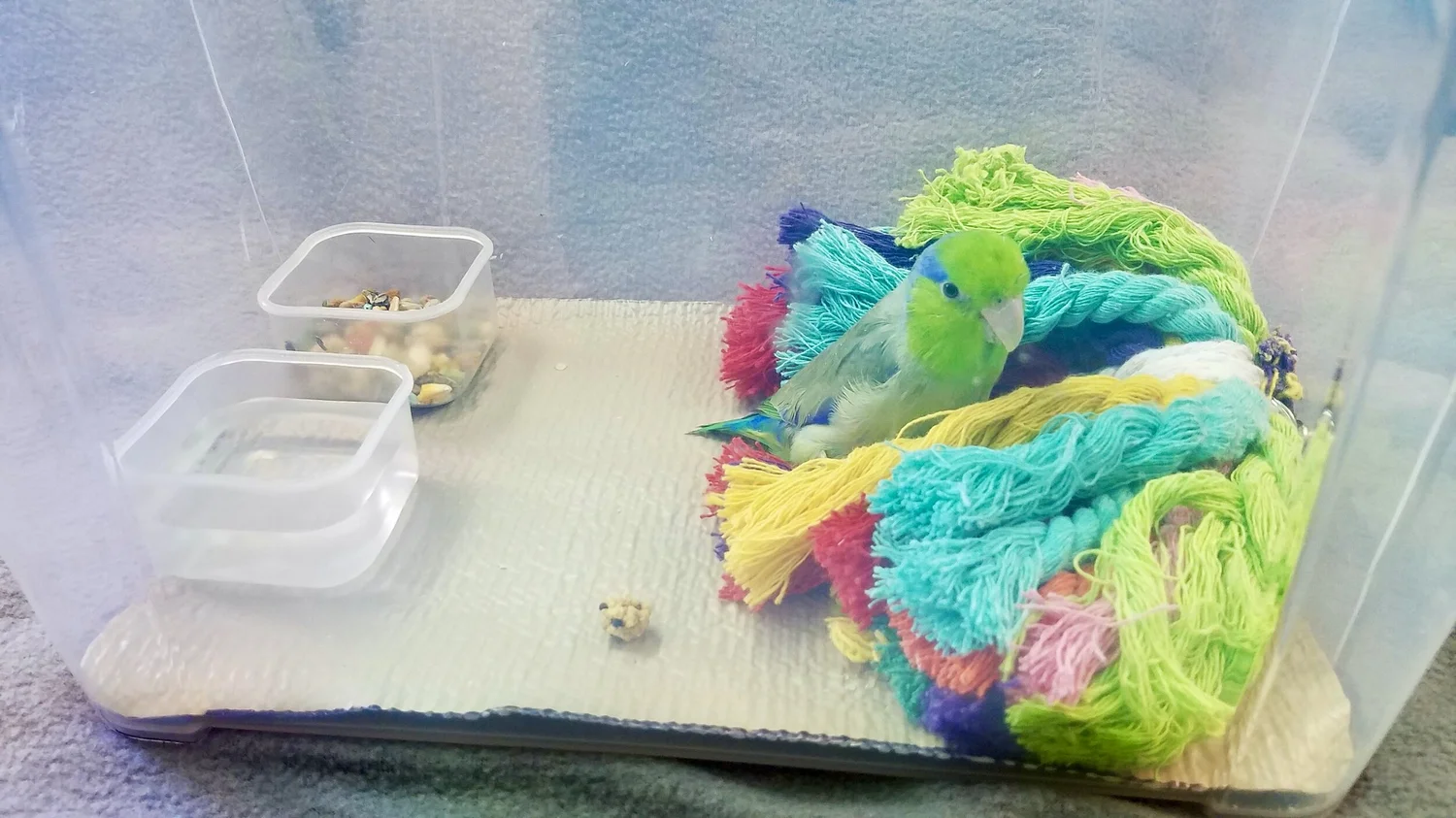
Use a clean cage with soft bedding or paper towels. This helps keep the bird comfortable.
Place food and water close but not crowded. Make it easy for the bird to reach them.
- Remove toys that might stress or hurt the bird
- Add a small perch at a low height
- Clean the cage daily to avoid germs
Nutrition For Healing
Feeding a sick bird the right foods helps it get better faster. Good nutrition supports the immune system and repairs the body.
Birds need special care with food and water when they are not feeling well. This guide covers what to provide to help healing.
Hydration Needs
Water is very important for a sick bird. It keeps the body working well and helps flush out toxins. Offer fresh, clean water often.
If your bird does not drink on its own, try gently offering water with a dropper. Avoid sugary or flavored drinks. Plain water is best.
Balanced Diet Options
Provide a variety of foods to give your bird all the nutrients it needs. Fresh fruits, vegetables, and grains help with healing.
- Soft cooked vegetables like carrots or peas
- Fresh fruits such as apples or berries
- Cooked grains like rice or quinoa
- Protein sources like boiled egg or cooked chicken
- Special bird pellets recommended by a vet
Avoid fatty or salty foods. Make sure the food is easy to digest and cut into small pieces if needed.
Supplements And Vitamins
| Supplement | Benefit | Notes |
| Vitamin A | Supports skin and feather health | Found in carrots and leafy greens |
| Calcium | Helps bone strength and muscle function | Offer crushed eggshell or supplements |
| Probiotics | Improves digestion and gut health | Use vet-approved products only |
| Multivitamins | Boosts overall immune system | Consult a vet before use |
Always check with your vet before giving any supplements. Overdosing can harm your bird’s health.
Administering Medication
Giving medicine to a sick bird takes care and patience. It helps your bird heal faster and feel better. Always follow the vet’s advice when giving medicine.
Learn the right way to give medicine and watch your bird closely for any changes. This keeps your bird safe and healthy during treatment.
Following Vet Instructions
Always use the exact dose the vet gave. Do not change the amount or stop medicine early. Use the right tools like droppers or syringes to measure doses.
- Read the label carefully before each dose.
- Keep a schedule to give medicine on time.
- Ask the vet if you do not understand instructions.
- Store medicine as directed, usually in a cool, dry place.
Techniques For Giving Medicine
Hold your bird gently but firmly to avoid stress. Use a dropper or syringe to place medicine in the side of the beak. Be calm and quiet to keep your bird calm.
- Wrap your bird in a soft towel to keep wings still.
- Place the medicine slowly to avoid choking.
- Offer water or food after medicine if the vet says it is okay.
- Give praise or a treat to comfort your bird.
Monitoring Side Effects
Watch your bird for any signs of side effects. Some common signs are loss of appetite, vomiting, or unusual behavior. Report these to your vet quickly.
| Side Effect | What to Do |
| Loss of appetite | Contact vet if it lasts more than a day |
| Vomiting | Stop medicine and call vet immediately |
| Swelling or redness | Check injection site and inform vet |
| Unusual behavior | Note changes and update vet |
Maintaining Hygiene
Keeping your sick bird’s environment clean helps it heal faster. Dirt and germs can slow recovery or cause new problems.
Good hygiene supports your bird’s health and comfort during illness.
Cleaning The Cage
Clean the cage every day to remove droppings, food waste, and feathers. Use bird-safe disinfectants to kill germs.
- Remove all toys and perches before cleaning
- Wash cage bars, trays, and accessories with warm soapy water
- Rinse thoroughly to remove soap residue
- Dry everything completely before putting items back
- Change cage liners or bedding daily
Handling And Bathing
Handle your bird gently to avoid stress. Use clean hands or gloves to protect both of you.
Bathing helps keep feathers clean. Use warm water and avoid cold drafts afterward.
- Fill a shallow dish with lukewarm water
- Let the bird bathe or mist it lightly with a spray bottle
- Dry the bird in a warm, draft-free area
- Clean your hands after handling the bird
Preventing Infections
Stop infections by keeping the environment clean and monitoring your bird’s health daily.
| Action | Purpose |
|---|---|
| Regular cage cleaning | Remove germs and waste |
| Hand washing | Prevent spreading bacteria |
| Separate sick birds | Limit disease transmission |
| Use fresh food and water | Prevent contamination |
| Prompt vet visits | Early infection treatment |
Credit: www.exoticvetclinic.com
Monitoring Progress
Nursing a sick bird requires careful observation. Regularly monitor the bird’s condition to ensure it is improving.
Pay attention to changes in behavior, eating habits, and activity levels. These signs will help you track recovery.
Tracking Symptoms
Keep a daily record of your bird’s symptoms. Note changes in breathing, droppings, and vocalizations.
Identifying patterns can help you understand the bird’s health better. Compare notes over time to see improvement.
- Check for labored breathing
- Observe changes in droppings
- Listen for unusual sounds
Adjusting Care As Needed
As you monitor progress, adjust care according to the bird’s needs. Offer different foods if appetite changes.
Provide a warm and quiet environment to aid recovery. Ensure the bird’s cage is clean and comfortable.
| Adjustment | Purpose |
|---|---|
| Change diet | Boost nutrition |
| Increase warmth | Prevent chills |
When To Seek Further Help
If the bird’s condition worsens, seek help from a veterinarian. Professional advice is crucial when symptoms persist.
Veterinarians can perform tests to identify underlying issues. Timely intervention can save your bird’s life.
- Contact a vet if symptoms worsen
- Seek help for persistent lethargy
- Consult a vet for prolonged appetite loss
Emotional Support For Your Bird
Nursing a sick bird back to health requires more than just medical care. Emotional support plays a crucial role in their recovery. Providing a calm and loving environment helps in easing their stress.
Understanding your bird’s emotional needs can speed up their healing. Let’s explore how you can offer the best emotional support through gentle interaction, reducing stress, and encouraging activity.
Gentle Interaction
Gentle interaction helps your bird feel safe and loved. Spend time sitting near their cage and speak softly to them. Avoid sudden movements that might frighten them.
- Talk to your bird in a calm voice
- Offer treats from your hand to build trust
- Gently stroke their head if they allow it
Reducing Stress
Reducing stress is vital for a sick bird’s recovery. Ensure their environment is peaceful and consistent. Keep noise levels low and maintain a regular schedule for feeding and cleaning.
| Activity | Benefit |
| Cover cage at night | Promotes restful sleep |
| Play soft music | Calms nerves |
| Limit visitors | Prevents overstimulation |
Encouraging Activity
Encouraging activity helps in keeping your bird engaged and motivated. Provide safe toys and allow them some time outside the cage if they’re up for it.
Use a perchor ladderto encourage movement within the cage.
Frequently Asked Questions
How Can I Tell If My Bird Is Sick?
Look for signs like lethargy, fluffed feathers, loss of appetite, or unusual droppings. Birds may also show respiratory issues or changes in behavior, indicating illness. Early detection helps in prompt treatment and recovery.
What Should I Feed A Sick Bird?
Provide easily digestible foods like cooked rice, boiled eggs, or soft fruits. Avoid fatty or sugary foods. Fresh water should always be available. Nutritious, gentle foods support healing and maintain energy.
How Do I Create A Recovery Environment For My Bird?
Keep the bird warm, quiet, and stress-free in a small, clean cage. Avoid drafts and loud noises. Proper lighting and humidity help comfort and promote healing.
When Should I See A Vet For My Sick Bird?
If symptoms persist for more than 24 hours or worsen, consult a vet. Immediate care is crucial for breathing problems, bleeding, or severe lethargy. Professional help ensures proper diagnosis and treatment.
Conclusion
Nursing a sick bird takes time and gentle care. Watch your bird closely for any changes. Keep their environment clean and quiet to help healing. Give food and water often to keep strength up. Visit a vet if symptoms get worse or last long.
Patience and love make a big difference in recovery. Your bird depends on you for comfort and safety. Stay calm and caring through the whole process. Small steps lead to better health and happy days.




