
Are you tired of blue jays taking over your bird feeders and scaring away the smaller birds you want to enjoy? Blue jays are beautiful but can be very bold and noisy, often dominating your feeders and leaving little for other birds.
If you want to protect your feeders and create a peaceful spot for a variety of birds, you need effective strategies that really work. You’ll discover simple and practical tips to keep blue jays away while still attracting the birds you love.
Keep reading to transform your backyard into a welcoming haven for all your favorite feathered friends.
Why Blue Jays Visit Feeders
Blue Jays are striking birds that often visit feeders, but their visits can sometimes be unwelcome. Understanding why Blue Jays come to feeders helps you manage their presence better. Their visits are driven by specific needs and behaviors related to food and safety.
Attractants For Blue Jays
Blue Jays are attracted to feeders that offer high-energy, nutrient-rich foods. They love peanuts, sunflower seeds, and suet. If your feeder has these, it’s like a magnet for them.
Blue Jays also prefer feeders located near trees or shrubs. These provide quick escape routes and places to rest. Have you noticed how they often watch from nearby branches before approaching?
Feeding Habits
Blue Jays are clever and somewhat aggressive eaters. They often take large amounts of food and store it for later. This behavior is called caching, and it helps them survive when food is scarce.
They tend to dominate feeders, sometimes chasing smaller birds away. If you want to keep Blue Jays at bay, consider how their feeding habits affect your feeder setup. Could changing the food type or feeder location make a difference?
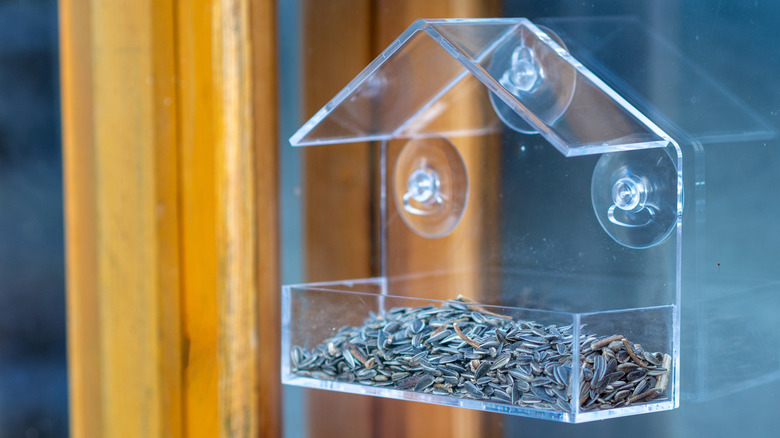
Credit: www.housedigest.com
Choosing The Right Feeder
Blue Jays can dominate bird feeders, leaving little for other birds. Selecting the right feeder can help maintain balance in your garden. Different feeders can discourage Blue Jays, letting smaller birds feed in peace. Here’s how to choose wisely.
Types That Discourage Blue Jays
Specific feeder types make it hard for Blue Jays to access food. Tube feeders with small perches work well. Blue Jays struggle with their larger size on these feeders. Weight-activated feeders close access when heavier birds land. They allow only smaller birds to feed.
Materials And Designs
Feeder materials and designs can deter Blue Jays. Use metal or sturdy plastic feeders. They withstand pecking and tampering. Dome-shaped designs offer protection against larger birds. Adjustable perches can also help. Set them to support only lightweight birds.
Selecting Bird Food Wisely
Choosing the right bird food helps control which birds visit your feeder. Some foods attract many birds but also draw blue jays. Others keep blue jays away but still feed smaller birds. Knowing what blue jays avoid lets you pick better foods. This way, you protect your garden and enjoy watching other birds.
Foods Blue Jays Avoid
Blue jays prefer large seeds and nuts. They often like peanuts, sunflower seeds, and corn. They avoid tiny seeds and spicy foods. Some foods that blue jays dislike include:
- Nyjer (thistle) seeds
- Millet
- Spicy safflower seeds
- Cracked corn mixed with cayenne pepper
Using these foods reduces blue jay visits. Blue jays find them less tasty or hard to eat.
Alternatives For Other Birds
Other common backyard birds enjoy the foods blue jays avoid. Finches love nyjer seeds. Sparrows and doves eat millet well. Safflower seeds attract cardinals and chickadees. Mixing these into your feeder feeds many birds but keeps blue jays away.
Try these alternatives to keep your feeder busy with a variety of smaller birds.

Credit: owlcation.com
Placement Strategies
Placement strategies can greatly reduce unwanted visits from blue jays at your bird feeders. Choosing the right spot and adding simple barriers can make a big difference. These steps help create a friendly space for smaller birds while keeping blue jays away.
Ideal Locations To Minimize Visits
Place feeders away from open spaces and large trees. Blue jays like to perch in high, open areas. Choose spots near shrubs or dense bushes to hide feeders. This makes it harder for blue jays to spot them easily.
Position feeders at varying heights. Blue jays prefer feeders at eye level or higher. Lower placements attract smaller birds and reduce blue jay visits. Avoid placing feeders too close to windows or walls where blue jays can rest.
Using Physical Barriers
Install baffles above or below feeders to block blue jay access. Baffles are dome or cone-shaped guards that prevent large birds from landing. Use metal or plastic materials for durability and easy cleaning.
Surround feeders with mesh or wire cages that allow small birds in but keep blue jays out. Make sure holes are small enough for tiny birds to enter safely. Regularly check barriers for damage or gaps.
Using Deterrents Safely
Using deterrents safely is key to keeping blue jays away from your bird feeders without harming them or other wildlife. You want to discourage these bold birds without causing stress or injury. Thoughtful placement and gentle methods can make a big difference in maintaining a peaceful feeder environment for all visitors.
Visual Deterrents
Visual deterrents work by startling or confusing blue jays, making your feeder less appealing. Reflective objects like old CDs, aluminum foil strips, or specialized bird scare tape can catch the sunlight and create flashes that blue jays dislike.
Try hanging these around your feeder but keep them moving slightly in the breeze for maximum effect. You might notice blue jays avoiding the area after a few days. However, don’t overcrowd your space with too many shiny items, as this can also scare away smaller, friendlier birds.
Have you ever seen a plastic owl or hawk near a feeder? These decoys can work if you move them every few days. Blue jays quickly learn that stationary decoys are harmless, so changing their position keeps the birds cautious.
Sound And Motion Devices
Sound and motion devices add another layer of defense by triggering a natural fear response in blue jays. Ultrasonic repellents emit high-frequency sounds that humans can’t hear but annoy birds. Before buying one, check reviews to ensure it actually affects blue jays, as results vary.
Motion-activated sprinklers or noise makers can surprise blue jays when they approach. These devices don’t cause harm but create an uncomfortable environment that encourages them to find quieter spots. Place these carefully to avoid disturbing neighbors or scaring off all wildlife.
Remember, consistency is crucial. Blue jays are smart and may return if deterrents stop working. Adjusting or combining visual and sound methods keeps your approach fresh and effective.
Maintenance And Cleanliness
Regularly cleaning bird feeders removes spilled seeds that attract blue jays. Keeping the area tidy reduces their interest and discourages their visits. Proper maintenance helps create a peaceful feeding spot for smaller birds.
Maintaining cleanliness around your bird feeders is crucial in keeping blue jays at bay. Regular upkeep not only ensures that your feeders remain appealing to smaller birds but also discourages larger, more aggressive birds like blue jays. A clean and well-maintained feeder area can make all the difference in attracting the right feathered visitors to your yard.Regular Cleaning Tips
A clean feeder is a happy feeder. Regular cleaning helps prevent the buildup of mold and bacteria, keeping the feed fresh and safe for your feathered friends. Use a mild soap and water solution to scrub the feeder at least once a week. Rinse thoroughly and let it dry completely before refilling. This simple routine prevents diseases and keeps your backyard inviting for smaller birds. Have you noticed more birds visiting after a thorough cleaning?Preventing Spilled Seeds
Spilled seeds can attract unwanted guests, including blue jays. Consider using seed catchers or trays to minimize waste. These handy tools can be attached below the feeder to catch any falling seeds. You can also choose feeders with smaller openings that discourage larger birds from feeding. Regularly check the area around your feeders and promptly clean up any spills. This practice not only helps in keeping blue jays away but also maintains a tidy feeding environment.Encouraging Other Birds
Encouraging a variety of birds at your feeder can naturally reduce the presence of blue jays. By attracting other species, you create a lively and diverse environment that balances the bird population. This approach not only enriches your backyard experience but also helps keep blue jays from dominating your feeders.
Attracting Desired Species
Choose seeds and feeder styles that appeal to smaller, less aggressive birds like finches, chickadees, and sparrows. Black oil sunflower seeds and nyjer are favorites among many small birds but less attractive to blue jays.
Try tube feeders with small perches or mesh feeders that suit tiny beaks. These designs make it harder for blue jays to access the food, giving smaller birds more chances to feed peacefully.
Have you noticed how different bird species prefer different types of food? Experiment by mixing seed types and feeder styles to see which birds visit your feeder most.
Creating A Balanced Bird Habitat
Plant native trees and shrubs that provide natural food and shelter to a variety of birds. Berry-producing bushes, such as dogwood or elderberry, attract songbirds and offer them alternative food sources.
Adding water features like birdbaths encourages more species to visit. Moving water, such as a dripper or fountain, can increase bird activity and reduce blue jay dominance by attracting diverse visitors.
Have you tried observing your yard throughout the day to see how bird activity changes? Sometimes, offering multiple feeding spots away from each other helps spread out the birds and lowers competition.
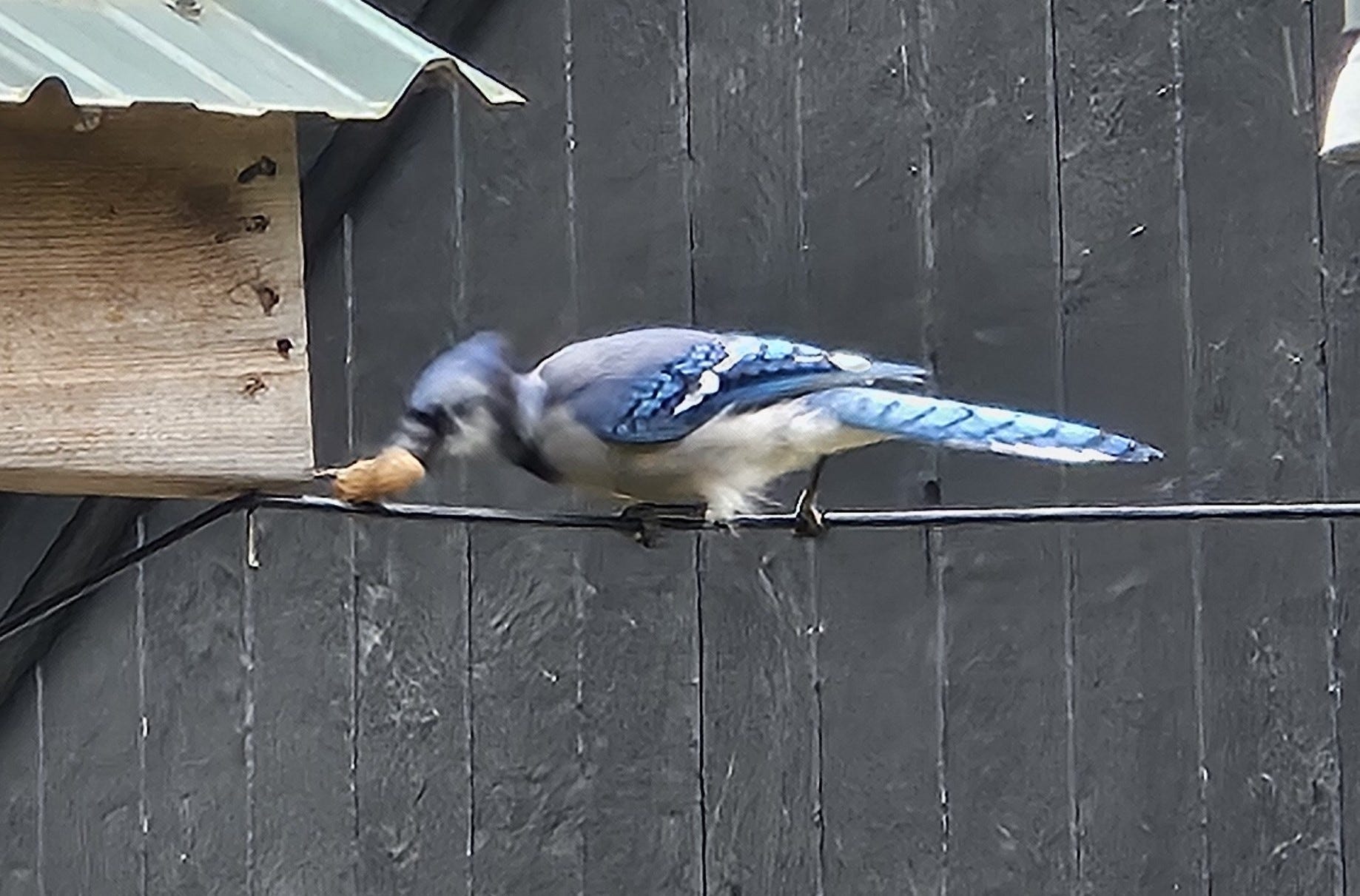
Credit: medium.com
Frequently Asked Questions
How Can I Deter Blue Jays From My Bird Feeder?
Use feeders designed for smaller birds and add a cage around the feeder. Avoid using peanuts and sunflower seeds, as Blue Jays prefer them. Install baffles to prevent access and place feeders away from dense trees where Blue Jays perch.
What Types Of Bird Feeders Keep Blue Jays Away?
Tube feeders with small perches or feeders with weight-sensitive perches work well. These designs limit access to larger birds like Blue Jays. Platform feeders without protective cages tend to attract Blue Jays more.
Which Birdseed Do Blue Jays Dislike?
Blue Jays generally avoid safflower seeds and nyjer seeds. Using these seeds in your feeders can reduce their visits. Avoid sunflower and peanut seeds, as these attract Blue Jays the most.
Are Visual Deterrents Effective Against Blue Jays?
Yes, reflective objects like CDs, shiny tape, or scare-eye balloons can scare Blue Jays. Moving these deterrents regularly keeps them effective. However, results may vary depending on the bird’s habituation.
Conclusion
Keeping blue jays away from bird feeders takes patience and care. Try different methods to see what works best. Use feeders that blue jays find less appealing. Place feeders where small birds feel safe. Keep your yard clean to avoid attracting unwanted visitors.
Over time, you will enjoy watching smaller birds more. Remember, small changes can make a big difference. Stay patient and keep your feeders inviting for the birds you love.




