
Are you tired of birds constantly blocking your security cameras? It’s frustrating when your camera’s view gets covered by feathers, making it hard to see what’s happening around your home.
You want clear, reliable footage, but those pesky birds keep getting in the way. Don’t worry—there are simple and effective ways to keep birds off your security cameras. Keep reading, and you’ll discover easy tips to protect your cameras and keep your property safe without any hassle.
Why Birds Target Security Cameras
Birds often seem drawn to security cameras in ways that can be both puzzling and frustrating. Understanding why birds target your security cameras is the first step to protecting your equipment. Their interest isn’t random; it ties directly to their natural instincts and behaviors.
Common Bird Behaviors
Birds are naturally curious creatures. They often perch on elevated spots to get a better view of their surroundings.
Your security camera provides a perfect vantage point. It’s usually high up, stable, and offers a good lookout for predators or potential food sources.
Some birds also see their reflections in the camera lens or housing. This can cause them to react defensively, thinking they are facing a rival.
Attraction Factors
Security cameras often have smooth, shiny surfaces that catch and reflect light. This reflection can attract birds as if it’s water or another bird’s plumage.
Warmth is another big factor. Cameras and their housings can generate heat, especially if they are in the sun or have internal electronics running.
Think about the location of your camera too. If it’s near food sources, nesting areas, or water, birds are naturally going to be around more.
Have you noticed birds pecking or sitting on your cameras during certain times of the day? It’s likely linked to these attraction points.

Credit: www.eufy.com
Physical Barriers To Deter Birds
Physical barriers offer a strong way to keep birds away from security cameras. These barriers block birds from landing or nesting near your equipment. They protect your cameras from droppings, scratches, and interference.
Using physical barriers is simple and effective. They require little maintenance and cause no harm to the birds. Here are two common types of physical barriers to consider.
Installing Bird Spikes
Bird spikes are thin strips with sharp points that stop birds from landing. They fit easily on top or around your security cameras. The spikes don’t hurt birds but make landing uncomfortable.
Bird spikes come in plastic or metal. Plastic spikes are lightweight and weather-resistant. Metal spikes last longer in harsh weather. Choose spikes that match your camera size and location.
Installation is quick. Use adhesive or screws to fix spikes near the camera. Clean the area first for better sticking. Check spikes regularly and replace any broken ones.
Using Netting And Screens
Netting and screens create a physical wall between birds and your cameras. Netting uses small holes to block birds but lets air and light pass. Screens are solid barriers that cover larger areas.
Bird netting works well for open spaces around cameras. It stops birds from flying close. Screens suit tight spots or places with many birds. Choose UV-resistant netting for outdoor use.
Secure netting or screens with hooks, nails, or frames. Make sure there are no gaps for birds to squeeze through. Regularly inspect and repair damaged sections to keep birds out.
Visual Deterrents That Work
Keeping birds away from your security cameras can be tricky, but visual deterrents offer effective solutions that don’t harm the birds or damage your equipment. Birds rely heavily on sight, so using visual cues to make your cameras less inviting can reduce their visits significantly. Let’s look at some practical visual deterrents you can use right now.
Reflective Objects
Reflective objects catch the light and create flashes or movements that birds find confusing or threatening. Hanging shiny items near your cameras, like old CDs, aluminum foil strips, or reflective tape, can make birds avoid the area. The constant flicker of light can feel like a disturbance to them, encouraging them to move elsewhere.
Think about a time when you saw a shiny object suddenly flash in your eyes. It’s startling and distracting. Birds react the same way, making reflective objects a simple yet powerful deterrent.
Decoy Predators
Birds are naturally cautious of predators. Placing realistic decoys like plastic owls or hawks near your security cameras can scare birds away. These decoys work because they tap into the bird’s instinct to avoid danger.
However, birds can become used to static decoys if they stay in one place too long. To keep your deterrents effective, try moving the decoys occasionally or switching their positions. This keeps the threat feeling real and unpredictable, making your cameras a less attractive perch.
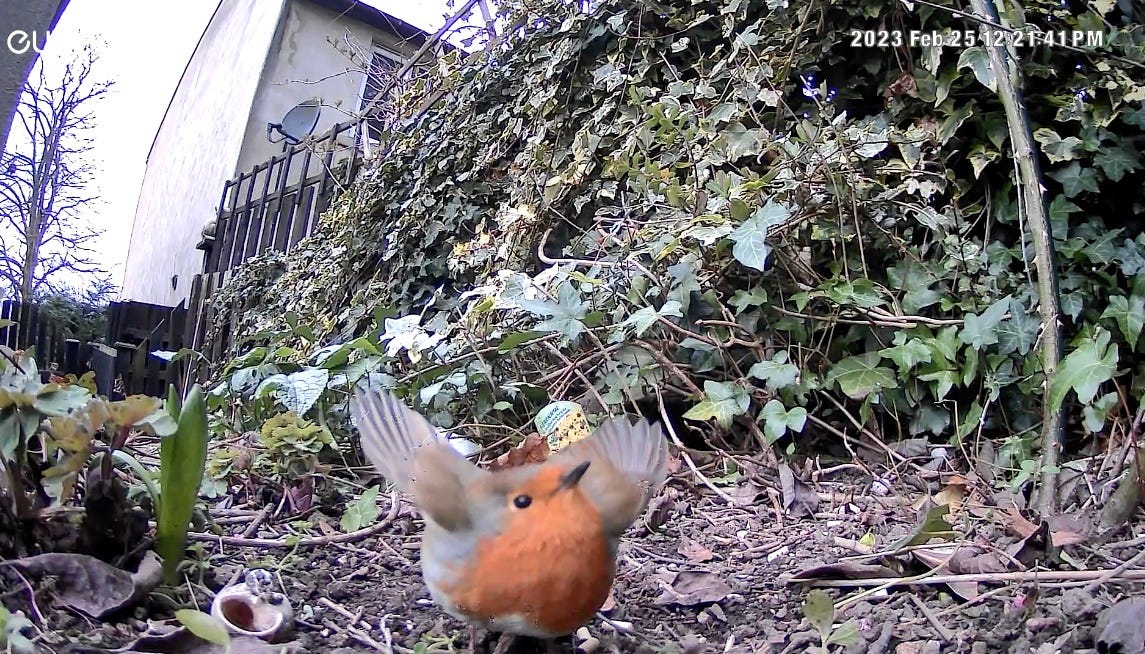
Credit: medium.com
Sound-based Bird Repellents
Sound-based bird repellents offer a unique way to keep birds away from your security cameras without causing harm. These devices use sounds that birds find uncomfortable or threatening, encouraging them to stay clear of certain areas. If you’ve ever noticed birds perching repeatedly on your cameras, these options might help you regain control of your property’s safety.
Ultrasonic Devices
Ultrasonic devices emit high-frequency sounds that are usually inaudible to humans but highly disturbing to birds. These sounds can make your security cameras a less attractive spot for perching or nesting.
One practical tip is to place these devices near your cameras but out of direct view to avoid interference with your footage. Keep in mind that effectiveness varies by bird species and environmental noise levels. If you live in a noisy area, the ultrasonic sound might get drowned out, reducing its impact.
Have you noticed birds ignoring some repellents? Ultrasonic devices sometimes require repositioning or combining with other methods for better results.
Recorded Predator Calls
Recorded predator calls mimic the sounds of birds’ natural enemies, triggering their instinct to flee. Playing these sounds near your cameras can make the area feel unsafe for unwanted visitors.
This method works well if the calls are realistic and played at irregular intervals to avoid birds getting used to them. You can find devices or apps that cycle through various predator sounds like hawks or owls.
One thing I learned from trying this approach is to adjust volume levels carefully. Too loud, and you might disturb neighbors; too soft, and birds won’t notice. Experiment with timing and placement to find what keeps birds away without causing extra noise pollution.
Maintenance Tips To Prevent Bird Issues
Keeping birds away from your security cameras isn’t just about installing deterrents; regular maintenance plays a crucial role in preventing bird-related issues. Birds are attracted to certain conditions like dirt buildup or accessible food, which can make your cameras their preferred resting or nesting spot. Addressing these factors with consistent upkeep reduces the chances of birds interfering with your surveillance system.
Regular Cleaning
Dirty cameras attract birds because grime and droppings can create a rough surface that feels safe for them to perch on. Clean your cameras regularly using a soft cloth and mild detergent to remove any dirt or sticky residue.
Don’t forget to clear away spider webs and nests that might start forming nearby. These can encourage birds to settle in the area, increasing the risk of damage or obstruction.
Have you noticed how a clean camera lens improves not just image quality but also discourages birds? Maintaining a spotless camera is a simple step that can save you from costly repairs later.
Securing Food Sources
Birds often gather where food is easy to find. Check your surroundings for any bird feeders, open trash bins, or leftover pet food that might be attracting them near your security cameras.
Keeping these food sources secured or moving them away from camera locations reduces the temptation for birds to loiter around your equipment. You might be surprised how much this small change can cut down on bird visits.
Think about your own yard or building—are there spots that unintentionally offer birds a buffet? Removing these attractions is a practical way to keep your cameras clear and functioning well.
Choosing Bird-resistant Camera Designs
Choosing bird-resistant camera designs helps protect your security cameras from bird interference. Opt for models with anti-bird spikes or covers. This deters birds from landing, ensuring clear footage and maintaining camera functionality.
Choosing the right camera design can help keep birds away. Bird-resistant cameras are designed to minimize bird interference. This helps maintain clear surveillance footage.Weatherproof Housings
Weatherproof housings protect cameras from the elements. They are made from durable materials. These materials withstand rain, wind, and extreme temperatures. A well-sealed housing keeps the camera safe. Birds find it hard to perch on smooth, slippery surfaces. This discourages them from landing on the camera. Choose a housing with a sloped design. Sloped designs prevent birds from nesting or roosting.Compact Camera Models
Compact camera models are small and less visible. Their size makes it difficult for birds to land on them. These cameras fit into tight spaces, away from bird activity. Compact designs are often lightweight. They can be mounted on walls or ceilings easily. This flexibility helps position cameras in bird-free zones.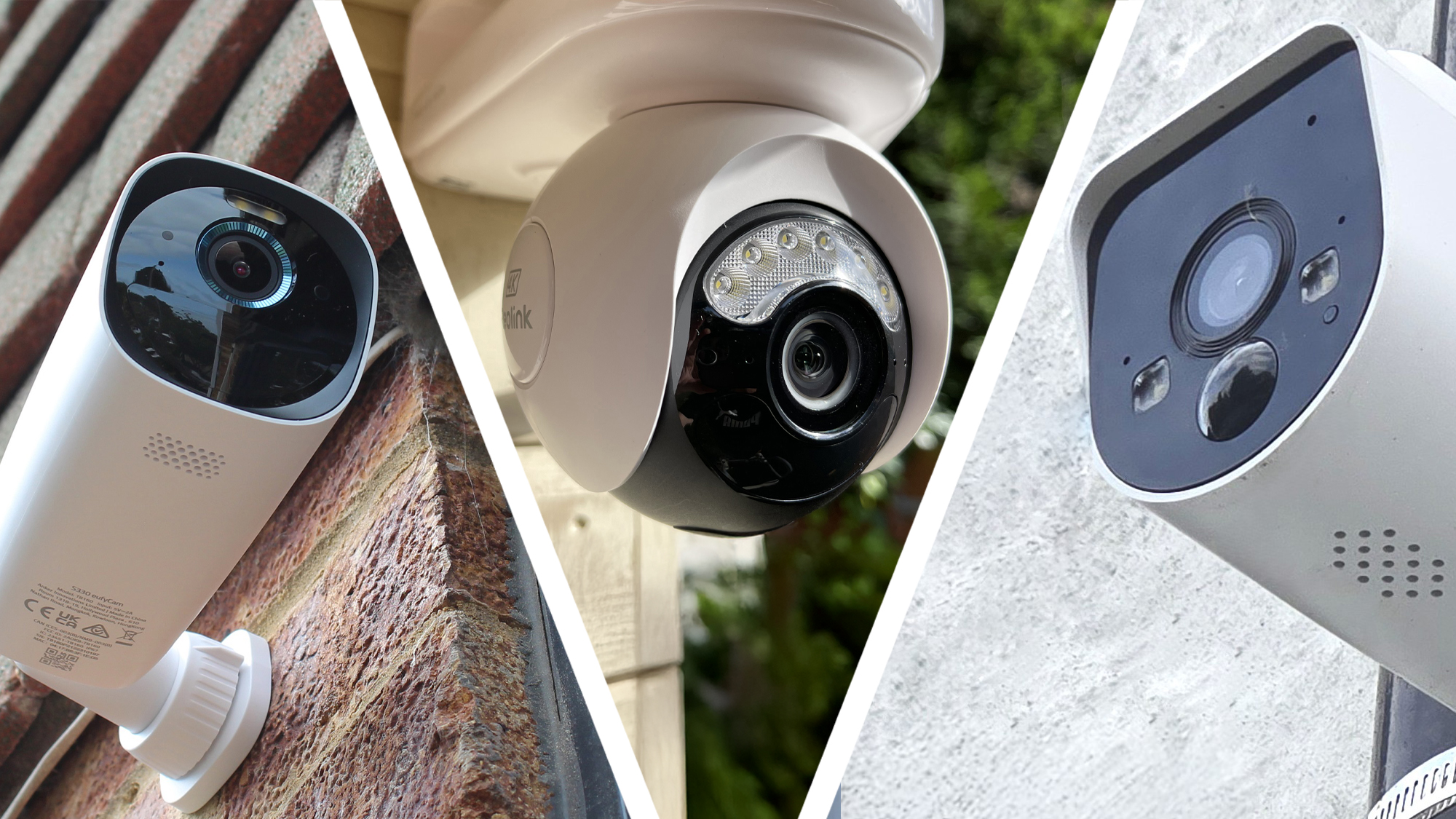
Credit: www.techradar.com
Frequently Asked Questions
How Can I Prevent Birds From Perching On Cameras?
Use bird spikes or mesh around your cameras. These physical barriers stop birds from landing without harming them. Regular maintenance ensures effectiveness.
What Materials Repel Birds From Security Cameras?
Reflective tape, ultrasonic bird repellers, and decoy predators work well. These materials discourage birds by creating an uncomfortable environment near cameras.
Are There Humane Ways To Deter Birds From Cameras?
Yes, use visual deterrents like fake owls or shiny objects. These scare birds away without causing harm or stress.
Why Do Birds Target Security Cameras?
Birds perch on cameras for high vantage points and shelter. Cameras provide warmth and a safe resting spot, attracting them frequently.
Conclusion
Keeping birds away from your security cameras protects your property well. Use simple methods like placing bird spikes or reflective tape nearby. Regular cleaning helps keep lenses clear and working properly. Moving cameras slightly can also reduce bird visits. These small actions save time and avoid damage.
Watch your cameras often to catch new problems early. Protect your security gear and keep your view clear. Peace of mind comes from a clean, bird-free camera. Simple steps make a big difference every day.




