
Are you wondering how long bird seed stays fresh and safe for your feathered friends? Using old or spoiled bird seed can harm the birds you want to help, and it can also waste your money.
Knowing the right storage time and conditions can keep your bird seed tasty and nutritious. You’ll discover exactly how long bird seed lasts, how to store it properly, and signs that it’s time to replace it. Keep reading to make sure you’re giving your backyard visitors the best care possible.
Shelf Life Of Bird Seed
Knowing the shelf life of bird seed helps keep your feathered friends healthy. Fresh seed tastes better and holds more nutrients. Old seed can lose flavor and attract pests. Proper storage extends its usability and prevents waste. Understanding how long different seeds last guides better purchasing and storage decisions.
Factors Affecting Longevity
- Storage conditions: Cool, dry places slow down spoilage.
- Exposure to air and moisture leads to mold and rot.
- Pests like insects and rodents can contaminate seed quickly.
- Seed quality and freshness at purchase affect lasting time.
- Packaging type: Airtight containers keep seeds fresher longer.
Common Types And Their Durability
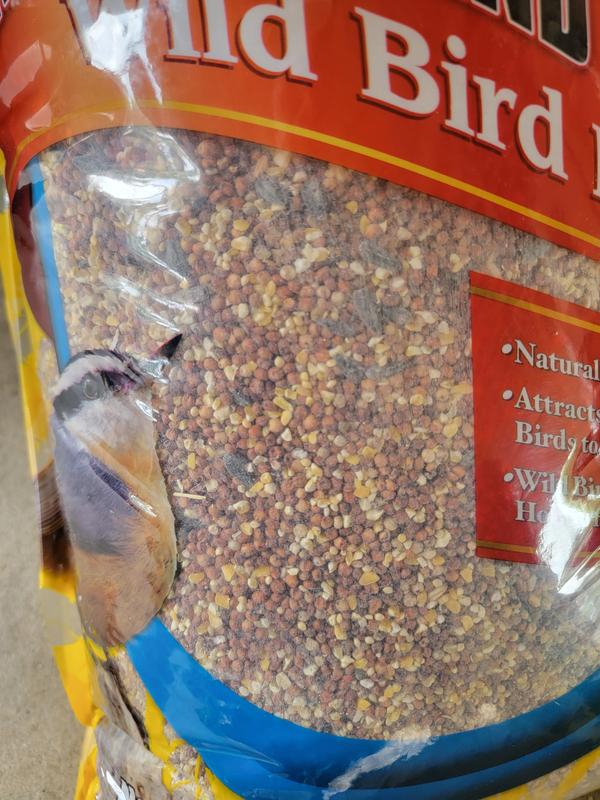
| Seed Type | Average Shelf Life | Notes |
|---|---|---|
| Black Oil Sunflower | 6-12 months | High oil content; store cool to prevent rancidity. |
| Millet | 12-24 months | Small seed, lasts longer if dry and sealed. |
| Safflower | 12 months | Moderate oil; keep away from moisture. |
| Nyjer (Thistle) | 6-9 months | High oil, sensitive to heat and moisture. |
| Cracked Corn | 9-12 months | Store dry to avoid mold growth. |
Credit: www.chewy.com
Signs Of Spoiled Bird Seed
Knowing the signs of spoiled bird seed is essential to keep your feathered friends healthy and happy. Spoiled seed can lead to wasted money and, more importantly, harm the birds you want to feed. Paying close attention to subtle changes in the seed can help you decide when it’s time to replace it.
Visual Indicators
One of the easiest ways to spot spoiled bird seed is by looking at it closely. If you notice any mold or white fuzzy patches, it’s a clear sign the seed has gone bad.
Discolored seeds, such as those that are darker or have unusual spots, also indicate spoilage. Seeds that are clumped together or have a powdery residue suggest moisture damage.
Have you ever seen tiny insects or larvae crawling in your bird seed? This is a strong visual warning that your seed is no longer safe for birds.
Smell And Texture Changes
Fresh bird seed should have a neutral, earthy smell. If the seed emits a sour, musty, or rancid odor, it is likely spoiled.
Texture is another key clue. Spoiled seed often feels damp or sticky instead of dry and loose. When you run your fingers through it, the seed might crumble too easily or feel powdery.
Trust your senses—if the smell or texture is off, don’t risk feeding it to birds. Would you eat food that smells bad? Birds deserve the same care.
Storage Tips For Freshness
Keeping bird seed fresh extends its usability and attracts more birds to your feeder. Proper storage prevents mold, pests, and nutrient loss. Simple habits can make a big difference in seed quality over time.
Ideal Containers
Choose airtight containers to keep moisture out. Plastic bins with tight lids work well. Metal containers prevent pests from chewing through. Clear containers help you see seed levels easily. Avoid thin bags that tear or allow air in.
Optimal Storage Conditions
Store bird seed in a cool, dry place. Avoid direct sunlight to prevent heat damage. A dark pantry or garage shelf is perfect. Keep seed away from moisture and humidity. Use older seed first to keep rotation fresh.
Credit: dengarden.com
Buying And Using Bird Seed
Buying and using bird seed requires some care to keep it fresh and attractive for birds. Seed quality can drop over time, affecting the birds’ health and your feeding success. Proper planning helps maintain seed freshness and reduces waste.
How Much To Purchase
Buy bird seed based on how often you feed birds and the number of visitors. Small bags suit occasional feeding or few birds. Large bags work for regular feeding or many birds. Avoid buying too much seed at once to prevent spoilage. Check expiration dates to pick the freshest seed.
Rotating Stock Effectively
Use older seed first to keep your supply fresh. Store seed in a cool, dry place to extend its life. Use airtight containers to block moisture and pests. Label containers with purchase dates for easy rotation. Keep new seed behind older stock to use the oldest first.
Impact Of Old Seed On Birds
Old bird seed can affect birds in several negative ways. Over time, seed loses freshness and nutrients. Birds eating old seed may face health problems. The quality of seed also impacts bird behavior. Understanding these effects helps keep birds safe and healthy.
Health Risks
Old seed can grow mold and bacteria. These harmful substances can cause sickness in birds. Birds may suffer from digestive issues or infections. Moldy seed can lead to respiratory problems. Spoiled seed has fewer nutrients, weakening birds’ immune systems. Feeding birds fresh seed lowers health risks.
Behavioral Changes
Birds may avoid eating old seed due to poor taste. This can cause hunger and stress. Some birds may eat less and become weak. Others might search for food in unsafe places. Reduced food intake affects energy and activity levels. Fresh seed encourages normal feeding habits and bird activity.

Credit: www.reddit.com
Frequently Asked Questions
How Long Does Bird Seed Stay Fresh Unopened?
Unopened bird seed typically stays fresh for 6 to 12 months. Store it in a cool, dry place to maintain quality. Avoid exposure to moisture and heat, which can cause spoilage and mold growth. Proper storage extends the seed’s shelf life effectively.
Can Expired Bird Seed Harm Birds?
Expired bird seed can lose nutritional value and attract mold or pests. Feeding birds spoiled seed may cause digestive issues or illness. Always check for mold, smell, and seed texture before use. Fresh seed ensures birds stay healthy and active.
How Should I Store Bird Seed For Longevity?
Store bird seed in airtight containers away from moisture and sunlight. Keep it in a cool, dry area like a pantry or garage. Avoid plastic bags that can trap moisture. Proper storage prevents spoilage and keeps seed fresh longer.
What Signs Indicate Bird Seed Has Gone Bad?
Bird seed that smells musty, feels damp, or shows mold is spoiled. Discolored or clumped seeds also indicate poor quality. If you see insects or larvae, discard the seed immediately. These signs mean the seed is unsafe for birds.
Conclusion
Bird seed stays fresh longer when kept in a cool, dry place. Old seed loses nutrients and taste, so birds may avoid it. Check seed for signs of mold or pests before use. Storing seed properly helps feed birds safely and happily.
Regularly replace old seed to keep birds healthy and active. Simple care extends the life of bird seed easily. Keep your feathered friends happy with fresh, good-quality seed.




