
Have you ever wondered if putting up a birdhouse in your yard will actually bring more birds to visit? You might be hoping to enjoy their cheerful songs or watch them build nests right outside your window.
But does a birdhouse really attract birds, or is it just a decoration? You’ll discover the surprising truth about birdhouses and how they can change your outdoor space. Keep reading to learn simple tips that can turn your garden into a lively bird sanctuary you’ll love.
Credit: www.theepochtimes.com
Why Bird Houses Attract Birds
Bird houses offer more than just a charming garden decoration—they provide essential shelter that attracts birds to your outdoor space. Understanding why birds seek out these shelters can help you create an environment that invites them to stay longer and visit more often. Let’s look closer at what makes bird houses so appealing to our feathered friends.
Benefits Of Providing Shelter
Bird houses protect birds from harsh weather like rain, wind, and extreme temperatures. This safety allows birds to focus on feeding and raising their young without constant worry about the elements.
They also offer protection from predators, giving birds a secure place to nest. This is especially important in urban or suburban areas where natural cover may be limited.
By providing a bird house, you’re offering a safe haven that encourages birds to return season after season. Have you noticed birds coming back to the same spot year after year? That’s the power of reliable shelter.
How Birds Choose Nesting Sites
Birds look for specific qualities when selecting a nesting site. They prefer spots that are quiet, safe, and close to food sources.
Size and entrance dimensions matter. Different species choose houses that fit their body size and nesting habits. For example, bluebirds prefer smaller entrance holes, while woodpeckers need larger, deeper cavities.
Placement also plays a big role. Birds often pick houses mounted at certain heights or angles to avoid predators and maximize comfort. You can experiment with location to see which birds visit your yard.
What kind of birds do you hope to attract? Matching your bird house design to their preferences can make all the difference in welcoming these visitors.

Credit: happygardens.com
Choosing The Right Bird House
Choosing the right bird house is key to attracting birds to your garden. Birds need safe and comfortable spaces to nest. A well-made bird house provides shelter from weather and predators. It also fits the needs of specific bird species. This section covers important factors to consider when selecting a bird house for your outdoor space.
Materials That Appeal To Birds
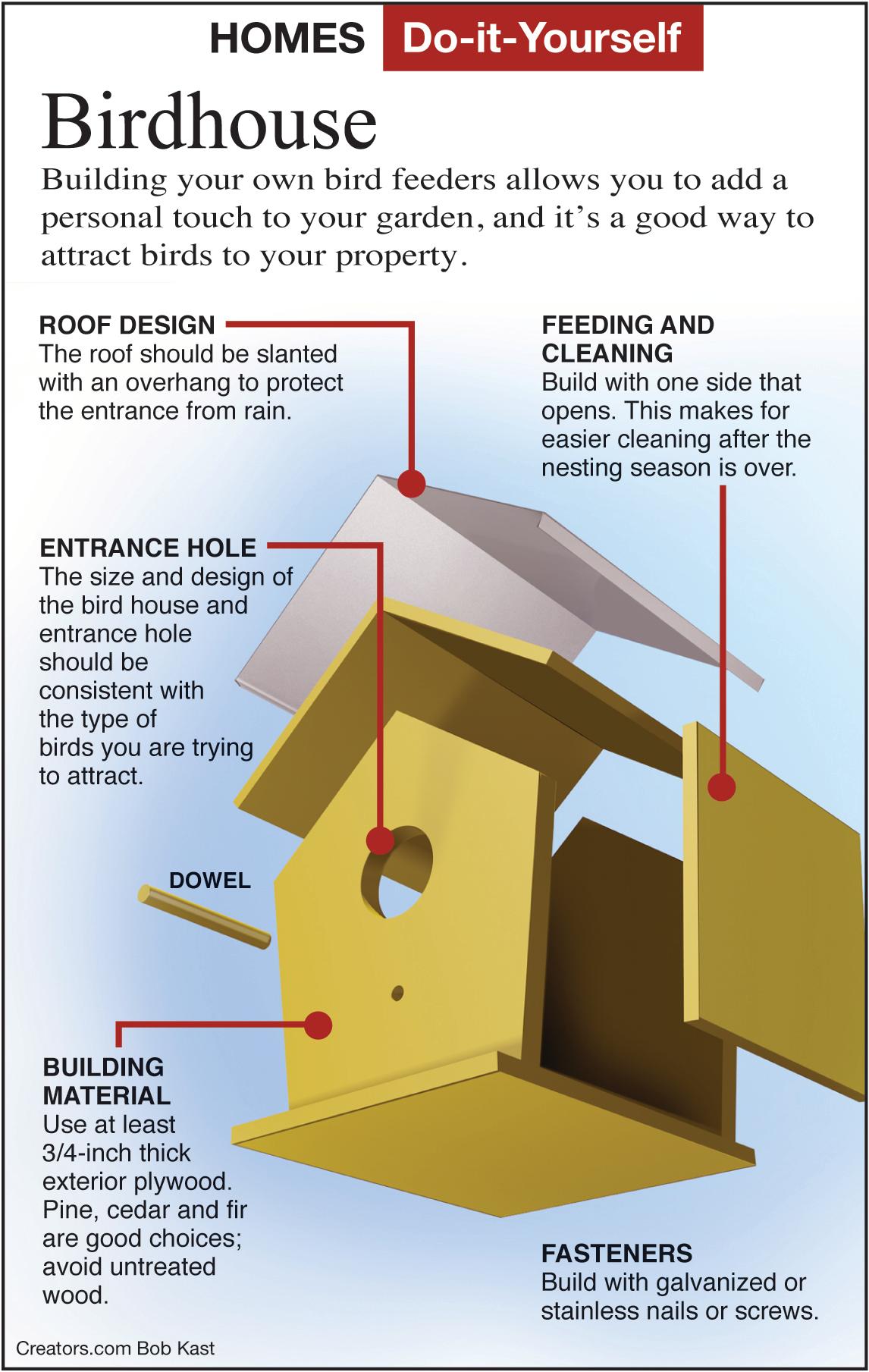
Wood is the best material for bird houses. It is natural and breathable. Cedar and pine resist rot and last long. Avoid metal or plastic, as they get too hot or cold. Smooth wood inside the house makes it easier for birds to build nests. Paint bird houses only with non-toxic, water-based paint outside. Keep interiors natural and bare.
Size And Entrance Hole Considerations
Size matters for bird houses. Small birds prefer cozy spaces. Large birds need more room to move. Entrance holes control which birds can enter. Too large invites predators. Too small keeps birds out. Match hole diameter to the bird species you want. Typically, hole sizes range from 1 inch to 2 inches wide. Place the hole at least 6 inches above the floor inside.
Types Of Bird Houses For Different Species
Different birds prefer different house styles. Here are some examples:
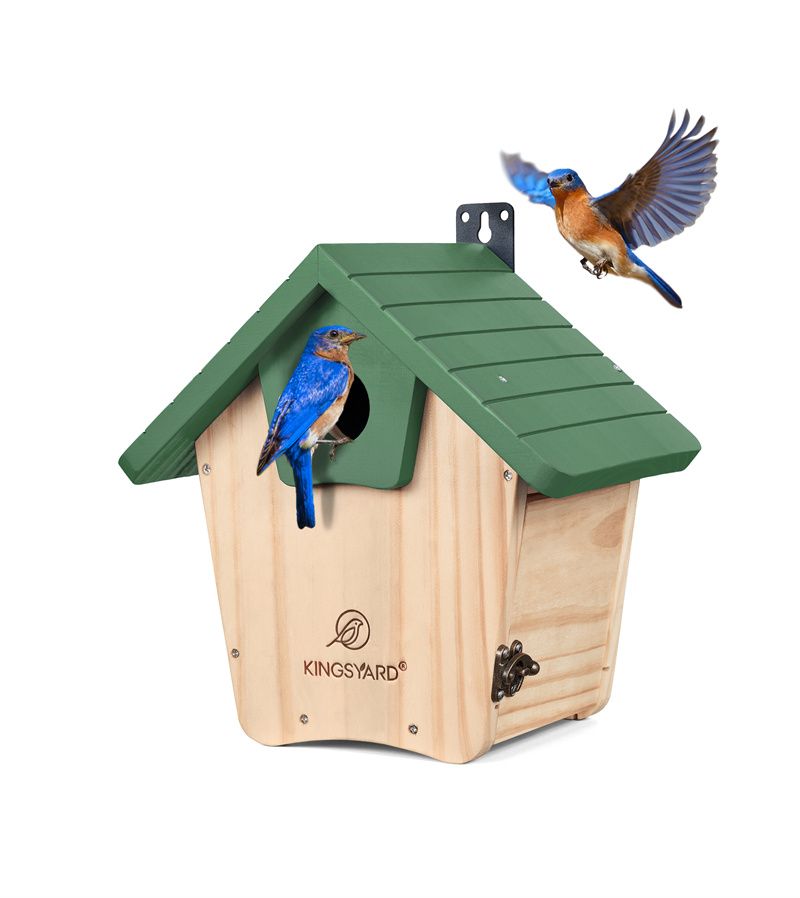
- Bluebirds:Traditional wooden box with a 1.5-inch hole.
- Wrens:Small boxes with a 1-inch hole and rough interior.
- Chickadees:Narrow boxes with a 1.125-inch hole and smooth walls.
- Screech Owls:Larger boxes with a 3-inch hole and deep floor.
Check bird guides for species in your area. Match the house to local birds’ needs. This helps increase the chances birds will use your bird house.
Ideal Placement For Bird Houses
Choosing the right spot for a bird house is key to attracting birds. Placement affects safety, comfort, and the chances birds will use it. Consider several factors to create a welcoming home for birds.
Safe Height And Location Tips
Place bird houses at a height that keeps birds safe from ground threats. Most birds prefer 5 to 10 feet above the ground. Avoid places near busy areas or heavy foot traffic. A quiet, calm spot increases the chances birds will settle.
Avoiding Predators And Disturbances
Keep bird houses away from predators like cats and squirrels. Avoid mounting on thin branches or low poles. Use predator guards on poles or tree trunks for extra protection. Stay clear of areas with loud noises or frequent human activity.
Sunlight And Weather Protection
Position bird houses to get morning sun and afternoon shade. This helps keep the house warm but not too hot. Avoid direct wind or heavy rain exposure. Face the entrance hole away from prevailing winds to shield birds from harsh weather.
Maintenance To Keep Birds Coming Back
Keeping bird houses clean and well-maintained invites birds to return season after season. Proper care ensures a safe and comfortable home for birds. Neglecting maintenance can drive birds away or harm their health.
Regular upkeep protects the bird house from damage and keeps it attractive. Simple steps can extend its life and increase bird visits. Focus on cleanliness, monitoring use, and preventing pests.
Cleaning And Upkeep Schedule
Clean bird houses at least once a year, ideally after the breeding season. Remove old nests and debris to prevent disease. Use warm water and mild soap to wash the interior. Rinse well and let it dry completely before reinstalling.
Inspect the house every few months for damage like cracks or loose parts. Fix small issues quickly to avoid bigger problems. Clear any blockages at the entrance to keep it accessible.
Signs Of Use And When To Replace
Look for fresh nesting material and bird droppings as signs of active use. If the house stays empty for multiple seasons, it may need moving or replacing. Rotten wood, broken panels, or large cracks indicate it’s time for a new house.
Birds avoid unsafe or unhealthy shelters. Replace old houses to maintain a welcoming spot. Choose durable materials that withstand weather and pests.
Preventing Parasites And Mold
Parasites like mites and lice harm birds and their young. Clean nests out every year to reduce parasite buildup. Use natural treatments like diatomaceous earth around the entrance if needed.
Keep the bird house dry and well-ventilated to stop mold growth. Avoid placing houses where water collects or on damp surfaces. Good airflow helps maintain a healthy environment for birds.
Additional Tips To Attract Birds
Adding a birdhouse to your garden can invite feathered friends. Yet, a few extra steps can make the spot even more inviting. Simple changes in your yard help birds stay longer and feel safer. These tips work well alongside your birdhouse.
Using Natural Food Sources Nearby
Birds love natural food over artificial snacks. Plant native flowers, shrubs, and trees. These provide seeds, berries, and insects. Birds find food and shelter in one place. Avoid chemical pesticides to keep food safe. A garden with natural food attracts more birds year-round.
Incorporating Water Features
Birds need water for drinking and bathing. Add a shallow birdbath or small fountain near the house. Moving water draws birds because it looks fresh. Keep the water clean and change it often. Place water where birds feel safe from predators.
Avoiding Common Mistakes
Some errors scare birds away instead of inviting them. Avoid placing birdhouses too close to noisy areas. Keep houses away from busy paths and pets. Do not use bright paint or strong smells. Clean birdhouses yearly to prevent disease. These actions help birds trust and use your house.
Credit: www.kingsyard.com
Frequently Asked Questions
Do Bird Houses Really Attract Birds To My Yard?
Yes, bird houses provide safe nesting spots, attracting birds seeking shelter. Proper placement and maintenance increase their effectiveness.
Which Birds Are Most Attracted To Bird Houses?
Species like bluebirds, chickadees, wrens, and swallows commonly use bird houses for nesting and shelter.
How Should I Position A Bird House To Attract Birds?
Mount bird houses 5-10 feet high, away from predators and direct sunlight, facing an open area for easy bird access.
Can Bird Houses Increase Local Bird Population?
Yes, providing safe nesting sites supports breeding, helping boost local bird numbers and biodiversity in your area.
Conclusion
Bird houses can attract many types of birds to your yard. They offer safe places for birds to rest and raise young. Proper placement and cleaning keep birds coming back. Choose the right size and style for local bird species.
Watching birds visit can bring joy and help nature thrive nearby. Simple steps make your garden a small bird haven. Give it a try and enjoy the lively bird visits soon.




