
Have you ever wished you could see a whole area from above, as if you were a bird soaring in the sky? That’s exactly what a Birds Eye View Map lets you do.
It gives you a clear, detailed look at a place from a high angle, helping you understand its layout like never before. Whether you’re planning a trip, exploring a new neighborhood, or just curious about how things fit together, this kind of map puts all the pieces in front of you.
Keep reading, and you’ll discover how a Birds Eye View Map can change the way you see the world around you.

Credit: wardmaps.com
Birds Eye View Map Basics
A Birds Eye View Map shows an area from above. It looks down like a bird flying high in the sky.
This type of map helps people see places clearly. It shows roads, buildings, and natural features.
Definition And Key Features
A Birds Eye View Map is a top-down view of a place. It shows the layout from a high angle.
Key features include clear shapes of streets, buildings, and landmarks. The map shows real sizes and positions.
- Shows an area from above
- Displays buildings, roads, and land
- Helps understand layout and distance
- Uses clear and simple visuals
Types Of Birds Eye View Maps
There are different types of Birds Eye View Maps. Each serves a special purpose.
Some maps focus on cities, while others show natural areas or small spaces like parks.
- City Maps:Show streets, buildings, and parks in urban areas.
- Topographic Maps:Include hills, rivers, and elevation details.
- Architectural Maps:Display building designs and layouts from above.
- Aerial Photography Maps:Use real photos taken from planes or drones.
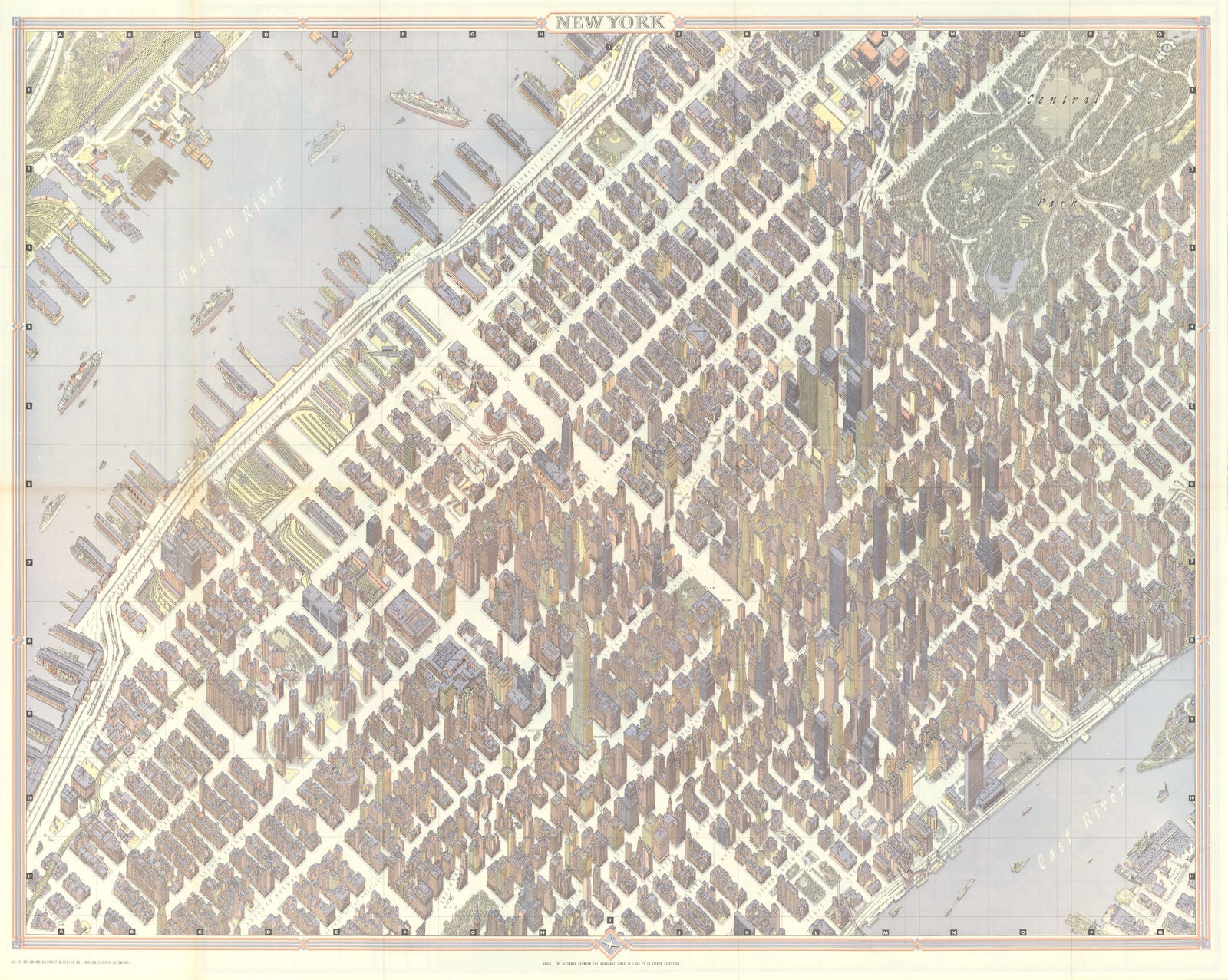
Credit: www.antiquemapsandprints.com
History And Evolution
A birds eye view map shows a place from above. It looks like you are flying over the land. These maps help us see streets, buildings, and land shapes clearly.
Birds eye view maps have changed a lot over time. They started from drawings and now use modern technology. This history tells us how people learned to see the world from above.
Early Uses Of Aerial Perspectives
People first made birds eye view maps by drawing from high places. They used towers or hills to look down on towns and cities. These early maps helped with planning and defense.
- Ancient Egyptians drew maps from hilltops to plan buildings.
- Medieval cities had hand-drawn maps from castle towers.
- Artists in the Renaissance made detailed aerial views of towns.
- Explorers used early maps to navigate new lands.
Technological Advances In Mapping
New tools made birds eye view maps more accurate and easy to create. Cameras and airplanes changed how people made aerial maps.
| Technology | Impact on Maps |
| Hot Air Balloons | First aerial photos in the 1800s |
| Airplanes | Allowed wide area mapping quickly |
| Satellites | Provided detailed global images |
| Drones | Made low-cost, high-quality aerial shots |
Today, digital tools help create 3D birds eye view maps. These maps show height and depth for better understanding.
Creating Birds Eye View Maps
A birds eye view map shows an area from above. It gives a clear picture of the land and objects below. These maps help in planning and navigation.
Making these maps needs special tools and skills. You can create detailed maps using modern technology.
Tools And Techniques
Creating birds eye view maps uses cameras, software, and measuring tools. Many maps start with aerial photos or satellite images. Software helps to stitch images together and add details.
Techniques include drawing outlines, marking landmarks, and adding labels. Accuracy depends on the quality of images and tools.
- Use high-resolution cameras for clear images
- Employ mapping software to combine photos
- Apply drawing tools to highlight important features
- Measure distances to keep scale correct
Role Of Drones And Satellites
Drones capture close and detailed views from the sky. They fly lower than planes and satellites. This helps get sharp images of small areas.
Satellites cover large areas at once. They take pictures from space and send data to computers. These images help create maps of cities, forests, and oceans.
- Drones provide flexible and detailed photos
- Satellites offer wide coverage and updated images
- Both improve map accuracy and detail
- Data from these tools speed up map creation

Credit: www.vintagecitymaps.com
Applications In Various Fields
A bird’s eye view map shows a place from above. It gives a clear layout of land and structures. This type of map helps in many fields.
Seeing an area from the top helps people plan, explore, and understand spaces better. Below are some common uses of bird’s eye view maps.
Urban Planning And Architecture
Urban planners and architects use bird’s eye view maps to design cities and buildings. They can see how roads, parks, and buildings fit together.
- Plan new neighborhoods
- Design transportation routes
- Manage land use
- Visualize building placement
- Check environmental impact
Gaming And Virtual Reality
Game developers use bird’s eye view maps to create game worlds. Players can see the whole map and plan their moves.
| Game Type | Use of Bird’s Eye View |
|---|---|
| Strategy Games | Show full battlefield for planning attacks |
| Role-Playing Games | Help players navigate large worlds |
| Virtual Reality | Create immersive maps for better orientation |
Navigation And Travel
Bird’s eye view maps help travelers find routes and spots easily. They show streets, landmarks, and terrain in clear detail.
- Find the best path to a destination
- Explore new cities before visiting
- Locate tourist attractions and facilities
- Understand terrain for hiking or biking
Advantages Of Birds Eye View Maps
Birds eye view maps show an area from above. They give a clear picture of the whole space. This helps people understand places easily.
These maps are useful in many fields like planning, navigation, and education. They offer many benefits that improve how we see and use space.
Enhanced Spatial Awareness
Birds eye view maps help users see the layout of an area quickly. This view makes it easier to understand distances and relationships between objects.
- Shows the position of buildings, roads, and landmarks clearly
- Helps in visualizing routes and paths
- Improves understanding of the size and scale of spaces
- Assists in spotting obstacles and open areas
Improved Decision Making
Birds eye view maps support better choices in planning and management. They give all needed information at a glance, saving time.
| Use Case | Benefit |
| Urban Planning | Plan buildings and roads efficiently |
| Emergency Response | Quickly find routes and key locations |
| Real Estate | Show property layout to clients clearly |
| Event Management | Organize space and crowd flow |
Challenges And Limitations
Birds eye view maps give a top-down look at areas. They help see places from above. These maps face some challenges and limits.
Understanding these issues helps use birds eye view maps better. It is important to know what can cause problems.
Data Accuracy Issues
Birds eye view maps rely on data from cameras, satellites, or drones. Sometimes the data is not accurate. This can cause wrong map details.
Changes on the ground may not update quickly. Buildings, roads, or trees can look different from real life. This leads to mistakes in the map.
- Old images show outdated places
- Weather can blur photos
- Low resolution hides small details
- Camera angles can distort shapes
Privacy And Ethical Concerns
Birds eye view maps capture images of homes and streets. This raises privacy questions. People may not want their property shown clearly.
Ethical issues arise when maps reveal sensitive places or personal activities. It is important to respect privacy rights and laws.
- Showing private property without permission
- Risk of misuse for spying or stalking
- Exposing sensitive locations
- Need for clear rules on data use
Future Trends In Aerial Mapping
A birds eye view map shows a top-down image of an area. It helps people see large spaces clearly. New technology is changing how these maps are made.
Aerial mapping is becoming faster and more detailed. This helps in many fields like city planning, farming, and disaster management.
Integration With Ai And Machine Learning
AI and machine learning help process aerial images quickly. They find patterns and details that humans might miss. This makes maps more accurate and useful.
These technologies can classify land types, detect changes, and predict future developments. This saves time and improves decision-making.
- Automatic image analysis
- Change detection over time
- Predictive mapping for urban growth
Real-time Mapping Innovations
Real-time mapping uses drones and satellites to update maps instantly. This helps in emergencies like floods or fires. People get the latest information fast.
New sensors and faster data links make it possible to see live changes from the sky. This improves safety and planning in many areas.
- Live data from drones
- Instant updates on maps
- Better response to natural disasters
Frequently Asked Questions
What Is A Birds Eye View Map?
A birds eye view map shows an area from above, like looking down from the sky. It gives a clear, detailed layout of streets, buildings, and landmarks, helping users understand spatial relationships easily.
How Is A Birds Eye View Map Different?
Unlike traditional maps, birds eye view maps show a tilted, 3D perspective. This angle reveals building heights and shapes, making navigation and planning more intuitive and visually appealing.
What Are Common Uses Of Birds Eye View Maps?
Birds eye view maps are used in urban planning, real estate, gaming, and tourism. They help visualize areas clearly for better decision-making and enhance user engagement with detailed, realistic views.
Can Birds Eye View Maps Be Interactive?
Yes, many birds eye view maps are interactive online. Users can zoom, pan, and explore details, improving navigation and allowing a personalized experience for better understanding of the area.
Conclusion
Bird’s eye view maps offer a unique perspective on landscapes. They provide a comprehensive overview, helping people understand complex layouts easily. These maps are valuable tools for planners, tourists, and educators. They simplify navigation and enhance spatial awareness. Their visual appeal makes them engaging and informative.
Bird’s eye view maps are perfect for those seeking a broad understanding. Whether you’re exploring a city or planning a project, these maps are handy. Remember, they are both practical and visually appealing. Embrace the simplicity and clarity they bring to mapping.




