
Have you ever wondered if cleaning out your bird houses really matters? You might think it’s a simple task or even unnecessary, but what if it could make a big difference for the birds that visit your yard?
Keeping bird houses clean isn’t just about looks—it can affect the health and safety of your feathered friends. If you care about giving birds a safe place to nest, you’ll want to know the best way to handle this. Stick around, because by the end of this article, you’ll have clear, easy tips to help you create a welcoming home for birds year after year.
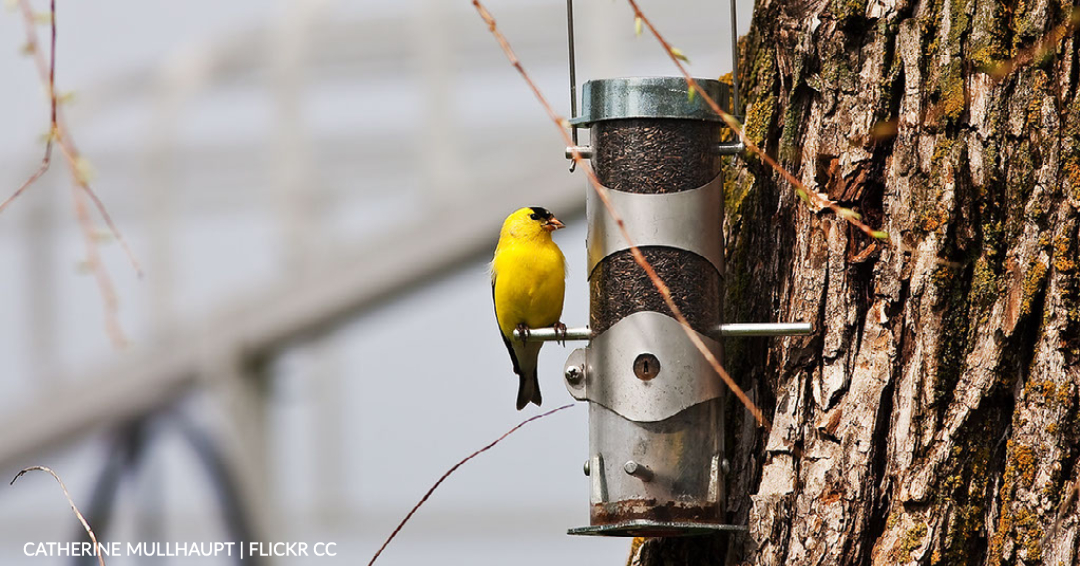
Credit: www.michiganaudubon.org
Importance Of Cleaning Bird Houses
Keeping your bird houses clean is more than just tidying up. It plays a crucial role in maintaining a safe and welcoming space for birds. Neglecting this task can lead to serious problems that affect both the birds and your enjoyment of watching them.
Preventing Disease Spread
Dirty bird houses can become breeding grounds for bacteria and parasites. Old nests and droppings harbor germs that spread illnesses among bird populations. Cleaning removes these hazards and reduces the risk of disease outbreaks.
Have you noticed fewer birds visiting your house after a season? It might be due to hidden infections spreading inside. Regular cleaning helps stop this cycle and keeps your feathered friends healthy.
Promoting Bird Health
Birds need a clean environment to thrive and raise their young successfully. Residual debris or mold can harm eggs and chicks, lowering their chances of survival. A fresh, sanitized house supports strong development and encourages repeat visits.
Imagine providing a safe nursery where birds feel secure. This simple act of cleaning can boost their confidence and attract more visitors to your garden. Are you ready to make your bird house a healthy home?
Avoiding Pest Infestations
Old nests and leftover food attract unwanted pests like mites, ants, and wasps. These invaders compete with birds for space and can even drive them away. Cleaning out bird houses removes these pests’ hiding spots and keeps your garden peaceful.
Think about how frustrating it is to lose birds because of tiny invaders. Clearing out debris regularly acts as a natural pest control, saving you from bigger problems later. How often do you check your bird houses for uninvited guests?
When To Clean Bird Houses
Knowing when to clean bird houses helps keep birds safe and healthy. Proper timing prevents disease and attracts new visitors. Cleaning at the right moments ensures the house stays inviting for birds to nest again. Watch for natural signs and seasonal cues to decide the best time to clean.
Seasonal Timing
Clean bird houses in late fall or early winter. This removes old nests and debris from the breeding season. Birds usually stop nesting by late summer. Clearing out before winter helps prepare the house for next spring. Avoid cleaning during breeding months to protect eggs and chicks.
Signs It’s Time To Clean
- Old nests remain inside the house.
- Visible dirt, feathers, or droppings build up.
- Unpleasant smells come from the house.
- Fewer birds visit or use the house.
Noticing these signs means cleaning is needed soon. Regular checks help spot problems early.
After Each Nesting Cycle
Remove old nests once chicks leave the bird house. This stops parasites from growing. Cleaning after each cycle keeps the house fresh. It also helps birds accept the house for new nesting. Use gentle tools and mild soap to clean.
Step-by-step Cleaning Process
Cleaning out your bird house might seem like a simple task, but doing it properly ensures a safe and inviting space for your feathered visitors. A well-maintained bird house reduces the risk of disease and encourages birds to return season after season. Let’s break down the cleaning process into clear steps so you can confidently care for your backyard friends.
Gathering Supplies
Before you start, gather everything you need in one place. You’ll want:
- Gloves to protect your hands
- A small brush or scrubber
- Mild soap or a non-toxic disinfectant
- A bucket of warm water
- Optional: a screwdriver if your bird house needs to be taken apart
Having these ready means you won’t have to stop midway. Do you have any old tools lying around that could work perfectly for this?
Removing Old Nest Material
Put on your gloves and gently open the bird house. Carefully remove all old nests, feathers, and debris. This step is crucial because leftover materials can harbor parasites or mold.
Use your brush to sweep out any small bits stuck inside. It might feel a bit messy, but think about how fresh and inviting the house will be for the next birds.
Disinfecting The Bird House
Mix a mild soap solution or a non-toxic disinfectant in your bucket of warm water. Dip your brush in the solution and scrub the inside surfaces thoroughly. Avoid harsh chemicals that could harm birds.
After scrubbing, rinse the bird house with clean water to remove any soap residue. This step helps eliminate bacteria and keeps the space healthy.
Drying And Reassembling
Let the bird house dry completely before putting it back together or hanging it up. Moisture can cause wood to rot and create an unhealthy environment.
If your bird house has screws or removable parts, reassemble them tightly. Now, your bird house is ready for new guests—how soon will you check back to see if they’ve moved in?
Safety Tips For Birds And Cleaners
Cleaning bird houses is essential for maintaining a healthy environment for your feathered visitors. However, it’s just as important to ensure the safety of both the birds and the person doing the cleaning. Taking the right precautions helps prevent harm to wildlife and avoids potential health risks for you.
Using Bird-safe Cleaning Agents
Choose cleaning products that won’t harm birds or leave toxic residues behind. Simple solutions like a mix of water and white vinegar work well to disinfect bird houses without causing damage. Avoid harsh chemicals such as bleach or ammonia, which can irritate birds’ respiratory systems and skin.
After cleaning, rinse the birdhouse thoroughly and let it dry completely before putting it back outside. This prevents any leftover cleaning agents from affecting the birds. Have you considered how even natural products might impact sensitive wildlife?
Protective Gear For Cleaners
Wear gloves and a mask while cleaning to protect yourself from bacteria, mold, and parasites that might be present. Long sleeves help avoid scratches or bites from insects hiding inside the birdhouse. It’s a simple step that reduces health risks for you and keeps the cleaning process safe.
Remember to wash your hands thoroughly after finishing. Cleaning birdhouses can expose you to germs you wouldn’t encounter otherwise. Would you want to risk an infection just to skip wearing gloves?
Avoiding Disturbance During Nesting
Check for active nests before starting any cleaning. Birds are sensitive during breeding season, and disturbing them can cause them to abandon their eggs or chicks. It’s best to wait until the nesting cycle is complete before you clean out the birdhouse.
If you see eggs or young birds inside, leave the birdhouse alone. You can mark the date and plan to clean later when it’s safe. How would you feel if your home was disturbed while you were raising a family?
Maintenance Tips For Long-term Use
Keeping your bird houses in good shape ensures they stay safe and inviting for your feathered visitors year after year. Proper maintenance not only extends the life of the bird house but also creates a healthier environment for nesting birds. Here are some practical tips to help you maintain your bird houses effectively.
Regular Inspections
Check your bird houses at least twice a year, preferably before and after the breeding season. Look for signs of wear like cracks, loose parts, or water damage. Spotting small issues early helps prevent bigger problems later.
While inspecting, clear out old nesting materials once the birds have left. This reduces parasites and disease risks, keeping future occupants safe and comfortable. Have you ever noticed how neglected bird houses quickly become less popular among birds?
Repairs And Upgrades
Fix any broken hinges, loose screws, or damaged roofs as soon as you spot them. Use weather-resistant materials like stainless steel or galvanized screws to increase durability. Simple upgrades such as adding drainage holes or ventilation slots can improve the bird house’s comfort.
Consider painting or sealing the exterior with non-toxic, bird-safe products to protect the wood from moisture. Avoid bright colors that might scare birds away; natural tones work best. Think about how small improvements could make a big difference in your bird house’s lifespan.
Placement For Optimal Health
Where you put your bird house affects its safety and usability. Place it in a quiet area, away from predators like cats and raccoons. Ensure it’s mounted securely, about 5 to 10 feet above the ground, depending on the bird species you want to attract.
Position the entrance away from prevailing winds and direct sunlight to keep the interior comfortable. Trees or shrubs nearby can offer birds quick cover but avoid dense foliage that might hide predators. Have you considered how your bird house’s location influences the birds’ success in raising their young?

Credit: happygardens.com
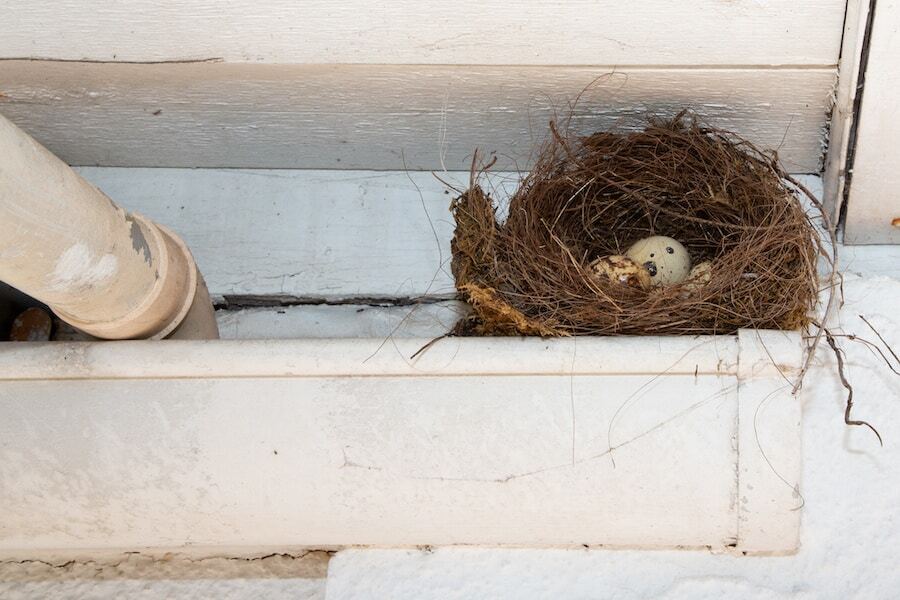
Credit: www.callnorthwest.com
Frequently Asked Questions
Why Is It Important To Clean Out Bird Houses?
Cleaning bird houses prevents disease buildup and removes old nests. It ensures a safe, healthy environment for new birds to breed and thrive. Regular cleaning reduces parasites and encourages frequent bird visits.
When Is The Best Time To Clean Bird Houses?
The ideal time to clean bird houses is late fall or early winter. This timing avoids disturbing nesting birds and prepares the house for the next breeding season. Cleaning during this period promotes bird health and safety.
How Often Should You Clean Bird Houses Annually?
You should clean bird houses at least once a year. Annual cleaning removes debris, parasites, and old nesting materials. This routine helps maintain a welcoming habitat for birds year after year.
What Tools Are Needed To Clean Bird Houses Safely?
Use gloves, a small brush, and mild soap to clean bird houses. Avoid harsh chemicals to protect birds from toxic residues. Proper tools ensure effective and safe cleaning.
Conclusion
Cleaning bird houses helps keep birds safe and healthy. Old nests can carry germs and pests. Removing debris allows new birds to build fresh homes. Regular cleaning supports bird populations in your area. It also makes your garden more inviting for wildlife.
Simple steps once a year make a big difference. Caring for bird houses shows respect for nature. Try it this season and watch birds thrive. A clean bird house is a happy bird house.




