
Finding a tiny fledgling bird in need of care can feel both exciting and overwhelming. You want to help, but you might wonder where to start or what’s best for the little bird’s survival.
The truth is, your actions in these first moments can make all the difference. In this guide, you’ll discover simple, clear steps to care for a fledgling safely and effectively. By the end, you’ll feel confident knowing exactly how to give your new feathered friend the best chance to thrive.
Keep reading—your care could save a life.

Credit: www.birdtlc.org
Identifying A Fledgling Bird
Identifying a fledgling bird is important for proper care. Fledglings are young birds learning to fly and explore. They look different from newborn birds but are not yet adults. Knowing how to spot a fledgling helps you decide the right way to help.
Signs Of A Fledgling
- Feathers are mostly grown but still fluffy.
- Wings look strong but flight is clumsy or short.
- Bird may hop or flutter instead of flying well.
- Eyes are open and alert.
- Bird might call for parents or seem curious.
- Legs and feet look stronger than in younger birds.
Differences Between Nestling And Fledgling
| Feature | Nestling | Fledgling |
|---|---|---|
| Feathers | Mostly bare skin or downy fluff | Mostly grown feathers, some fluff remains |
| Mobility | Cannot leave the nest, weak legs | Leaves the nest, hops or flutters |
| Eyes | Usually closed or just opened | Fully open and alert |
| Size | Smaller and fragile | Closer to adult size but still smaller |
| Behavior | Depends fully on parents for feeding | Begins to explore but still needs care |

Credit: www.reddit.com
Assessing The Bird’s Condition
Assessing a fledgling bird’s condition is crucial before providing care. This check helps determine the bird’s immediate needs. Careful observation can prevent further harm and guide your next steps.
Checking For Injuries
Look closely for visible wounds or bleeding. Check the wings and legs for broken bones or swelling. Notice any unusual posture or difficulty moving. Be gentle; the bird is fragile and scared. Avoid touching injured areas to prevent more pain.
Evaluating Hunger And Hydration
Observe if the bird’s crop (a small pouch near the neck) is empty or full. A soft, full crop means the bird recently ate. A hard, empty crop signals hunger. Offer small drops of water using a dropper carefully. Dehydrated birds often have dry mouths and sunken eyes.
Creating A Safe Environment
Creating a safe environment is crucial for a fledgling bird’s health and growth. Young birds need protection from dangers and comfort to feel secure. A safe space helps them develop strong and healthy.
Choosing A Proper Housing
Select a cage or box that fits the bird’s size. It should be spacious enough for movement but not too large. Use materials that are sturdy and easy to clean.
Avoid cages with wide gaps. Young birds can get stuck or hurt. Soft bedding like shredded paper or cloth provides comfort and absorbs droppings. Keep the housing away from drafts, loud noises, and direct sunlight.
Maintaining Warmth And Comfort
Fledglings cannot regulate body heat well. Keep their environment warm, around 85°F (29°C) at first. Use a heating pad or lamp, but never let the bird touch the heat source.
Check temperature often to avoid overheating. Provide soft nesting materials like cotton or fleece. Change bedding regularly to keep the area clean and dry.
Feeding Techniques
Feeding a fledgling bird requires patience and care to ensure it gets the nutrients it needs to grow strong. You must pay attention to what you feed and how often you feed them. Proper feeding techniques can make a huge difference in their survival and development.
Suitable Foods For Fledglings
Choosing the right food is critical. Most fledglings thrive on a diet rich in protein and moisture. Soft-bodied insects like mealworms and small crickets work well for insectivorous birds.
If you’re caring for a fruit-eating species, offer mashed fruits like bananas, apples, or berries. Avoid citrus fruits as they can upset their stomach. You can also provide soaked dog or cat kibble as a protein source, but ensure it’s finely ground and softened.
Have you noticed how picky young birds can be? Offering a variety of suitable foods helps you discover their preferences and nutritional needs.
Feeding Frequency And Methods
Young fledglings need to be fed frequently—usually every 20 to 30 minutes during daylight hours. This mimics how their parents would feed them in the wild. Missing a feeding can lead to weakness or dehydration quickly.
Use a small syringe or tweezers to gently place food inside their beak. Be careful not to force feed as this can cause choking. Patience and gentle handling are key to making feeding time successful.
Have you tried observing their natural feeding behavior? Mimicking how parent birds feed can guide you in timing and technique, improving your fledgling’s comfort and acceptance of food.
Handling And Interaction
Handling and interacting with a fledgling bird requires a gentle touch and thoughtful approach. Your actions directly affect the bird’s confidence and development. Knowing how to manage these early interactions helps you provide the best care while supporting the bird’s natural growth.
Minimizing Stress
Stress can slow a fledgling’s progress or even cause illness. Keep your movements slow and calm when handling the bird. Avoid loud noises or sudden gestures that might startle it.
Limit handling sessions to short periods. This prevents overwhelming the bird and helps it feel safe. Observe the bird’s reactions—if it seems agitated or tries to escape, give it a break.
Using soft hands and a quiet voice can soothe the bird. I once noticed a fledgling relax instantly when I spoke softly and gently cupped it in my palm. Such small details matter greatly.
Encouraging Natural Behavior
Let the fledgling practice behaviors it would use in the wild. Provide natural perches and safe spaces where it can explore and flap its wings. Avoid over-handling, which can inhibit its independence.
Offer food in a way that mimics natural feeding. Instead of always hand-feeding, place food nearby so the bird learns to find and peck for it. This builds essential survival skills.
Have you noticed how fledglings respond when given a chance to practice flying short distances? Encouraging these small flights strengthens their muscles and coordination. Your role is to support—not replace—their natural learning.
Monitoring Growth And Development
Monitoring the growth and development of a fledgling bird is crucial. It helps ensure the bird is healthy and progressing well. Observing changes can guide you in providing the right care. Keeping a close eye on weight and feather growth offers insights into the bird’s health. Recognizing milestones in the bird’s development helps track its journey to adulthood.
Tracking Weight And Feather Growth
Regularly weighing the fledgling is essential. Use a small digital scale for accuracy. Record the weight daily to notice any changes. A stable or increasing weight indicates good health. If the weight drops, seek advice from a wildlife expert.
Feather growth is another vital aspect. Watch for the emergence of pin feathers. These are the first sign of healthy development. Ensure the feathers are clean and free from damage. Damaged feathers may indicate underlying health issues.
Recognizing Milestones
Fledglings reach various milestones as they grow. Look for changes in behavior. Increased activity levels suggest healthy development. The bird may start flapping its wings more. This indicates it is practicing for flight.
Listen for vocal changes too. The fledgling might start making new sounds. This is a sign of social development. Each milestone shows the bird is moving towards independence. Celebrate these small achievements as they occur.
When To Seek Professional Help
Seek expert care if the fledgling bird is injured, weak, or alone for a long time. Unusual behavior or visible wounds need quick attention. Wildlife professionals can provide the best help for fragile young birds.
When caring for a fledgling bird, knowing when to seek help is crucial. Sometimes, the bird may need more than just care at home. Recognizing these moments ensures the bird’s health and safety. Professional help can be essential in many situations.Signs Of Serious Illness
Watch for signs that indicate serious problems. A fledgling may be ill if it shows weakness or lethargy. Irregular breathing or excessive shivering can also signal trouble. Look for signs of injury, like bleeding or broken wings. A bird that cannot stand or hold its head up needs help. Keep an eye on its eating and drinking habits. Refusal to eat or drink may indicate illness.Contacting Wildlife Rehabilitators
Contact a wildlife rehabilitator for expert assistance. These professionals have the training to handle delicate situations. They know how to treat injuries and illnesses in birds. To find a rehabilitator, search online or check local directories. Some areas have wildlife hotlines for emergencies. Provide them with details about the bird and its condition. Follow their instructions for safe transportation if needed.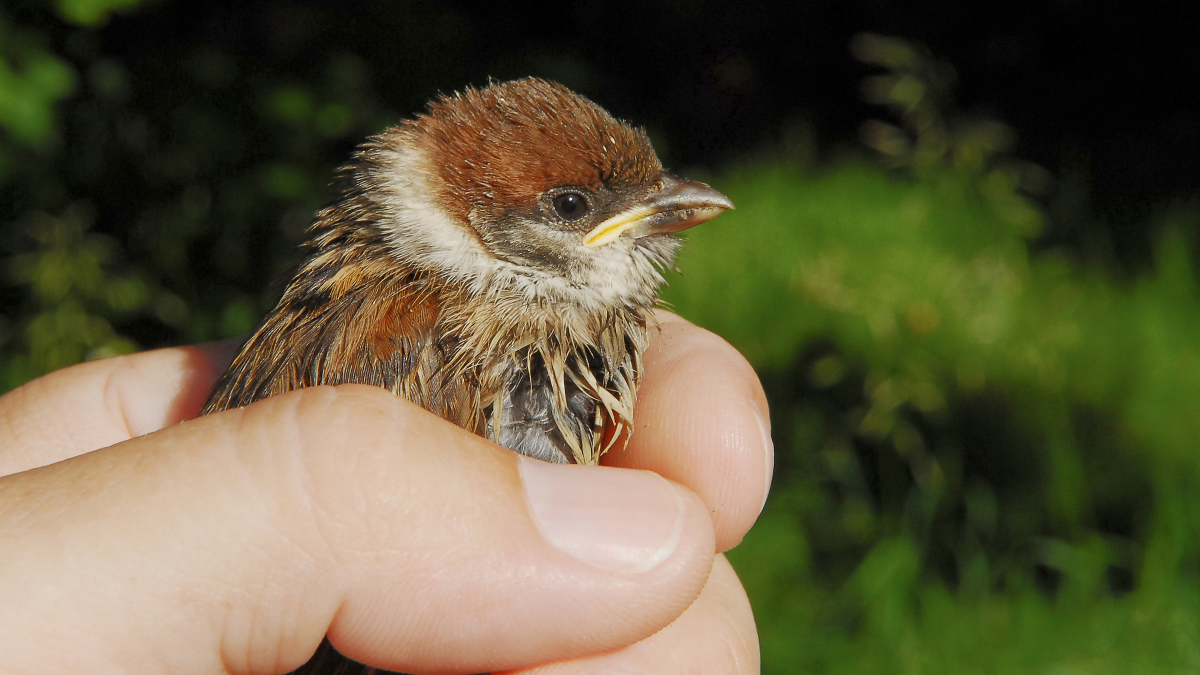
Credit: pethelpful.com
Preparing For Release
Preparing a fledgling bird for release is a critical phase that demands patience and close attention. This stage ensures the bird has the skills and strength needed to survive on its own. You’ll need to observe carefully and make thoughtful choices to give your young bird the best chance at independence.
Assessing Flight Readiness
Flight readiness is more than just flapping wings. Watch if the bird can sustain short flights between branches or objects with control and balance. Notice whether it can land safely without tumbling or injuring itself.
Check its wing muscles by observing if the bird can flap strongly and repeatedly. If the bird hesitates or struggles, it might need more time to develop strength. Have you noticed the bird trying to escape or explore its surroundings? This eagerness often signals readiness.
Choosing The Right Location
Select a release spot that offers food, shelter, and protection from predators. Look for areas with plenty of natural cover like bushes or trees where the bird can hide if threatened. Avoid places near busy roads or places heavily trafficked by people or pets.
Consider your local environment’s seasonal conditions. Is there enough food available now? Will the weather support the bird’s survival? Think about whether the area has water sources nearby, as hydration is essential for fledglings adapting to the wild.
Frequently Asked Questions
How Do I Feed A Fledgling Bird Safely?
Feed fledgling birds with soft, nutritious foods like soaked dog kibble or insects. Avoid milk or bread. Use tweezers or a dropper for feeding. Feed small amounts frequently to mimic natural feeding intervals.
When Should I Release A Fledgling Bird Outdoors?
Release fledglings when they can hop, flutter, and perch confidently. This usually takes 1-2 weeks after they leave the nest. Ensure they can find food and avoid predators before release.
Can I Keep A Fledgling Bird As A Pet?
It is illegal and harmful to keep wild fledgling birds as pets. They require specialized care and need to live in the wild. Contact a wildlife rehabilitator if you find an orphaned bird.
How Do I Create A Safe Environment For Fledglings?
Provide a warm, quiet, and sheltered space away from pets and noise. Use soft bedding and avoid direct sunlight. Keep the area clean and monitor the bird’s health regularly.
Conclusion
Caring for a fledgling bird takes patience and gentle hands. Feed it often with the right food. Keep the bird warm and safe from harm. Watch for signs of illness or stress. Help the bird learn to fly and explore.
Small steps build strong, healthy birds. Your care makes a big difference in its life. Enjoy the process and learn as you go. Every bird grows at its own pace. Stay calm, kind, and consistent throughout. This care creates a happy, thriving fledgling ready for the wild.




