
If your feathered friend has an open wound, you might feel worried and unsure about what to do next. Knowing how to treat an open wound on a bird quickly and safely can make all the difference in helping your pet heal and avoid infection.
You’ll learn simple, clear steps to care for your bird’s injury right away. By following these easy guidelines, you’ll give your bird the best chance to recover comfortably and stay healthy. Keep reading to find out exactly what you need to do to help your bird feel better fast.
Assessing The Wound
When a bird has an open wound, quick and careful assessment is important. You need to check the wound before treating it.
This helps you decide how serious the injury is and what to do next.
Identifying Wound Severity
Look at the size and depth of the wound. A small scrape is less serious than a deep cut.
- Check if the wound is bleeding heavily or lightly.
- Notice if the skin is torn or missing.
- Look for swelling or signs of infection like redness.
- See if the bird can move the injured part.
Checking For Foreign Objects
Foreign objects can cause infection and pain. Look carefully inside and around the wound.
| Type of Object | Action to Take |
| Dirt or small stones | Gently rinse with clean water |
| Thorns or sticks | Do not pull; seek help from a vet |
| Feathers caught in wound | Remove carefully with clean tweezers |
| Metal or glass shards | Do not touch; get professional care |
Monitoring Bird’s Behavior
Behavior can tell you how the bird feels. Watch for signs of pain or stress.
- Is the bird moving less than usual?
- Does it keep pecking or biting the wound?
- Is it breathing fast or making unusual sounds?
- Does it avoid eating or drinking?
Gathering Supplies
Treating an open wound on a bird needs careful preparation. You must gather all supplies before starting.
Having the right tools ready helps you act quickly and safely for the bird’s health.
Essential First Aid Materials
First aid materials help stop bleeding and protect the wound. Use clean and gentle items.
- Sterile gauze pads to cover wounds
- Non-stick bandages for wrapping
- Medical gloves to keep hands clean
- Small scissors to cut bandages
- Tweezers for removing debris
- Antiseptic spray safe for birds
- Saline solution to rinse wounds
Choosing Safe Cleaning Agents
Cleaning agents remove dirt and germs without harming the bird. Avoid harsh chemicals.
Use mild solutions made for animals or gentle saline water. Never use alcohol or hydrogen peroxide.
- Saline solution is safe and effective
- Chlorhexidine diluted for birds
- Avoid iodine unless advised by vet
- Do not use human antiseptics
Preparing A Clean Workspace
Set up a quiet, clean area to treat the bird. This lowers stress and infection risk.
Use a flat surface covered with clean towels. Keep all supplies nearby and wash hands before care.
- Choose a calm room with good light
- Cover surfaces with disposable towels
- Keep all first aid items within reach
- Wear gloves to stay sterile
- Limit noise and distractions
Cleaning The Wound
Cleaning an open wound on a bird is important to prevent infection. It helps the wound heal faster and keeps the bird comfortable.
Use gentle methods and safe materials to avoid causing more harm to the bird’s skin or feathers.
Flushing With Saline Solution
Flush the wound with a saline solution to remove dirt and bacteria. Use a syringe or a clean cup to pour the solution gently over the wound.
Saline is safe and does not sting the bird. Avoid using water that is too hot or cold.
Removing Debris Gently
Remove any visible debris from the wound carefully. Use tweezers cleaned with alcohol or boiled water. Be very gentle to avoid hurting the bird.
- Check for dirt, feathers, or small stones
- Use clean tweezers to pick out debris
- Do not force anything stuck deep in the wound
- If debris is hard to remove, seek help from a vet
Avoiding Harmful Substances
Do not use hydrogen peroxide, alcohol, or iodine directly on the wound. These can damage the bird’s skin and slow healing.
| Substance | Effect on Bird’s Wound |
| Hydrogen Peroxide | Can harm skin cells and delay healing |
| Rubbing Alcohol | Dries and irritates the wound |
| Iodine | May burn sensitive tissue if not diluted |
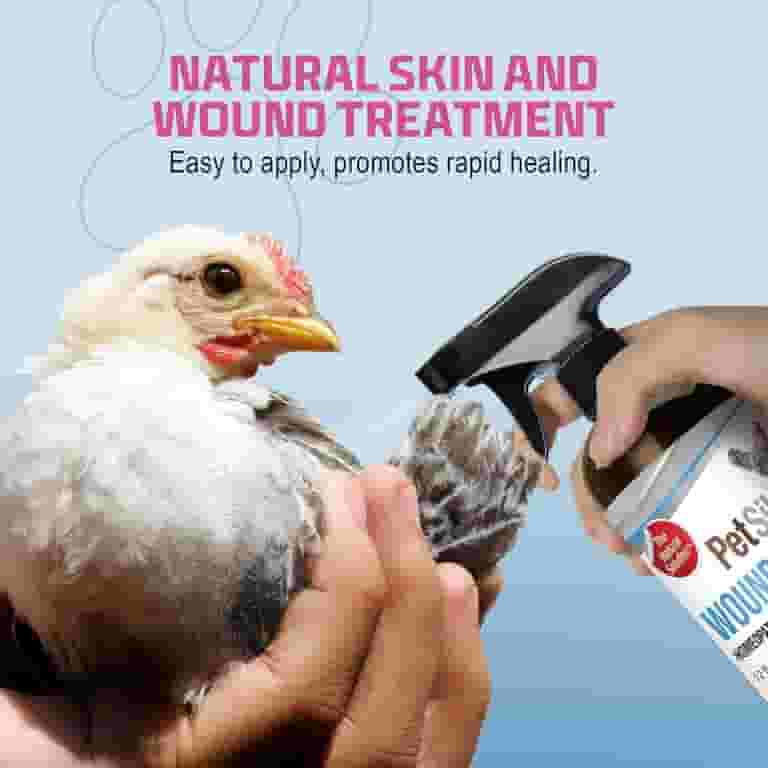
Credit: www.walmart.com
Stopping The Bleeding
When a bird has an open wound, stopping the bleeding is very important. Quick action helps keep the bird safe and calm.
Use gentle and careful methods to stop the blood flow. This helps the wound start healing and prevents more harm.
Applying Gentle Pressure
Use a clean cloth or gauze to press gently on the wound. Do not press too hard to avoid hurting the bird more.
Keep steady pressure for several minutes until the bleeding slows or stops. Avoid lifting the cloth often to check.
Using Hemostatic Agents
Hemostatic agents help blood clot faster. They come as powders or pads and can be safe for birds.
Apply the agent directly on the wound following the product instructions. Combine with gentle pressure to stop bleeding.
- Check the product is safe for animals
- Use sterile tools to apply
- Watch for any bad reaction after use
When To Seek Immediate Help
If the bleeding does not stop after 10 minutes of pressure, get help fast. The bird might need special care.
Also seek help if the bird looks very weak, has a big wound, or shows signs of shock like pale skin or rapid breathing.
- Bleeding continues despite pressure
- Large or deep wounds
- Bird is very weak or unresponsive
- Signs of shock or distress
Applying Dressing
Applying a dressing to an open wound on a bird helps protect it from infection and speeds healing. Proper care and gentle handling are important to avoid stress.
Using the right materials and techniques keeps the bird safe and comfortable during recovery.
Selecting Appropriate Bandages
Choose bandages that do not stick to the wound and allow air flow. Soft gauze pads are good to cover the injury. Avoid tight materials that block blood flow.
- Use non-stick sterile pads directly on the wound
- Cover pads with soft gauze to absorb fluids
- Choose breathable materials to help healing
- Avoid cotton wool that may leave fibers in the wound
Securing Dressings Without Stress
Secure the dressing gently to avoid hurting the bird. Use soft tape or self-adhesive bandage that does not pull feathers. Do not wrap too tightly.
| Type of Tape | Use | Notes |
| Medical paper tape | Secures gauze | Gentle on feathers |
| Vet wrap | Holds dressing in place | Stretchy and breathable |
| Adhesive foam tape | Pads and protects | Soft and cushioned |
Changing Dressings Regularly
Change dressings often to keep the wound clean. Check for signs of infection like redness or bad smell. Clean the area gently before applying a new dressing.
- Wash your hands before touching the wound
- Remove the old dressing carefully
- Clean the wound with saline or prescribed solution
- Apply a fresh sterile dressing
- Secure the dressing without tight wrapping
- Monitor the wound daily for healing progress

Credit: www.amazon.com
Preventing Infection
Birds can get hurt just like any other animal. If your bird has an open wound, it is important to prevent infection. Proper care will help your bird heal faster.
Keeping the wound clean is vital. Use safe methods to ensure your bird stays healthy.
Using Safe Antiseptics
Antiseptics help clean wounds to stop germs. Use bird-safe antiseptics only. Check labels to ensure they are safe for birds.
Apply antiseptics gently to avoid stress. This keeps your bird calm while the wound is treated.
Signs Of Infection To Watch
Watch for signs of infection to keep your bird safe. Signs include redness, swelling, or bad smells.
If you notice these signs, call a vet. Quick action helps prevent serious health issues.
Maintaining Hygiene Around The Bird
Keep the bird’s cage clean to avoid germs. Change bedding often and clean food and water dishes daily.
Wash your hands before handling the bird. This helps stop the spread of germs to the wound.
- Use warm water and soap for handwashing
- Disinfect surfaces regularly
- Keep the environment dust-free
Providing Comfort And Care
Caring for a bird with an open wound requires attention and gentle handling. Creating a calm environment aids in faster recovery.
Follow these steps to ensure your feathered friend receives the best care possible during the healing process.
Minimizing Stress For The Bird
Reducing stress is crucial for a bird’s recovery. Stress can slow down healing and impact the bird’s overall health.
- Keep the bird in a quiet, familiar environment.
- Avoid handling the bird more than necessary.
- Ensure the bird has a safe and comfortable perch.
- Speak softly and move slowly around the bird.
Ensuring Proper Nutrition
Nutrition plays a vital role in wound healing. A balanced diet provides essential nutrients that support the body’s recovery processes.
| Food Type | Benefits |
| Fruits | Vitamins and minerals |
| Seeds | Protein and energy |
| Leafy Greens | Fiber and hydration |
Monitoring Healing Progress
Regular monitoring of the wound is essential to ensure proper healing. Look for signs of infection or any changes in the bird’s behavior.

Credit: www.reddit.com
When To Contact A Vet
Open wounds on birds need careful attention. Knowing when to call a vet can save your pet’s life.
This guide helps you spot serious signs and prepare for vet visits. It also covers care after treatment.
Identifying Emergency Situations
Some wounds need urgent vet care. Watch for these signs:
- Heavy bleeding that won’t stop
- Deep cuts exposing muscles or bones
- Bird is weak, shaking, or not moving
- Signs of infection like swelling, heat, or pus
- Difficulty breathing or strange sounds
Preparing For A Vet Visit
Get ready before you leave for the vet. This helps the visit go smoothly.
| Item | Why It’s Needed |
| Clean towel | To gently hold or wrap the bird |
| Carrier | Safe transport to the vet |
| Details about injury | Helps vet understand the problem |
| Previous medical records | For vet to check bird’s health history |
Follow-up Care Instructions
After vet care, follow these steps to help your bird heal well.
- Keep the wound clean and dry
- Give medicines exactly as prescribed
- Limit bird’s movement to prevent injury
- Check the wound daily for signs of infection
- Return to the vet if the bird worsens
Frequently Asked Questions
How Do You Clean An Open Wound On A Bird?
Clean the wound gently with warm saline solution. Avoid harsh chemicals. Use a soft cloth to remove dirt and debris without causing pain or stress.
What Is The Best Way To Stop Bleeding In Birds?
Apply gentle pressure using a clean gauze pad. Hold it for a few minutes until bleeding slows. If bleeding persists, seek veterinary care immediately.
Should I Apply Ointment On A Bird’s Wound?
Yes, use a vet-approved antibiotic ointment. Apply a thin layer to prevent infection. Avoid human ointments, as some ingredients can harm birds.
When Should I Contact A Vet For A Bird Wound?
Contact a vet if bleeding is heavy, wound is deep, or if infection signs appear. Prompt professional care ensures proper healing and bird safety.
Conclusion
Treating an open wound on a bird requires quick and careful steps. Clean the wound gently to avoid infection. Use a clean cloth or gauze to stop bleeding. Keep the bird calm and warm during treatment. Seek help from a vet if the wound is deep or bleeding a lot.
Proper care helps the bird heal faster and stay healthy. Remember, timely action can save your bird’s life. Always watch for signs of infection or distress after treatment. Taking these simple steps makes a big difference in wound care.




