
Are you tired of watching squirrels steal all the birdseed from your feeders? You’re not alone.
Those clever little creatures can quickly turn your peaceful bird-watching moments into a frustrating game of chase. But don’t worry—there are simple and effective ways to keep squirrels off your bird feeders so you can enjoy the birds without the constant interruptions.
Keep reading, and you’ll discover practical tips that really work, helping you protect your feeders and bring more feathered friends to your yard.
Why Squirrels Visit Bird Feeders
Squirrels are frequent visitors to bird feeders. They are drawn by the easy access to food. Understanding why squirrels visit helps in managing their visits. Their habits and what attracts them can guide effective solutions.
Attraction Factors
- Birdseed is high in fat and protein, ideal for squirrels.
- Feeders often hang low, making access simple for squirrels.
- Food is available year-round, especially important in winter.
- Quiet, safe spots near trees offer cover for squirrels.
- Feeders often have spilled seeds, which attract squirrels to the ground.
Common Feeding Habits
Squirrels prefer seeds like sunflower, safflower, and corn. They use their sharp teeth to open shells and access kernels.
They are persistent and clever, often learning how to bypass squirrel-proof feeders. Squirrels store extra food in their cheeks to eat later.
They visit feeders multiple times a day, especially during cold seasons. Squirrels also dig in the soil near feeders to hide seeds.
Choosing Squirrel-resistant Feeders
Choosing squirrel-resistant feeders helps protect bird food from hungry squirrels. These feeders stop squirrels from eating birdseed and keep birds happy. Picking the right feeder can make a big difference in your garden. Focus on features that block squirrels and attract birds.
Design Features To Look For
- Weight-Activated Perches:Close seed access when squirrels land.
- Metal Construction:Durable and hard for squirrels to chew.
- Seed Guards:Protect openings from squirrel reach.
- Closed Hoppers:Prevent squirrels from climbing inside.
- Spring-Loaded Mechanisms:Shut feeder ports quickly.
- Placement Hooks:Allow hanging away from trees or structures.
Top Feeders On The Market
| Feeder Name | Key Feature | Best For |
|---|---|---|
| Brome Squirrel Buster | Weight-sensitive closing ports | Heavy squirrel areas |
| Audubon Squirrel Proof Feeder | Metal cage barrier | Small birds and large squirrels |
| Droll Yankees Squirrel Resistant Feeder | Spring-loaded seed openings | General backyard use |
| Woodlink Squirrel-Proof Feeder | Heavy metal and enclosed design | Long-lasting protection |
Placement Strategies For Feeders
Choosing the right spot for your bird feeders is a smart way to keep squirrels at bay. Placement strategies can make a big difference in whether squirrels find it easy or tough to raid your feeders. Let’s look at how positioning your feeders carefully can save you from constant squirrel battles.
Ideal Locations
Pick a spot that’s open and visible, not tucked away in dense bushes or hidden corners. Squirrels love jumping from nearby cover, so placing feeders in open spaces helps you spot them early and deters sneaky approaches.
Think about areas where birds naturally gather—near flowering plants or water sources. This encourages birds to visit more often and makes squirrels less likely to risk exposure in open spaces.
Distance From Trees And Structures
Keep your feeders at least 10 feet away from tree branches, fences, or rooftops. Squirrels are excellent jumpers and can leap up to 8 feet, so extra distance cuts down their access routes.
I once moved a feeder just 12 feet away from a big oak and noticed a sharp drop in squirrel visits within days. The squirrels had no launching point for their acrobatics, and the birds enjoyed the feeder in peace.
Also, avoid placing feeders near structures squirrels can climb. Poles or posts with smooth surfaces make it harder for squirrels to reach your feeders, especially if you add baffles below.

Credit: www.yahoo.com
Physical Barriers And Deterrents
Keeping squirrels off your bird feeders can be a tough challenge, but physical barriers and deterrents offer practical ways to protect your feathered friends’ food. These solutions don’t just block squirrels—they also encourage birds to keep coming back without frustration. Let’s look at how you can use physical tools around your feeders to outsmart those clever critters.
Baffles And Guards
Baffles are one of the most effective tools to keep squirrels away. These are dome- or cone-shaped devices that you place above or below your bird feeder to block squirrels from climbing down or up to the feeder.
Installing a baffle on the pole or hanging wire can stop squirrels from getting a grip. You can find metal or plastic baffles, but metal ones tend to be more durable and harder for squirrels to chew through.
Guards work similarly by surrounding the feeder’s base or hanging hardware. They create a slippery or blocked surface that squirrels can’t navigate. Have you tried placing these barriers and noticed a drop in squirrel visits?
Using Spinners And Slippery Surfaces
Adding spinners under or near your feeder makes it tricky for squirrels to land or hold on. These spinning devices rotate when a squirrel tries to climb, sending them sliding off harmlessly.
Slippery surfaces, like smooth metal or PVC pipes, can also stop squirrels from climbing poles that hold feeders. Wrapping poles with these materials removes the squirrels’ grip and prevents climbing attempts.
Try combining spinners with slippery poles to create a fortress around your feeder. Have you observed how these deterrents keep squirrels busy and away, while birds enjoy a peaceful feeding time?
Alternative Feeding Options
Keeping squirrels away from your bird feeders can feel like a constant battle. Instead of just trying to block these clever critters, consider giving them their own food source. Alternative feeding options not only protect your birdseed but also keep squirrels entertained and well-fed, reducing their interest in your bird feeders.
Squirrel Feeders
Squirrel feeders are designed specifically to attract squirrels with food they love, such as corn, nuts, or sunflower seeds. Placing a squirrel feeder a good distance from your bird feeders can distract squirrels and keep them busy.
I once set up a squirrel feeder about 15 feet away from my bird feeder. Almost immediately, the squirrels stopped raiding the birdseed and focused on their own supply. This simple change made watching the birds much more enjoyable.
Make sure the squirrel feeder is sturdy and easy for squirrels to access but difficult for birds. This way, you avoid wasting birdseed and satisfy the squirrels’ appetite simultaneously.
Separate Feeding Stations
Creating separate feeding stations for birds and squirrels is a smart way to manage both. Position the squirrel station far enough from your bird feeders—around 20 feet is ideal—to reduce the chance of squirrels jumping between them.
Use different types of feeders for each station. For example, a platform feeder works well for squirrels, while tube feeders are better for birds. This separation helps you control what each species eats and minimizes conflicts.
Have you tried varying the food types at these stations? Offering peanuts or corn at the squirrel station while keeping high-quality birdseed in the bird feeders can make a noticeable difference. This tactic not only protects your birdseed but also makes your garden a welcoming space for both wildlife groups.

Credit: duncraft.com
Natural Repellents And Scare Tactics
Natural repellents like chili powder or garlic spray can keep squirrels away from bird feeders. Scare tactics such as shiny objects or fake predators also help deter these persistent visitors.
Natural Repellents and Scare Tactics Squirrels raiding your bird feeders can be frustrating, but using natural repellents and scare tactics can keep these bushy-tailed intruders at bay without harming them. The key is to make your bird feeders less appealing or too intimidating for squirrels. This can be achieved through a variety of clever and humane methods that require minimal effort on your part.Safe Repellent Sprays
Consider using safe repellent sprays that deter squirrels without posing a threat to other wildlife. These sprays often contain ingredients like hot pepper or essential oils that squirrels find unpleasant. A quick spray around your feeders can create an invisible barrier that squirrels are reluctant to cross. It’s important to reapply these sprays after rain or as directed on the product label. You can easily find these sprays at garden centers or make your own using household ingredients. Just remember to test it in a small area first to ensure it doesn’t affect the birds.Noise And Motion Devices
Devices that produce noise or motion can effectively scare squirrels away from your feeders. Motion-activated sprinklers, for instance, surprise squirrels with a harmless burst of water. Similarly, ultrasonic repellers emit high-frequency sounds that are imperceptible to humans but annoying to squirrels. These devices can be strategically placed near feeders to maximize their effectiveness. You might find it amusing to watch squirrels scamper away, only to return and be startled again. The unpredictability of these devices keeps squirrels on their toes and away from your birdseed. Incorporating these tactics not only protects your bird feeders but also adds an element of fun to your backyard. Have you ever tried any unusual methods to deter squirrels? Share your experiences and tips in the comments below!Maintenance Tips To Discourage Squirrels
Squirrels can be pesky visitors at bird feeders. They snatch seeds meant for birds. Keeping them away requires consistent maintenance. Simple tips can help discourage these clever critters. Focus on keeping the feeders clean and managing seeds properly.
Cleaning Feeders Regularly
Regular cleaning keeps your bird feeders in top condition. Squirrels are attracted to dirty feeders. Use warm water and mild soap to clean them. Rinse thoroughly to remove soap residue. Dry the feeders completely before refilling. This prevents mold and bacteria growth. Clean feeders also deter squirrels by removing scents.
Removing Spilled Seeds
Spilled seeds are a feast for squirrels. Clear them daily to avoid attracting these intruders. Use a small broom or rake to gather seeds. Dispose of them away from the feeder area. Consider placing a tray under feeders to catch spills. This makes cleanup easier and keeps the area tidy. A clean feeding area is less inviting to squirrels.
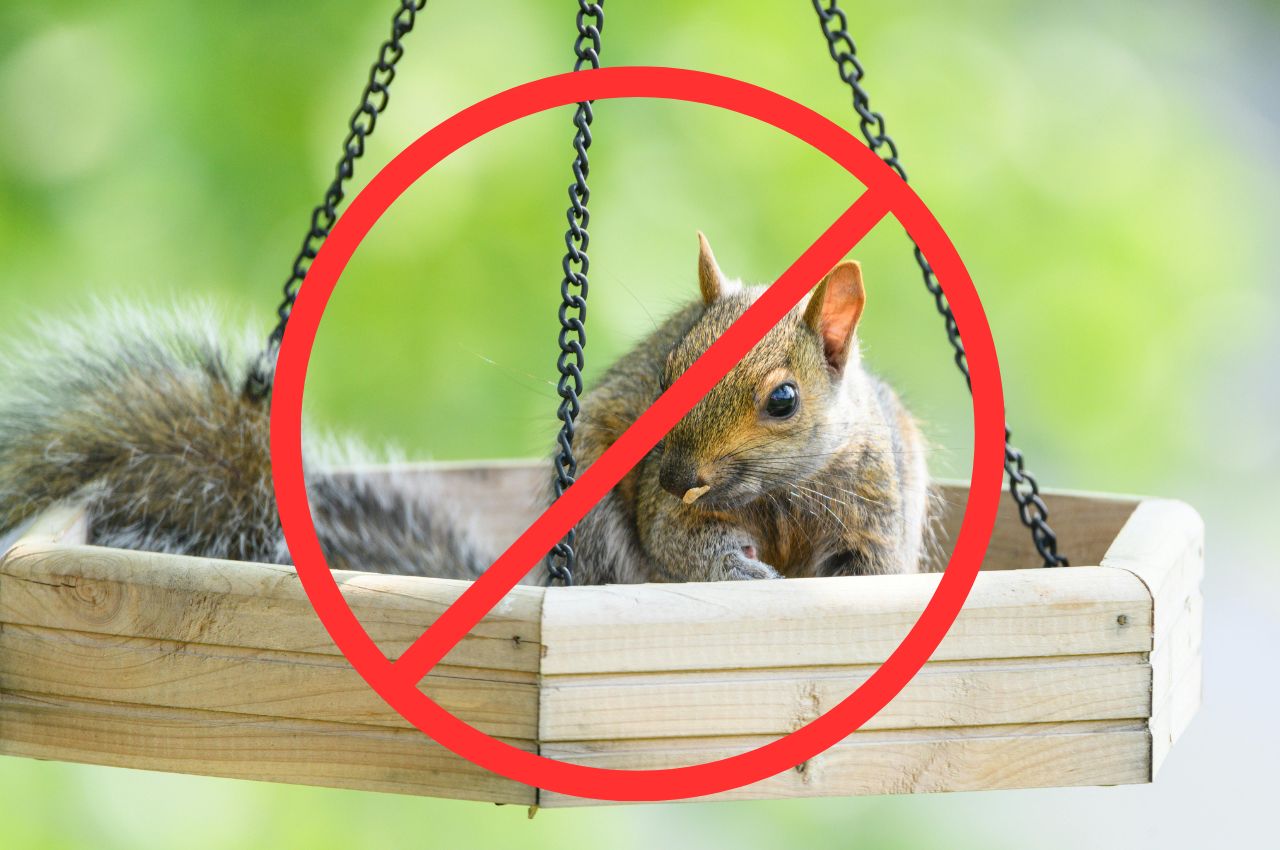
Credit: www.beakybites.co.uk
Frequently Asked Questions
How Can I Squirrel-proof My Bird Feeder Effectively?
Use squirrel baffles below or above feeders to block access. Opt for weight-sensitive feeders that close under squirrel weight. Place feeders away from trees or structures squirrels can jump from.
What Types Of Bird Feeders Deter Squirrels Best?
Metal or cage-style feeders prevent squirrels from reaching seeds. Weight-activated feeders close feeding ports when squirrels climb. Avoid tube feeders without protective mechanisms.
Which Birdseed Is Least Attractive To Squirrels?
Use safflower seeds, as squirrels dislike their taste. Avoid sunflower seeds, which squirrels prefer. Consider mixed seeds without nuts or corn to reduce squirrel attraction.
Are Natural Repellents Safe For Keeping Squirrels Away?
Yes, natural repellents like cayenne pepper or garlic sprays deter squirrels. Reapply repellents regularly for effectiveness. Ensure repellents are safe for birds and non-toxic.
Conclusion
Keeping squirrels away from bird feeders takes patience and simple steps. Use squirrel-proof feeders and place them carefully. Try baffles or grease poles to stop climbing. Choose seeds squirrels dislike, like safflower. Regularly clean feeders to avoid leftover food. Watch and adjust your methods as needed.
Enjoy watching birds without the squirrel mess. Small changes make a big difference. Keep feeders safe and birds happy.




