
Have you ever wondered how your car shows that amazing top-down view on the screen? That clear, bird’s eye perspective makes parking and tight maneuvers feel so much easier.
But how exactly do cars create this smart, all-around vision? You’ll discover the simple technology behind those cameras and why they’re becoming a must-have for every driver. Keep reading, and you’ll soon see your car in a whole new light—literally!
Birds Eye View Camera Basics
Birds eye view cameras offer a unique way to see your car’s surroundings. They provide a top-down image, like looking from above. This helps drivers park and navigate tight spots with ease. Understanding the basics of these cameras shows how they improve safety and convenience.
What Is Birds Eye View Camera
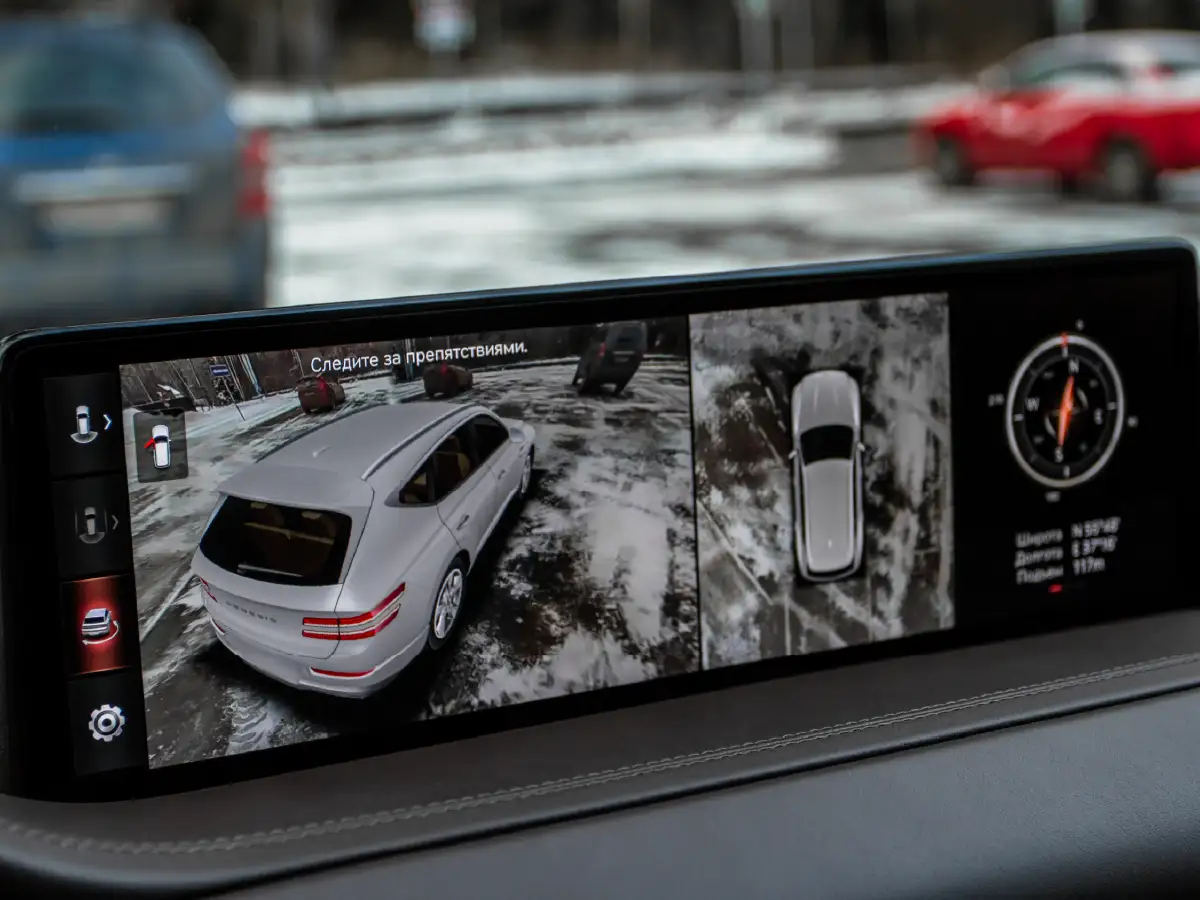
A birds eye view camera uses multiple cameras around the car. These cameras capture images from the front, back, and sides. The system combines these images into one complete view. This view appears as if you are looking down from above.
The camera images are stitched together by software. This creates a seamless 360-degree view. Drivers see the car and its nearby environment on the display screen inside the vehicle.
Purpose And Benefits
The main purpose is to make driving safer and easier. Birds eye view cameras help in parking, avoiding obstacles, and tight maneuvers. They reduce blind spots around the vehicle.
- Improves parking accuracy
- Helps avoid hitting objects or pedestrians
- Increases driver confidence in crowded areas
- Enhances overall road safety
This camera system saves time and reduces stress. It is especially useful in urban areas with limited space. Many car makers now include it as a standard safety feature.
How Cameras Capture Surroundings
Cars create a top bird’s eye view by capturing images all around the vehicle. This view helps drivers see obstacles and park safely. Cameras gather visual data from multiple angles and send it to a computer. The computer then stitches these images together to form one clear overhead picture.
Types Of Cameras Used
Cars use several types of cameras to capture their surroundings. The most common are wide-angle cameras. These cameras cover a broad area with fewer blind spots. Some vehicles use fisheye cameras to capture a 180-degree view. Others may have standard front, rear, and side cameras to capture specific areas around the car.
High-definition cameras help provide clear images day and night. Infrared cameras may be used for better vision in low light. Each type plays a role in giving drivers a full, real-time view of their environment.
Camera Placement On Vehicles
Cameras are placed strategically on the car to cover every angle. Usually, one camera is mounted on the front grille to see the road ahead. Another camera sits on the rear to monitor what is behind the car. Side cameras are placed under each side mirror to capture the sides.
Some cars also have cameras on the roof or near the license plate. These positions help gather images from above and around the vehicle. Proper placement ensures the cameras work together to create a seamless bird’s eye view.
Image Processing Techniques
Cars create a bird’s eye view by stitching images from multiple cameras around the vehicle. Advanced image processing techniques blend these views into one clear, seamless picture. This helps drivers see their surroundings from above, improving safety and parking ease.
Image processing techniques have transformed the way we view the world from our car’s dashboard. These innovative methods enable vehicles to provide a comprehensive top-down view, enhancing safety and making parking a breeze. By processing and combining multiple camera feeds, cars can create a seamless 360-degree image that gives drivers a clear picture of their surroundings.Stitching Multiple Camera Feeds
Most modern cars use multiple cameras strategically placed around the vehicle. These cameras capture different angles, providing a wealth of visual data. The real magic happens when these separate feeds are stitched together. The stitching process involves aligning the images so that they form a unified whole. Imagine having several puzzle pieces that need to fit perfectly to complete a picture. This alignment ensures that there are no visible gaps or overlaps. Advanced algorithms play a critical role here. They adjust for variations in lighting, perspective, and distortion. This meticulous attention to detail ensures a smooth and accurate representation of the car’s surroundings.Creating A 360-degree View
Once the feeds are stitched together, the next step is to create a 360-degree view. This panoramic image allows you to see everything around your car from a bird’s-eye perspective. Think about the last time you parked in a tight spot. A 360-degree view would have made it much easier. By presenting a comprehensive image, drivers can navigate obstacles and park with precision. The 360-degree view isn’t just about convenience. It significantly enhances safety by reducing blind spots. This technology empowers you to make better decisions on the road. What do you think about having this view in your car? Would it change the way you drive? These image processing techniques are not just technological marvels—they’re practical tools that make driving safer and more enjoyable.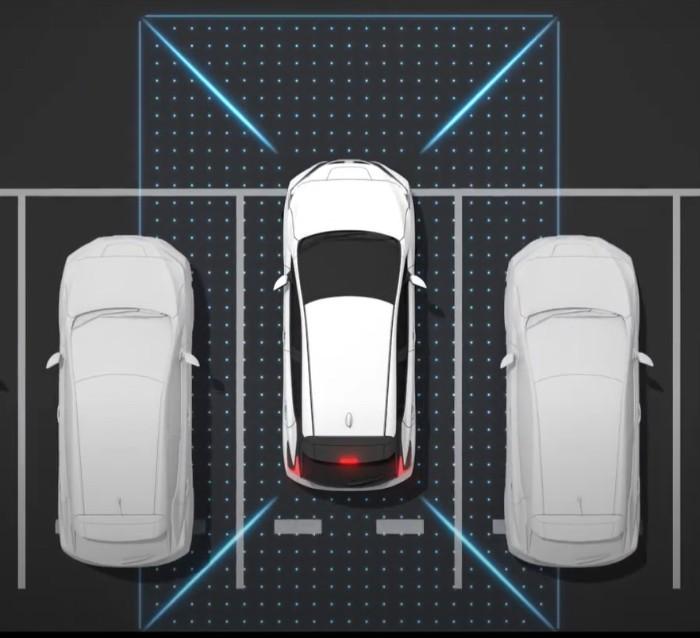
Credit: www.uk-car-discount.co.uk
Software And Algorithms
Software and algorithms play a key role in creating the top bird’s eye view camera in cars. These systems take images from multiple cameras around the vehicle and combine them into one clear, smooth view. The software adjusts the images to look like they are from above, giving drivers a full picture of their surroundings.
This process needs fast and smart computing. The algorithms correct distortions, align images, and remove blind spots. They also work with sensors to detect obstacles and help with safe driving.
Real-time Image Correction
The software corrects camera images instantly as the car moves. It fixes distortions caused by wide-angle lenses. This makes the final bird’s eye view clear and accurate.
The system stitches images from different cameras together. It aligns edges so the view looks seamless. This requires fast processing to avoid delays.
Light changes and shadows are also adjusted. The software balances brightness and contrast. This helps the driver see details in all conditions.
Obstacle Detection Integration
The algorithms work with sensors to spot obstacles around the car. They highlight objects in the bird’s eye view image. This warns drivers about nearby hazards.
The system tracks moving objects like pedestrians and bikes. It alerts the driver if there is a risk of collision. This adds an important safety layer.
By combining cameras and sensors, the software creates a smart, reliable view. This helps drivers park, change lanes, and navigate tight spaces with ease.
Hardware Components Involved
To understand how cars provide a top bird’s eye view, it’s important to look at the hardware working behind the scenes. These components work together to capture and process images from different angles around your vehicle. The result is a seamless, real-time 360-degree view that enhances safety and convenience.
Camera Sensors
Camera sensors are the eyes of the system. Typically, four wide-angle cameras are placed around the car—front, rear, and one on each side mirror. These cameras capture overlapping images that cover every angle around your vehicle.
Most sensors use CMOS technology because it balances cost and image quality well. They need to work under various lighting conditions—from bright sunlight to dim parking garages. Have you noticed how clear the image stays even at night? That’s thanks to advanced sensors designed to handle low light.
Processing Units
After cameras capture the images, processing units step in to combine these visuals into one clear overhead view. These units are like the brain, stitching together multiple camera feeds in real-time. They correct distortions and align the images perfectly so you see a smooth, continuous panorama.
Modern cars use powerful processors that handle this task with minimal delay. Some even use artificial intelligence algorithms to enhance object detection and alert you to potential hazards. Think about how much easier parking gets when you can see every corner without turning your head.

Credit: www.teslaownersonline.com
Challenges In Birds Eye View Systems
Birds Eye View systems in cars offer a unique perspective. They help drivers see the surroundings from above. Yet, creating this view isn’t simple. It involves combining images from multiple cameras. These systems face several challenges.
Handling Distorted Images
Each camera captures images at different angles. This can cause distortion. The software must align these images correctly. Misalignment leads to inaccurate views. This can confuse drivers.
To fix this, advanced algorithms are used. They adjust the images for seamless integration. This ensures the final view is clear and accurate.
Performance In Various Weather Conditions
Weather affects camera performance. Rain can blur images. Fog and snow reduce visibility. Cameras must handle these conditions well.
Manufacturers use special coatings on lenses. These coatings repel water and dirt. Additionally, heating elements keep lenses clear in cold weather. This ensures reliable performance in all conditions.
Future Trends And Innovations
The future of top bird’s eye view cameras in cars is full of exciting possibilities. These systems are evolving to offer clearer images and smarter features that enhance your driving experience. Let’s look at what innovations you can expect to see soon.
Enhanced Resolution And Ai Integration
Imagine seeing every detail around your car with crystal-clear quality. Higher resolution cameras are being developed to provide sharper, more accurate views. This improvement helps you spot obstacles, pedestrians, or road markings more easily.
AI is playing a big role here. It can analyze the camera feed in real time and highlight important elements. For example, the system might alert you to a cyclist approaching from behind or suggest the safest path when parking.
Have you ever struggled with blurry or pixelated images on your car’s display? Enhanced resolution combined with AI could eliminate this frustration, making your driving safer and more confident.
Integration With Autonomous Driving
Top bird’s eye view cameras are becoming key players in self-driving technology. They provide a 360-degree perspective that helps autonomous systems understand the environment around the vehicle.
By feeding detailed visual data to the car’s control system, these cameras support better decision-making. This means smoother lane changes, precise parking, and improved obstacle avoidance without your intervention.
Think about the last time you parked in a tight spot. With future camera systems linked to autonomous driving, your car could handle such tasks effortlessly. How much easier would daily driving be if your car could see everything from above and act on it instantly?
Credit: www.cars24.com
Frequently Asked Questions
How Do Top Bird’s Eye View Cameras Work In Cars?
Top bird’s eye view cameras use multiple cameras around the car. They stitch images together to create a 360-degree overhead view. This helps drivers see surroundings clearly and park safely.
What Technology Enables 360-degree Car Camera Views?
Cars use wide-angle cameras combined with image stitching software. Sensors and processors work together to merge images seamlessly into one top-down view. This technology improves driver awareness and safety.
Why Are Bird’s Eye View Cameras Beneficial For Drivers?
Bird’s eye view cameras eliminate blind spots and improve parking accuracy. They provide a clear view of obstacles around the car. This reduces accidents and makes maneuvering easier in tight spaces.
Which Car Models Commonly Have Bird’s Eye View Cameras?
Many modern SUVs, sedans, and luxury cars come with this feature. Brands like Toyota, BMW, and Audi often include 360-degree cameras in higher trims. It’s becoming a standard safety feature.
Conclusion
Top bird’s eye view cameras help drivers see all around their cars. They use several small cameras placed on the vehicle’s sides and front. The system combines these images to create a clear overhead view. This technology improves safety and makes parking easier.
Many modern cars now include this helpful feature. It shows how cameras and software work together for better driving. Understanding this can help you appreciate car safety technology more.




