
Have you ever wondered if crows actually use bird houses? You might think these clever birds prefer their own nests high in trees, but the truth could surprise you.
If you’re curious about attracting crows or simply want to understand their behavior better, this article will give you clear answers. By the end, you’ll know exactly how crows interact with bird houses—and what you can do to make your yard more inviting for them.
Keep reading to uncover fascinating facts that could change the way you see these intelligent birds!

Credit: www.reddit.com
Crows And Their Nesting Habits
Crows show unique behaviors when building nests. Their nesting habits reveal much about their intelligence and adaptability. Understanding these habits helps us know if crows use bird houses or prefer natural sites.
Preferred Nesting Sites
Crows choose tall trees for safety and visibility. They often pick oak, pine, or maple trees. Sometimes, they build nests on large shrubs or man-made structures. Bird houses are rarely used by crows because they prefer open, spacious nests.
Materials Crows Use
Crows gather sticks, twigs, and branches as the main frame. They add soft materials like grass, leaves, and feathers for comfort. Sometimes, crows use wire or string found nearby. Their nests are sturdy and well-built to protect eggs and chicks.
Seasonal Nesting Patterns
Crows usually start building nests in early spring. The nesting season lasts until mid-summer. They may reuse old nests or build new ones each year. During this period, crows are very protective and active around their nesting site.
Bird Houses And Their Design
Understanding bird houses and their design is essential if you want to attract the right birds to your garden. Different birds prefer different styles, sizes, and features. Knowing these details helps you create a welcoming space that suits their needs and behaviors.
Common Bird House Types
Bird houses come in various shapes and styles, each suited for different bird species. The classic box design with a small entrance hole is popular for many small birds like chickadees and bluebirds.
There are also open-front houses, which attract species that prefer easy access, such as wrens and robins. Some houses mimic natural cavities, while others have decorative elements to blend with your garden.
Have you noticed which bird houses are most common in your neighborhood? Observing local preferences can guide your choice.
Features That Attract Birds
Birds look for safety, shelter, and comfort. Features like proper ventilation, drainage holes, and smooth interiors matter a lot. These keep the nest dry and safe from predators.
Adding a small roof overhang protects the entrance from rain. Dark interiors help birds feel secure and calm. Bright colors might attract humans but often scare birds away.
Have you ever seen birds avoiding a brightly painted bird house? That’s a sign to choose natural or muted tones instead.
Size And Entrance Hole Considerations
Size matters when selecting or building bird houses. The interior space needs to be just right—not too big, not too small.
Entrance holes are critical. A hole too large invites unwanted guests like squirrels or larger birds, while too small an opening can discourage your target species. For example, a 1.5-inch diameter hole suits small songbirds, while larger birds need bigger openings.
Would you consider measuring the birds visiting your yard before deciding on the entrance size? That simple step can increase your success in attracting the right visitors.
Crows’ Interaction With Bird Houses
Crows are clever birds with unique habits. Their interaction with bird houses differs from smaller birds. They often prefer natural nests but sometimes explore man-made structures. Understanding how crows use or avoid bird houses helps in managing garden wildlife.
Crows’ large size and intelligence influence their choice of nesting spots. They may check out bird houses but rarely use them as intended. Their behavior varies depending on environment and available shelter.
Instances Of Crows Using Bird Houses
Crows rarely use traditional bird houses made for small birds. Some have been seen investigating or perching on them. In rare cases, crows may adapt larger bird houses for nesting. These instances occur mostly in urban areas with fewer natural trees.
- Crows have used oversized bird houses on occasion.
- They sometimes occupy abandoned bird houses.
- Young crows may explore bird houses while learning.
Reasons Crows May Avoid Bird Houses
Bird houses often do not fit crow size or nesting needs. Small entrances and tight spaces discourage them. Crows prefer open nests high in trees or on sturdy branches. They avoid confined spaces that limit movement or escape routes.
- Size restrictions of typical bird houses.
- Lack of visibility and quick escape options.
- Preference for larger, natural nesting sites.
How Crows Modify Nesting Spaces
Crows are known to alter existing nests or structures. They build large nests using sticks and twigs. Sometimes they enlarge cavities or remove obstacles in nesting areas. Their modifications help create safe, roomy spaces for raising young.
- Adding sticks to strengthen nests.
- Clearing debris from nesting sites.
- Using human-made objects to enhance nests.
Attracting Crows To Bird Houses
If you’ve ever watched crows around your yard, you might wonder if they actually use bird houses and how you can invite them to settle nearby. Attracting crows to bird houses isn’t as simple as hanging a small wooden box like you would for songbirds. Crows have unique needs and preferences that shape what kind of shelter they find appealing.
Ideal Bird House Designs For Crows
Crows need larger, sturdier bird houses compared to smaller birds. A box about 18 inches wide, 18 inches deep, and 24 inches tallworks well, providing enough space for a crow family. The entrance hole should be at least 6 inches in diameterto allow easy access.
Use durable materials like thick wood or weather-resistant composites. Avoid bright colors; natural wood tones blend best with the environment. Adding a sloped roof helps keep rain out and prevents water damage inside.
Location Tips
Where you place the bird house is just as important as the design. Crows prefer spots with a clear view of their surroundings to spot predators early. Mount the house on a tall pole or sturdy tree branch at least 10 to 15 feet off the ground.
Keep the house away from heavy human traffic and noisy areas. Think about the crow’s daily routes and food sources when choosing the location. Would you feel safe resting in a house near constant noise or disturbance?
Feeding And Environmental Factors
Food availability nearby increases the chances of crows using your bird house. Offering scraps like unsalted nuts, fruits, or small bits of meat can draw them closer. However, avoid processed or sugary foods that harm their health.
Water sources like birdbaths or small ponds also encourage visits. Keep the area clean to prevent pests and diseases. Remember, crows are intelligent and watchful; they’ll return only if they feel safe and comfortable.
Benefits And Challenges Of Crow Bird Houses
Providing bird houses for crows offers unique benefits and some challenges. These intelligent birds can find safe places to nest and rest. Bird houses may support crow populations in urban or suburban areas. Yet, crows have specific needs that differ from smaller birds. Understanding these helps create better habitats and avoid problems.
Ecological Impact
Crow bird houses can help balance local ecosystems. Crows control pests by eating insects and small animals. They also clean up dead animals and organic waste. This reduces disease spread and keeps the environment cleaner.
However, crows can affect other wildlife. They might scare away smaller birds or compete for food. Placing bird houses thoughtfully can reduce negative effects on local species.
Potential Conflicts With Other Birds
Crows are larger and more aggressive than many birds. They may take over bird houses meant for smaller species. This can reduce nesting spots for songbirds and other wildlife.
Crows may also chase away or harm smaller birds near their nests. This behavior can upset local bird diversity. Using crow bird houses in isolated areas helps limit conflicts.
Maintenance And Care
Cleaning crow bird houses is important to prevent parasites and disease. Remove old nesting materials after each season. Check for damage or wear and repair as needed.
Choose sturdy materials that withstand weather and crow activity. Secure the houses firmly to avoid falls. Regular care keeps the bird houses safe and inviting for crows.

Credit: www.birdfy.com
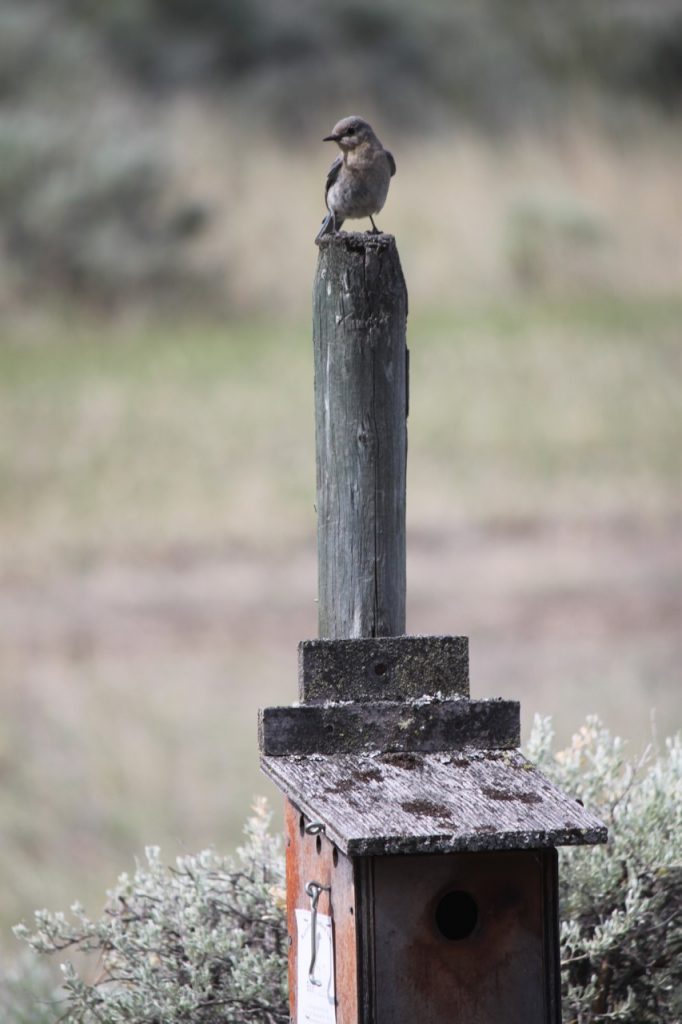
Credit: nestwatch.org
Frequently Asked Questions
Do Crows Commonly Use Bird Houses For Nesting?
Crows rarely use traditional bird houses. They prefer natural sites like tall trees or cliffs for nesting. Bird houses often do not fit their size or nesting habits.
What Types Of Shelters Do Crows Prefer?
Crows favor large, open nests built in tall trees or on ledges. They use sticks and twigs to create sturdy nests rather than enclosed bird houses.
Can Bird Houses Be Adapted For Crows?
Bird houses can be modified by increasing size and entrance dimensions. However, crows still prefer natural nesting spots over artificial shelters.
Why Don’t Crows Use Typical Bird Houses?
Typical bird houses are too small and enclosed for crows. Their nesting needs require more space and openness than bird houses provide.
Conclusion
Crows rarely use bird houses made for smaller birds. They prefer building nests high in trees or on structures. Bird houses usually do not fit their size or needs. Still, providing safe spaces helps many bird species thrive. Watching crows shows how smart and adaptable they are.
Offering natural habitats supports their survival best. Keep learning about these fascinating birds and their habits. Nature always has surprises waiting to be discovered.




