
Are you ready to welcome more birds into your yard? Knowing exactly where to hang a bird house can make all the difference.
The right spot not only attracts beautiful birds but also keeps them safe and comfortable. You’ll discover simple tips to choose the perfect place for your bird house. By the end, you’ll be confident that your feathered friends have found their ideal new home.
Keep reading to learn how to create a bird haven right outside your window!
Choosing The Right Location
Choosing the right location for your birdhouse is crucial to attract and support local bird populations. It affects how often birds visit, how safe they feel, and whether they decide to make it their home. A well-placed birdhouse can become a favorite spot for birds, giving you the joy of watching them up close.
Consider Bird Species
Different birds prefer different environments. Some like open spaces, while others want dense trees nearby. Find out which species are common in your area and research their nesting habits.
If you’re hoping to attract bluebirds, place the birdhouse in a quiet, open area with low bushes. For chickadees, a spot near deciduous trees works best. Matching the birdhouse location to the bird’s natural preferences increases your chances of a visit.
Nearby Food Sources
Birds need easy access to food to stay close. Look for places near natural food sources like berry bushes, flowering plants, or feeders. This convenience makes your birdhouse a more attractive resting spot.
Think about the changing seasons too. Will the food source still be available in winter? Adding a bird feeder nearby can help keep your feathered friends around even when natural food is scarce.
Safety From Predators
Birds choose nests where they feel safe. Avoid locations that are easy for cats, raccoons, or snakes to reach. Hanging the birdhouse at least 5 to 10 feet above the ground can make a big difference.
Also, avoid placing the birdhouse near branches that predators can jump from. A clear flight path allows birds to enter and leave quickly without risk. Would you feel safe sleeping in a house with open windows on a busy street? Birds feel the same about their nests.

Credit: happygardens.com
Optimal Height For Bird Houses
Choosing the right height for your bird house can make all the difference in attracting the birds you want and keeping them safe. Different species prefer different heights based on their natural nesting habits. Understanding these preferences helps you create a welcoming home that fits their lifestyle perfectly.
Ground Nesters Vs. Tree Nesters
Birds that nest on or near the ground, like wrens or sparrows, usually prefer bird houses placed lower—often between 1 to 3 feet above the ground. This height mimics their natural nesting environment and makes them feel secure.
Tree nesters, such as bluebirds or chickadees, favor heights ranging from 5 to 15 feet. Hanging the house at these levels keeps them away from many ground predators and aligns with their instinct to nest in tree cavities.
Have you noticed how different bird species behave around your yard? Matching their preferences can increase your chances of a successful nesting season.
Adjusting For Different Birds
Not all tree nesters prefer the same height. For example, woodpeckers tend to nest higher, sometimes up to 20 feet, while some small songbirds might be comfortable at 6 to 8 feet.
Consider the birds you want to attract and research their typical nesting heights. You can even install multiple bird houses at different heights to see which ones get occupied first.
Think about your own space: Is there a sturdy tree branch or a pole where you can vary the height? Observing bird activity nearby can guide your choice.
Sunlight And Weather Exposure
Sunlight and weather exposure play a crucial role in where you hang your birdhouse. Birds need a comfortable environment to thrive, and harsh conditions can discourage them from nesting. Paying attention to sunlight and weather will increase the chances of your birdhouse becoming a lively home.
Avoiding Direct Sunlight
Placing a birdhouse in direct sunlight all day can overheat the interior, making it uncomfortable or even dangerous for birds. Look for spots that receive morning sun and afternoon shade, which balance warmth and comfort. You might notice birds prefer shaded areas during hot afternoons, which is a good sign to follow.
Think about the orientation of your birdhouse. Facing the entrance away from the afternoon sun helps keep the temperature inside cooler. Have you checked if your birdhouse gets too hot by touching it during midday? If yes, try moving it to a shadier spot.
Protection From Wind And Rain
Strong winds can shake a birdhouse, scaring away its residents or even damaging the structure. Choose a location shielded by trees, shrubs, or buildings to block harsh gusts. A stable and quiet spot invites birds to settle in peacefully.
Rain can flood or soak the birdhouse, so avoid hanging it in open, rain-prone areas. Positioning the birdhouse under eaves or dense foliage offers natural rain protection. Have you ever seen water pooling near a birdhouse? That’s a sign to relocate it to a drier place.
Mounting Options And Techniques
Choosing the right mounting option for your birdhouse can make a big difference in how welcoming it feels to birds. The placement affects safety, visibility, and ease of maintenance. Let’s look at some practical ways to mount your birdhouse and what you should consider for each.
Pole Mounting
Pole mounting is one of the safest and most flexible ways to install a birdhouse. You can place the pole in an open area, away from predators like cats or raccoons.
Use a sturdy metal or wooden pole about 5 to 8 feet tall. Attach the birdhouse securely at the top using screws or brackets. To increase stability, consider adding a baffle below the birdhouse to prevent predators from climbing up.
Have you noticed how birds prefer houses that are easy to spot but still feel protected? Pole mounting offers that balance perfectly.
Tree Attachment
Attaching a birdhouse to a tree keeps it natural and blends into the environment. However, you should avoid nailing or screwing directly into the tree trunk, as this can harm the tree.
Instead, use adjustable straps or bungee cords to secure the birdhouse gently. Place it on the north or east side of the tree to protect the birds from harsh afternoon sun. Keep in mind that the birdhouse should be stable and not swing in the wind.
Think about the growth of the tree—will the straps loosen or tighten over time? Checking and adjusting the mounting regularly ensures the birdhouse stays safe and comfortable.
Wall Mounting
Mounting a birdhouse on a wall or fence can work well if you have limited space. Choose a quiet spot where the birds won’t be disturbed by frequent human activity.
Use strong brackets or hooks to hold the birdhouse firmly against the wall. Make sure the entrance hole faces away from prevailing winds to keep the inside dry and cozy.
One trick I’ve learned is to add a small roof overhang when mounting on a wall. It provides extra shelter from rain and direct sunlight, making the home more inviting for birds.
Avoiding Common Mistakes
Choosing a spot too close to predators or busy areas can scare birds away. Placing the birdhouse at the right height and shade helps keep birds safe and comfortable.
Installing a birdhouse in your yard can transform your space into a lively hub of chirping activity. But placement is key. Misplacing a birdhouse can deter birds rather than attract them. Here are some common mistakes to avoid when deciding where to hang your birdhouse.Too Close To Feeders
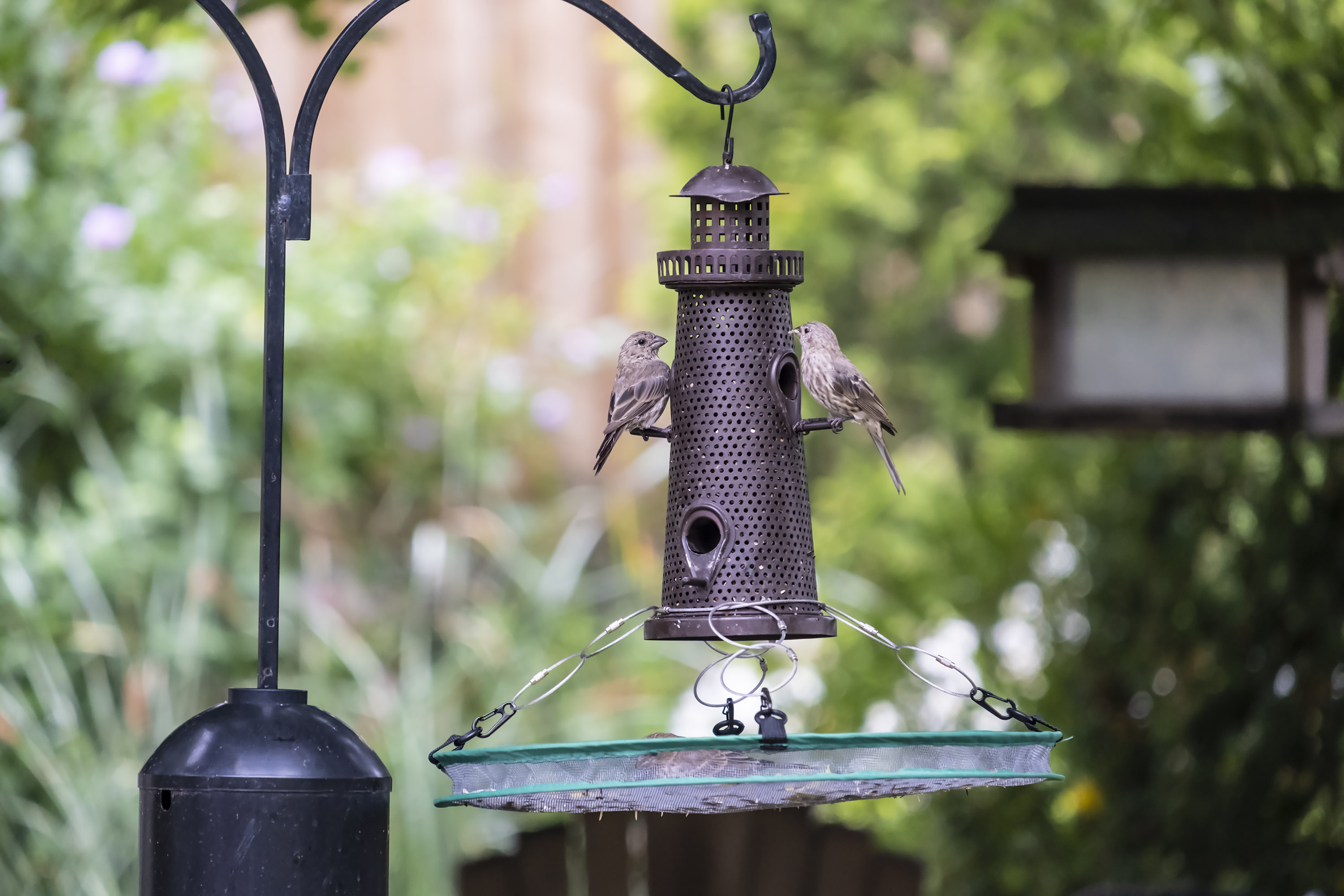
Placing a birdhouse near feeders might seem convenient, but it can be counterproductive. Feeders can become busy with birds flitting in and out, causing stress for nesting birds. Instead, find a quieter spot to ensure nesting birds feel safe and secure.Crowded Areas
Birds need personal space. Hanging a birdhouse in crowded areas with lots of trees, shrubs, or other birdhouses can lead to territorial disputes. Keep birdhouses spaced apart to minimize conflict and give birds room to thrive.High Human Traffic Zones
Birds prefer peace and quiet, just like you might after a long day. Avoid placing birdhouses in places where there’s a lot of human movement, like near patios or walkways. Choose a more secluded spot in your yard to give birds a peaceful nesting environment. Consider these factors to create a welcoming space for your feathered friends. Where will you hang your birdhouse to ensure the birds feel at home?
Credit: happygardens.com
Enhancing Bird House Appeal
Enhancing the appeal of a bird house makes it more inviting for birds. Small details can attract different bird species. A well-designed bird house blends with nature and feels safe. Consider simple ways to improve its look and function.
Using Natural Materials
Choose wood or bark for a natural look. Natural materials blend into outdoor spaces better. Avoid painted or treated wood that can harm birds. Rough surfaces help birds grip and feel secure. Using natural elements makes the bird house cozy and safe.
Adding Perches And Landing Spots
Birds need places to land before entering the house. Attach small wooden dowels or branches near the entrance. Perches help birds rest and watch for predators. Use smooth but sturdy materials for comfort. Landing spots increase the chances birds will use the house.
Seasonal Placement Adjustments
Adjusting the placement of bird houses based on the season is crucial. Birds’ needs change with the weather. To support them, consider moving their homes. This ensures they have the best environment year-round.
Winter Vs. Breeding Season
Birds face harsh conditions in winter. They need shelter from cold winds. Position bird houses away from prevailing winds. Choose spots with natural windbreaks like trees or bushes. During the breeding season, birds seek privacy and safety. Place bird houses in secluded areas. This keeps them away from predators and disturbances.
Relocating Bird Houses
Relocating bird houses helps adapt to seasonal changes. In winter, move houses closer to food sources. This reduces the distance birds travel for food. During breeding season, position houses where there is plenty of space. Ensure they are not too close to each other. This provides ample space for fledglings to learn to fly.
Credit: dengarden.com
Frequently Asked Questions
Where Is The Best Height To Hang A Bird House?
The ideal height is 5 to 10 feet above the ground. This keeps birds safe from predators and easy to observe. Different bird species prefer different heights, so research your local birds for best results.
Should A Bird House Face A Specific Direction?
Yes, facing the entrance away from prevailing winds helps protect birds. Usually, east or southeast directions are best. This placement avoids harsh weather and provides morning sunlight, which warms the nest.
Can I Hang A Bird House On A Tree Branch?
Yes, but ensure the branch is sturdy and stable. Avoid placing it too low to prevent predators. Use strong, safe fasteners that don’t damage the tree.
How Far Should Bird Houses Be Spaced Apart?
Space bird houses at least 10 to 20 feet apart. This reduces territorial disputes and encourages more birds to nest. Proper spacing helps maintain a healthy bird population.
Conclusion
Choosing the right spot to hang your birdhouse helps birds feel safe. Place it where they can easily find food and water nearby. Avoid busy or noisy areas to keep birds calm. Sunlight and shade balance makes the home comfortable.
A well-placed birdhouse invites more birds to visit your yard. Enjoy watching their lively visits and sweet songs. Small changes make a big difference for bird friends. Give nature a cozy space right outside your window.




