
Choosing the best material for your bird bath can make all the difference in attracting birds to your garden. You want something durable, safe, and easy to clean.
But with so many options out there, how do you pick the right one? This guide will help you understand the pros and cons of different materials, so you can make a choice that keeps your feathered friends happy and your outdoor space beautiful.
Keep reading to discover which bird bath material suits your needs perfectly.
Popular Bird Bath Materials
Choosing the right material for your bird bath affects not only its look but also its durability and how inviting it is for birds. Each material offers unique benefits and challenges, depending on your climate, garden style, and maintenance preferences. Understanding these options helps you pick a bird bath that fits your outdoor space perfectly.
Concrete Options
Concrete bird baths are sturdy and long-lasting. They often come in classic designs that blend well with natural garden settings. However, they can be heavy and may crack in freezing temperatures, so consider your local climate before choosing concrete.
Ceramic Choices
Ceramic bird baths add a splash of color and artistic flair to your garden. They are usually glazed, which helps resist water absorption and makes cleaning easier. Keep in mind, ceramic can chip or break if knocked over or exposed to harsh weather.
Metal Varieties
Metal bird baths, such as those made from copper or steel, offer a modern and sleek look. Copper develops a beautiful patina over time, adding character to your garden. These baths heat up quickly in the sun, so placing them in shaded areas can keep the water cooler for birds.
Glass Designs
Glass bird baths create a stunning visual effect with their reflective surfaces. They are often handmade and can be quite eye-catching. Yet, glass is fragile and may not withstand rough weather or active wildlife, requiring careful placement and handling.
Plastic Models
Plastic bird baths are lightweight, affordable, and easy to move around. They come in many styles and colors, fitting various budgets and tastes. Although less durable, they resist cracking and are simple to clean, making them a practical choice for beginners.
Stone Alternatives
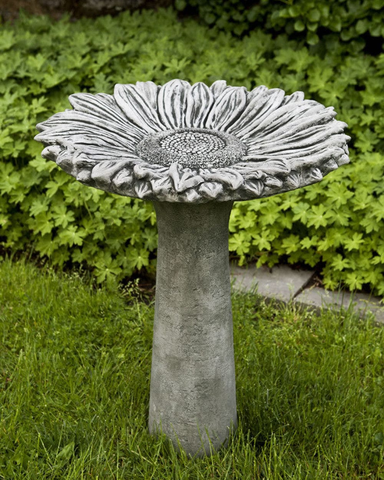
Natural stone bird baths bring an earthy, timeless appeal to your garden. They are highly durable and weather-resistant, often requiring little maintenance. Think about their weight and cost, as stone can be expensive and difficult to relocate once set.
Credit: www.outdoorartpros.com
Durability Factors To Consider
Choosing the best material for a bird bath means thinking about how long it will last. Durability is key. It ensures your bird bath stays beautiful and functional through seasons. Different materials handle wear and tear differently. Consider how each one stands up to weather, maintenance, weight, and damage.
Weather Resistance
Bird baths face rain, sun, wind, and freezing temperatures. Materials like stone and metal resist weather well. Plastic may fade or crack under strong sun. Ceramic can break if frozen water expands inside. Look for materials that stay strong and don’t lose color or shape over time.
Maintenance Needs
Some materials need more care than others. Stone and concrete require occasional cleaning to avoid algae. Metal may need rust protection. Plastic is easy to clean but can become brittle. Choose materials that fit your willingness to clean and maintain regularly.
Weight And Stability
A heavy bird bath stays stable in wind and avoids tipping. Concrete and stone are heavy and steady. Lightweight plastic may blow over or spill water. Consider where you place your bird bath and how stable it must be for safety.
Resistance To Cracks And Chips
Bird baths can crack or chip from impacts or weather changes. Concrete and metal usually resist cracks well. Ceramic is beautiful but fragile. Plastic can dent but rarely cracks. Pick a material that handles bumps and cold without damage.
Pros And Cons Of Each Material
Choosing the right material for a bird bath affects its look, durability, and ease of care. Each material offers unique benefits and drawbacks. Understanding these helps pick the best fit for your garden and local birds. Here is a clear look at the pros and cons of popular bird bath materials.
Advantages Of Concrete
- Very sturdy and heavy, so it stays in place during wind.
- Provides good insulation, keeping water cooler in summer.
- Can be molded into many shapes and designs.
- Affordable and widely available.
- Lasts for many years with proper care.
Drawbacks Of Ceramic
- Fragile and prone to cracking or chipping.
- Can be heavy and hard to move.
- May fade or lose glaze over time.
- Not ideal for freezing climates.
- Needs gentle cleaning to avoid damage.
Benefits Of Metal
- Lightweight and easy to relocate.
- Modern and sleek appearance.
- Resistant to breakage from falls.
- Often treated to resist rust and corrosion.
- Heats up quickly, which may attract birds in cold weather.
Limitations Of Glass
- Very fragile and breaks easily.
- Can become dangerously hot in direct sun.
- Requires frequent cleaning to stay clear and attractive.
- Not suitable for windy or harsh outdoor conditions.
- Usually more expensive than other materials.
Plastic Strengths And Weaknesses
- Lightweight and easy to handle.
- Affordable and widely available.
- Variety of colors and styles.
- Can fade or crack over time from sun exposure.
- Less durable, especially in cold weather.
Stone Durability Insights
- Extremely durable and long-lasting.
- Natural look blends well with garden settings.
- Heavy, which keeps it stable against wind.
- Can be expensive and difficult to move.
- May require sealing to prevent moss and stains.

Credit: www.youtube.com
Material Impact On Bird Safety
Choosing the right material for a bird bath goes beyond aesthetics. The surface directly affects the safety and comfort of visiting birds. Understanding how different materials impact birds can help you create a welcoming and secure environment.
Non-toxic Surfaces
Birds are sensitive to chemicals and harmful substances. Materials like untreated ceramic, natural stone, and food-safe metals provide safe, non-toxic surfaces. Avoid bird baths with paints or glazes that contain lead or heavy metals, as these can poison birds even in small amounts.
Think about your own backyard bird bath. Have you ever noticed a bird avoiding it? Sometimes, the cause is a toxic or unpleasant surface they instinctively avoid.
Temperature Effects
Materials can get very hot or cold, affecting birds’ comfort and safety. Metal bird baths heat up quickly under the sun, which can be dangerous for delicate bird feet. Conversely, plastic may become brittle and crack in freezing temperatures, posing injury risks.
Natural stone and thick ceramic maintain more stable temperatures, offering birds a safer spot to bathe and drink throughout the year. What material do you think would best protect birds during a hot summer afternoon?
Slip Resistance
Birds need a stable footing to land, splash, and drink safely. Smooth materials like polished metal or glazed ceramic can be slippery when wet, increasing the risk of falls. Materials with a textured or rough surface provide better grip.
Adding small, natural stones or a rough finish inside the bath can enhance slip resistance. Have you tried placing stones in your bird bath to see if birds feel more secure? It might encourage more frequent visits.
Maintenance Tips For Longevity
Proper care helps your bird bath last longer and stay attractive. Regular maintenance keeps the water clean and safe for birds. It also protects the material from damage and weather effects.
Cleaning Techniques
Clean your bird bath weekly to avoid algae and dirt build-up. Use a soft brush or sponge with mild soap. Rinse thoroughly to remove soap residue. Avoid harsh chemicals that can harm birds. For stubborn stains, a mixture of water and white vinegar works well.
Seasonal Care
Empty and dry the bird bath before freezing temperatures. Store it indoors or cover it with a waterproof tarp. Remove leaves and debris regularly during fall. In hot weather, refill often to keep water fresh. Seasonal care prevents cracks and fading.
Preventing Damage
Place the bird bath on a stable, level surface to avoid tipping. Avoid placing it under trees to reduce debris. Use a sealant on porous materials like stone or concrete. Check for cracks and chips regularly. Repair small damages quickly to prevent worsening.
:strip_icc()/bhg-good-directions-copper-basin-brandi-fuller-08-fbdc5003e7e74af1b3976620fd530c5a.jpeg)
Credit: www.bhg.com
Choosing The Right Material For Your Climate
Materials like stone and ceramic hold up well in cold climates, resisting cracks and frost. In warmer areas, lightweight materials such as metal or plastic work best to avoid heat damage. Choosing a durable material helps keep your bird bath safe for birds year-round.
Choosing the right material for your bird bath depends on your climate. Each climate presents unique challenges for bird bath materials. Selecting the right one ensures longevity and functionality.Hot Weather Considerations
In hot climates, materials need to withstand intense sun. Concrete and stone are excellent choices. They absorb heat slowly, keeping water cooler for birds. Avoid metal; it heats up quickly, making the water too warm. Clay and ceramic also work well, offering natural cooling properties.Cold Weather Challenges
Cold climates demand materials that resist cracking. Concrete bird baths perform well due to their durability. Stone is another robust option, withstanding freezing temperatures. Plastic bird baths are lightweight and resist ice damage. Avoid ceramic and glass; they can crack in freezing weather.Humid Environment Tips
In humid areas, mold and algae can grow fast. Opt for smooth materials like glazed ceramic or plastic. These surfaces are easy to clean, reducing algae buildup. Metal bird baths with rust-resistant coatings work well too. Ensure materials don’t trap moisture, preventing mold growth.Budget And Aesthetic Considerations
Choosing the right material for a bird bath involves balancing your budget with your aesthetic preferences. You want a bird bath that looks great in your garden and doesn’t break the bank. By considering different materials, you can find a bird bath that is both cost-effective and visually appealing.
Cost Comparisons
When evaluating costs, some materials are more budget-friendly than others. Concrete bird baths are typically affordable and durable, making them a popular choice for many. On the other hand, materials like copper or stone can be pricier, offering a luxurious look but at a higher cost. Consider how much you are willing to spend and whether the material’s benefits justify the price.
Style And Design Options
Different materials offer various design possibilities. Ceramic bird baths come in vibrant colors and intricate patterns, adding a splash of personality to your garden. Metal options like brass or copper bring a sleek, modern touch. Meanwhile, stone or concrete can provide a rustic charm that blends naturally with the outdoors.
Matching Your Garden Theme
Think about how the bird bath will fit into your existing garden theme. If you have a classic English garden, a stone or ceramic bird bath might complement it beautifully. For a minimalist or modern landscape, metal options could enhance the space without overwhelming it. What story do you want your garden to tell, and how can your bird bath contribute to that narrative?
Finding the perfect bird bath is not just about utility; it’s about creating harmony in your outdoor space. What material will help you achieve the look you envision?
Frequently Asked Questions
What Materials Are Best For Bird Baths?
Concrete, ceramic, metal, and stone are top choices. Concrete is durable and heavy. Ceramic offers decorative appeal. Metal, like copper, adds elegance but may heat up. Stone is natural and sturdy. Each suits different climates and bird species.
Are Plastic Bird Baths Safe For Birds?
Plastic baths are lightweight and affordable. However, they may degrade in sun and crack. Some plastics can leach harmful chemicals. Choose BPA-free, UV-resistant plastic for safety. Regular cleaning prevents algae and bacteria buildup.
How Does Material Affect Bird Bath Maintenance?
Porous materials like concrete and stone need frequent cleaning. Metal and ceramic are easier to clean but can be fragile. Plastic requires less upkeep but may wear out faster. Choose material based on your cleaning routine and weather conditions.
Which Bird Bath Material Is Best For Cold Climates?
Concrete and stone withstand freezing temperatures well. Ceramic may crack in frost. Metal can become very cold, deterring birds. Insulated or heated baths work better in freezing areas. Consider durability and bird comfort when selecting materials.
Conclusion
Choosing the right material for a bird bath helps keep birds safe and happy. Stone and ceramic offer durability and a natural look. Plastic is light and easy to move but less sturdy. Metal can heat up quickly, so use with care.
Think about your climate and how much work you want. A good bird bath attracts more birds to your yard. Small details make a big difference. Enjoy watching birds splash and play every day.




