
Have you ever wondered what makes a Tropic Bird so special? These striking birds are not just beautiful to look at—they have fascinating habits and unique features that set them apart.
If you want to discover what makes a Tropic Bird different from any other bird you’ve seen, this article is for you. By the time you finish reading, you’ll see these birds in a whole new light and maybe even feel inspired to spot one yourself.
Ready to dive in? Let’s explore what a Tropic Bird really is.
Credit: pacificrimconservation.org
Tropic Bird Basics
Tropic birds are remarkable creatures that often capture the attention of bird watchers and nature lovers alike. These seabirds are known for their striking appearance and unique behaviors. Understanding the basics about tropic birds can deepen your appreciation for these fascinating animals and their role in marine ecosystems.
Physical Features
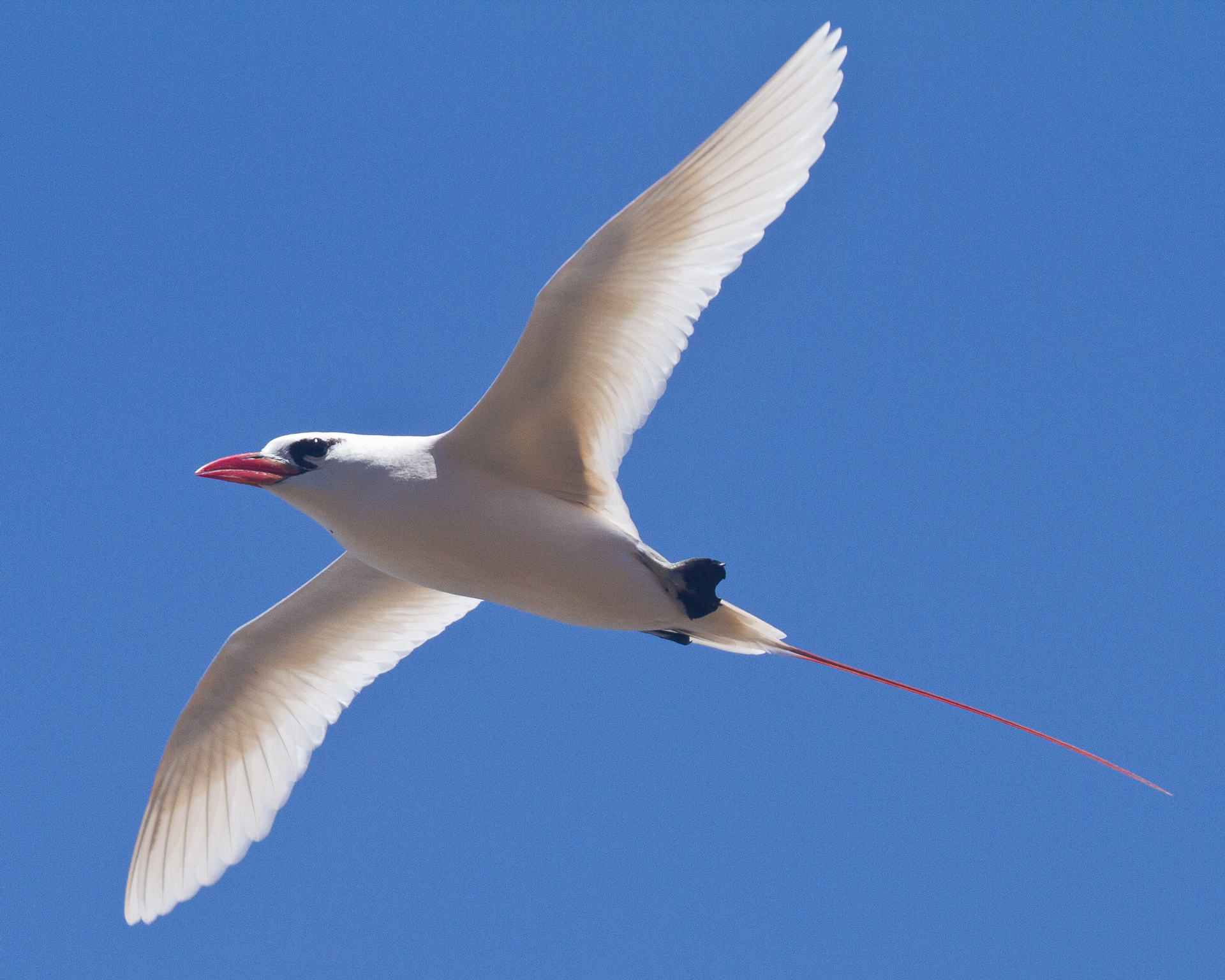
Tropic birds stand out with their long, slender tail feathers that can extend far beyond their body length. Their bodies are mostly white, often with black markings on their wings and around their eyes, creating a sharp contrast. Bright red or orange beaks and feet add to their vivid appearance, making them easy to spot against the blue ocean backdrop.
Have you ever noticed how their wings are designed for gliding? These birds have long, narrow wings that help them soar effortlessly over the sea, saving energy during long flights. Their streamlined shape is perfect for diving into the water to catch fish.
Species Varieties
There are three main species of tropic birds, each with its own unique traits:
- Red-billed Tropic Bird: Known for its bright red beak and tail feathers, it is found mainly in the Atlantic Ocean and Caribbean Sea.
- White-tailed Tropic Bird: This species sports pure white feathers and black wing markings, often seen across the Indian and Pacific Oceans.
- Red-tailed Tropic Bird: Characterized by vivid red tail feathers, it commonly inhabits tropical regions of the Pacific Ocean.
Each species adapts to its environment in subtle ways. Have you thought about how these differences might affect their survival and behavior? Observing these variations can teach you a lot about evolution and habitat specialization in seabirds.
Credit: pacificrimconservation.org
Habitat And Range
Tropic birds are known for their striking appearance and unique flight. Understanding their habitat and range helps us learn how they live and thrive. These birds prefer specific environments that support their lifestyle and feeding habits. Their global distribution covers many tropical oceans and islands where conditions suit their needs.
Preferred Environments
Tropic birds usually live near warm ocean waters. They prefer open seas and coastal cliffs for nesting. These birds build nests on rocky islands or steep cliffs. They avoid dense forests and cold waters. Clear skies and calm seas help them hunt fish and squid. Their homes are often isolated, reducing threats from predators.
Global Distribution
Tropic birds are found mostly in tropical and subtropical oceans. They live around the Atlantic, Pacific, and Indian Oceans. Many species nest in the Caribbean, Hawaii, and parts of Australia. Some travel long distances across open water. Their range includes remote islands where few other birds live. This wide distribution helps them find food and safe breeding sites.
Feeding Habits
Tropic birds have unique feeding habits that are key to their survival in the open ocean. Understanding what they eat and how they catch their food can give you a closer look at their daily life. Their feeding strategies are adapted to the vastness and challenges of the marine environment.
Diet And Hunting Techniques
Tropic birds mainly feed on fish and squid. Their diet includes flying fish, small squid, and crustaceans. They use sharp eyesight to spot prey from high above the water.
Once they find a target, they dive steeply into the sea to catch it. Unlike some seabirds that swim underwater, tropic birds grab their prey right below the surface. This quick and precise hunting method helps them avoid predators and conserve energy.
Foraging Behavior
Tropic birds often forage alone or in small groups. You might be surprised that they don’t follow large schools of fish like other seabirds. Instead, they rely on their own keen vision and memory of feeding spots.
They can travel long distances over open water, sometimes hundreds of miles, in search of food. Their ability to stay airborne for hours without rest is impressive and crucial for reaching remote feeding grounds.
Have you ever noticed how they glide smoothly with minimal wing flapping? This energy-saving technique allows them to cover more ground while looking for food. Watching their graceful flight might make you rethink how you approach your own endurance challenges.
Breeding And Nesting
Understanding the breeding and nesting habits of tropic birds reveals fascinating details about their life cycle and survival strategies. These seabirds display unique behaviors during mating, carefully select nesting sites, and dedicate significant effort to raising their chicks. Observing these patterns can deepen your appreciation for how nature shapes the lives of these elegant birds.
Mating Rituals
Tropic birds engage in elaborate mating displays to attract partners. They perform graceful aerial dances and show off their bright plumage to catch attention. These rituals strengthen pair bonds, which are crucial since many tropic birds are monogamous for a breeding season.
Have you ever noticed how persistence plays a role in courtship? Male tropic birds often call loudly and repeatedly, demonstrating fitness and commitment to potential mates.
Nest Construction
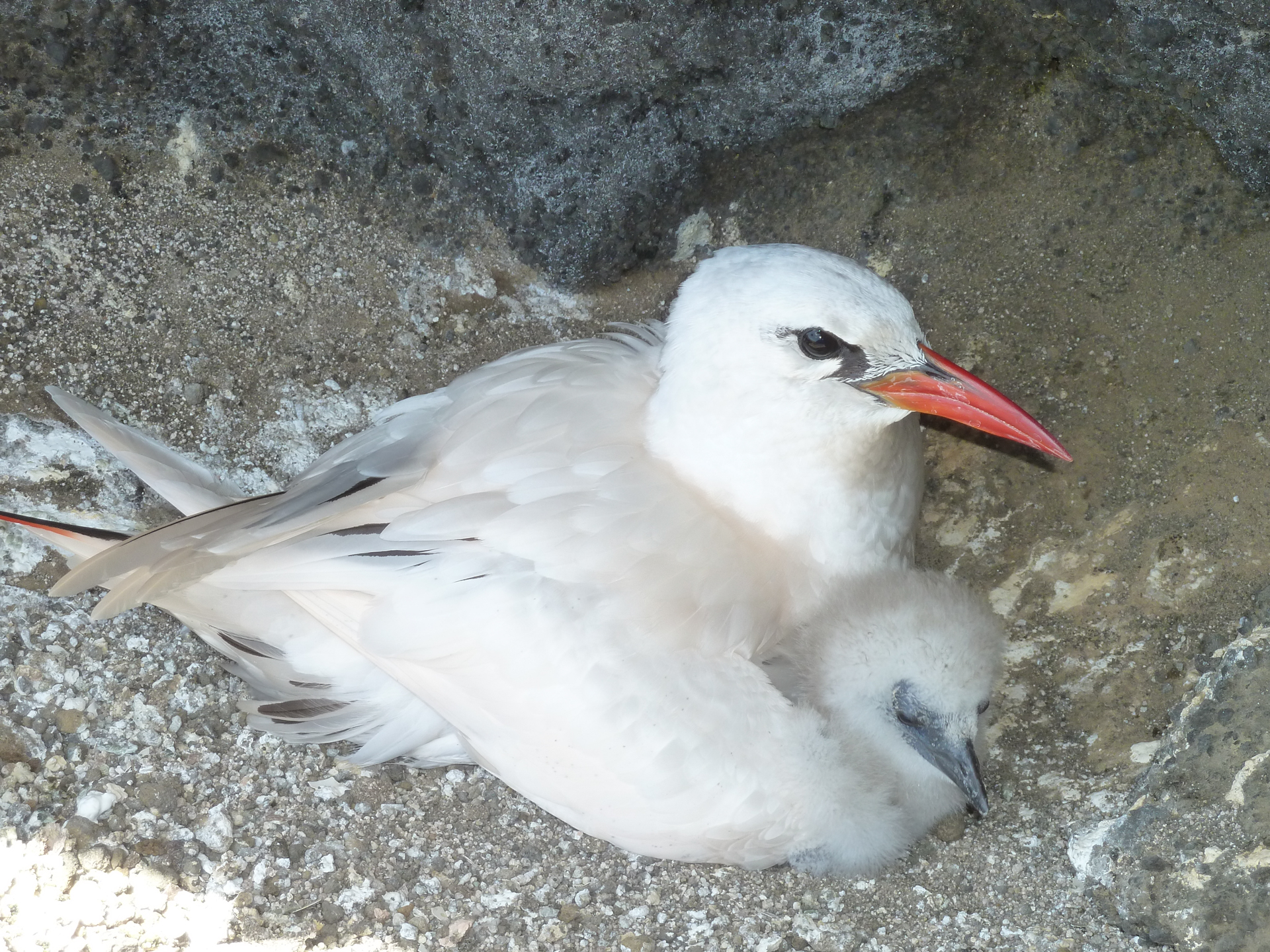
Unlike many birds, tropic birds do not build traditional nests. Instead, they lay their single egg on bare ground or rocky ledges, relying on remote, predator-free islands for safety. This minimalistic approach reduces the time and energy spent on nest building.
Choosing the right nesting spot is vital. These birds often prefer cliff edges or isolated spots that offer protection from predators and harsh weather. This strategy highlights how your surroundings can influence reproductive success.
Chick Development
Once the egg hatches, both parents share the responsibility of feeding and protecting the chick. The chick grows slowly but steadily, developing waterproof feathers before it takes its first flight. During this period, the chick is vulnerable, relying entirely on parental care.
Watching a tropic bird chick learn to fly can teach you about patience and gradual progress. Do you think this slow development impacts their survival rates compared to other seabirds?
Flight And Movement
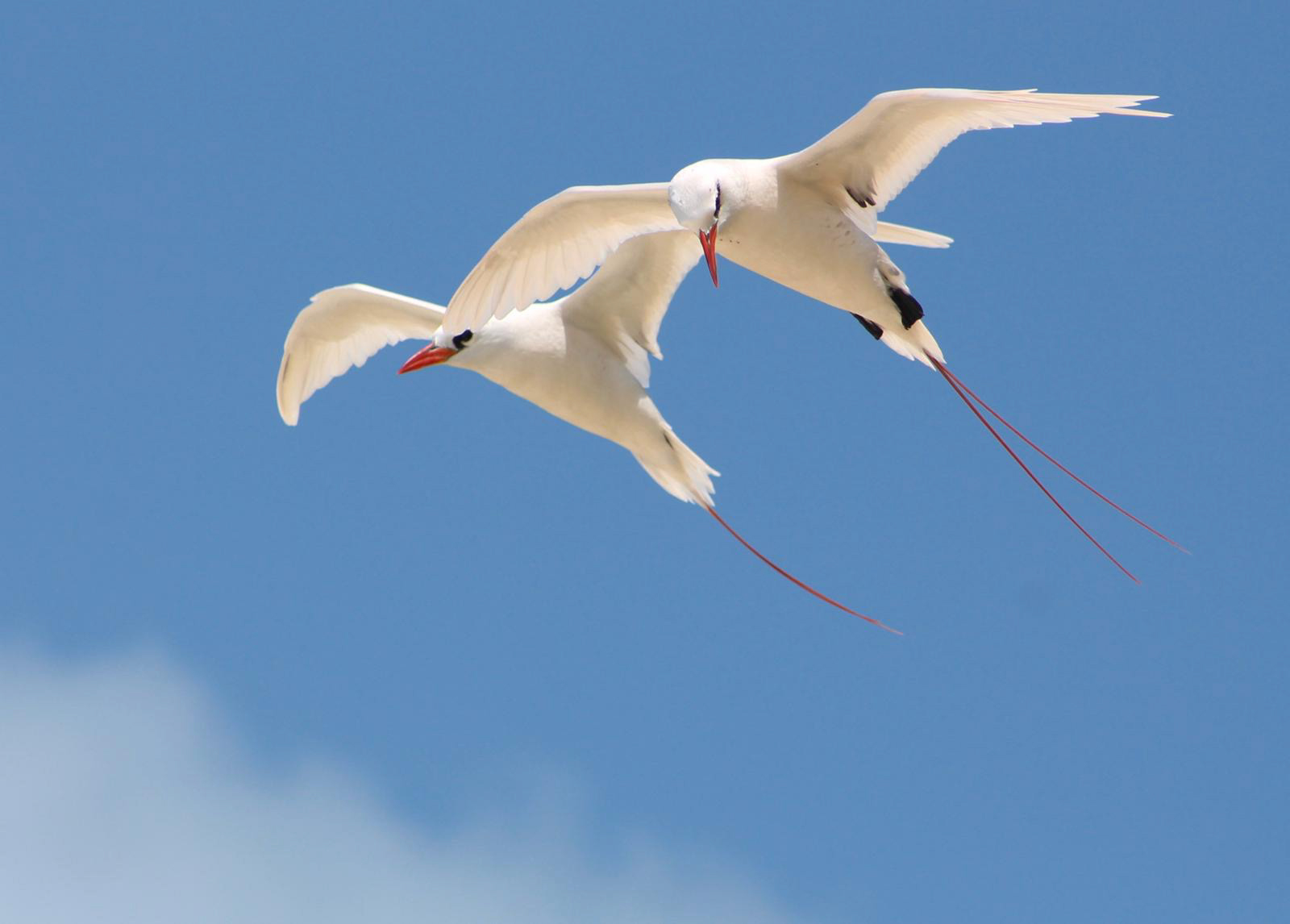
Tropic birds display unique flight and movement patterns that make them fascinating to watch. Their wings are long and slender, built for agile flying over open oceans. These birds glide smoothly, using wind currents to save energy. Their flight is both graceful and purposeful, suited for catching fish and traveling long distances.
Flight Patterns
Tropic birds often soar high above the sea, scanning for prey. They use steady wing beats mixed with glides. These birds can hover briefly before diving sharply into the water. Their flight is fast and direct, rarely wasted on unnecessary moves. During calm weather, they ride air currents, covering large areas with little effort.
Migration Routes
Tropic birds travel vast distances across oceans during migration. They follow specific routes to reach breeding and feeding grounds. These paths often cross the equator, linking tropical and subtropical regions. Birds use natural landmarks and wind patterns to navigate. Migration timing aligns with food availability and weather changes.
Credit: pacificrimconservation.org
Adaptations For Survival
Tropic birds are fascinating creatures. They thrive in diverse environments. This success stems from their unique adaptations for survival. These birds have evolved impressive traits. Such traits help them blend in and stay safe.
Camouflage And Defense
Tropic birds possess incredible camouflage abilities. Their plumage often matches their surroundings. This helps them avoid predators. Their white feathers blend with the sky. This makes them hard to spot from below. They also have sharp calls. These calls can warn others of nearby threats.
Specialized Body Features
The body of a tropic bird is built for survival. Their long tail feathers aid in flight control. This makes them agile fliers. Their beaks are strong and sharp. This allows them to catch fish with ease. Their feet are webbed. This is perfect for swimming and diving.
Tropic Bird And Human Interaction
The interaction between tropic birds and humans is both fascinating and complex. These elegant sea birds, known for their long tail feathers and striking white plumage, have captured human imagination for centuries. As they glide above the ocean waters, they not only enrich the natural world but also play a subtle yet significant role in human culture and conservation efforts.
Cultural Significance
Tropic birds hold a special place in the cultural narratives of many coastal communities. In some Pacific islands, they are seen as symbols of freedom and navigation, revered for their ability to travel vast distances across open waters. You might find them featured in local art, folklore, and even tattoos, representing the spirit of the sea.
In literature and poetry, their graceful flight often evokes themes of escape and beauty. Have you ever read a story where a bird’s flight inspired a character to chase their dreams? That’s the magic of the tropic bird in human storytelling—an enduring symbol of aspiration and adventure.
Conservation Efforts
The survival of tropic birds is intricately linked to human actions. Despite their remote habitats, these birds face threats from pollution, habitat destruction, and climate change. Conservationists are working tirelessly to protect their nesting sites and ensure safe migratory paths.
Efforts include establishing marine protected areas and conducting research to understand their migratory patterns better. You can contribute by supporting organizations focused on marine conservation or by participating in local beach clean-ups. Imagine if each of us took a small step, how much we could achieve together for these magnificent birds.
Fascinating Tropic Bird Facts
Tropic birds are more than just stunning creatures soaring over tropical oceans. They carry fascinating traits that set them apart in the bird world. Understanding these facts can change how you see these elegant flyers during your next beach visit or ocean voyage.
Unique Behaviors
Tropic birds have a few behaviors that might surprise you. They perform aerial displays that look like acrobatics, twisting and diving to attract mates. This showiness isn’t just for fun—it’s a critical part of their breeding success.
Another interesting habit is their nesting choice. Instead of building nests in trees, they often lay eggs on bare cliffs or rocky ledges. This exposes their eggs to elements, but the birds have adapted to protect their young fiercely.
Have you ever wondered how these birds manage long flights over open water? They can sleep while gliding, using one half of their brain at a time. This unique ability helps them stay alert to predators and navigate vast ocean spaces.
Record Holders
| Record | Tropic Bird Species | Details |
|---|---|---|
| Longest Tail Feathers | Red-billed Tropic Bird | Can have tail feathers up to 2 feet long, longer than their body length. |
| Deepest Dive | White-tailed Tropic Bird | Dives up to 20 meters (65 feet) to catch fish underwater. |
| Fastest Flight | Red-tailed Tropic Bird | Reaches speeds up to 80 km/h (50 mph) during flight displays. |
Knowing these records makes you appreciate just how specialized tropic birds are. Their physical traits and skills are finely tuned for survival in their oceanic homes. Next time you see a tropic bird, think about the incredible feats it can perform.
Frequently Asked Questions
What Is A Tropic Bird’s Natural Habitat?
Tropic Birds live mainly in tropical oceans worldwide. They prefer remote islands and coral reefs. These birds thrive in warm, coastal environments with ample nesting spots.
How Do Tropic Birds Look And Identify?
Tropic Birds have slender bodies with long tail feathers. They are mostly white with black markings. Their bright red beaks and feet make them easy to spot.
What Do Tropic Birds Eat For Survival?
Tropic Birds primarily eat fish and squid. They catch prey by diving into the ocean. Their diet depends on the availability of marine life.
How Do Tropic Birds Reproduce And Nest?
Tropic Birds nest on cliffs or rocky islands. They lay one egg per breeding season. Both parents share incubation and feeding duties equally.
Conclusion
Tropic birds are unique creatures of the sea and sky. They live near tropical oceans and have long, colorful tail feathers. These birds are great flyers and skilled fish catchers. Their beauty and habits make them interesting to watch. Learning about tropic birds helps us appreciate nature’s variety.
They remind us to protect ocean homes and wildlife. Watching a tropic bird soar feels like seeing freedom itself. Simple wonders like these make the world special.




