
Have you ever wondered why some bird feeders are buzzing with colorful visitors while others sit empty? If you want to turn your backyard into a lively bird hotspot, understanding what attracts birds to feeders is the key.
Imagine watching a variety of birds fluttering around your feeder every day—it’s not just luck. You’ll discover simple secrets that can make your feeder irresistible to birds. Keep reading to learn how to invite more feathered friends to your outdoor space and enjoy nature up close like never before.
Credit: www.kingsyard.com
Choosing The Right Feeder
Choosing the right feeder is key to attracting a variety of birds to your yard. The feeder you select affects not only which birds visit but also how often they come back. Understanding different types of feeders, their materials, and where to place them can make your bird-feeding experience more rewarding.
Types Of Bird Feeders
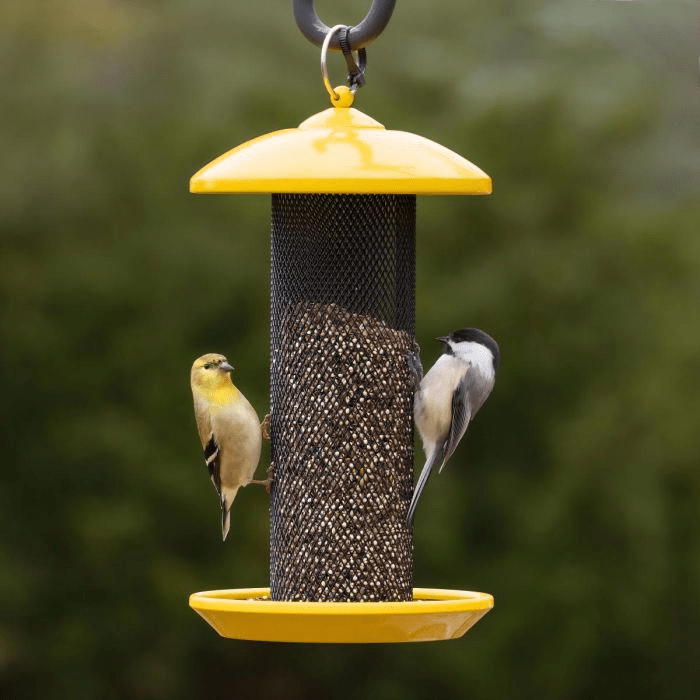
Different birds prefer different styles of feeders. Tube feeders are great for small songbirds like finches and chickadees. Platform feeders offer an open space that attracts larger birds such as cardinals and jays.
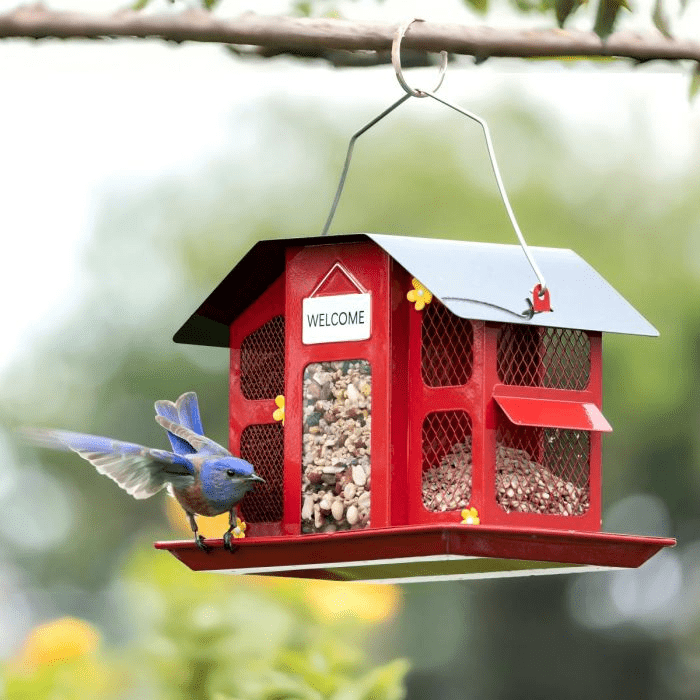
Hopper feeders combine features of tube and platform feeders, holding a good amount of seed while providing perches. Suet feeders attract woodpeckers and nuthatches, especially in colder months. Choose a feeder that matches the birds you want to invite and the type of food you plan to offer.
Material And Durability
Feeders come in various materials like plastic, metal, and wood. Metal feeders tend to last longer and resist squirrels better, but they can heat up quickly in the sun. Wooden feeders blend naturally with your garden but may require more upkeep.
Plastic feeders are lightweight and affordable but can crack or fade over time. Think about your local weather and the feeder’s durability. I once bought a plastic feeder that cracked after one winter, and switching to metal made a big difference in how long it lasted.
Placement Strategies
Where you place your feeder matters just as much as the feeder itself. Hang it near trees or shrubs to provide birds with cover and a quick escape route from predators. Avoid placing feeders too close to windows to prevent collisions.
Consider the sun’s position; birds like feeders that get morning sun but some shade during the hottest part of the day. Try moving your feeder a few feet at a time if you notice fewer visitors. Have you noticed how small changes in placement can completely change the number of birds you attract?
Selecting The Best Bird Food
Selecting the best bird food plays a key role in attracting more birds to your feeder. Birds have different tastes and preferences. Offering the right food keeps them coming back. It also helps support their health and energy. Understanding popular seed types and seasonal needs can improve your bird feeding experience.
Popular Seeds And Mixes
Black oil sunflower seeds top the list. They attract many bird species. These seeds have thin shells and high oil content. Nyjer seeds are perfect for finches. They are tiny and rich in nutrients. Millet is loved by ground-feeding birds like sparrows. Mixed seed blends offer variety. They combine sunflower, millet, cracked corn, and more. Choose mixes with fewer fillers like red millet or oats. Fillers attract fewer birds and waste food.
Seasonal Food Preferences
Bird tastes change with the seasons. In spring and summer, insects and soft fruits are common. Feeding suet or mealworms helps during these times. Autumn calls for high-fat foods. Black oil sunflower and peanuts provide energy for migration. Winter demands high-energy seeds and suet. These foods help birds stay warm. Adjusting your food types by season supports birds year-round.
Avoiding Unwanted Pests
Pests like squirrels and rats often visit feeders. Choosing certain foods can reduce their presence. Avoid large quantities of corn or bread crumbs. These attract unwanted animals. Use safflower seeds to deter squirrels. They dislike the taste but birds enjoy them. Clean feeders regularly to prevent mold and pests. Use feeders with weight-sensitive perches to limit access. Protecting your feeder keeps the focus on birds.
Creating A Bird-friendly Environment
Creating a bird-friendly environment makes your yard inviting for many bird species. Birds need more than just food to visit regularly. They look for water, shelter, and a safe place to rest. A welcoming space helps birds feel safe and comfortable. This encourages them to stay longer and visit often.
Providing Water Sources
Birds need clean water for drinking and bathing. A small birdbath or shallow dish works well. Change the water every day to keep it fresh. Moving water, like a fountain, attracts more birds. Water sources should be easy to find and safe from predators.
Planting Native Vegetation
Native plants offer natural food and shelter for birds. They attract insects that many birds eat. Plants with berries and seeds provide extra nourishment. Use a mix of trees, shrubs, and flowers. This variety creates layers for birds to explore and hide.
Safe Shelter Options
Birds need places to hide from predators and bad weather. Dense bushes and trees give good cover. Birdhouses designed for local species add safe nesting spots. Avoid using pesticides to keep the environment healthy. Safe shelter helps birds feel secure and encourages nesting.
Timing And Maintenance Tips
Timing and maintenance play a crucial role in attracting birds to your feeders. Birds are creatures of habit and respond well to consistent feeding times and clean, well-kept feeders. Neglecting these aspects can quickly turn your bird haven into an empty yard.
Feeding Schedules
Setting a regular feeding schedule helps birds recognize your feeder as a reliable food source. Early mornings and late afternoons are peak times when birds are most active and hungry. Try to stick to the same hours daily to build trust with your feathered visitors.
Have you noticed how birds return to feeders that offer food consistently? This shows how important timing is in creating a dependable food routine.
Cleaning Feeders Regularly
Dirty feeders can spread diseases and repel birds. Clean your feeders at least once every two weeks using a mild soap solution and rinse well. If you see moldy seeds or droppings, clean immediately to keep the environment healthy.
Remember, a sparkling feeder not only looks inviting but also ensures the safety of the birds coming to feed. Would you want to eat from a dirty plate? Birds feel the same way.
Monitoring Bird Activity
Pay attention to how birds use your feeders throughout the day and seasons. Are certain times quieter? Do some types of seeds attract more visitors? Adjust your feeding strategy based on these observations.
Keeping a simple journal or notes on bird activity can help you spot patterns and improve feeder placement or seed choices. How often do you check your feeders to see who’s visiting and when?
Using Additional Attractants
Using additional attractants can significantly increase the number and variety of birds visiting your feeder. These extras create a more inviting and natural environment that encourages birds to stay longer and come back often. Think about what makes a spot comfortable and appealing—not just food, but sounds, places to rest, and visual cues.
Incorporating Bird Calls
Playing bird calls near your feeder can catch the attention of nearby birds. Different species respond to their own calls or the calls of others, signaling safety or food availability. You can use a small speaker or a smartphone app to play these sounds quietly.
Try matching the calls to the types of birds you want to attract. For instance, playing chickadee calls might bring more chickadees. Have you noticed how some calls seem to draw birds closer while others keep them away? Experiment and see which sounds work best in your area.
Adding Natural Perches
Birds need places to land and rest before feeding. Adding natural perches like tree branches, bamboo sticks, or even small logs near your feeder makes it easier for birds to approach. Perches also give birds a chance to scout for predators before they eat.
I once added a few slender branches around my feeder, and within days, more species started visiting. Perches placed at different heights can attract different birds—some prefer high lookout spots, others like low perches. What kind of perches can you add that fit your garden’s natural style?
Using Color And Movement
Birds are attracted to bright colors and gentle movement. Hanging colorful ribbons, shiny objects, or rotating mobiles near feeders can catch their eye. However, avoid colors that scare birds, like too much red, which some species find threatening.
Movement mimics the natural environment and can signal food or safety. For example, a small wind chime gently swaying may draw curious birds closer. Have you tried adding subtle motion near your feeders to see how birds react?
Credit: www.kingsyard.com

Credit: happygardens.com
Frequently Asked Questions
What Types Of Food Attract Birds To Feeders?
Birds prefer seeds like sunflower, millet, and nyjer. Suet, fruit, and nectar also attract different bird species. Offering a variety increases feeder visits.
How Does Feeder Placement Affect Bird Attraction?
Place feeders near shrubs or trees for shelter. Avoid high-traffic areas to reduce disturbance. Proper placement encourages birds to visit and feed safely.
Why Is Feeder Cleanliness Important For Birds?
Clean feeders prevent mold, bacteria, and disease spread. Regular cleaning ensures healthy feeding environments. This keeps birds safe and encourages consistent visits.
What Feeder Designs Attract More Birds?
Feeders with multiple perches and feeding ports attract many birds. Transparent designs allow birds to see seeds. Sturdy, weather-resistant feeders last longer and appeal to birds.
Conclusion
Birds visit feeders for food, safety, and comfort. Fresh seeds and clean water attract many species. Placing feeders near trees offers shelter and rest. Different birds prefer different foods and feeder types. Watching birds feed brings joy and peace every day.
Keep feeders clean to help birds stay healthy. Enjoy the simple beauty of nature close to home. Feeding birds supports local wildlife and brightens your yard. A small effort brings many colorful visitors to your garden.




