
If you love watching birds flutter and sing in your yard, hanging a bird feeder is a simple way to invite them closer. But how do you make sure your feeder is in the perfect spot, safe, and easy for birds to find?
You might think it’s just about hanging it anywhere, but a few smart tips can make all the difference. Keep reading, and you’ll discover exactly how to hang a bird feeder that attracts more birds and keeps them coming back.
Your backyard could become a lively, colorful haven before you know it!

Credit: feedsnneeds.ca
Choosing The Right Feeder
Choosing the right bird feeder is key to attracting birds and keeping them safe. The perfect feeder depends on the birds you want to attract and where you plan to hang it. Think about the size, material, and type of seeds you want to offer. A well-chosen feeder makes birdwatching easier and more enjoyable.
Types Of Bird Feeders
Bird feeders come in many shapes and sizes. Tube feeders are great for small birds like finches. Hopper feeders hold a lot of seed and attract larger birds. Platform feeders offer an open space for ground-feeding birds. Suet feeders attract woodpeckers and nuthatches. Choose a feeder that suits the birds in your area.
Materials And Durability
Feeders are made from plastic, metal, or wood. Plastic feeders are lightweight and easy to clean. Metal feeders last long and resist squirrels. Wooden feeders blend well with nature but need more care. Pick a feeder that stands up to weather and animals in your garden.
Capacity And Seed Compatibility
Consider how much seed the feeder holds. Large feeders need less refilling but can attract unwanted pests. Smaller feeders require more frequent refills but stay cleaner. Match the feeder to the seed type. Tube feeders work well with small seeds like millet. Hopper feeders handle mixed seeds and sunflower seeds best.
Selecting The Ideal Location
Choosing the right spot to hang your bird feeder can make all the difference in attracting a variety of birds and keeping them safe. The location affects how often birds visit and how comfortable they feel while feeding. Let’s look at the key factors to consider when picking the perfect place for your feeder.
Safe Distance From Predators
Birds need a place where they can eat without constantly watching for danger. Keep your feeder at least 10 feet away from bushes or fences where cats and other predators might hide. Hanging it 5 feet off the ground also helps reduce risks from ground predators.
Think about your neighborhood’s common wildlife. Are there squirrels or hawks around? If yes, you might want to add baffles or choose a location that limits easy access to your feeder. Protecting your feathered visitors encourages them to come back regularly.
Visibility And Accessibility
Your feeder should be easy for you to see and refill, but also visible to birds flying by. Placing it near a window lets you enjoy birdwatching without disturbing them. Make sure there’s a clear flight path so birds can approach safely.
Accessibility is not only about your convenience. If the feeder is too close to busy walkways or noisy spots, birds might avoid it. Look for a quiet corner of your yard where you can relax and watch without interruptions.
Sunlight And Weather Considerations
Sunlight affects both the birds and the feeder itself. Morning sun helps dry dew and keeps seeds fresh longer. Position your feeder where it gets some sunlight but also shade during the hottest parts of the day to prevent spoilage.
Think about wind and rain too. A sheltered spot near a tree or porch can protect the feeder from harsh weather. Have you noticed that birds prefer feeders that feel safe from strong winds? This small detail can increase visits and keep your feeder in better shape.
Mounting Options
Choosing the right mounting option helps keep your bird feeder stable and safe. Placement affects bird visits and ease of filling. Consider the environment and feeder type before selecting a mounting style.
Using Poles And Stakes
Poles and stakes offer flexible placement in your yard or garden. Drive a sturdy pole into the ground where birds feel safe. Attach the feeder securely to the pole’s top or side. Poles with baffles keep squirrels and other pests away. This setup works well for feeders needing height and stability.
Hanging From Trees
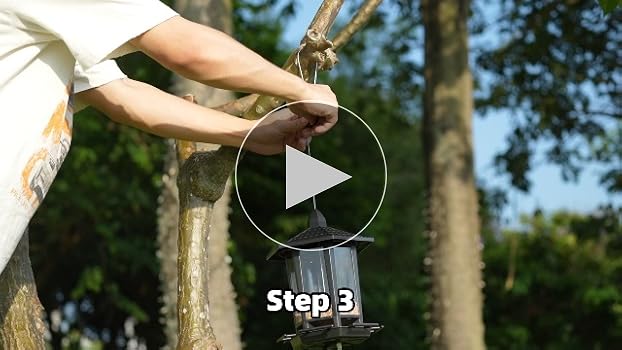
Hanging from trees creates a natural look and provides shade for birds. Use strong, weatherproof string or wire to hang the feeder. Choose a branch that supports the feeder’s weight and is away from predators. Keep the feeder at least five feet above the ground for safety. Trees also offer perches for birds to rest before feeding.
Attaching To Structures
Structures like decks, porches, or fences make great mounting spots. Use hooks, brackets, or screws designed for outdoor use. Attach the feeder where it is easy to refill and clean. Structures offer protection from wind and rain. This option suits small spaces and urban gardens.
Credit: www.amazon.com
Step-by-step Hanging Process
Hanging a bird feeder might seem simple, but doing it right makes a huge difference for the birds and your enjoyment. The process involves a few clear actions that ensure safety and ease of access for the birds. Here’s a straightforward guide to help you hang your feeder perfectly.
Gathering Tools And Materials
Start by collecting everything you’ll need to hang the feeder securely. You’ll typically require:
- A sturdy bird feeder suitable for your local birds
- Strong hanging hardware like hooks, cables, or chains
- A ladder or step stool for reaching higher spots
- Basic tools such as a drill, screwdriver, or pliers
- Optional: squirrel baffle or protective covers
Having these ready saves time and prevents last-minute trips. Do you already have a favorite spot in mind? Knowing that helps you pick the right tools.
Preparing The Feeder
Before hanging, clean your feeder thoroughly. This helps prevent mold and keeps birds healthy. Use warm, soapy water and a brush to scrub all parts.
Check for damages like cracks or loose parts. Fix anything that might cause the feeder to break or spill seeds.
Fill the feeder with fresh birdseed appropriate for the species you want to attract. Overfilling can cause waste, so add just enough to start.
Securing The Feeder Properly
Choose a spot that offers birds protection from predators and weather. Hanging near shrubs or trees provides shelter but avoid placing it too close to prevent squirrels from jumping on it.
Attach your feeder securely using the hardware gathered. Make sure the hook or branch can hold the feeder’s weight, especially when full.
Test the stability by gently shaking the feeder. If it moves too much, adjust the hanging method or location.
Have you noticed how a stable feeder attracts more birds and keeps seed waste low? That’s the payoff of proper securing.
Maintenance Tips
Maintaining a bird feeder keeps birds healthy and happy. Clean feeders stop mold and bacteria from growing. Fresh seed attracts more birds and prevents waste. Protecting the feeder from squirrels saves food and reduces damage. Follow these simple tips to keep your bird feeder in great shape.
Regular Cleaning
Clean the bird feeder every two weeks. Use warm water and mild soap. Rinse well to remove all soap. Let it dry completely before refilling. This prevents diseases among birds. Remove old seed and debris first. Avoid harsh chemicals that can harm birds.
Refilling Seed
Check the seed level daily. Fill the feeder before it runs out. Use fresh, dry seed only. Store seed in a cool, dry place. Avoid damp or moldy seed. Different birds prefer different seeds. Choose the right seed for your local birds.
Preventing Squirrel Access
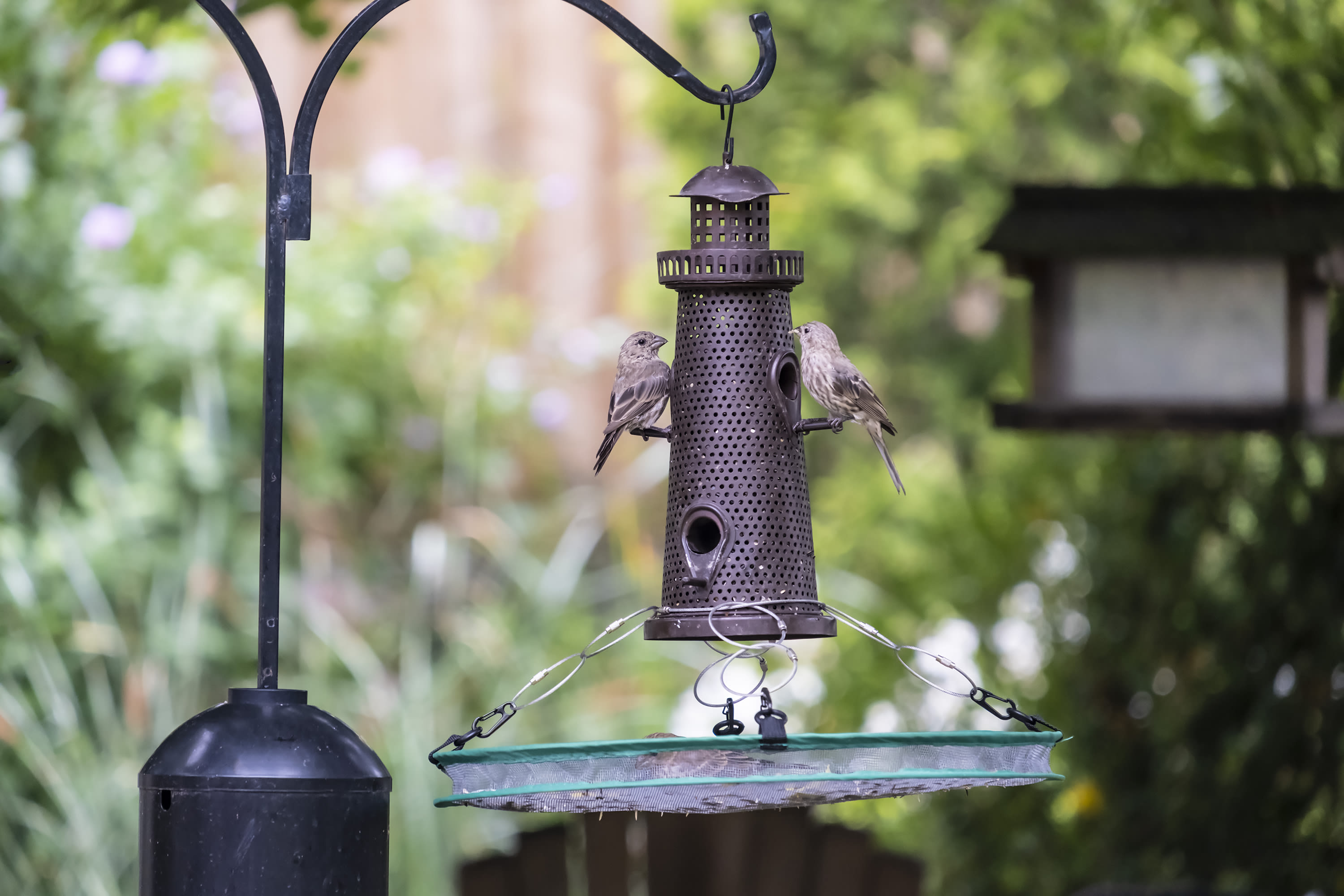
Use squirrel baffles on poles or hangers. Place feeders away from trees or fences. Use feeders with weight-sensitive perches. These close when heavy animals land. Try spicy seed mixes safe for birds but not squirrels. Regularly check for damage caused by squirrels.
Credit: dengarden.com
Frequently Asked Questions
How High Should I Hang A Bird Feeder?
Hang your bird feeder 5 to 6 feet above the ground. This height keeps birds safe from predators. It also makes refilling easier and viewing more comfortable.
What Is The Best Location For A Bird Feeder?
Place the feeder near natural cover like trees or shrubs. This provides birds shelter and a quick escape from predators. Avoid busy or noisy areas to attract more birds.
How Do I Hang A Bird Feeder Safely?
Use sturdy hooks or brackets to hang the feeder securely. Ensure the feeder is stable and won’t sway in the wind. Regularly check for wear to prevent falls.
Can I Hang A Bird Feeder From A Tree Branch?
Yes, but choose a strong branch that can support the feeder’s weight. Avoid branches near predators’ perches. Use a squirrel baffle to protect the feeder if needed.
Conclusion
Hanging a bird feeder is simple and fun. Choose a safe, easy spot outside. Use strong hooks or cords to hang it well. Keep the feeder clean and filled with fresh seeds. Watch birds visit and enjoy nature at home.
Small efforts bring big joy to your garden. Start today and see colorful birds every day.




