
Do you want to turn your backyard into a lively bird paradise? Attracting birds to your feeders is easier than you think, and it brings endless joy right outside your window.
Imagine watching colorful feathers fluttering and hearing cheerful bird songs every day. You’ll discover simple, effective tips that anyone can use to invite more birds to their feeders. Keep reading to learn how you can create a welcoming space that birds won’t resist.
Choose The Right Feeders
Choosing the right feeders can make a huge difference in attracting birds to your yard. Different birds prefer different styles and setups, so selecting feeders that match your local bird species is key. A well-chosen feeder not only draws more birds but also keeps them safe and comfortable while they eat.
Types Of Bird Feeders
There are many types of bird feeders, each designed for specific kinds of food and birds. Tube feeders are great for small songbirds like finches and chickadees, while platform feeders attract a wider range of birds, including cardinals and jays.
Hopper feeders hold a larger amount of seed and protect it from rain, making them ideal for larger birds like doves and woodpeckers. Suet feeders are perfect for insect-eaters, especially in colder months.
Have you noticed which birds visit your yard most? Matching the feeder type to those species increases your chances of seeing them regularly.
Materials And Durability
Feeders come in plastic, metal, wood, or a combination of these materials. Plastic feeders are lightweight and affordable but may crack under harsh weather. Metal feeders, especially those made of stainless steel, last longer and resist squirrels better.
Wooden feeders blend well with natural surroundings but need regular maintenance to avoid mold or rot. Consider the climate where you live—does your feeder need to withstand heavy rain, snow, or intense sun?
Choosing durable materials means fewer replacements and less hassle over time. What kind of weather challenges do your feeders face?
Placement Tips
Where you put your feeder can be as important as the feeder itself. Place feeders near natural cover like bushes or trees to provide birds with a quick escape if predators appear.
Ensure feeders are visible from a safe distance and not too close to windows to reduce collision risks. Try to keep them at least 5 feet off the ground to avoid cats and other ground predators.
Think about the feeder’s exposure to elements—too much sun can spoil seed, while too much shade might keep it damp. Could adjusting the placement increase your bird visitors?

Credit: happygardens.com
Select Appealing Bird Food
Choosing the right food is key to attracting birds to your feeders. Birds have different tastes and nutritional needs. Offering appealing food will bring more visitors to your yard. Understanding what each bird species prefers helps create a welcoming environment. Feeding them the right seeds and treats can make your garden lively and colorful.
Popular Seeds And Grains
Many birds love sunflower seeds. They are high in fat and easy to eat. Black oil sunflower seeds attract finches, chickadees, and cardinals. Millet is another favorite for ground feeders like sparrows and doves. Cracked corn works well for larger birds such as jays and pigeons. A mix of these seeds covers a wide range of bird types.
Specialty Foods For Different Birds
Some birds need special foods beyond seeds. Hummingbirds enjoy sugar water in feeders. This mimics natural nectar from flowers. Woodpeckers and nuthatches prefer suet cakes, rich in fat. Orioles are drawn to orange halves or grape jelly. Offering a variety of specialty foods invites more unique birds to visit.
Seasonal Feeding Choices
Food preferences change with the seasons. In winter, birds need high-energy foods like suet and sunflower seeds. Summer feeding can focus on fruits and nectar. Spring and fall attract migrating birds that enjoy mixed seeds and insects. Adjusting food by season keeps birds healthy and coming back.
Create A Bird-friendly Habitat
Creating a bird-friendly habitat is key to attracting a variety of feathered visitors to your feeders. Birds need more than just food; they seek a welcoming environment that offers safety, water, and natural shelter. By paying attention to these essential elements, you can turn your yard into a vibrant haven for birds year-round.
Native Plants And Trees
Planting native species is one of the best ways to support local bird populations. Native plants provide natural food sources such as berries, seeds, and nectar that birds recognize and prefer.
Adding trees like oak, maple, or dogwood can offer nesting sites and perches. Shrubs such as serviceberry and elderberry add extra cover and food options.
Have you noticed how birds flock to areas with dense, natural vegetation? Your choice of plants directly influences the variety and number of birds visiting your feeders.
Water Sources For Birds
Birds need fresh water not only for drinking but also for bathing. A simple birdbath can become a busy hub of activity, especially during hot or dry periods.
Consider adding a small fountain or dripper to keep the water moving; birds are more attracted to running water. Make sure to clean and refill it regularly to prevent disease.
Have you ever watched birds splash and preen in a shallow pool? Providing clean water encourages them to stay longer in your garden.
Safe Shelter Options
Birds look for safe places to hide from predators and harsh weather. Installing nest boxes or leaving some areas of your yard wild with leaf litter and brush piles can offer excellent shelter.
Evergreens like pine or cedar trees create year-round cover, protecting birds from wind and cold. Avoid pesticides and keep cats indoors to ensure your bird visitors feel secure.
What kind of shelter do you think would make your backyard feel like a safe home for birds? Offering a mix of options helps attract different species with varying needs.

Credit: www.youtube.com
Maintain Cleanliness And Safety
Maintaining cleanliness and safety around your bird feeders is crucial to keep your feathered visitors healthy and happy. Dirty feeders can spread diseases, while unsafe setups may attract unwanted pests or predators. Focusing on these aspects ensures that your backyard remains a welcoming spot for birds season after season.
Regular Feeder Cleaning
Clean your feeders at least once every two weeks, or more often during wet weather. Use a mild soap solution or a mix of one part bleach to nine parts water to disinfect. Rinse thoroughly and let them dry completely before refilling.
I once ignored cleaning for a month and noticed fewer birds visiting. After a good scrub, they returned quickly, proving how cleanliness directly impacts bird activity. Have you checked your feeders recently?
Preventing Pests And Predators
Keep ants, squirrels, and rodents away by using baffles and placing feeders where predators can’t easily reach. Regularly clear spilled seeds from the ground to avoid attracting pests. Consider planting thorny bushes nearby to deter cats and other predators.
It’s tempting to leave feeders anywhere, but safe placement can make all the difference. What steps have you taken to keep your bird friends safe?
Safe Feeding Practices
- Use fresh, high-quality seeds to avoid mold and spoilage.
- Avoid overcrowding feeders to reduce stress and disease spread among birds.
- Provide clean water separately to prevent contamination of food sources.
Think about how you can create a safe dining environment for birds in your yard. Simple actions like these encourage more visits and healthier birds.
Encourage Bird Activity
Encouraging bird activity around your feeders transforms a simple setup into a lively, dynamic birdwatching experience. Birds are naturally curious and respond to various stimuli that signal food and safety. By creating an inviting environment, you increase the chances of more frequent visits and a wider variety of species stopping by.
Using Bird Calls And Sounds
Playing bird calls can catch the attention of local birds and draw them closer to your feeder. Different calls attract different species, so choose sounds that match the birds you want to see. For example, playing chickadee calls often invites other small songbirds to investigate.
Keep the volume moderate and the timing natural to avoid scaring birds away. I once noticed that after adding gentle robin calls near my feeder, robins appeared much more often, curious to check out the source of the sound. Could your feeders be missing this simple yet effective lure?
Timing Your Feeding
Birds are most active during the early morning and late afternoon. Offering fresh food during these peak times maximizes your chances of attracting visitors. Avoid refilling feeders in the heat of midday when birds tend to rest or seek shade.
Consider the seasons too. In colder months, birds need more energy, so keeping feeders stocked consistently helps. I found that feeding birds just after sunrise not only attracted more activity but also gave me a peaceful, rewarding start to the day.
Attracting Different Species
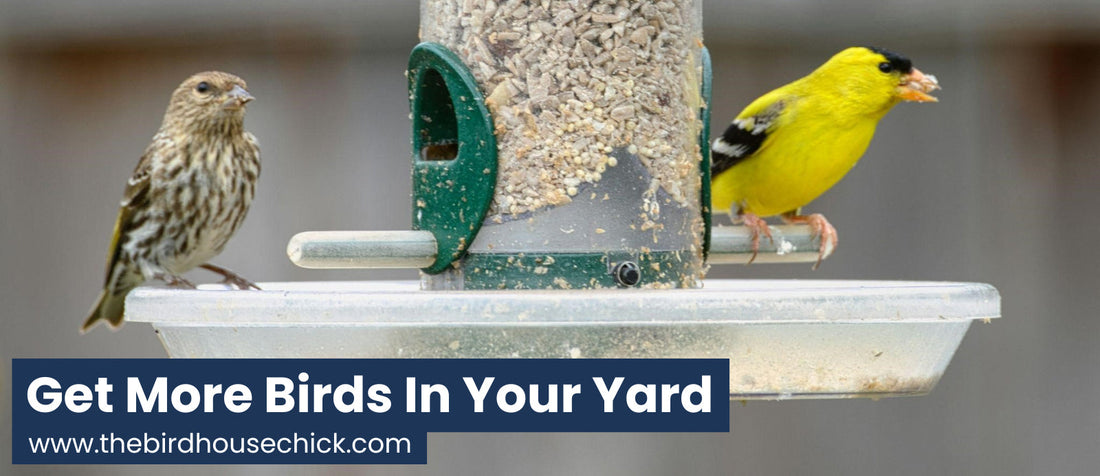
Diversity in feeders and food types invites a broader range of birds. Use a mix of seed types like sunflower seeds, nyjer, and millet to suit different species’ preferences. Platform feeders, tube feeders, and suet cages each appeal to different bird habits.
Adding water features or nearby shrubs can also attract species that prefer cover or a water source. Have you noticed certain birds only visit when specific plants or feeder styles are present? Experimenting with these elements can turn your yard into a hotspot for many feathered friends.
Credit: www.thebirdhousechick.com
Frequently Asked Questions
What Types Of Bird Feeders Attract More Birds?
Tube feeders and platform feeders attract diverse bird species. Tube feeders are great for small birds like finches, while platform feeders suit larger birds. Using a variety of feeder types increases bird visits and diversity in your backyard.
Which Birdseed Is Best For Feeding Wild Birds?
Black oil sunflower seeds attract the widest range of birds. They are high in fat and easy to crack. Nyjer seeds are preferred for finches. Mixing seeds can appeal to more bird species at your feeder.
How Often Should I Clean My Bird Feeders?
Clean feeders every two weeks to prevent disease. Use warm water and mild soap, then rinse thoroughly. Regular cleaning keeps birds healthy and encourages frequent visits to your feeders.
Where Is The Best Place To Hang Bird Feeders?
Place feeders 5-10 feet from trees or shrubs for cover. Avoid areas near windows to prevent bird collisions. A safe, visible location encourages birds to visit and stay longer at your feeders.
Conclusion
Attracting birds to your feeders brings nature close to home. Choose fresh seeds that suit local birds. Keep feeders clean to prevent disease. Place feeders where birds feel safe and can rest. Offer water nearby for drinking and bathing. Watch patiently and enjoy the variety of birds.
Small efforts create a lively, colorful garden space. Feeding birds helps them during tough weather too. A simple feeder can bring joy every day. Nature’s beauty is just a few steps away.




