
Have you ever wondered how your car can show a complete view from above, like a bird flying over it? That amazing feature is called a bird’s eye view camera, and it’s changing the way you park and drive safely.
Imagine having a clear, all-around look at your car’s surroundings with just one glance. Sounds useful, right? You’ll discover exactly how this clever technology works and why it makes your driving experience smarter and stress-free. Keep reading to unlock the secret behind your car’s eye in the sky!

Credit: www.carsales.com.au
Bird’s Eye View Camera Basics
The Bird’s Eye View Camera system is a clever technology that gives drivers a clear, overhead look at their vehicle’s surroundings. It combines images from multiple cameras placed around the car to create a single, seamless view. This setup helps you see blind spots and tricky areas without having to turn your head or guess what’s nearby.
Purpose And Benefits
The main purpose of a Bird’s Eye View Camera is to improve safety and convenience. It helps you park with confidence, avoid obstacles, and reduce the risk of accidents. You get a full 360-degree perspective, which is especially useful in tight spaces or crowded parking lots.
- Improved spatial awareness:You know exactly where your car is in relation to curbs, other vehicles, and pedestrians.
- Reduced blind spots:Cameras cover areas that mirrors and direct vision can’t reach.
- Enhanced security:You can spot moving objects or people around your car before stepping out.
Have you ever struggled with parallel parking or felt unsure about a narrow driveway? This camera system can take away that stress by showing you a bird’s eye view, so you make precise moves every time.
How It Enhances Driving
This technology doesn’t just help with parking—it makes daily driving safer and easier. When navigating busy streets or reversing out of a driveway, the Bird’s Eye View Camera gives you extra eyes on the road. It lets you detect nearby obstacles or pedestrians quickly.
By providing a clear, combined image from multiple angles, the system eliminates the need to constantly check different mirrors. This means you can focus more on steering and less on guessing what’s around you. The result is smoother, more confident driving.
Think about the last time you had to back up in a crowded area. Wouldn’t you want a system that shows the whole scene below your car? The Bird’s Eye View Camera answers that need, making every drive safer and less stressful.
Core Components
The bird’s eye view camera system in cars relies on several key parts. These core components work together to create a clear and wide overhead image. Understanding these parts helps explain how the system provides a complete view around the vehicle.
Multiple Camera Setup
Cars use multiple small cameras placed around the vehicle. Usually, one camera is on the front, rear, and each side mirror. These cameras capture images from different angles simultaneously. This setup ensures no blind spots around the car.
Image Stitching Technology
The images from all cameras are combined using image stitching technology. The system merges the separate views into one seamless overhead picture. This process corrects distortions and aligns images perfectly. The result is a smooth, continuous view around the vehicle.
Sensors And Calibration
Sensors help the system understand the car’s position and movement. Calibration adjusts camera angles and settings for accuracy. This ensures the stitched image matches the real-world surroundings. Regular calibration keeps the system reliable and precise.
Technology Behind The Scenes
Understanding how cars display a bird’s eye view requires a peek into the technology that captures and processes these images. It’s not just about sticking cameras on your car; it’s about combining multiple technologies to give you a seamless view of your surroundings. Let’s break down how this magic happens behind the scenes.
Wide-angle Lens Functionality
The cameras used in bird’s eye view systems are equipped with wide-angle lenses, often fisheye lenses. These lenses capture a broad field of vision, sometimes up to 180 degrees, allowing the system to see not just what’s in front, but also to the sides and slightly behind the vehicle.
This wide coverage is crucial because it feeds the system with enough visual data to stitch together a full 360-degree image around your car. Without wide-angle lenses, you would only get narrow, fragmented views, making it impossible to create that comprehensive top-down perspective.
Real-time Image Processing
Once the cameras capture the images, the system processes them in real time. This means it quickly corrects distortions caused by the wide-angle lenses and adjusts brightness and contrast to ensure clarity.
The processing unit also aligns images from multiple cameras, merging them into one seamless view. This fast image stitching is what makes it possible for you to see continuous surroundings without delays or glitches while parking or maneuvering.
3d Mapping And Visualization
Some advanced systems go beyond flat images and create 3D maps of your car’s environment. They use sensor data combined with camera input to build a detailed spatial understanding.
This 3D visualization helps you judge distances and obstacles more accurately. Imagine trying to park in a tight spot; the 3D perspective can show you exactly how much space you have on each side, making your decisions safer and easier.

Credit: www.teslaownersonline.com
Integration With Vehicle Systems
The bird’s eye view camera in cars isn’t just a standalone gadget. It works closely with several vehicle systems to give you a clear, all-around view. This integration helps make parking and maneuvering easier and safer, turning complex technology into something you can rely on every day.
Connection To Infotainment Display
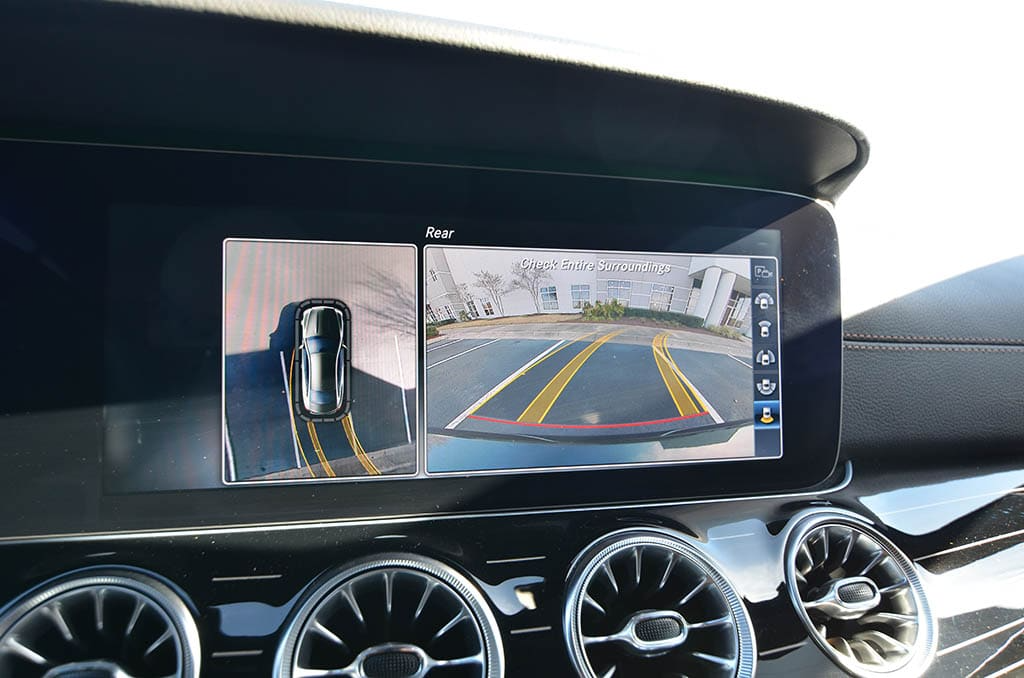
The camera feeds live video to your car’s infotainment screen. This means you can see the surroundings right where you look for navigation or music controls. The display often splits to show different camera angles, giving you a seamless experience.
Have you noticed how quickly the screen switches when you shift into reverse? That happens because the camera system communicates directly with the gear shift and display unit. This connection ensures you get instant feedback without any delay.
Coordination With Parking Sensors
Bird’s eye view cameras don’t work alone—they team up with parking sensors around your car. These sensors detect obstacles and alert you with sounds or visual warnings on the display. The camera image and sensor data combine to give a more accurate picture of what’s nearby.
Imagine you’re parking in a tight spot. The sensors pick up objects you might miss, while the camera shows you the exact position of your car. This coordination helps prevent minor scrapes and builds your confidence behind the wheel.
Software And Firmware Updates
Like your smartphone, the bird’s eye view system gets updates to improve performance and add features. These updates can fix bugs, enhance image quality, or improve how the system works with other vehicle components. Keeping your system up to date ensures you always get the best experience.
Many cars now allow over-the-air updates, so you don’t have to visit a dealer. This convenience means your camera system can evolve as technology improves, without you lifting a finger. Have you checked if your car’s software is current lately?
Challenges And Limitations
Bird’s eye view cameras offer incredible convenience, but they come with their own set of challenges and limitations. Understanding these can help you better appreciate the technology and prepare for any issues that may arise. Let’s look at some key hurdles manufacturers and users face with this system.
Environmental Factors
Outdoor conditions heavily affect the performance of bird’s eye view cameras. Rain, fog, and snow can obscure the lenses, making the image blurry or even unusable.
Direct sunlight or low light situations can cause glare or poor visibility, reducing the camera’s effectiveness. Have you ever noticed your rearview camera becoming almost useless during heavy rain?
Besides weather, dirt and mud splashes can block the camera lenses. This means the system’s reliability depends a lot on the environment you drive in.
Camera Maintenance
Keeping the cameras clean and functional is essential but often overlooked. Since these cameras are exposed on the vehicle’s exterior, they are prone to damage and grime buildup.
Regular cleaning is necessary, but it can be tricky to reach all the lenses without specialized tools or knowledge. Have you ever struggled to clean your car’s side mirrors? Imagine that multiplied by four or more cameras.
Additionally, physical damage from road debris or minor accidents can misalign or break the cameras, requiring professional repairs that aren’t always quick or cheap.
Cost And Complexity
Bird’s eye view systems add significant cost to vehicles, both upfront and in maintenance. The technology involves multiple high-resolution cameras and sophisticated software to stitch images together.
This complexity means repairs and replacements are expensive, often requiring specialized technicians and parts. You might find that a simple camera issue can end up costing more than expected.
Moreover, integrating these systems into different car models requires extensive engineering, which limits their availability to higher-end or newer vehicles. Would you consider paying more for this feature, knowing the potential maintenance costs?
Future Innovations
As technology continues to evolve, the future of bird’s eye view cameras in cars holds exciting prospects. These innovations are set to enhance the driving experience by making it safer, more intuitive, and more integrated with other technological advancements. Let’s explore what the future might bring in this dynamic field.
Ai And Machine Learning Enhancements
Imagine a car camera system that not only shows you a bird’s eye view but also anticipates potential hazards in real-time. AI and machine learning are making this possible by continuously improving the camera’s ability to recognize objects and predict their movements. This means a smarter system that adapts to new driving environments, ensuring you stay safer on the road.
Have you ever thought about how much information your car camera processes every second? With AI enhancements, your vehicle’s camera could soon offer a more detailed analysis of surroundings, like identifying a pedestrian about to cross the street or a cyclist emerging from a blind spot. This intelligent feedback loop between the camera and the driver could drastically reduce accidents.
Improved Resolution And Coverage
Think of the clarity you get from a high-definition TV. Now, imagine that clarity in your car’s bird’s eye view camera. Future cameras are set to offer improved resolution, which means clearer images and better coverage of your vehicle’s surroundings.
With advancements in sensor technology, these cameras could soon cover a wider area, providing you with a more comprehensive view. This means fewer blind spots and more confidence in navigating tight spaces or crowded parking lots. High-resolution imagery paired with expansive coverage can transform your driving experience, making it more intuitive and stress-free.
Integration With Autonomous Driving
Autonomous driving isn’t just a futuristic dream; it’s becoming a reality. Bird’s eye view cameras are a crucial part of this transition. As these cameras integrate more seamlessly with autonomous systems, they help create a more cohesive and reliable self-driving experience.
Imagine your car navigating itself through a busy intersection with ease, thanks to the detailed insights from a bird’s eye view camera. This integration allows for better decision-making by the vehicle, ensuring safer and more efficient travel. As we move toward a world where cars drive themselves, the role of these cameras in providing comprehensive environmental data will only grow.
Are you ready for a future where your car thinks and sees like you do? With these innovations, bird’s eye view cameras are paving the way for a smarter, safer driving experience. The road ahead is not just about getting from point A to B; it’s about doing so with precision and peace of mind.
Credit: www.motorist.co.th
Frequently Asked Questions
How Do Bird’s Eye View Cameras Work In Cars?
Bird’s eye view cameras use multiple cameras around the car. They stitch images to create a top-down, 360-degree view. This helps drivers see surroundings and park safely by eliminating blind spots.
Which Cars Have Bird’s Eye View Camera Systems?
Many modern cars, especially SUVs and luxury models, include bird’s eye view cameras. Brands like Toyota, BMW, and Nissan commonly offer this feature for enhanced safety and convenience.
What Technology Enables Bird’s Eye View Camera Systems?
These systems use wide-angle cameras combined with image processing software. The software merges images from different angles into a seamless bird’s eye view in real time.
Are Bird’s Eye View Cameras Helpful For Parking?
Yes, they greatly improve parking accuracy. The 360-degree view shows obstacles and parking lines clearly, reducing the risk of collisions and making tight parking easier.
Conclusion
Bird’s eye view cameras help drivers see all around their cars. They use several cameras to create one clear image from above. This technology makes parking and turning much easier and safer. Many modern cars now include these cameras as standard features.
Understanding how they work helps us appreciate this smart design. It shows how technology improves daily driving. Safe driving becomes simpler with better vision. This feature will likely grow more common in the future.




