
Have you ever wondered how birds seem to find your bird feeder as if by magic? One day, you set it up, and soon enough, colorful birds are visiting, chirping, and enjoying the treats you offer.
It might seem mysterious, but there’s actually fascinating science behind how birds locate feeders. Understanding this can help you attract even more feathered friends to your yard. Keep reading to discover the secrets birds use to find your feeder and how you can make your outdoor space their favorite spot!

Credit: happygardens.com
Birds’ Natural Navigation Skills
Birds have amazing natural skills to find food sources like bird feeders. They rely on their sharp senses and memory to navigate through their environment. These skills help them survive and thrive in various habitats. Understanding how birds use these abilities gives us insight into their behavior and how to attract them to feeders.
Use Of Visual Cues
Birds notice colors and shapes from far away. Bright colors often attract birds quickly. They spot feeders by recognizing patterns or shiny parts. Movement near feeders also catches their attention. Visual cues guide birds directly to food sources without confusion.
Role Of Memory And Routine
Birds remember where food is located. They visit feeders at the same time each day. Routine helps them save energy and time. Once a feeder is found, birds return regularly. Memory also helps them avoid dangerous places.
Influence Of Environmental Landmarks
Birds use trees, buildings, and other landmarks to find feeders. These landmarks act like signposts in their mind. They help birds navigate through their territory safely. Landmarks make it easier for birds to locate food repeatedly.
Types Of Bird Feeders That Attract More Birds
Choosing the right type of bird feeder can make a big difference in attracting a variety of birds to your yard. Different feeders appeal to different species depending on their design and the food they hold. Understanding the options helps you create a welcoming spot for more feathered visitors.
Platform Feeders
Platform feeders are flat trays that hold seeds, fruits, or nuts. Their open design allows birds of all sizes to land and feed comfortably. You might notice ground feeders like sparrows and doves visiting these feeders more often.
Because platform feeders offer a variety of foods, they attract a wide range of birds. You can even add a bit of water to create a mini feeding and drinking station. Have you tried placing one near shrubs? It can give shy birds a safe place to hide while eating.
Tube Feeders
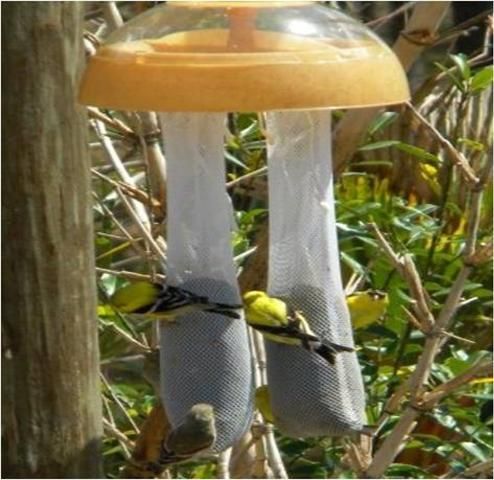
Tube feeders are cylindrical and usually made of plastic or glass with small feeding ports. These feeders are perfect for small songbirds like finches and chickadees. The narrow openings help keep larger birds and squirrels away from the food.
They are easy to refill and keep seeds dry, especially during rainy days. If you want to attract colorful birds, fill the tube feeder with nyjer or sunflower seeds. What bird colors do you hope to see more of in your garden?
Hopper Feeders
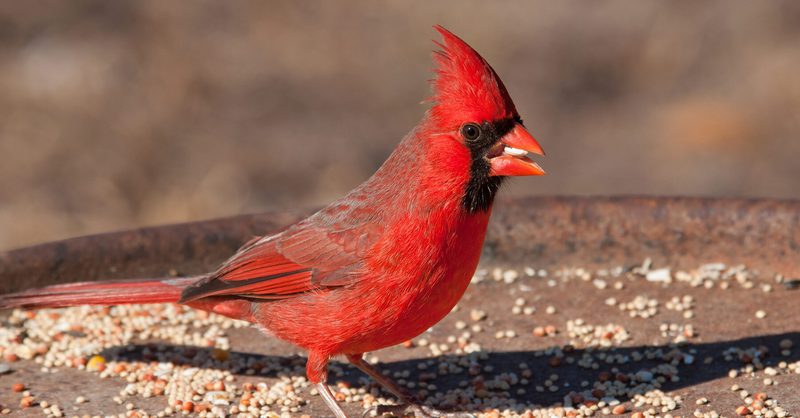
Hopper feeders look like small houses that hold large quantities of seed. They release food gradually onto a platform, making it accessible to many birds at once. Cardinals, jays, and grosbeaks often prefer these feeders because they can perch comfortably.
These feeders are great if you want to attract both small and medium-sized birds. They also protect seeds from rain, keeping the food fresh longer. Have you noticed how hopper feeders can reduce waste by controlling seed spillage?
Suet Feeders
Suet feeders are designed to hold blocks of suet, a high-energy food made from animal fat. These feeders attract insect-eating birds like woodpeckers, nuthatches, and wrens. Suet is especially popular during colder months when birds need extra calories.
Hanging suet feeders near trees can increase your chances of spotting these unique visitors. You can even make your own suet mix to add nuts, seeds, or dried fruits. Have you considered how suet feeders might bring more activity to your yard during winter?
Best Foods To Attract Different Bird Species
Choosing the right food is key to attracting a variety of birds to your feeder. Different species have unique tastes and dietary needs. Knowing what to offer can transform your backyard into a vibrant bird-watching spot.
Seeds And Grains
Seeds are the most popular choice for many birds. Black oil sunflower seeds attract finches, chickadees, and cardinals because of their thin shells and high oil content. Millet and cracked corn are favorites of ground feeders like doves and sparrows.
If you want to see a mix of species, consider using a seed mix that combines sunflower seeds, millet, and safflower. Have you noticed how some birds prefer smaller seeds while others go for bigger ones? Offering a variety can keep more birds visiting your feeder.
Nuts And Fruits
Nuts like peanuts and almonds draw woodpeckers, jays, and titmice. Make sure to offer unsalted, shelled nuts to keep the birds healthy. Fruits such as apples, oranges, and berries are irresistible to orioles, tanagers, and some thrushes.
I once added fresh berries to my feeder and instantly attracted colorful orioles that I rarely saw before. Would your backyard benefit from a small fruit dish alongside your seed feeder? It’s a simple way to diversify the birds that stop by.
Nectar And Suet
Nectar feeders are perfect for hummingbirds and orioles. Use a sugar-water mix with four parts water to one part sugar—avoid red dye to keep it natural. Suet cakes provide high-energy fat that woodpeckers, nuthatches, and wrens love, especially in cold weather.
Have you tried suet yet? It’s amazing how quickly woodpeckers find it. Offering both nectar and suet can cater to birds with very different diets, increasing your chances of a lively feeder.
Seasonal Food Preferences
Bird preferences change with the seasons. In spring and summer, insects, nectar, and soft fruits are more popular because birds need protein for raising young. In winter, seeds, nuts, and suet provide essential energy to survive the cold.
Adjusting your offerings throughout the year keeps birds coming back. Have you observed which foods your local birds prefer in different seasons? Tracking this can help you provide exactly what they need when they need it most.
Location Tips For Placing Bird Feeders
Finding the right spot for your bird feeder can make all the difference in attracting feathered visitors. Birds rely on visibility, safety, and familiar surroundings to discover and trust a feeding spot. Here are some practical tips to help you place your feeder where birds will find it quickly and feel comfortable returning.
Choosing Visible Spots
Birds need to see your feeder clearly to find it. Place feeders in open areas or near windows where birds often fly by. Avoid hiding feeders behind thick bushes or trees that block sightlines.
Think about your own experience: have you ever missed something because it was out of view? Birds are the same—they spot feeders best when they stand out against the background.
Safety From Predators
Birds avoid feeders located near places where predators can hide. Keep feeders away from dense shrubs or fences that cats and other predators use to stalk. Ideally, place feeders at least 10 feet away from such cover.
Consider adding a baffle below hanging feeders to prevent squirrels or raccoons from reaching food. When birds feel safe, they’ll visit more often and stay longer.
Proximity To Natural Habitat
Position feeders near natural bird habitats like trees, shrubs, or water sources. Birds are more likely to explore feeders if they are close to familiar perching and nesting spots. This helps them feel secure while feeding.
If you have a garden, try placing feeders near flowering plants or bushes that attract insects. This creates a feeding zone that supports birds’ natural behaviors and keeps them coming back.
Using Scents And Sounds To Draw Birds
Birds rely heavily on their senses to find food sources. Scent and sound are powerful tools that help them locate feeders. These natural signals catch birds’ attention and guide them from afar. Understanding how to use scents and sounds can help attract more birds to your feeder.
Natural Scents That Attract
Birds have a strong sense of smell, though not all species use it equally. Certain natural scents can lure them closer. Seeds, nuts, and fresh fruits give off aromas that birds recognize as food. Adding herbs like mint or fennel near feeders can also attract some birds.
Using natural, non-toxic scents works best. Avoid strong artificial fragrances that might scare birds away. Freshness matters. Replace old food or spoiled fruits often to keep the scent inviting.
Bird Calls And Songs
Birds communicate with calls and songs. These sounds help them find food and warn about danger. Playing recorded bird calls near feeders can draw curious birds. Choose calls of local species to make birds feel safe.
Keep the volume low to avoid startling them. Repeating calls at intervals imitates natural bird activity. This creates a welcoming environment and encourages visits.
Avoiding Scares And Deterrents
Birds are easily frightened by sudden noises or movements. Avoid loud sounds near feeders. Keep pets and children away to reduce stress.
Reflective surfaces and shiny objects may scare birds. Use calm colors and natural materials around feeders. This helps birds feel secure and more likely to return.
Credit: birdfact.com
Maintaining Feeders To Keep Birds Coming Back
Ensuring your bird feeders are well-maintained is crucial for keeping our feathered friends coming back. Birds are creatures of habit and will frequent places where they find fresh food and a clean environment. Proper feeder maintenance is not just about aesthetics; it’s about creating a healthy feeding station that attracts a variety of bird species.
Cleaning And Hygiene
Birds are vulnerable to disease, and a dirty feeder can be a breeding ground for harmful bacteria. Regular cleaning is essential. Use a mild soap and warm water to scrub the feeders at least once a week. Rinse thoroughly to remove any soap residue. If you notice mold or old seeds, it’s time for an immediate clean-up. Keeping your feeders hygienic ensures birds stay healthy and eager to return.
Refilling Frequency
How often do you refill your feeders? Consistency is key. Birds will learn your schedule and rely on you as a food source. Try to refill the feeders at the same time each day or week to build a routine. However, avoid overfilling, as excess food can spoil. By maintaining a consistent refilling schedule, you encourage birds to make your yard a regular stop.
Preventing Mold And Spoilage
Moldy seeds can be harmful to birds, so it’s vital to prevent spoilage. Choose feeders that offer good drainage and protection from rain. Consider using weather guards or placing feeders in a sheltered location. Regularly inspect your feeder contents and remove any damp or clumped seeds. By ensuring your bird food stays fresh, you’ll keep your avian visitors healthy and happy.
Seasonal Strategies For Bird Feeding
Bird feeding strategies change with the seasons. Birds have different needs throughout the year. Understanding these can help attract more birds to your feeders. Let’s explore how to adjust your feeding routine.
Feeding During Migration
Migration is a critical time for birds. They need extra energy to travel long distances. Offer high-energy foods like sunflower seeds and suet. Place feeders in open areas visible from the sky. Migrating birds use sight to locate food sources.
Winter Feeding Tips
Winter presents challenges for birds. Cold weather increases their energy needs. Provide fatty foods like peanuts and suet cakes. Ensure feeders are clean and filled regularly. Birds rely on consistent food sources in winter. Offer fresh water in a heated birdbath to prevent freezing.
Spring And Summer Adjustments
Spring and summer bring different feeding habits. Birds need protein for breeding and raising chicks. Offer mealworms and fruits. Keep feeders clean to prevent disease. Reduce feeding slightly as natural food becomes abundant. Maintain a variety of food types to support different species.
Credit: edis.ifas.ufl.edu
Frequently Asked Questions
How Do Birds Locate Bird Feeders Quickly?
Birds use their keen eyesight to spot feeders from a distance. They also follow other birds and remember feeder locations for easy access.
What Senses Help Birds Find Bird Feeders?
Birds rely mainly on sight and memory. Bright colors and familiar shapes attract their attention, guiding them to feeders.
Can Birds Recognize Feeders By Smell?
Birds mostly depend on vision, not smell, to find feeders. Smell plays a minor role compared to visual cues.
Do Birds Communicate Feeder Locations To Others?
Yes, some birds share food source locations through calls or flock behavior, helping others find feeders efficiently.
Conclusion
Birds find feeders by using their sharp eyesight and memory. They notice colors, shapes, and sounds near feeders. Birds also follow others to food sources. Placing feeders in safe, visible spots helps them find food faster. Feeding birds brings joy and supports their survival.
Keep feeders clean and filled to attract more birds. Watching birds visit is a simple way to enjoy nature daily. Understanding how birds find feeders makes feeding them more rewarding.




